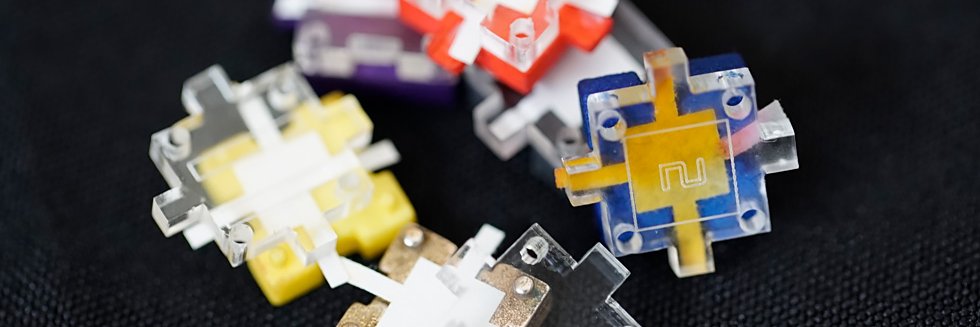
Whirlwind jet into Iowa for a Unity Point St Luke’s hospital Maker Faire. Each year, it’s a unique vibe. 2024’s reflected a confident clinical community where health making is part of the fabric of innovative caring for patients with @makerhealthco@RHedgesRN@annakyoung
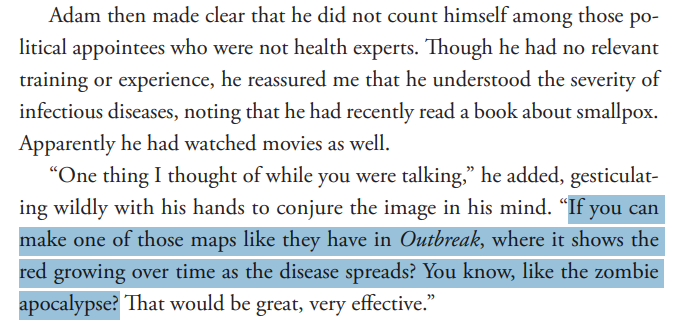
However dumb you think the process for destroying USAID was, it was dumber.
This is from Nicholas Enrich's new book Into the Wood Chipper, describing a meeting with Trump-appointed USAID leadership *after* they had largely gutted the agency
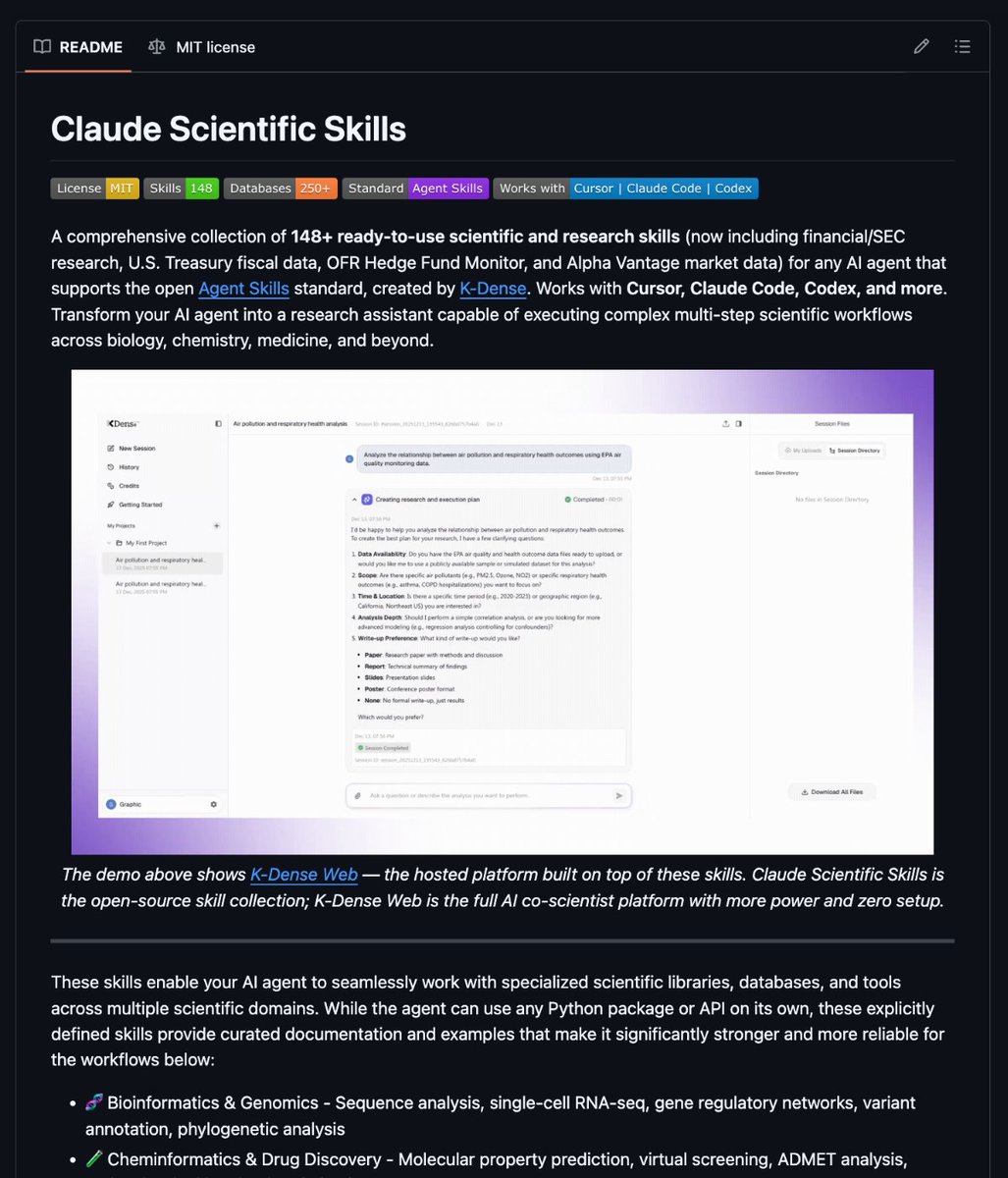
🚨BREAKING: The "Cursor for scientific research" just dropped and it runs entirely inside Claude Code.
It's called claude-scientific-skills and it gives Claude 140 ready-to-use scientific skills from a single plugin install.
No API doc hunting. No library configuration. No duct-taped research pipelines.
It's powered by 28+ live scientific databases wired directly into Claude.
→ Describe your research goal in plain English
→ Claude finds the right skill automatically
→ Full pipeline runs: data retrieval → analysis → publication-ready output
→ Works across biology, chemistry, medicine, ML, and clinical research
All running inside Claude Code. Zero manual setup.
But it's not just a prompt library.
It's a full AI research lab:
→ Drug discovery: ChEMBL → RDKit → DiffDock → lead optimization in one prompt
→ Genomics: 10X data → Scanpy → GRN inference → pathway enrichment
→ Clinical: VCF → ClinVar → pharmacogenomics → patient report
→ Multi-omics: RNA-seq + proteomics + metabolomics integrated automatically
7.8k stars. 924 forks. MIT Licensed.
MacOS, Windows, Linux works everywhere Claude Code runs.
This is the moment AI stops being a chat tool and becomes an actual research partner.
Link in the first comment 👇
Dempsey hit a chord—a topic that’s been lighting up my private conversations lately: *Post-Founder Archetypes*
The moment feels similar to 2008, when finance careers went from highly coveted to passé. The social hierarchy seems to run on these ~20-year cycles.
The question now: what comes next?
I'll go a step further than Dempsey. I'm predicting the rise of the *bricoleur*, in the Lévi-Strauss sense of the term: someone who can make and *remake* things with the tools at hand. There's never been a better time to be a maker of things and stories, including your own personal myths.
If you're unbound by the dogma of product/market fit, the world opens widely, ready to be remade by a small group of friends.
I've also noticed the most interesting people I know are having a *terrible* time answering the "what do you do?" question. They can tell you about a project they're working on, but they'll shirk any qualifying identity description, including and especially "founder".
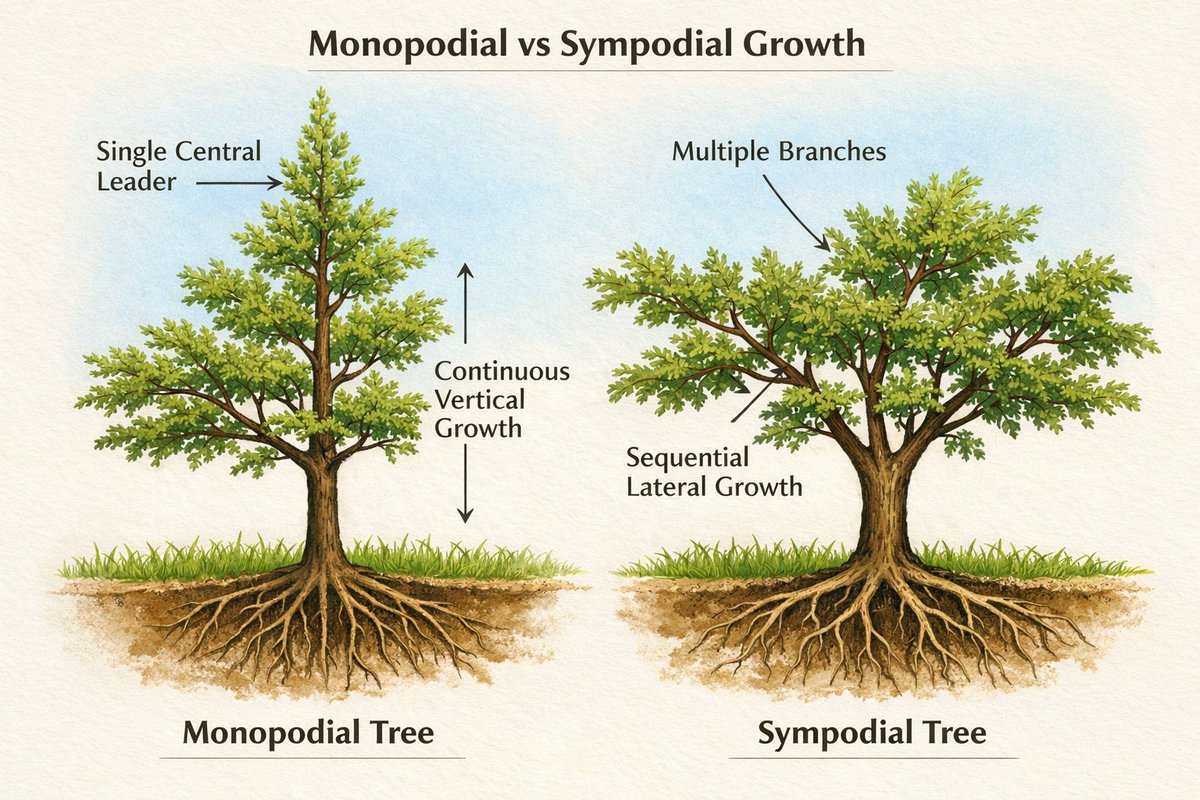
My favorite analogy comes from biology: monopodial vs sympodial growth in trees. Monopodials (like redwoods) have one big trunk and aim for continuous vertical growth. Sympodials (like oaks) grow via multiple branches. The metabolic strategies are very different. Monopodials put all their energy into growing tall quickly, whereas the sympodial plants hedge with multiple different leading edges, which is more resilient.
The next high-status career will be sympodial. Or what @zebriez called Flounder Mode—moving from project to project with people you like, and not letting your identity get too tangled up with any one of them.
AI resources I work on that might be useful:
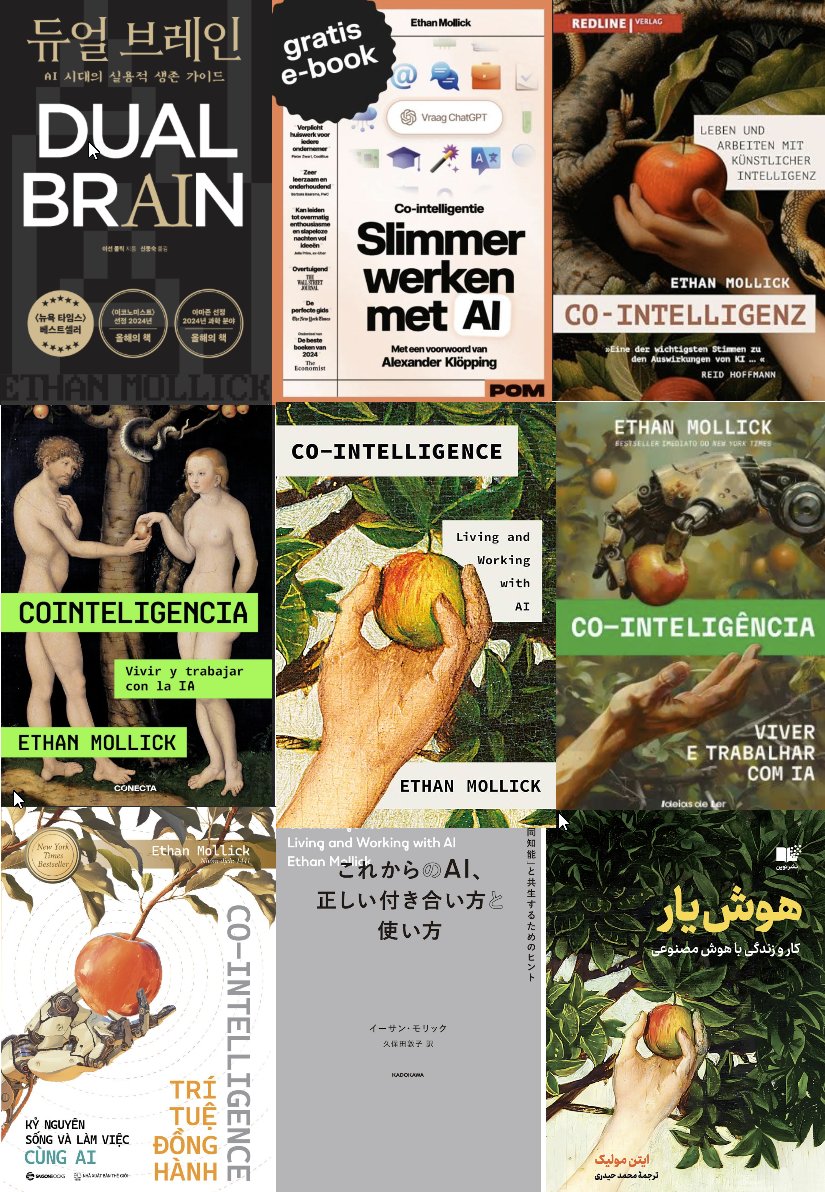
My NY Times bestseller, Co-Intelligence (now in 19 languages!): https://t.co/pw21fSThMj
The Generative AI Lab at Wharton (free prompts & research): https://t.co/hTOsEslqZf
OneUsefulThing, my free newsletter: https://t.co/eQZg86qqwi
They do not research medicines.
They do not manufacture medicines.
They do not dispense medicines.
So why are insurance companies making billions off medicines?
@chr1sa@ashleevance Also, remember that overhead generally doesn't buy you deliverables. When I was at MIT our contracts couldn't have a deliverable beyond a report of findings because we weren't a contractor or a consulting company. Hard sell for most companies.
A new lab model from @WilburLam & team can sustain blood clots for a long time, allowing detailed study of how they form and resolve. It opens new paths for treatment, with big implications for stroke, heart attack, sickle cell & more. Now out in @Nature. https://t.co/gFknrWhrqd
"While dealing with the challenges of cancer, a 30-day supply of his medication costs $6,067.69 through his employer’s PBM. Of that, the employee paid $1,213.54 out-of-pocket, while his employer covered $4,854.15.
With RxSaveCard, the total cost of the drug is just $13.18 through @costplusdrugs. His employer pays $13.18 and the employee gets his cancer medication for free." https://t.co/OTtdeqPmbG
@AustinTunnell@LeylaKuni I grew up in Honduras and my stone + brick + concrete house was likely cheaper than the equivalent lumber American made one. And a few hurricanes later, it’s still standing just fine. I’ve never understood why we don’t do stone / brick/ concrete here.