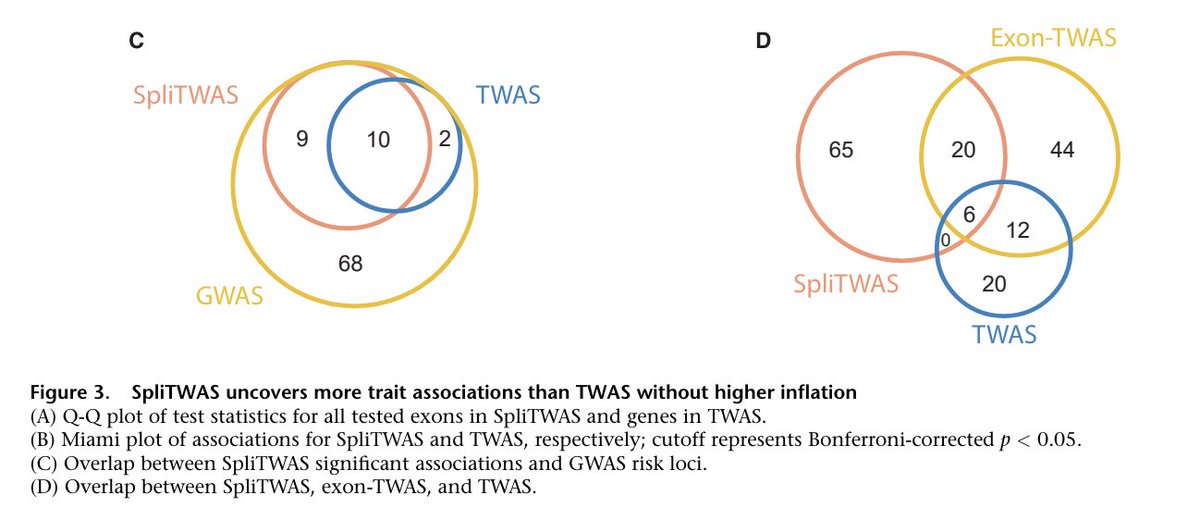
Neat study showing that modeling splicing/exon-specific effects identifies more associated genes in GWAS. These genes are also enriched for surprising RNA-binding protein binding sites.
I gave a talk "Addressing the credibility crisis in Mendelian randomization" in Bristol today at the MR conference. Slides are here:
https://t.co/WaR94SmwdR and a draft manuscript on the topic is here: https://t.co/jy1GhSYf3M. Comments very much encouraged!
How genetically heritable are human traits such as height, physical health, mental health, education, religiosity, conservatism, IQ, and personality, and what do these heritabilities actually mean?
[heritability megathread] 🧵
"The maximal lifespan [of people and 347 mammalian species] is strongly associated with an epigenetic signature that is largely independent of sex, body mass, calorie restriction, or other lifestyle factors"
@ScienceAdvances
https://t.co/kk7DgGcbwr @prof_horvath and colleagues
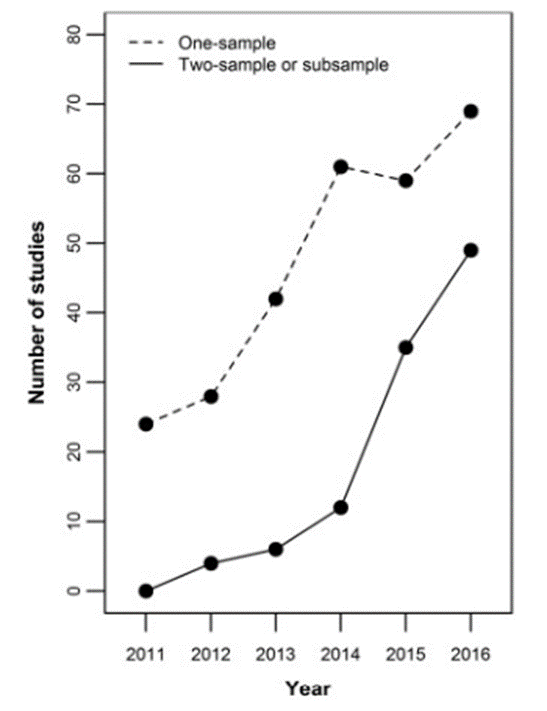
A warning about the proliferation of bad Mendelian randomziation papers and what authors, reviews and editors should do about it, from 2016 https://t.co/EJzpp2TaD7 The figure shows the number of MR papers per year; the 2015 annual total of papers is now appearing every week
It pains me to see facile critiques of GWAS on here from our clinical/biostats friends while the many actually good reasons to be critical of GWAS get little attention. So here's a thread on what GWAS does, what critics get wrong, and where GWAS is genuinely still lacking. 🧵:
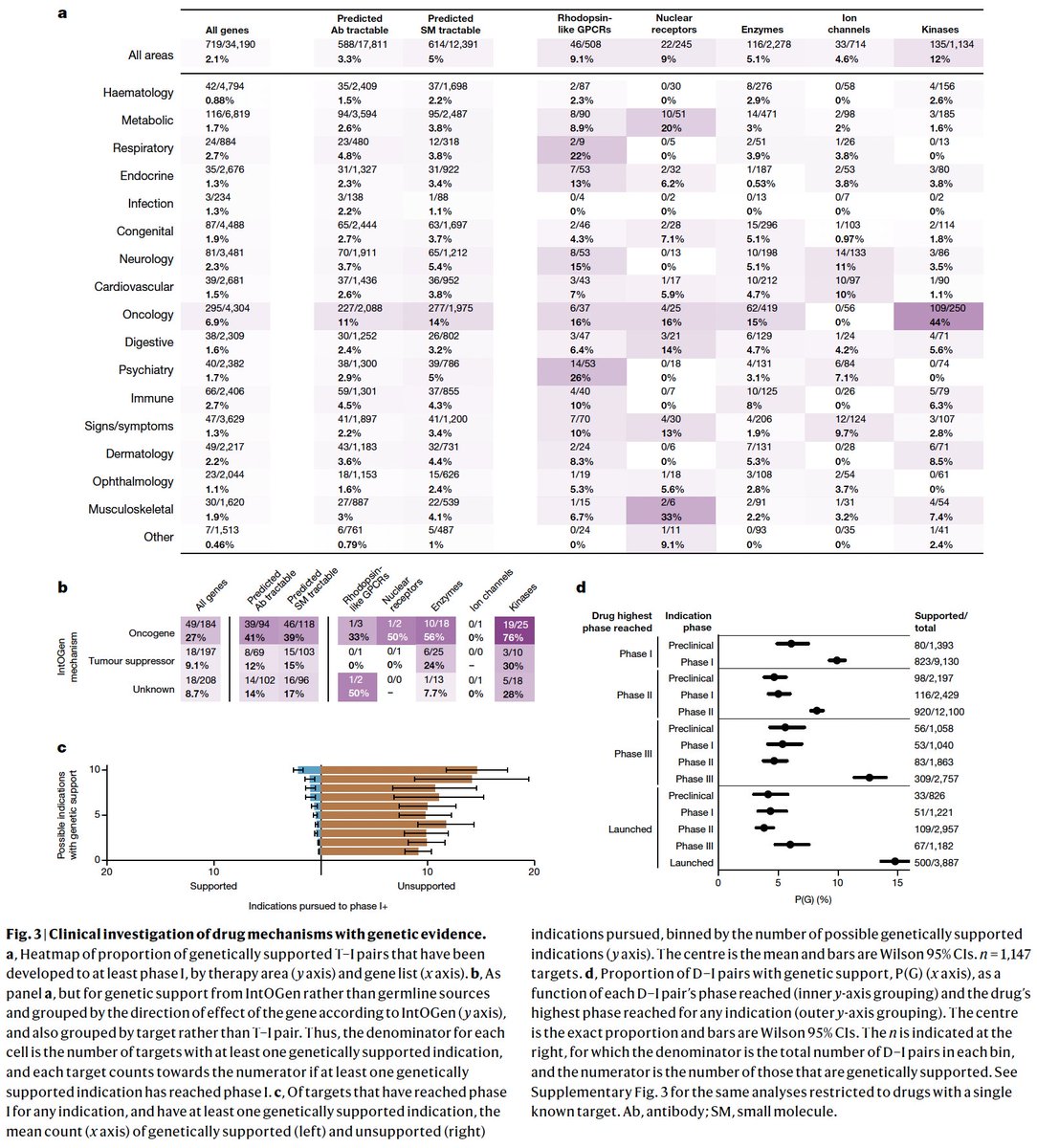
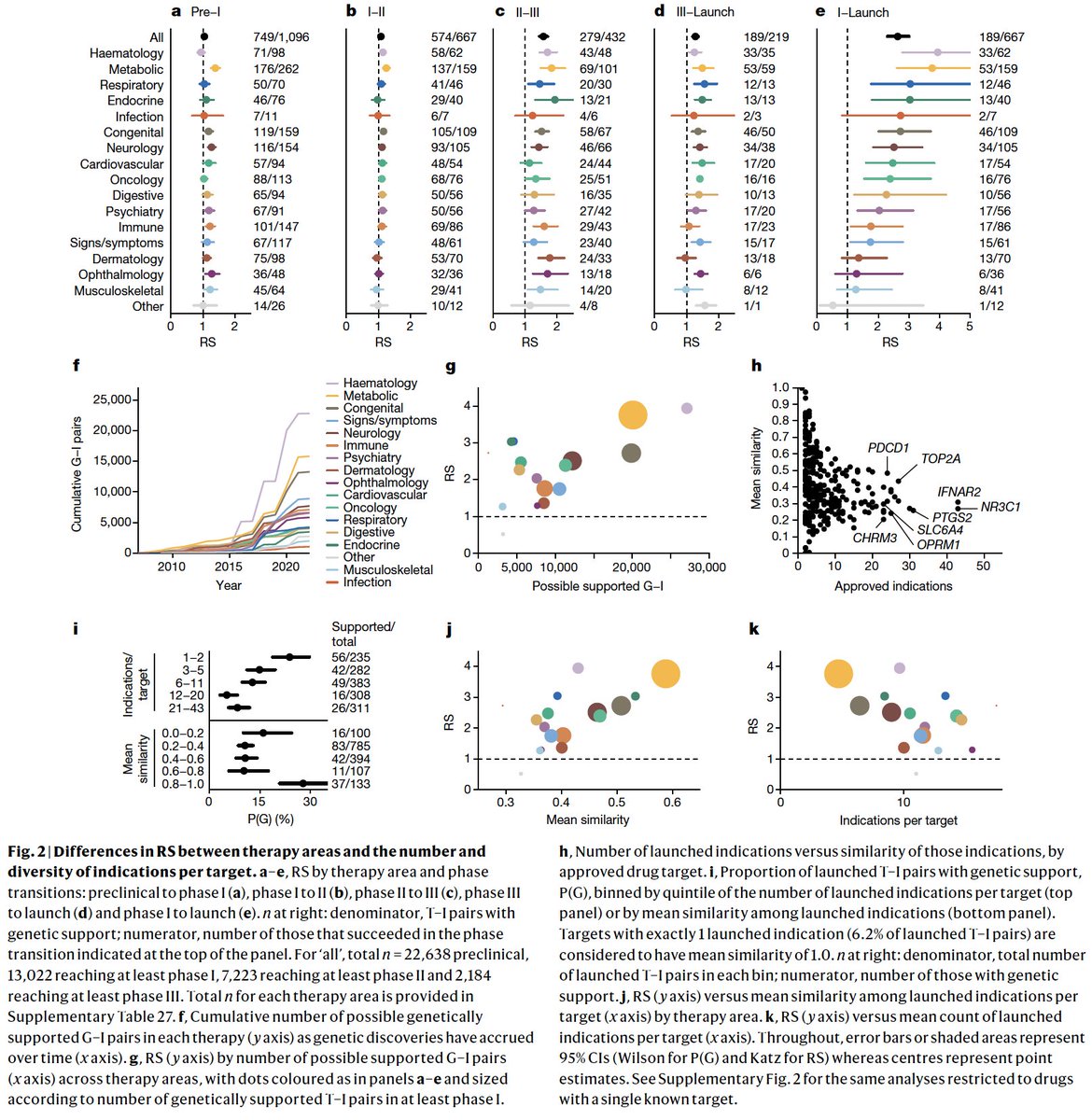
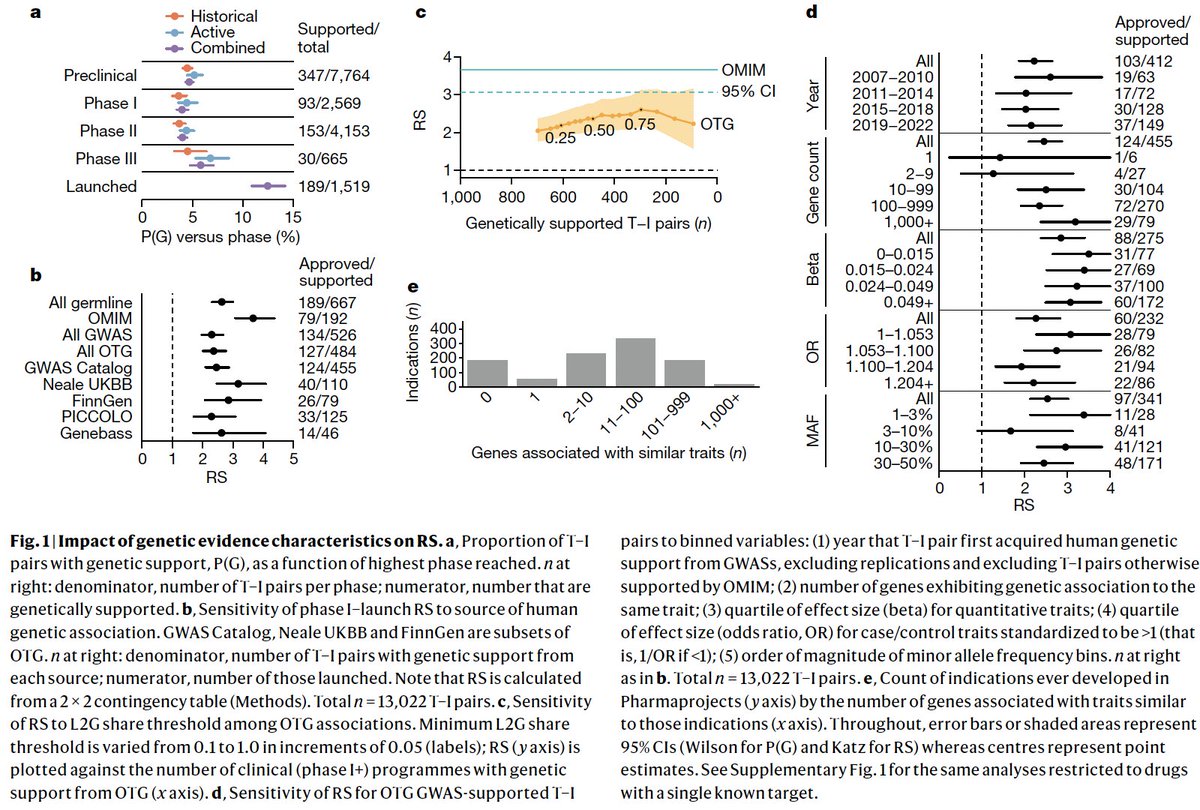
Investigational medicines with human genetic support for their mechanisms are 2.6-fold more likely to successfully make it to regulatory approval vs those without https://t.co/UThTo8x2ep @Nature
intriguing & slightly surprising to me - whenever I've looked for scRNA-seq support for a target, 9/10 it's not expressed sufficiently in any cell type of interest to draw conclusions (:
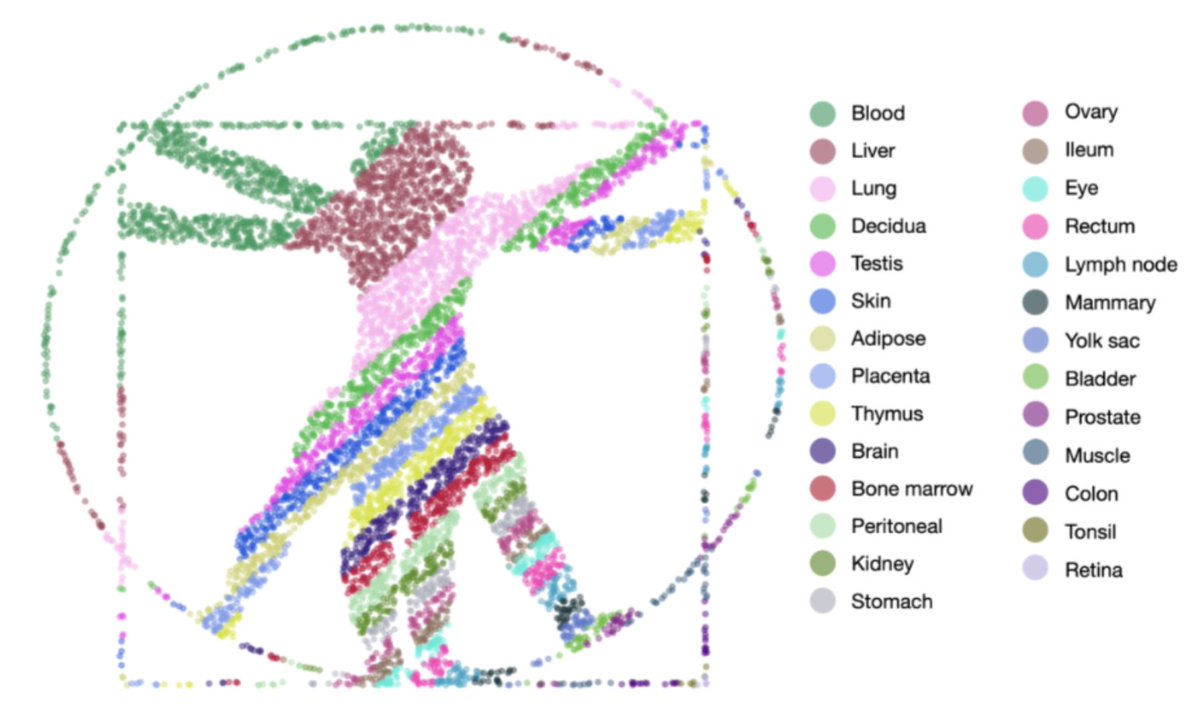
In a pair of @biorxivpreprint preprints just posted w/ @sinabooeshaghi and @agalvezmerchan, we describe algorithms for an open data Commons Cell Atlas and demonstrate how a Human Commons Cell Atlas can be used for discovery.
https://t.co/jexmXAlbMo
https://t.co/snYTmjudE0
1/🧵
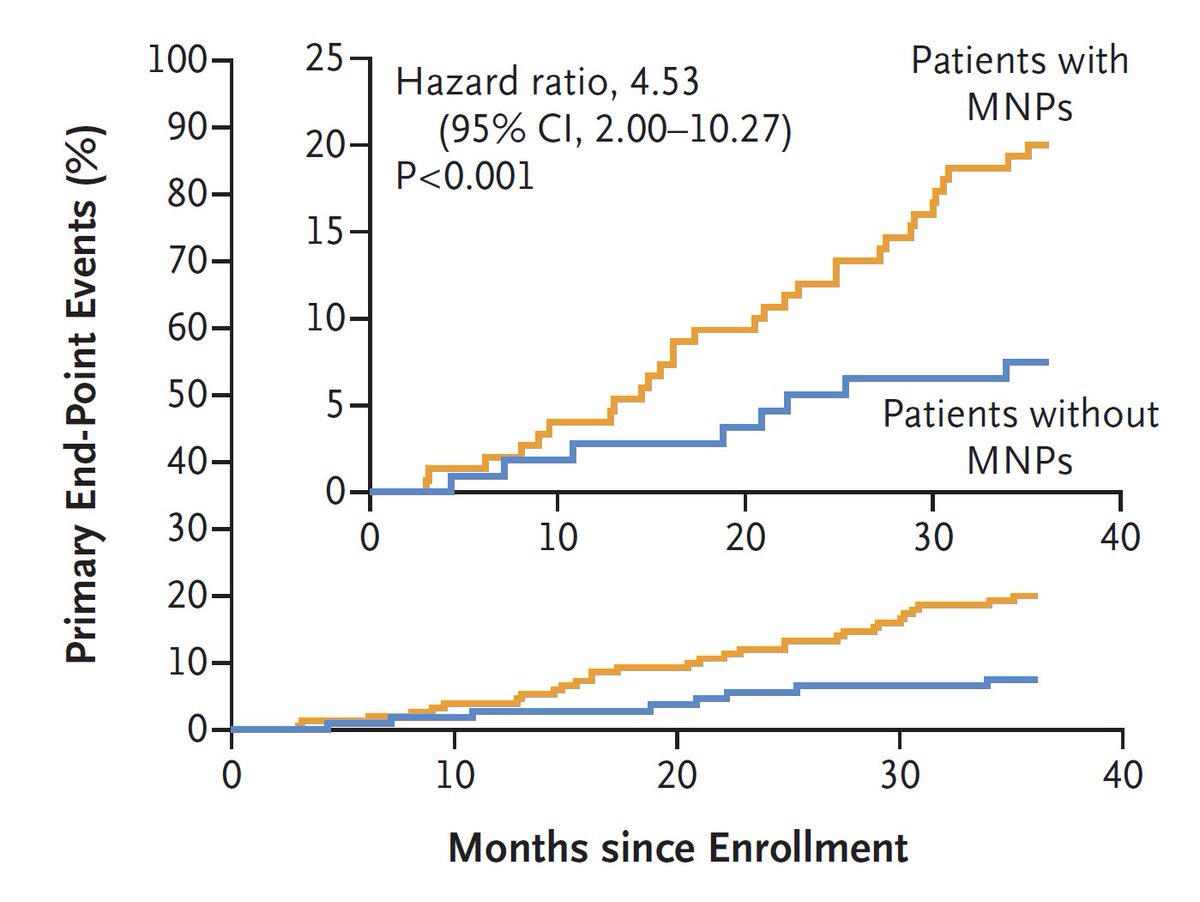
Patients with evidence of microplastics and nanoplastics in carotid artery plaque, as compared with patients without, had a greater risk of adverse cardiovascular events at 34 months of follow-up. Read the full article: https://t.co/BUsdzHMcdb
It's a pity that All of Us used UMAP to visualize ancestry variation in their new marker paper, out today in Nature.
The UMAP algorithm, by design, exaggerates the distinctiveness of the most frequent ancestries, a message that can be misinterpreted by the public.
Det är endimensionellt att tala om chefer som arbetsgivarens företrädare, som många arbetsgivare gör. En chef ska också företräda medarbetare, klienter och samarbetspartners i dialogen med sina överordnade. Så bygger man broar.
”Själva poängen med att ha erfarna och kompetenta chefer är att de ska våga uttrycka sitt omdöme och att det ska välkomnas, även om det utmanar. De ska kunna lyfta olika perspektiv.”
https://t.co/JLsgtvXWGK
New paper at @JACCJournals led by @EliasBjornson: "Lipoprotein(a) is markedly more atherogenic than LDL: an apolipoprotein B-based genetic analysis" - https://t.co/6LG6yYbDgw. Headline result: per apoB particle, Lp(a) is around 5-8 times more atherogenic than LDL. Brief thread:
🙏 everyone should read more from Richard Peto, as holiday reading could I recommend his seminal (but not read enough) 1977 book chapter, which @IntJEpidemiol was proud to publish the first accessible and corrected version in 2016 https://t.co/NWRob7JDaU I'll refund anyone /cont






![SpencrGreenberg's tweet photo. How genetically heritable are human traits such as height, physical health, mental health, education, religiosity, conservatism, IQ, and personality, and what do these heritabilities actually mean?
[heritability megathread] 🧵 https://t.co/JRo927Rimv](https://pbs.twimg.com/media/GP4odX7WgAA0jYj.jpg)
![EricTopol's tweet photo. "The maximal lifespan [of people and 347 mammalian species] is strongly associated with an epigenetic signature that is largely independent of sex, body mass, calorie restriction, or other lifestyle factors"
@ScienceAdvances
https://t.co/kk7DgGcbwr @prof_horvath and colleagues](https://pbs.twimg.com/media/GPfVWYwaIAEJvWQ.jpg)