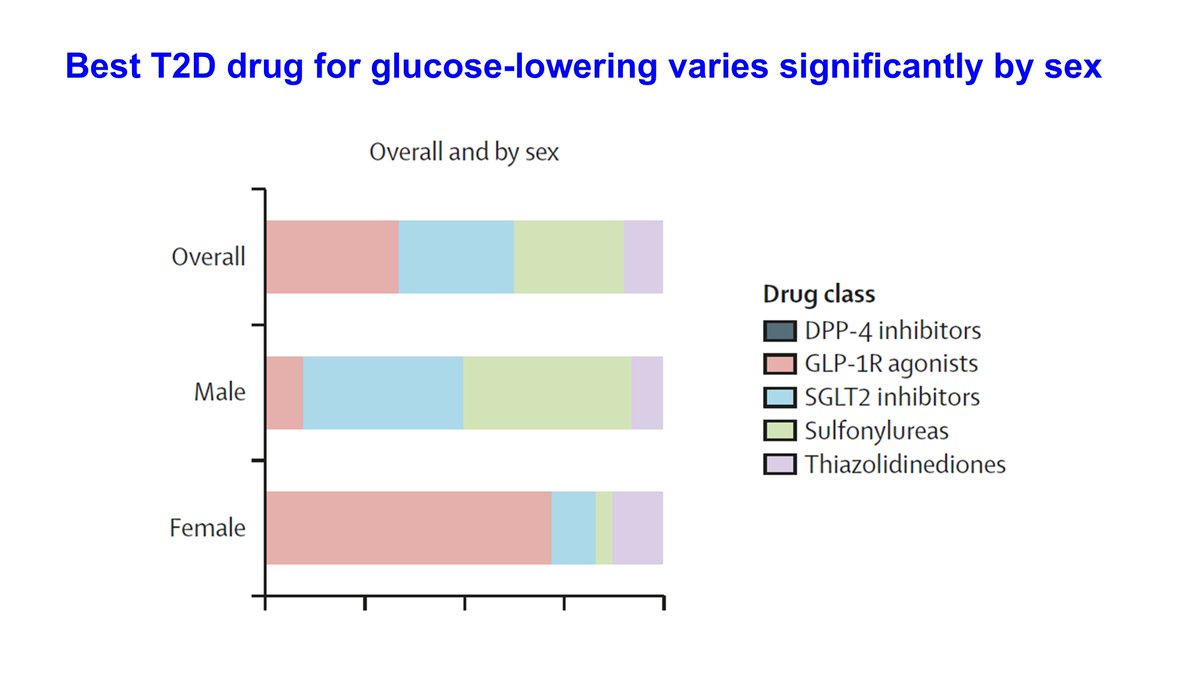
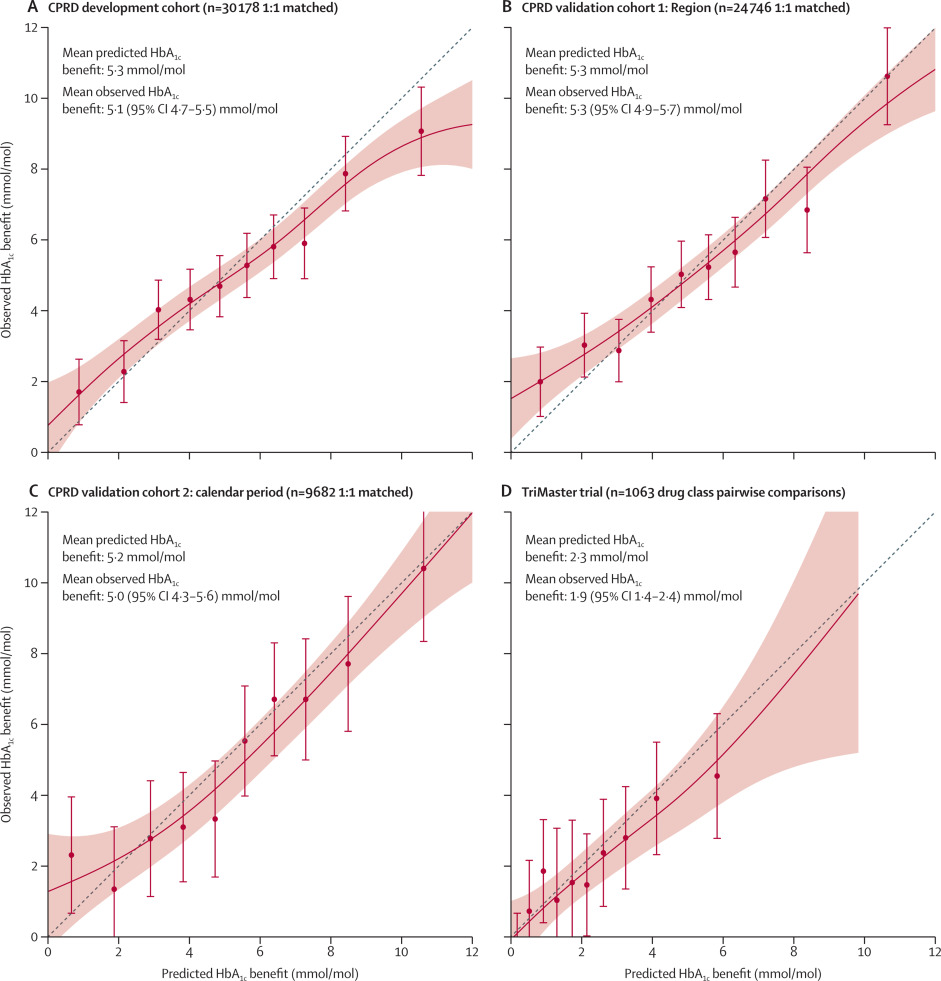
5-drug precision prescribing for people with type 2 diabetes is here - @TheLancet our @ExeterMedmodel for optimising glucose lowering therapy using low-cost routine clinical features
Paper: https://t.co/adXEg1l3lW
Web calc: https://t.co/spF9sfqP1R
Up front & free to read in our Oct issue #editorspicks: Type 2 diabetes subtypes for precision medicine: methodological challenges and alternative prediction‑based approaches https://t.co/L6hKUODFF3
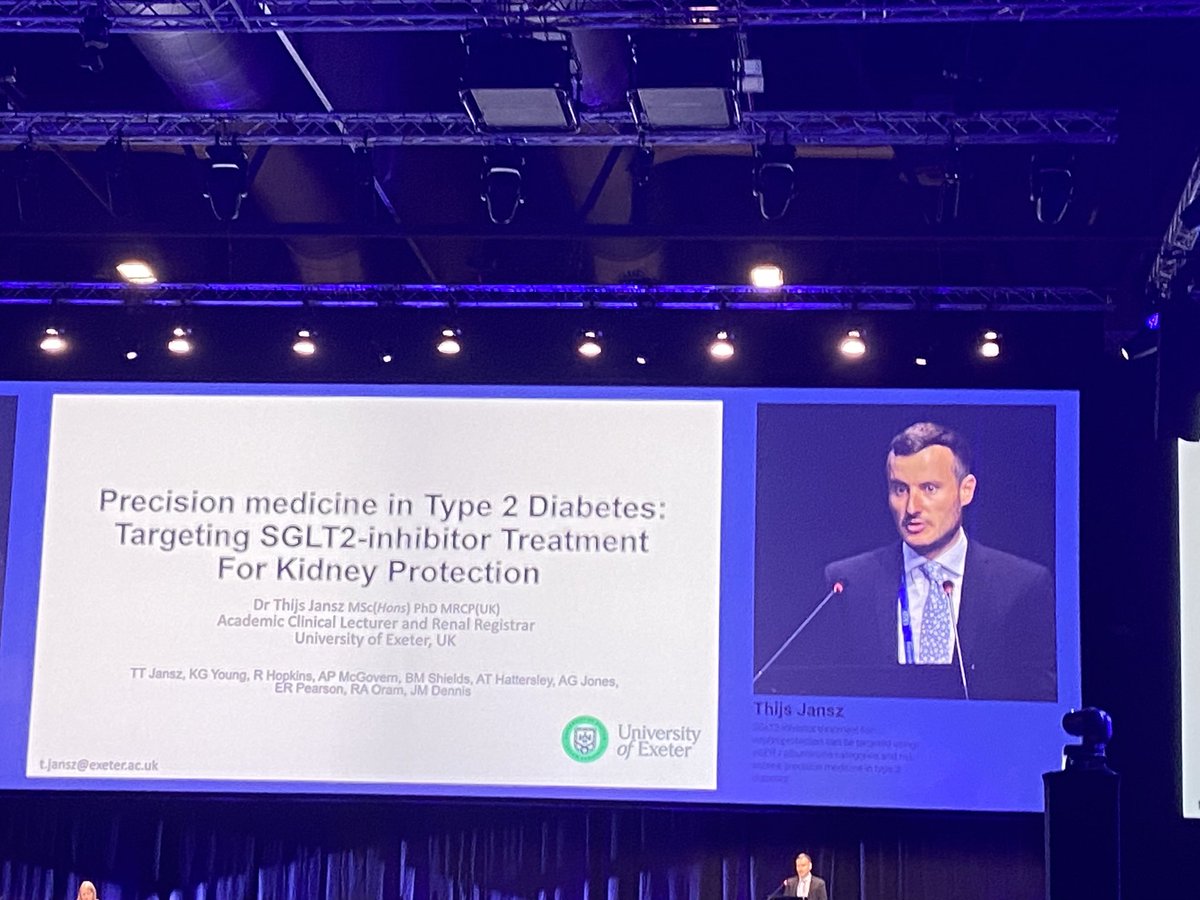
To prescribe or not to prescribe? #SGLT2 inhibitors slow #CKD progression but it's unclear who with #T2D and mild/no CKD truly benefits. This new model predicts individual benefit, supporting more targeted prescribing. #PrecisionMedicine https://t.co/UaYsA0Ertu 🔓@Exeter_Diabetes
The groundbreaking @Exeter_Diabetes 5-drug model accurately predicts the most effective glucose-lowering treatment for individuals with #Type2Diabetes
At #EASD2025 we hear that it's been updated to include semaglutide
Huge potential to transform #T2D care for millions globally
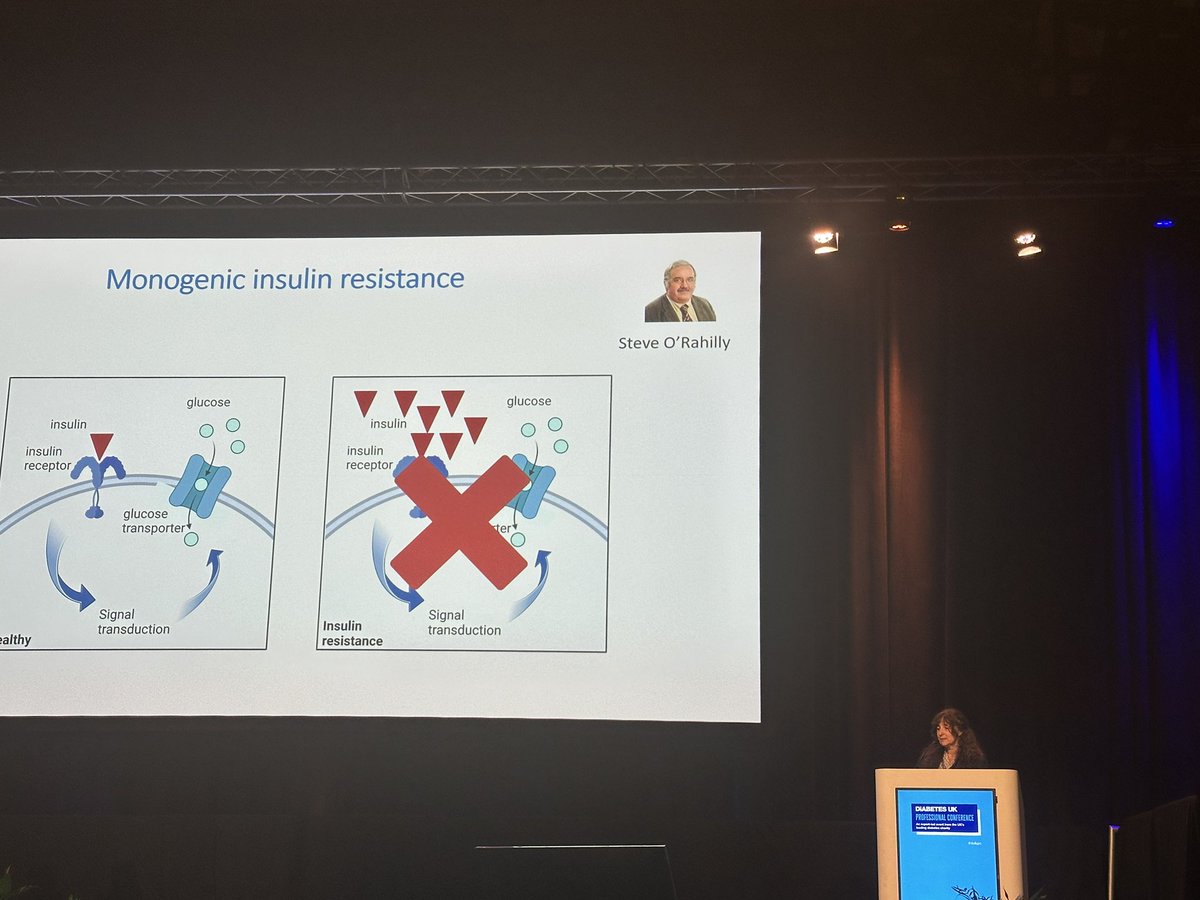
Next up on the stage of #DUKPC: Professor Ines Barroso @InesBarroso4 shares insights from her #research journey, showing how her expertise in genetics is helping to answer key questions for people living with #diabetes— all in her inspiring Dorothy Hodgkin Lecture. 🧬
Prof Andrew Hattersley’s powerful opener 💬 “I’ve been in diabetes research for 35 years and this is the most impactful and important bit of work I’ve been involved in.”
Read more: https://t.co/QTpEo0Xj8n
A five-drug class model using routinely available clinical features to optimise prescribing in type 2 diabetes: a prediction model development and validation study https://t.co/g5uk5LUaCR
📢 Can AI help pick the best glucose-lowering drug❓ "Computer says yes"
🔹 Machine-learning model predicts optimal therapy (GLP-1RA, SGLT2i, SU, DPP4i, or TZD)
🔸 Model-concordant Rx = 5.3 mmol/mol ⤵️ HbA1c at 12m vs. non-optimal choices
🔹 Better long-term outcomes: 38% ⤵️ glycaemic failure, 29% ⤵️ renal risk, 15% ⤵️ MACE-HF
🔸 Only 17.8% of UK patients currently get the model-predicted best drug❗️
👉 Time for AI-driven personalised prescribing in #T2D?
🔗 https://t.co/AAQPQniyYk
🔗https://t.co/cNCQIgacoo
We are hiring: a graduate research assistant and 2x postdocs for a diabetes project using advanced in vitro methods. Collab w/ @Thomaspiers and a cracking team of Co-Is
GDRA: https://t.co/Guzc2uq0Ec
PDRAx2: https://t.co/u3WsLsKY40
@ExeterMed#IPSC#Organoids#OOC
Fantastic #DataScience#PhD available @ExeterMed
Unlocking the Power of UK Hospital Data: Leveraging Machine Learning and Natural Language Processing for Clinical Research, with application in diabetes
Closing date 17th Sept - https://t.co/bfrVzCShKu or DM for further details
Precision medicine in type 2 #diabetes: the causal analysis by Güdemann et al demonstrates that SGLT2 inhibitors are effective in older adults with #T2D but increase genital infections and #DKA risk https://t.co/F4eYeybKNi 🔓 @ExeterMed@LGuedemann@angusgjones
We found 14 re-analyses that delivered evidence that we considered both credible and clinically important. Many of these were IPDMA, combining databases.
Among these 14, there were 10 simple ‘risk modeling’ studies. Interestingly, >half of these showed variation in both absolute AND relative effects across the different risk strata.
There were also 4 ‘effect models’, that more flexibly explored treatment interactions with individual variables for subgroup identification, with credible and clinically important results. These 4 have been validated externally. Most 'effect models', however, yielded 'exploratory' results awaiting confirmation--or more likely refutation.
3/x
UK primary care data suggests SGLT2i are effective in adults aged ≥70 years, but increase risk for genital infections and diabetic ketoacidosis @DiabetologiaJnl https://t.co/IFd3Mrpw99
New Comment from Katherine Young, John Dennis and Nicholas Thomas on the challenges of detecting childhood #diabetes in primary care. @ExeterMed
Read it here: https://t.co/hhohUe6xEm