Introducing SubQ - a major breakthrough in LLM intelligence.
It is the first model built on a fully sub-quadratic sparse-attention architecture (SSA),
And the first frontier model with a 12 million token context window which is:
- 52x faster than FlashAttention at 1MM tokens
- Less than 5% the cost of Opus
Transformer-based LLMs waste compute by processing every possible relationship between words (standard attention).
Only a small fraction actually matter.
@subquadratic finds and focuses only on the ones that do.
That's nearly 1,000x less compute and a new way for LLMs to scale.
🌍✨ We’re thrilled to welcome Dr David Adelani @davlanade, Assistant Professor at the @mcgillu McGill University School of Computer Science and Canada CIFAR AI Chair @CIFAR_News, as our invited speaker at this year’s Deep Learning Indaba in Lagos, Nigeria!
Dr Adelani will be delivering a talk on Monday, August 3rd, at 12:00 pm GMT+1 titled: Lessons from the Trenches: Building African-Centric LLMs for African Languages.
An award-winning researcher with over 50 publications, Dr Adelani has led the development of groundbreaking models like AfroXLMR and AfriqueLLM. His work is at the forefront of ensuring that low-resource African languages are prioritised in the global advancement of AI technologies.
Reflecting on the vision for his talk and the spirit of the Indaba community, Dr Adelani shares:
"Ultimately, this talk aims to inspire more African researchers to develop African-centric models tailored to their languages and real-world use cases."
Join us for this essential conversation on the future of African AI!
Registrations for the Virtual Indaba are still open! https://t.co/d74RjD6wC6
#DLI2026 #Indaba2026
Sunbird AI took home Best Paper at @Africa_NLP 2026 in Rabat!
Our research enables real-time spoken AI for Ugandan languages with 50ms latency.
📄 Paper: https://t.co/VxaQzhEj4k
🤗 Models: https://t.co/3TA6FzJEPp
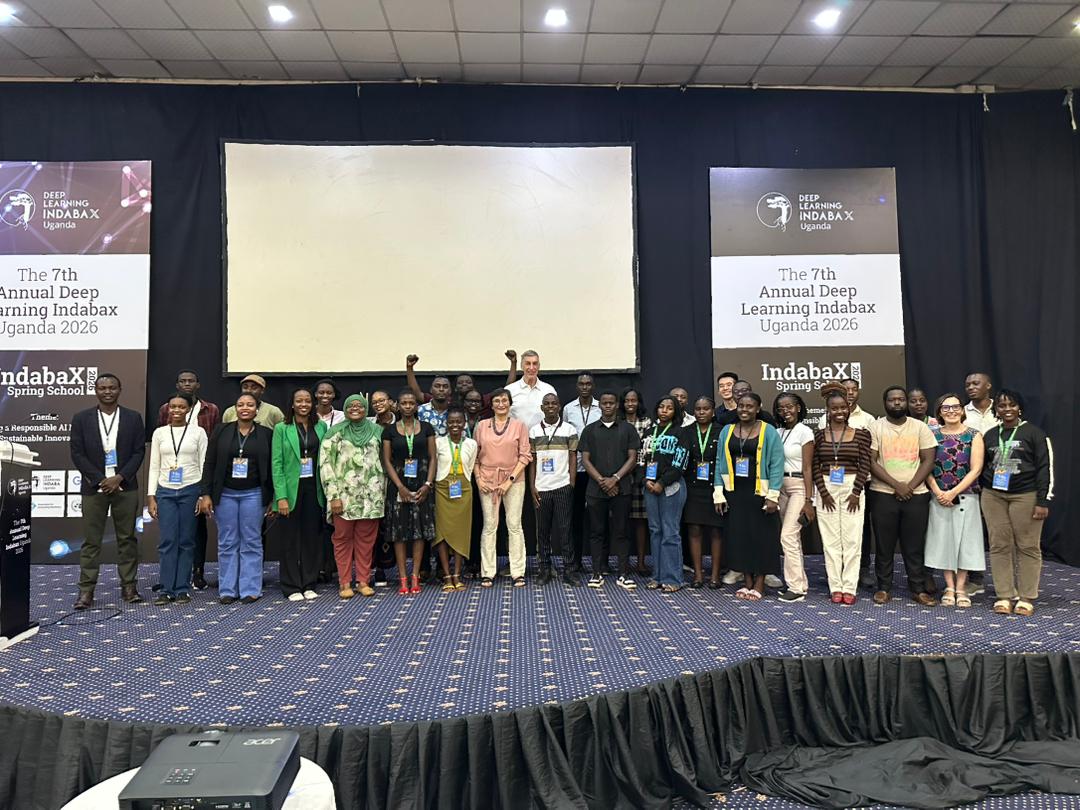
IndabaX Spring School 2026 – Participant Group Project Presentations.
Group Six (Beyond the Ambulance) explored how Agent-Based Modeling can be used to bridge the critical "Golden Hour" gap on Ugandan highways.
Their project, Beyond the Ambulance, focuses on leveraging a socio-technical Digital Twin to formalize informal responder networks. With road traffic fatalities on the rise and formal EMS response times often exceeding 45 minutes, the team investigated how the spatial density of Boda-boda riders can be used for rapid trauma stabilization.
Using the Mesa and NetLogo frameworks, their system simulates microscopic traffic dynamics and physiological health decay to identify the exact "Biological Deadline" where intervention is most effective.
From their simulation, the team discovered a 22-minute critical failure threshold. They observed that empowering local Boda-boda stages with first-aid skills can flip a 92% mortality rate to significant survival, proving that in resource-constrained environments, proximity and skill are more powerful than traditional ambulance fleet expansion.
Their work highlights how AI can inform national policy, specifically through their proposed NIERF Framework and a real-time dispatch app designed to turn our greatest traffic challenge into Uganda’s most effective life-saving network.
Group members: Phillip Ssempeebwa(@philldevcoder ), Jovia Nakazibwe, Allen Ayebare, PUTSHU LUNGHE Samuel
@DeepIndaba@Google@TheOfficialACM@UNUMACAU
#IndabaXUganda2026 #ResponsibleAI #AIForAfrica #Springschool2026
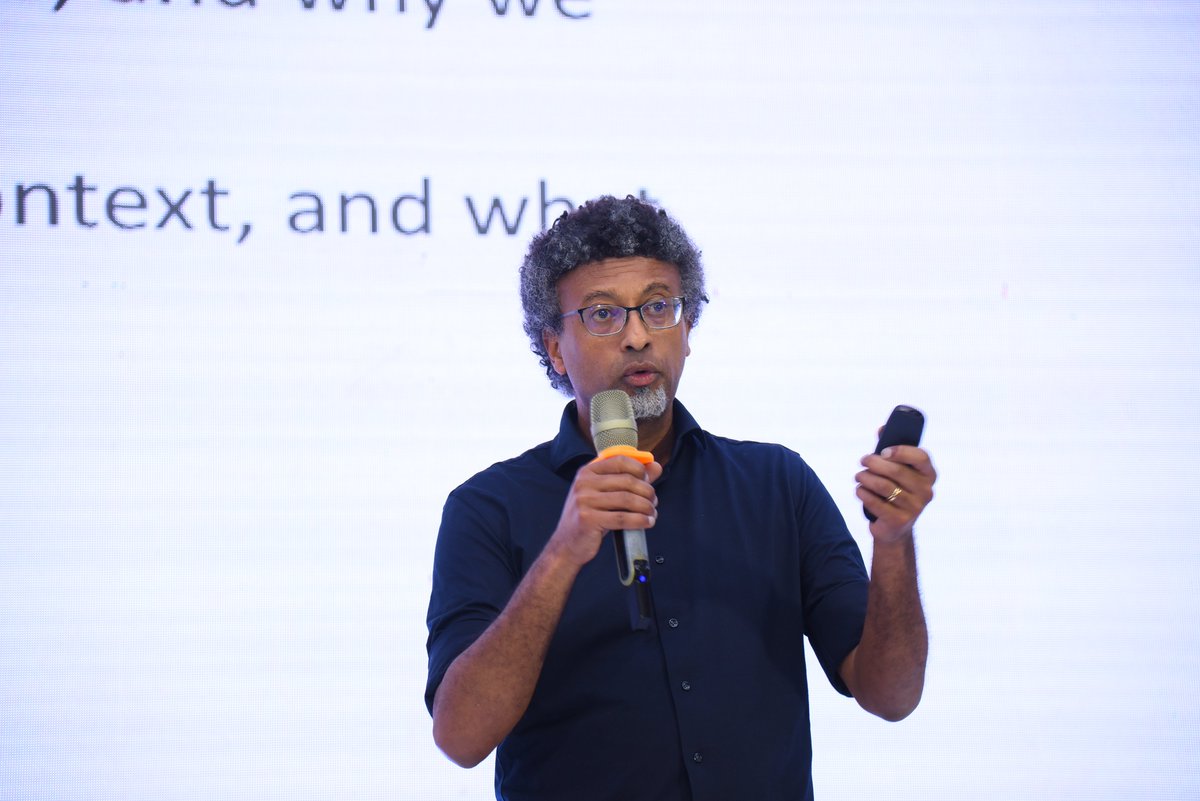
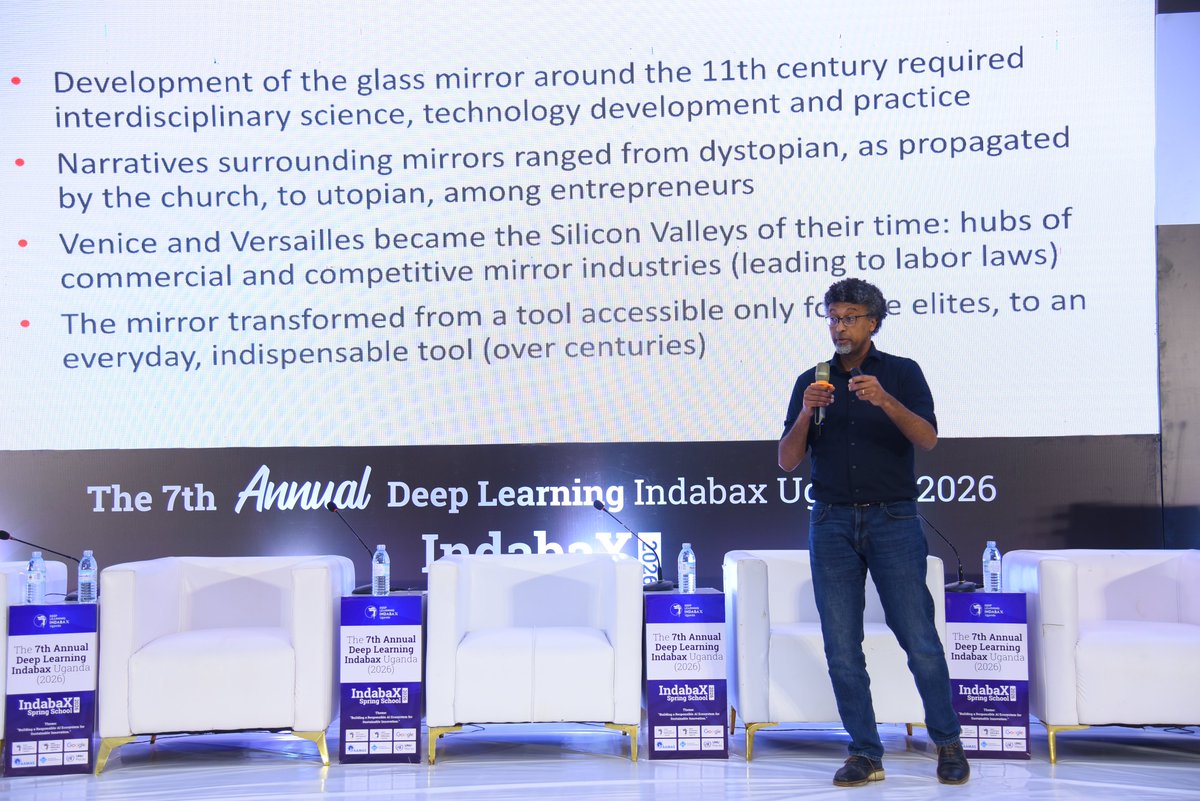
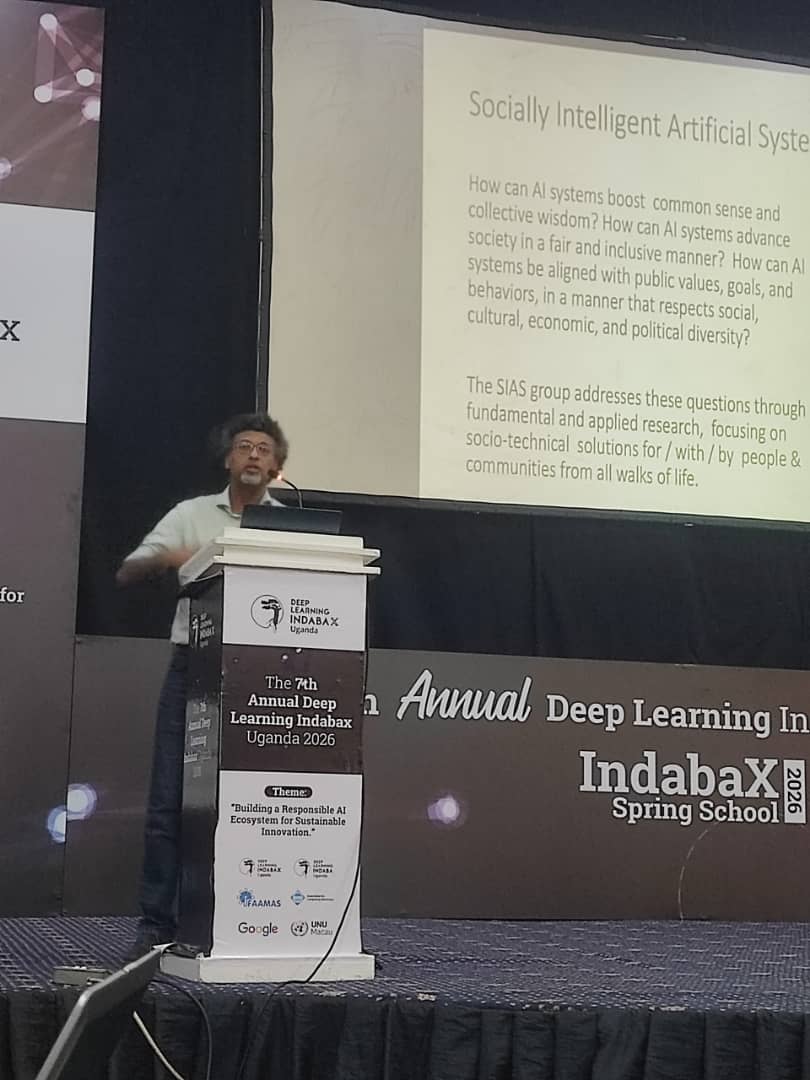
A deeply reflective talk from Professor Sennay Ghebreab on I and I and AI that looked at AI beyond the technical side and into its role in shaping society.
The talk explored AI as a kind of mirror, one that reflects our behaviors, values, and collective realities. But it also challenged us to go further, to use AI not just for reflection, but for introspection, imagination, and transformation.
It highlighted an important gap between the technical questions of how we build AI and the social questions of what values we embed and who benefits from it. These two sides are closely connected, yet often treated separately.
In the end, the message was clear: AI is not just about systems and data. It is about people, power, and the kind of society we choose to build.
@Google@DeepIndaba@TheOfficialACM@UNUMACAU
#IndabaXUganda2026 #ResponsibleAI #AIForAfrica #Springschool2026
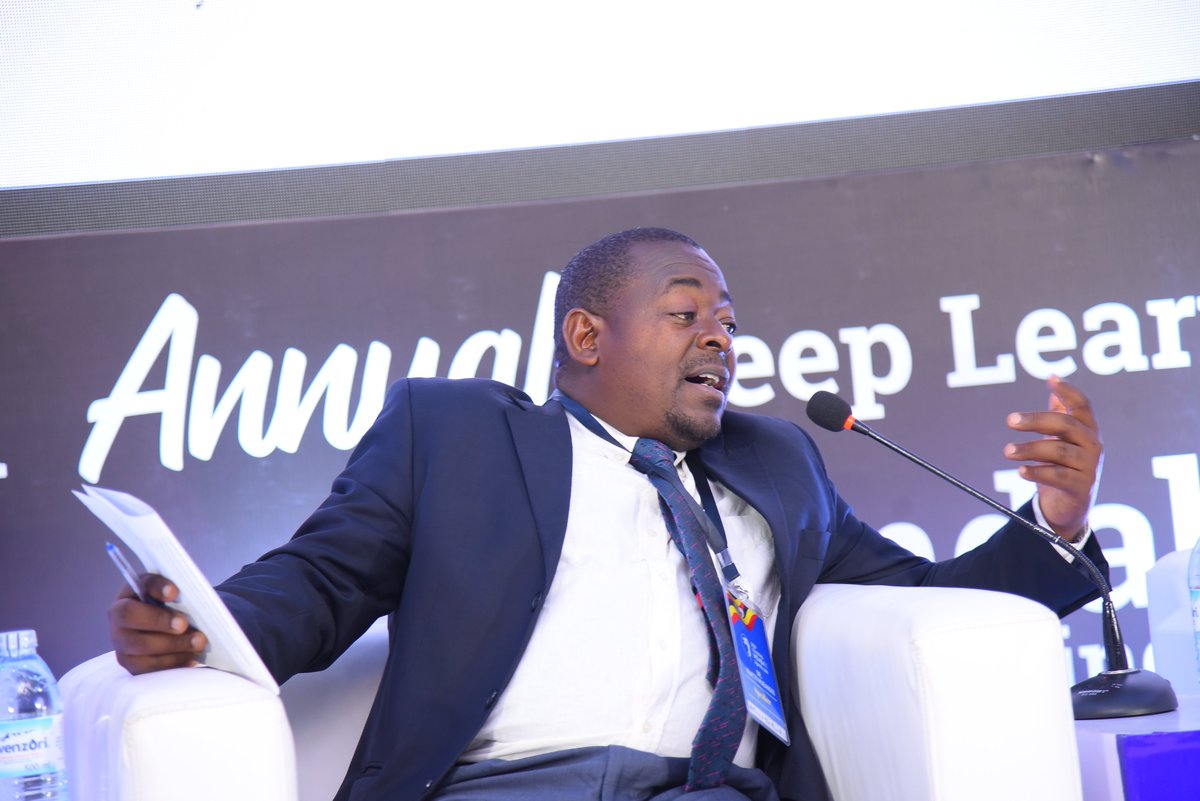
Panel Discussion: AI for Local Impact: From Prototypes to Policy at Deep Learning IndabaX Uganda 2026 is on🔥🔥.
A really engaging conversation on what it takes to move AI from ideas to real-world impact.
One clear message is that building impactful AI requires stronger collaboration between researchers, industry, and communities. It’s not always the easiest path, but it’s the one that leads to meaningful solutions.
The discussion also highlighted the need for inclusive design from the start, continuous evaluation in real-world settings, and thoughtful regulation that supports innovation while ensuring responsibility.
At the core of it all is a simple idea: AI only matters if it works for people and within their context. @irenemutuzo.
@DeepIndaba@Google@TheOfficialACM@UNUMACAU@mmubangizi15@BitsClarybits@j_nabende
#IndabaXUganda2026 #ResponsibleAI #AIForAfrica #Springschool2026
Invited talk by Dr. Irene Nandutu - @irenenanduttu on Strengthening Africa’s AI Research Capacity is on right now.
A really important conversation on where Africa stands in the AI space.
One thing that stood out is that it’s not enough to just use AI, we need to build, research, and create value locally.
It’s clear that investment in infrastructure, education, and collaboration will play a big role in shaping what that future looks like.
@DeepIndaba@Google@TheOfficialACM@UNUMACAU
#IndabaXUganda2026 #ResponsibleAI #AIForAfrica #Springschool2026
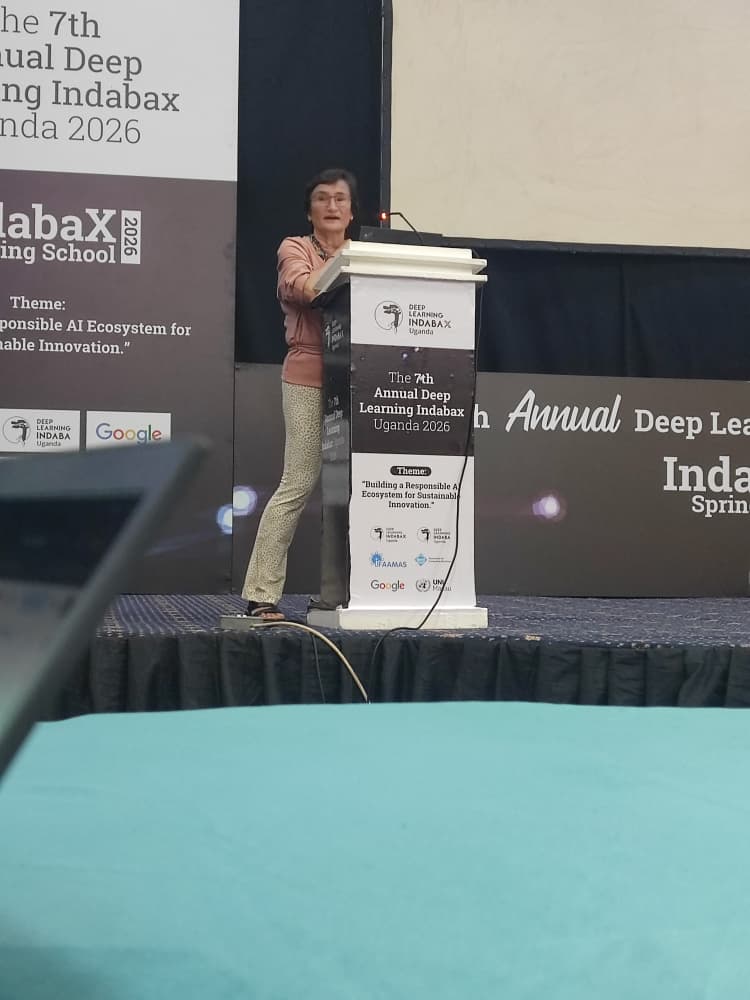
Following the morning break, Frank Dignum and Virginia Dignum led an in-depth exploration into the foundations of Agentic AI at the #IndabaXUganda2026 Spring School.
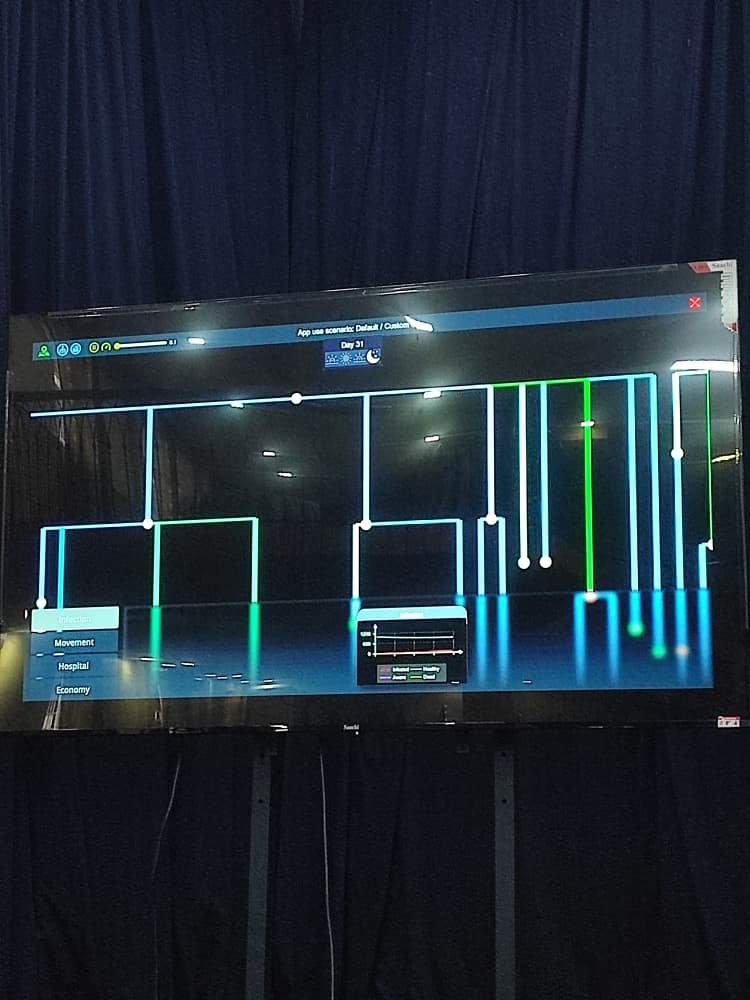
The session focuses on a critical paradigm shift: moving beyond simple technical data to modeling human needs, social integration, and core values. By examining epidemiological structures and needs-integration models, we are learning how AI can simulate the true complexity of human society.
Frank highlighted several high-impact application areas where these models are currently being deployed:
🔹 Refugee logistics and informal settlements
🔹 Mining disaster management
🔹 Monitoring pesticide use and climate adaptation
🔹 Public health through epidemiological modeling
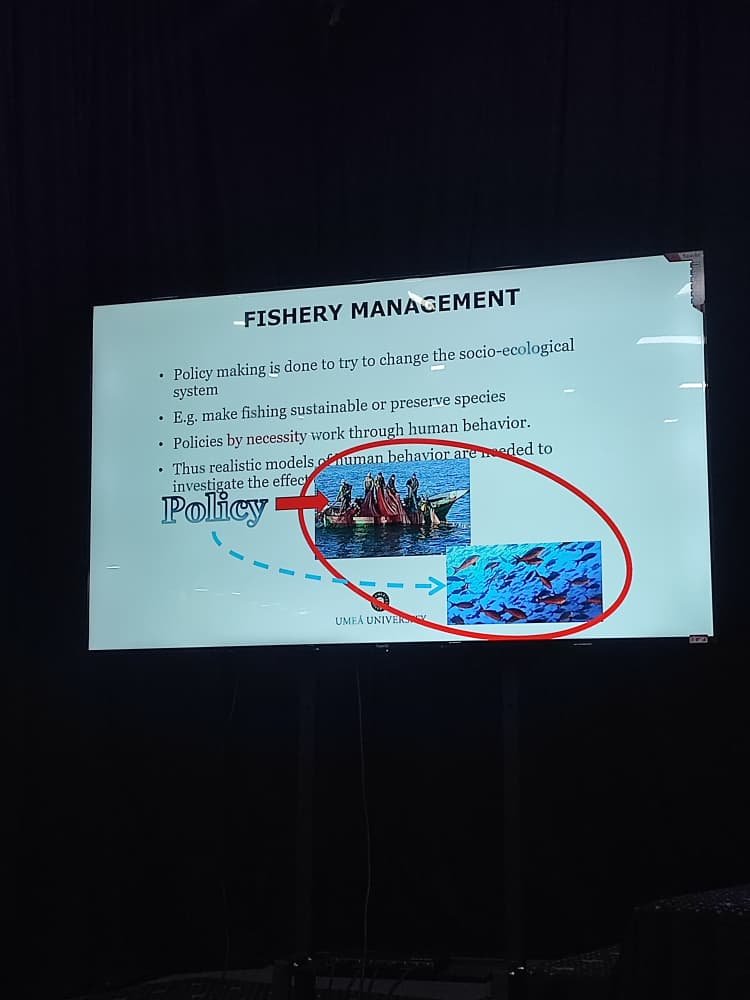
We proceed with practical sessions, using NetLogo to build living simulations. From biological systems like fish populations to intricate social networks, our researchers are learning to develop AI that is not only intelligent but socially responsible.
@frankdignum@umeauniversity@DeepIndaba@UNUMACAU@GoogleDeepMind@makerereAI@MasakhaneNLP@AIR_lab_MUK
#IndabaXUganda2026 #AIinAfrica #ResponsibleAI
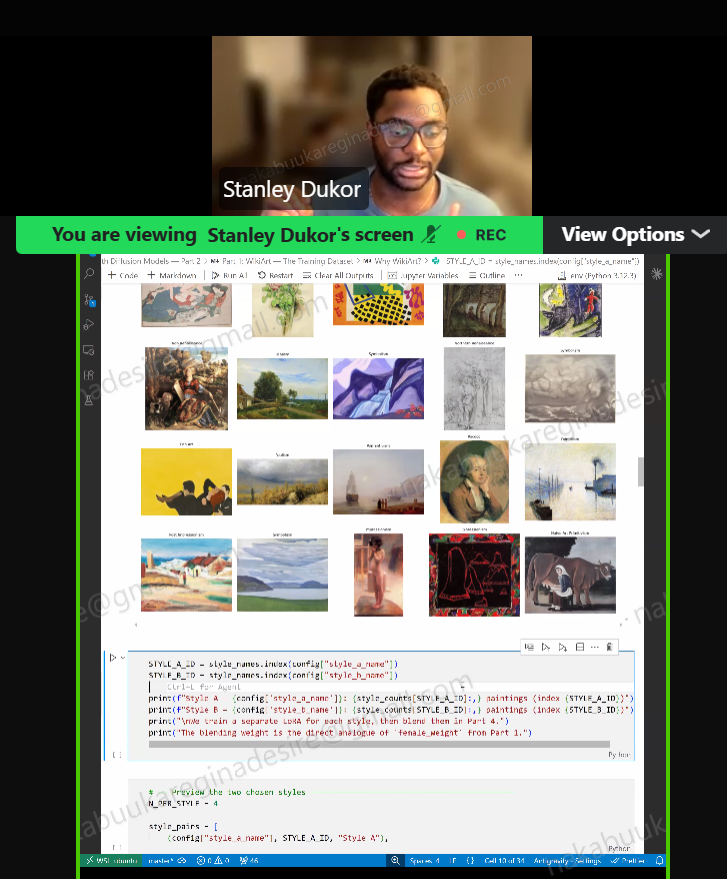
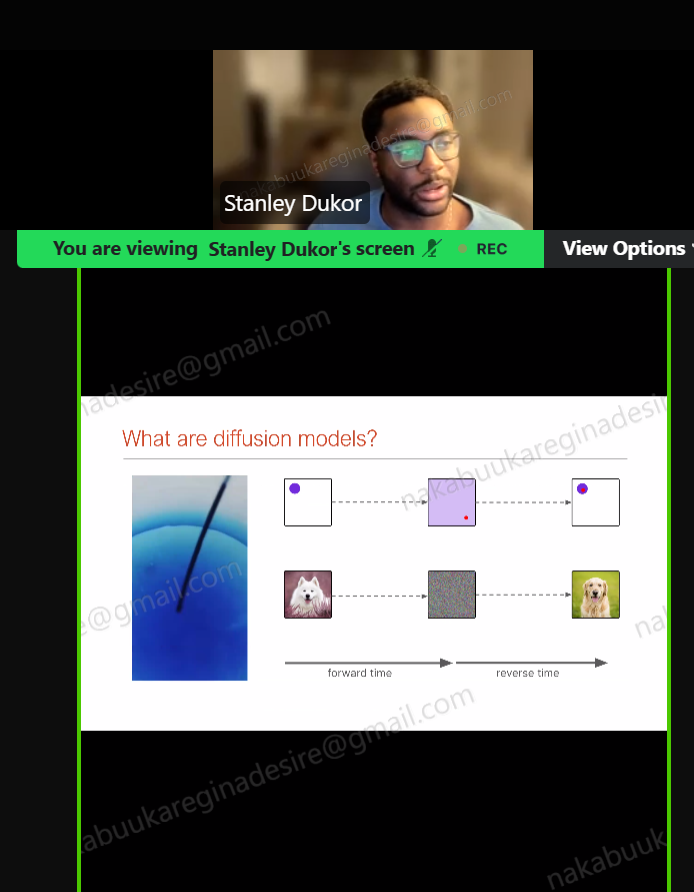
The session on Hands-On with Diffusion Models, facilitated by Dukor Stanley - @stanleydukor , explored how diffusion models generate data by learning to reverse noise step by step.
Participants were guided through key concepts like DDPMs and generative modeling, along with a walkthrough of the notebook showing how these models are built, trained, and used for image generation.
A very insightful session into one of the most exciting areas in generative AI today. 🔥
@DeepIndaba@UNUMACAU@Google@TheOfficialACM@makerereAI@MasakhaneNLP
#IndabaXUganda2026 #AIinAfrica
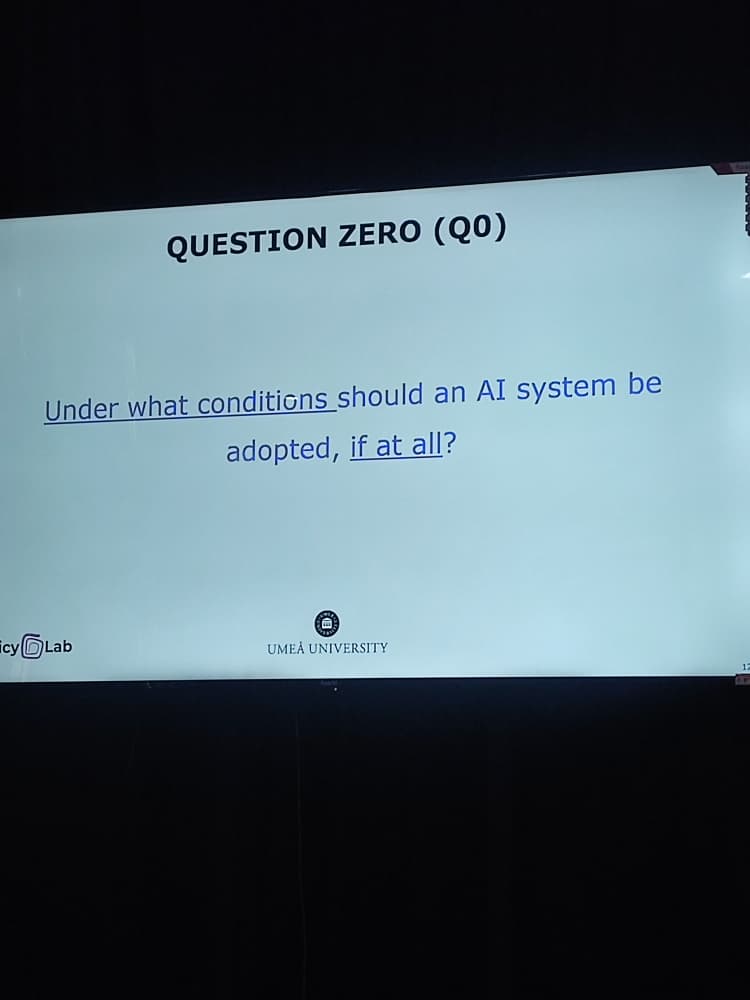
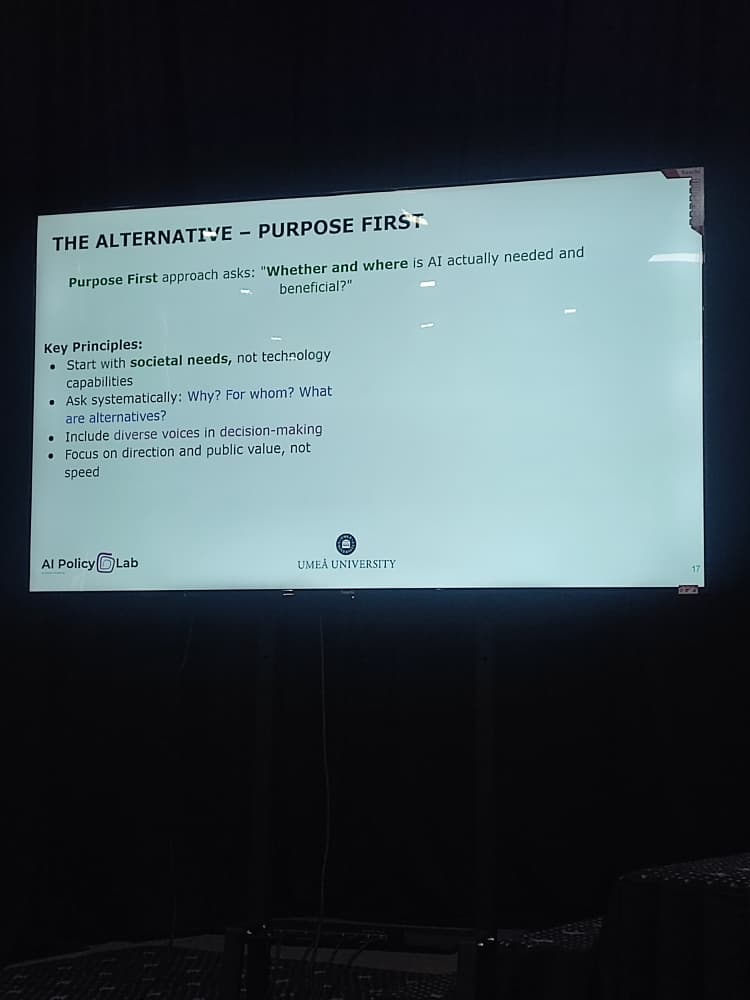
Starting with the Problem, Not the Technology
In her session earlier this morning, Professor Virginia Dignum challenged us to rethink how we approach AI development.
One key idea stood out:
Technology is not inevitable. We shape it, and we have the power to choose how it is used.
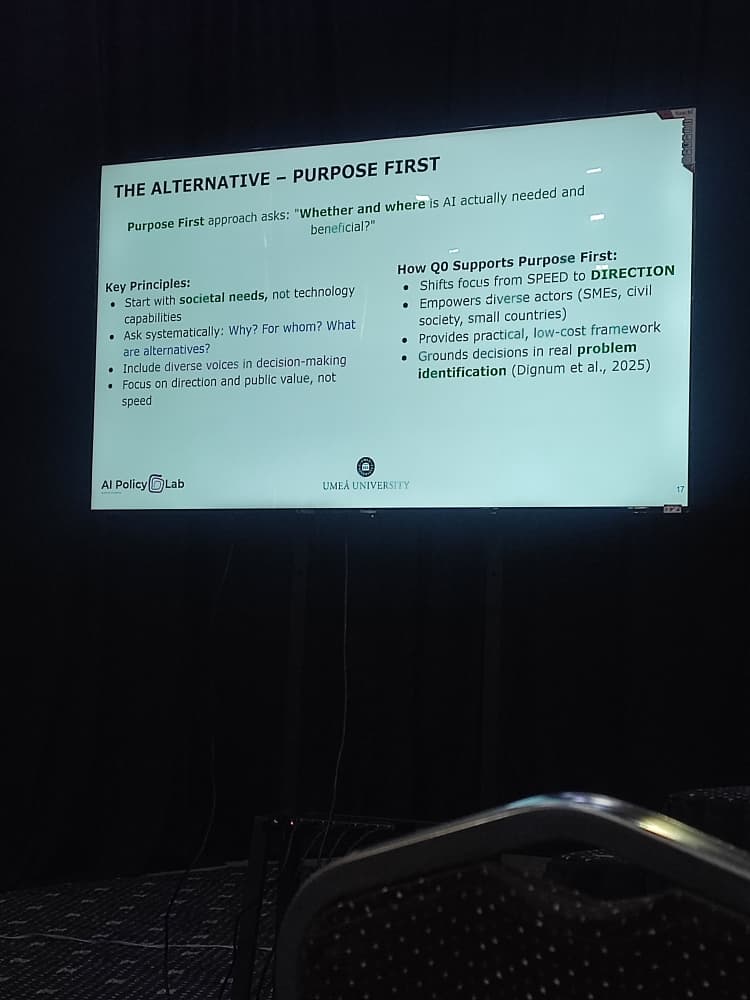
Instead of rushing into an “AI-first” approach, the session introduced a “purpose-first” mindset that puts real societal needs at the center.
Key takeaways:
- Start with the problem, not the technology
- Ask the right questions: Why are we building this? Who is it for? Are there better alternatives?
This session reminded us that responsible AI is not just about what we can build, but about what we should build.
@DeepIndaba@UNUMACAU@Google@TheOfficialACM@makerereAI@MasakhaneNLP
#IndabaXUganda2026 #AIinAfrica
Can AI Really Be Fair?
In this session, Professor Virginia Dignum explored the real-world challenges of using AI in sensitive areas like education and hiring.
From moderating student interactions to screening job applicants.
Key takeaways:
- Local context matters, especially when understanding language, behavior, and intent
- In areas like hiring, AI can inherit and amplify past biases from historical data.
- Responsibility and oversight should not rely on one group alone, it requires shared accountability
We must think carefully about privacy, fairness, and emotional impact, especially when AI involves people.
Why it matters:
AI is not neutral. The way we design and use it can shape outcomes, sometimes in ways we don’t expect.
This session reminded us that building AI systems means making choices about values, responsibility, and fairness.
@DeepIndaba@UNUMACAU@Google@TheOfficialACM@MasakhaneNLP
#IndabaXUganda2026 #ResponsibleAI #AIForAfrica #EthicalAI #SpringSchool2026
The Agents in Practice session with Professor Sennay Ghebreab, was a reminder that AI is not just technical, it’s deeply social.
From how systems like transport networks shape access and opportunity, to how AI models optimize decisions, one thing stood out: what works best for a system doesn’t always work best for everyone.
Even with advanced methods like reinforcement learning, outcomes can differ across groups, raising important questions about fairness, inclusion, and who truly benefits.
As we build AI, the question is no longer just “does it work?” but “who does it work for, and who might it leave out?”
@DeepIndaba@Google@UNUMACAU@TheOfficialACM
#IndabaXUganda #AIforGood #ResponsibleAI #SpringSchool
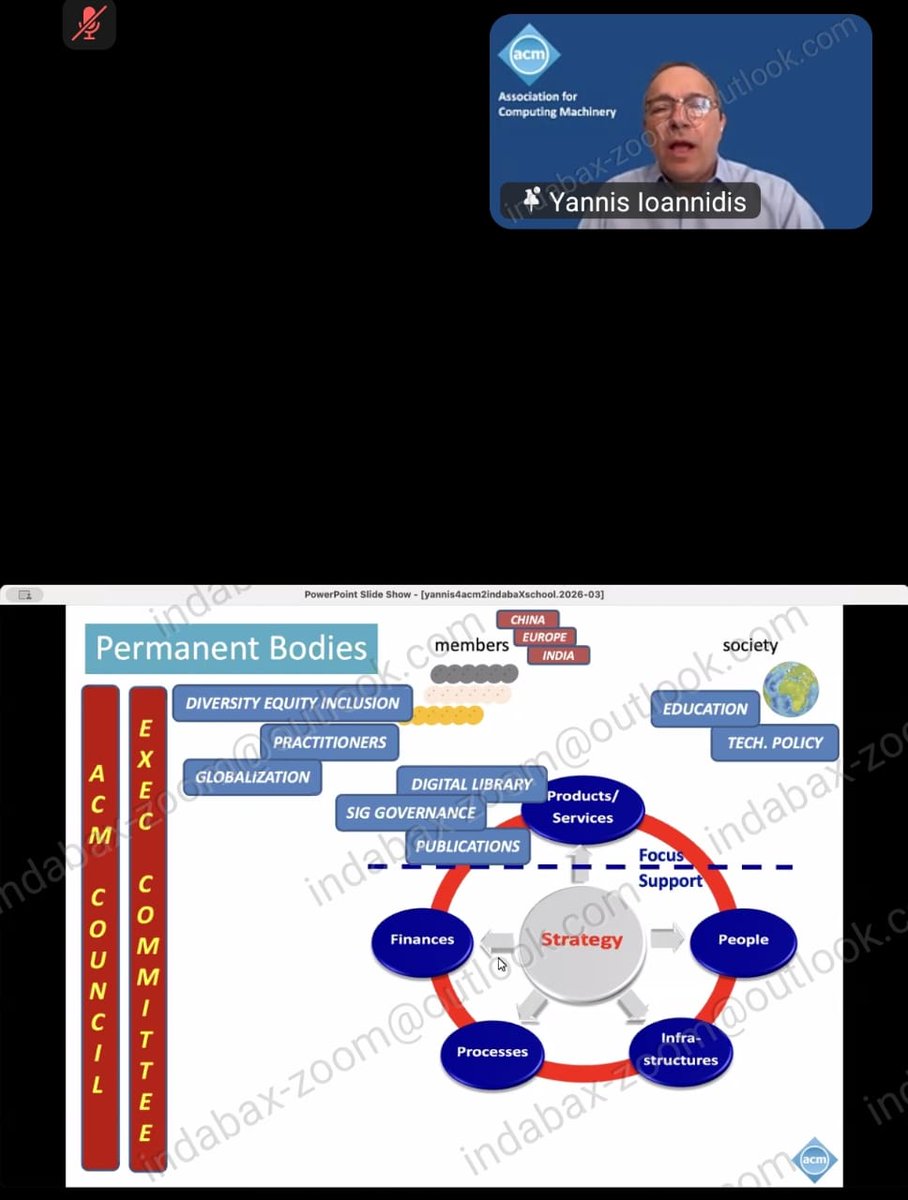
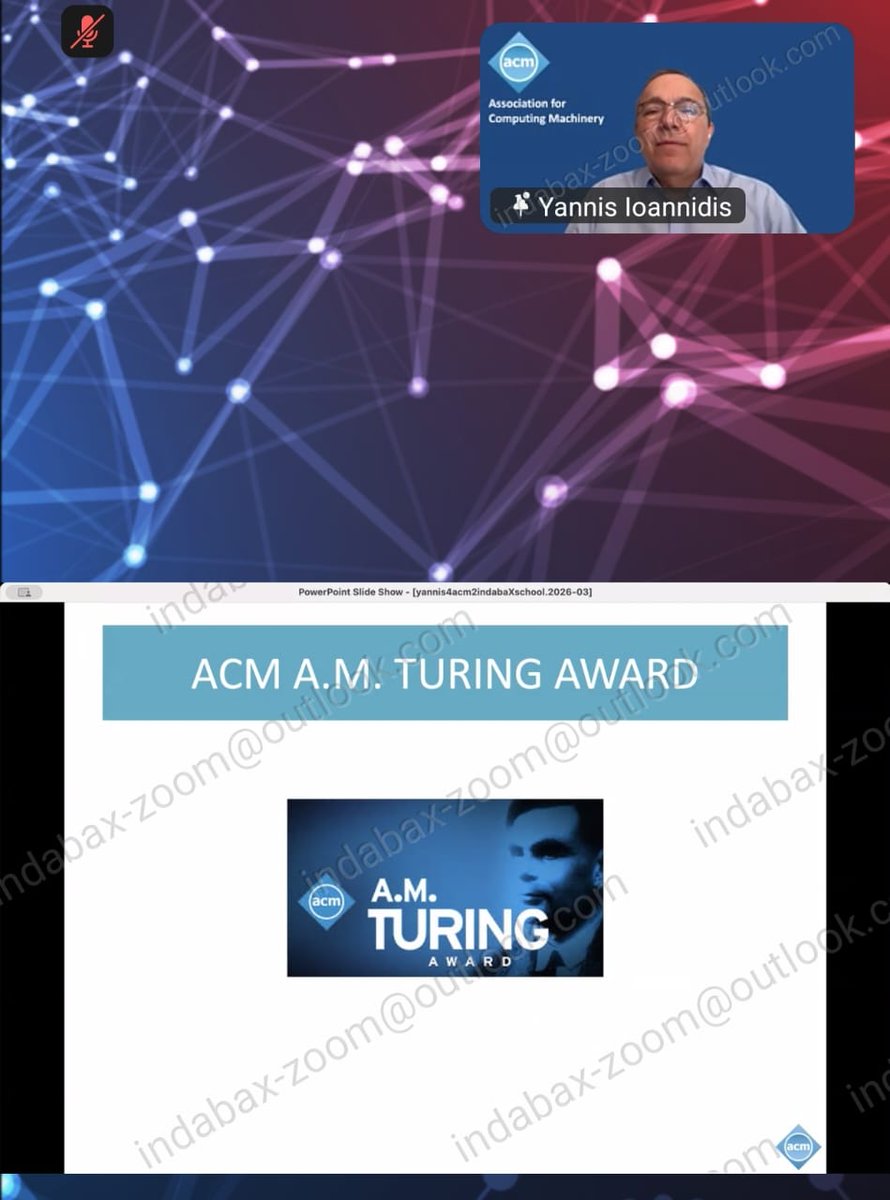
Happening now at the Deep Learning IndabaX Uganda and the Spring School.
We’re currently in an engaging session on AI Without Borders with Professor Yannis Ioannidis, President of the Association for Computing Machinery - @TheOfficialACM .
One key theme already coming through is how AI is everywhere, but access is not equal. The conversation is pushing us to think about how we build AI that benefits everyone, not just a few.
More insights coming in
@DeepIndaba@Google@UNUMACAU
#IndabaXUganda #AIWithoutBorders #AIForAll
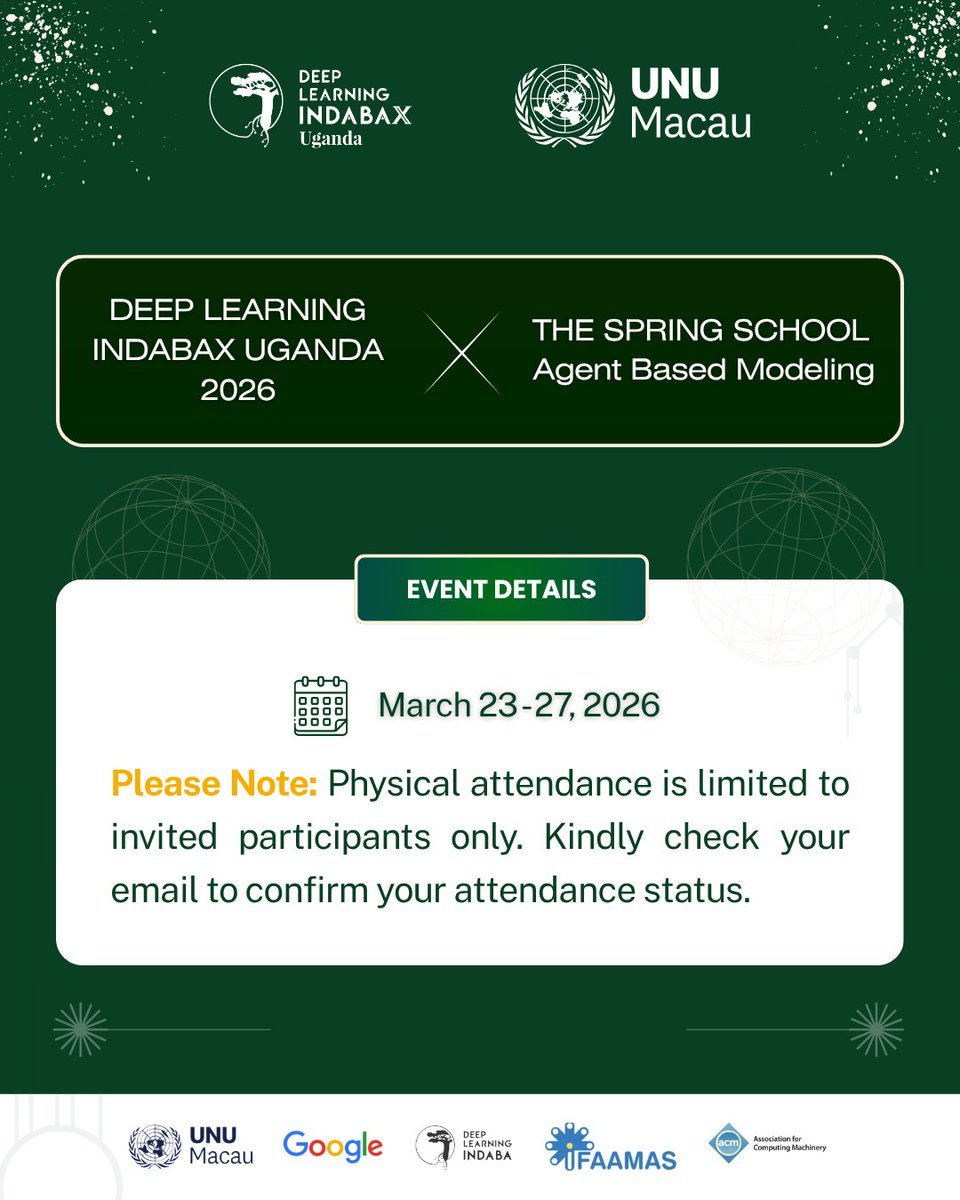
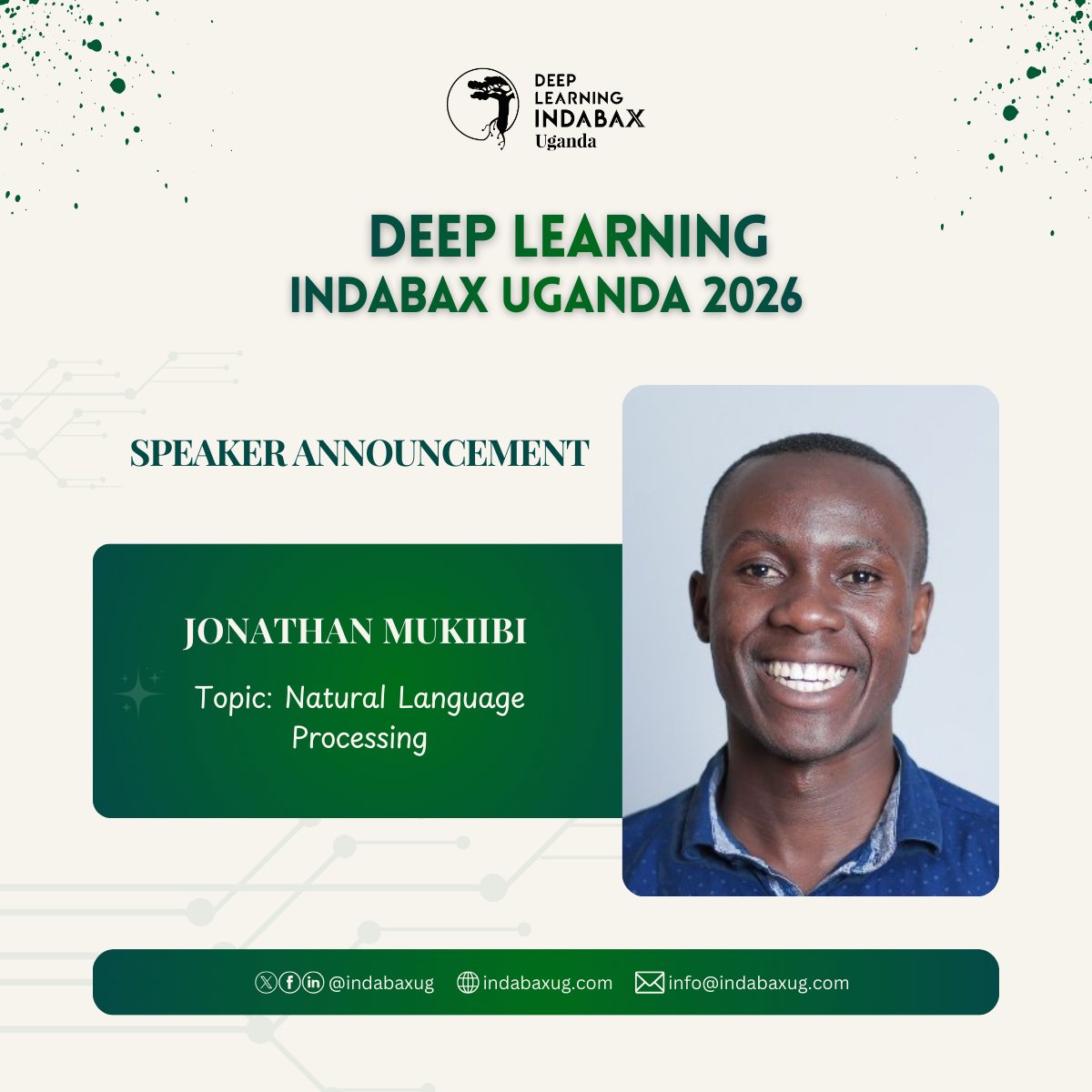
As we approach Deep Learning IndabaX Uganda 2026, here are a few important details to keep in mind.
📅 March 23–27, 2026
Physical attendance: Kindly check your email to confirm your attendance status as it's limited to invited participants only.
We look forward to having everyone who will be joining us either for the physical or virtual sessions.
@DeepIndaba@UNUMACAU@Google@TheOfficialACM@ZindiAfrica@makerereAI@MasakhaneNLP@AIR_lab_MUK
#IndabaXUganda2026 #AIinAfrica #ResponsibleAI
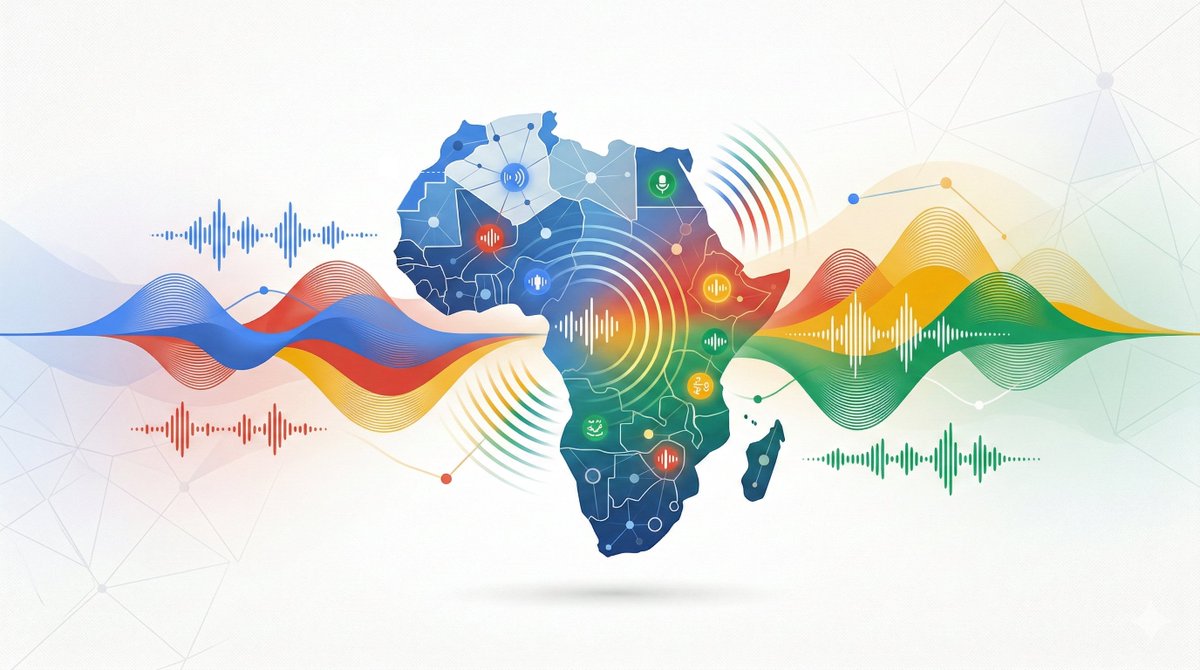
The biggest barrier for AI applications in Africa isn't model complexity -- it's the scarcity of data for the 2000+ spoken languages there.
We just released WAXAL. This open-access dataset delivers 2,400+ hours of high-quality speech data for 27 Sub-Saharan African languages, serving 100M+ speakers. Crucially, this community-rooted effort — led by African organizations — changes the roadmap for truly inclusive voice AI.
Learn more and check out the WAXAL dataset here: https://t.co/OVrDvZq4bl
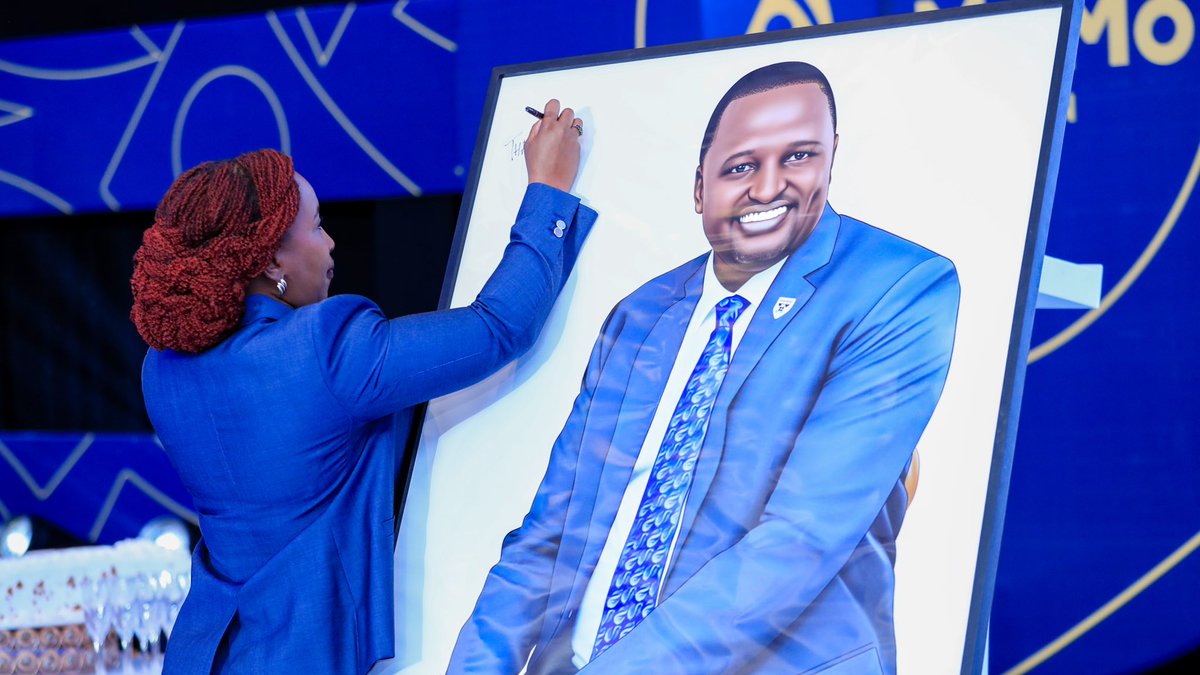
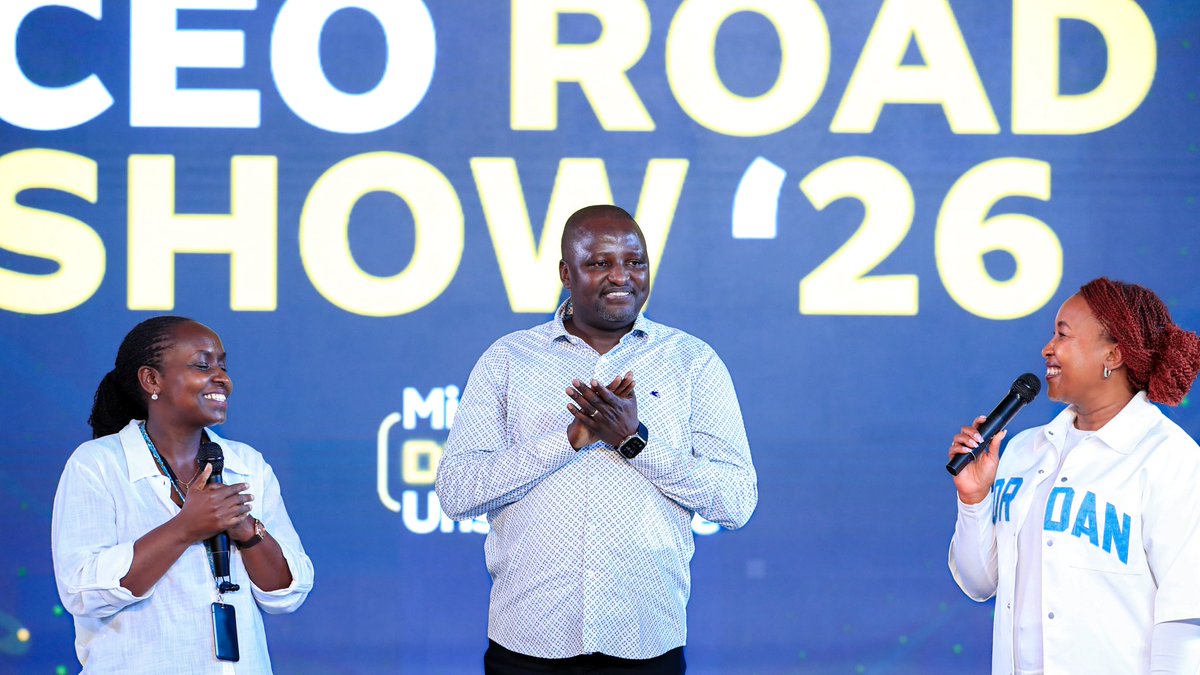
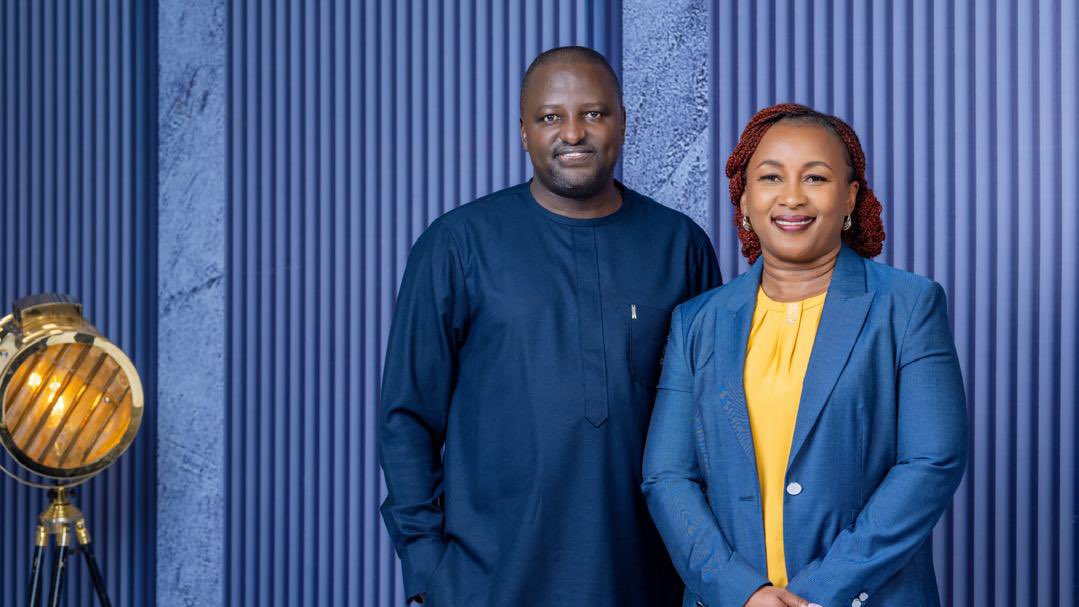
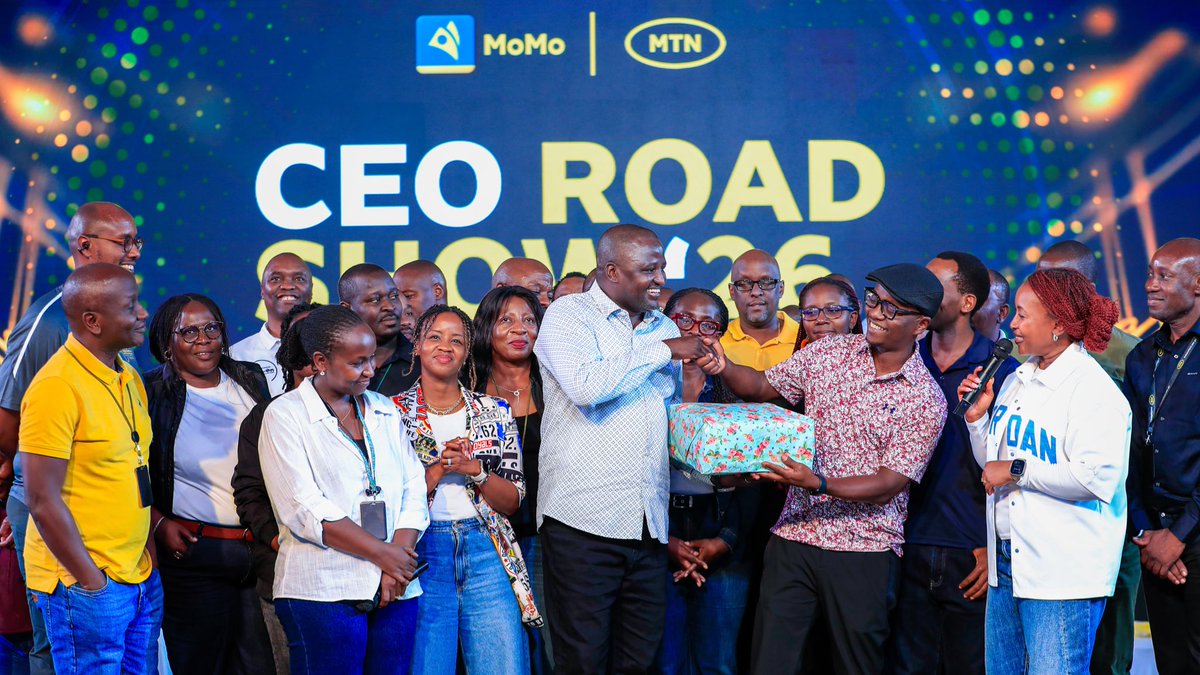
.@yego_richard, as you transition into the next phase of your life, I want to take a moment to appreciate you!
Over the past three years, we have worked closely together through important moments for @mtnmomoug and for the wider @mtnug family to build a business that has driven digital access and financial inclusion for many Ugandans.
You stepped into the role at a pivotal time, as MTN Mobile Money (U) Limited became a regulated, standalone Fintech and have not only led operations but also played a significant part in building the institution that have shaped our MoMo business into what it is today.
It has been a privilege working alongside you. Your commitment and ability to bring out the best in people have shaped this company in meaningful ways. You leave behind a strong legacy, and you will be greatly missed. Thank you for your partnership and for the legacy you leave behind. You depart having built a stronger institution and a clear path for the future.
On behalf of the Board and the entire MTN family, we thank you. God speed and bless your next chapter and season.