Our 💻x🧫 collaboration @YYZscientist@UHN_Research with ATOMS lab @UofTEngineering is out @PNASNexus. We shows the correlation ⛓️ between the interstitial flow🚰 variability and the microvessel dimension 🪢📐variability across different size scale in vitro. Enjoy reading 📖!
In the quest to engineer large tissues for transplants, preserving flow conditions during vasculature scale-up can be tricky. A computational–experimental framework can help predict interstitial flow, allowing effective pre-vascularization. In @PNASNexus: https://t.co/jN4bEFvyeD
New paper from the lab!
https://t.co/g9fWFJzv3X
We find that protein degradation is broadly slower in human segmentation clock cells than in mouse cells, regardless of the degradation pathway or protein category!
1/
I think I’ll start posting about the lessons I’m learning as part of this new thing I’ve been doing (my attempt to change the landscape of scientific publishing and consequently how science is done)
One lesson I’ve learned (and also unlearned…) is that it’s very convenient to put all the blame on journals. I’ve done it myself for years. And yes, many of the criticisms are valid. They make way too much money at our expense and are often not very good at distinguishing good science from bad science. Some of them (not all of them! There are good journals too!) bring very little value and can even slow scientific progress. They can be inefficient and biased, and journal names are a very poor substitute for quality.
But the more I work on this, the harder it is for me to believe that journals are the only problem (even specifically when it comes just to publishing science). Universities are equally at fault. And I don’t just mean that we, the scientists doing the reviewing, are part of the problem (which we are, obviously). I mean the institutions we belong to, and the way they make decisions. Hiring, promotions, funding allocation - these processes are often opaque, subjective, and not particularly scientific. They are slow, inefficient, and they rely on journal brands as a shortcut.
I used to think journals were driving this, but it’s obviously more like a loop. Journals could not stay the way they are if universities changed how they evaluate quality, because they would lose much of their justification to exist. But universities do not evaluate science directly, because there is too much of it and not enough experts available and time (or money to pay reviewers). So they rely on journal prestige, while journals rely on institutional reputation. Where you do your science ends up mattering more than what you discover, and this affects publication, which affects funding, which determines whether you can even pursue your ideas.
This can be exploited, of course, but I don’t think institutions (or the responsible faculty/management) behave this way because they are evil or greedy. They do it because evaluating science properly is ridiculously hard and time-consuming, and the system does not reward doing it well.
But the important question is can we change the way our universities work, or is it an impossible task? What I've learned working on this problem is that we can. In addition to engaging with management we can influence the system in other ways. In many cases we don’t need their approval. We are the ones who form the committees. I believe we can break the loop, if we target the mechanism of science evaluation. Journals will keep their power, shortcuts will keep dominating, and the same biases will keep reproducing themselves unless we change how we evaluate science (how we do review). If we can find ways to critically evaluate science at scale, rigorously and transparently, we can change how decisions are made.
Living tissues can withstand immense forces, but no organ is quite as lively or forceful as the heart. The zebra fish heart — which is about the size of a poppy seed — beats 150 times per minute. It expands nearly twice its size and then contracts with each rhythmic pulse.
https://t.co/m6Bnhqrpo6
📢 Don't miss out on this great resource!
Scientists generated a time-series endothelial resource covering the entirety of mouse embryonic development, including 26 time points and 8 organs.
📍 Now in @CellCellPress: https://t.co/tDU7RvHcEi
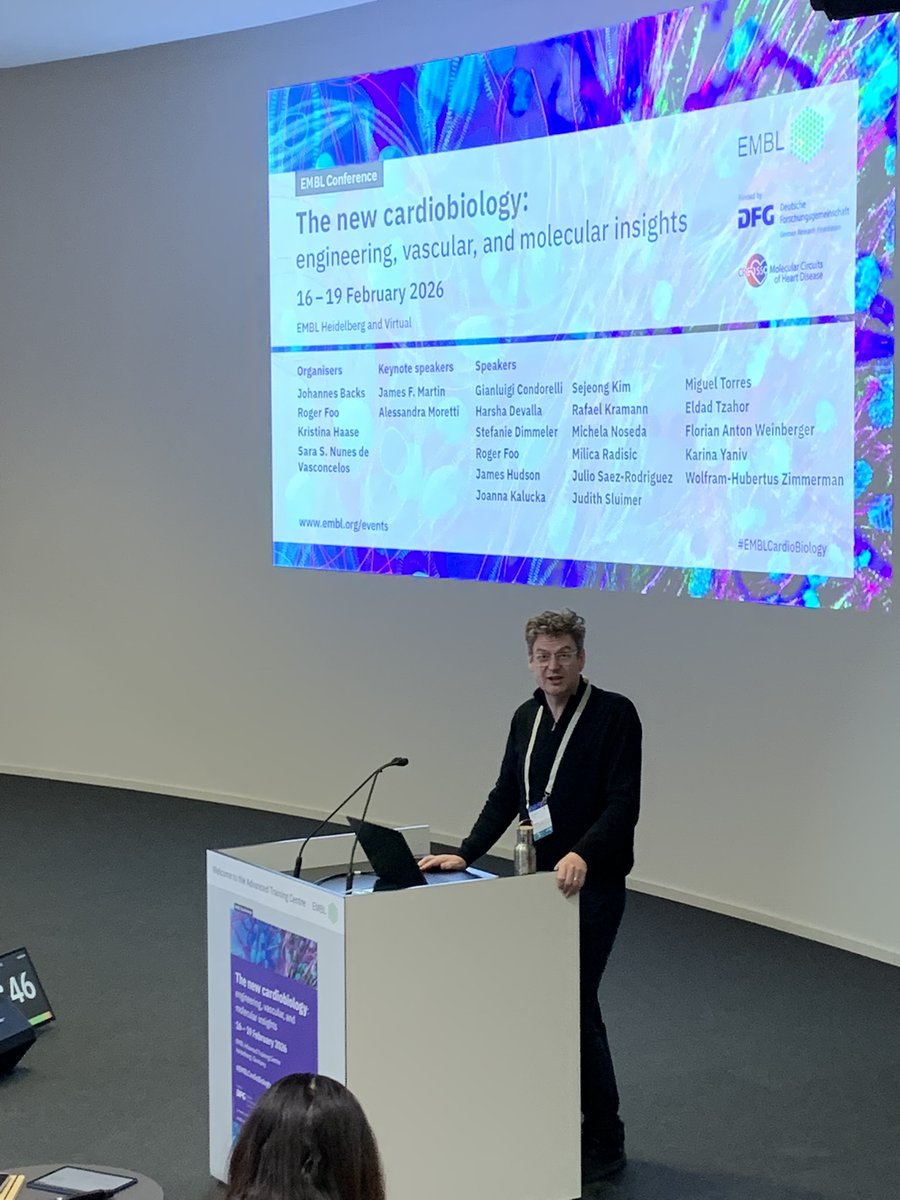
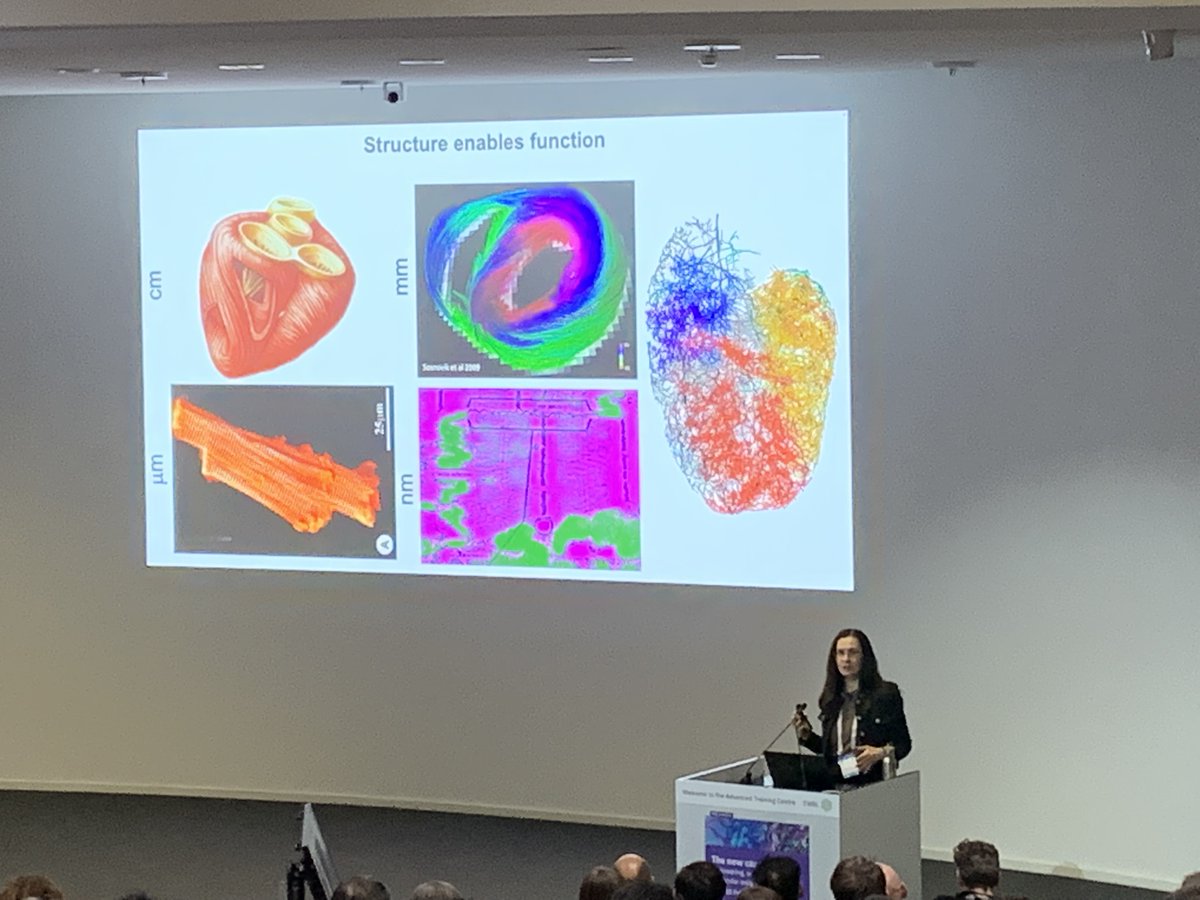
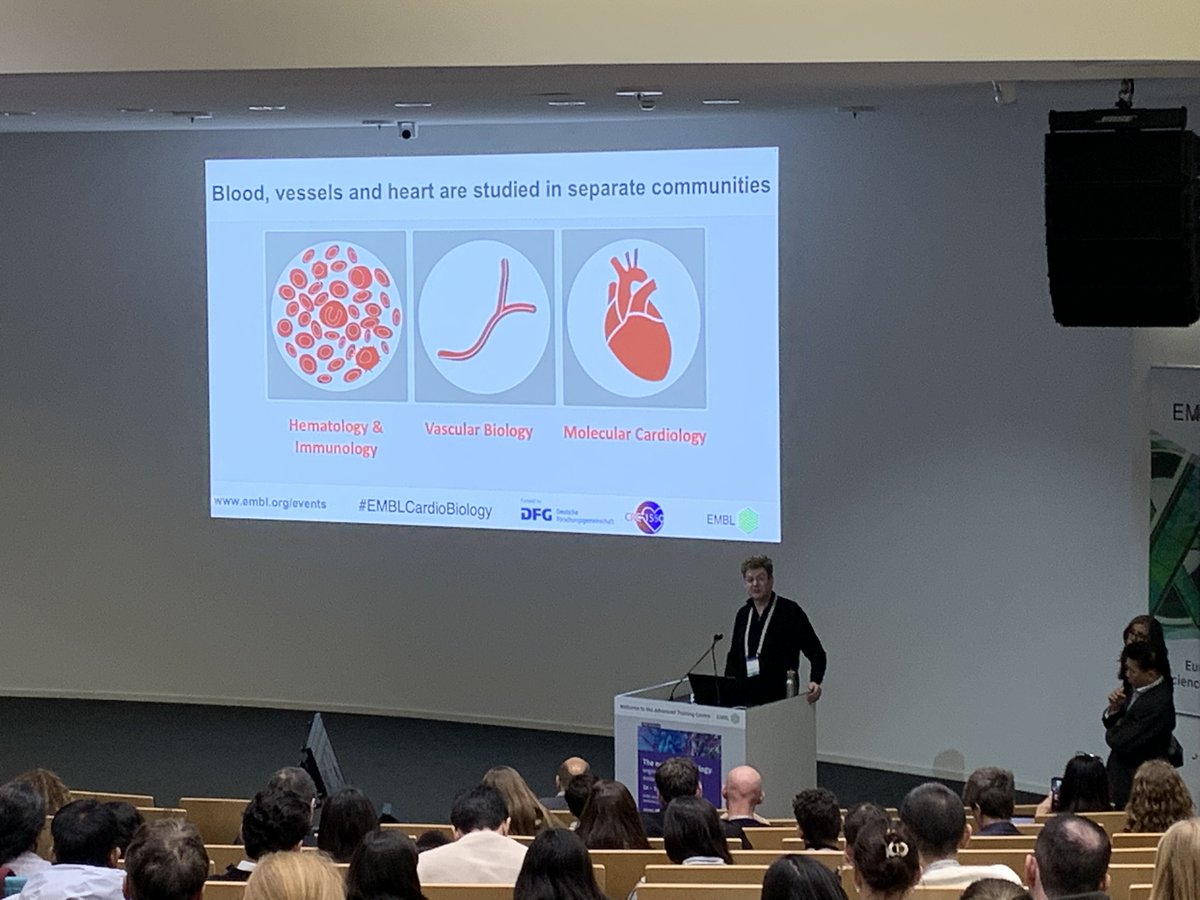
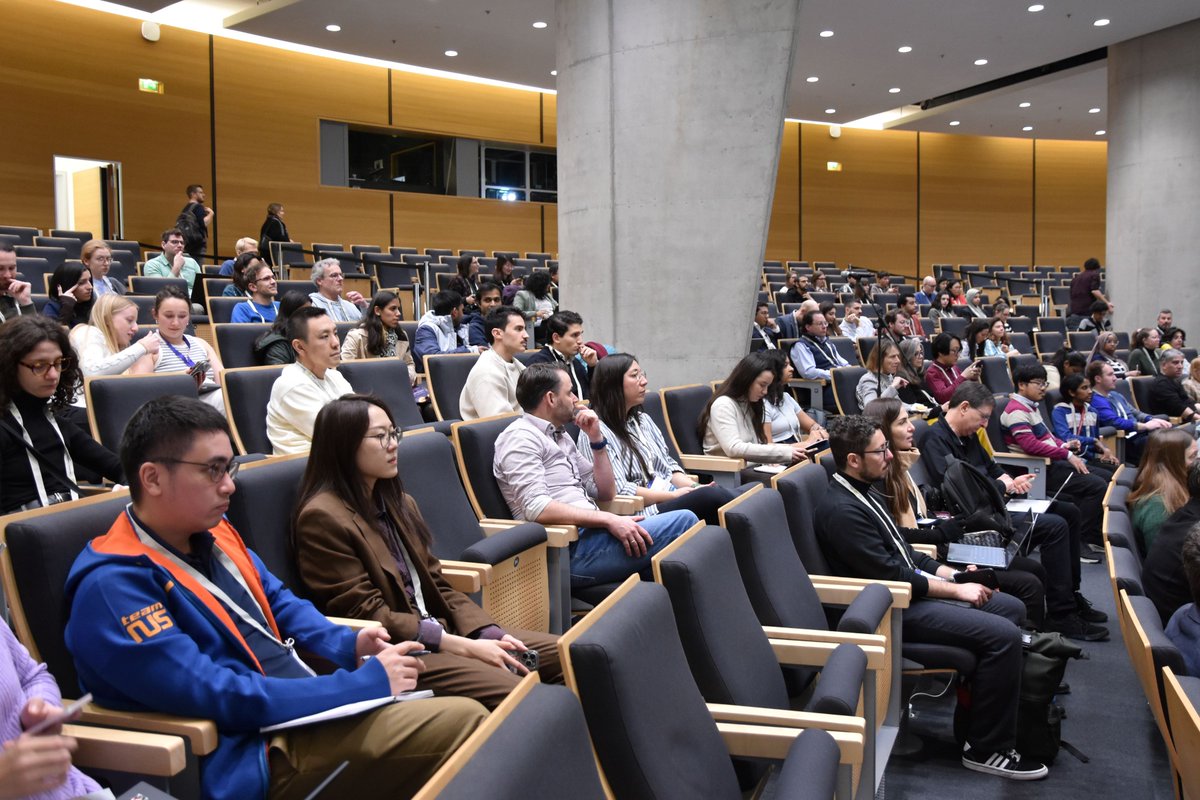
Welcome to the first EMBL Conference of this year 🙌
'The new cardiobiology: engineering, vascular, and molecular insights' is welcoming more than 220 participants at EMBL Heidelberg🫀
#EMBLCardioBiology
Dr. Alisa Clyne (@Clyne_Lab) and colleagues investigated how glutamine affects #endothelial function in normal and high glucose. 🍭
Their results indicate that glutamine mitigates endothelial cell oxidative stress by enhancing reducing capacity.
https://t.co/n0OCvU9BDc
An iPSC-derived heart muscle cell assembling sarcomeres videoed through a spinning disk confocal microscope by Burnette Lab graduate student, @EmmaKoory. Alpha-actinin-2 is shown. Colors denote Z slices (red-bottom; green-middle; blue-top). Movie length- 40 hours.
Personal care products such as lotion and perfume can repress the human oxidation field—a beneficial chemical microenvironment formed around the body’s surface that helps protect it from volatile organic compounds—new @ScienceAdvances research finds. https://t.co/7g6WzVFKaU
#Macrophage Repair:
💉Macrophages can grab the broken ends of a blood vessel and stick them back together
💉Macrophage (green) migrates to the lesion, extends protrusions (arrowhead), adheres to and pulls the ends of the blood vessel (orange) together
👉https://t.co/NIwlwscuCh
A cell videoed through a microscope. The powerhouses/overlords of the cell, mitochondria, are shown in yellow. The nucleus is shown in cyan and actin filaments are shown in magenta. #CellBiology