@NIH Is there a complementary plan to allow NIH budgets to account for the administrative costs (IRB, compliance, IT, office space) not directly related to the research proposal? The research is not possible without the supporting infrastructure.
@SenBillCassidy Disappointed that a physician colleague would consent to give someone like RFK the platform to spew and act on fringe conspiracy theories and misinformation. Shame on you.
I ran @USAID health programs for the last 3 years. Trump’s 90 day Stop Work Order on foreign assistance does serious damage to the world and the US. Examples:🧵
RFK Jr: "I believe that Medicaid is a critical program but that it is not working as well as it ought to be and President Trump has asked me to make it work better... The premiums are too high, the deductibles are too high, and everybody is getting sicker."
I don’t believe the “40% of med students don’t plan to practice” stat…but even if I did, here’s some more relevant stats.
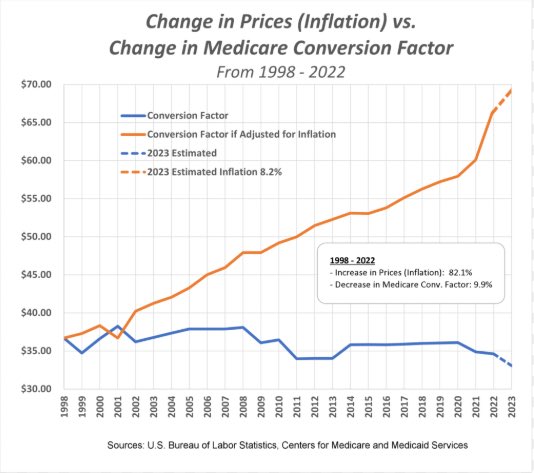
- the government has cut RVU reimbursement year over year, while inflation has only increased…in the past few years alone we took a double digit pay cut because of government @MedicareGov reimbursement when adjusted for inflation
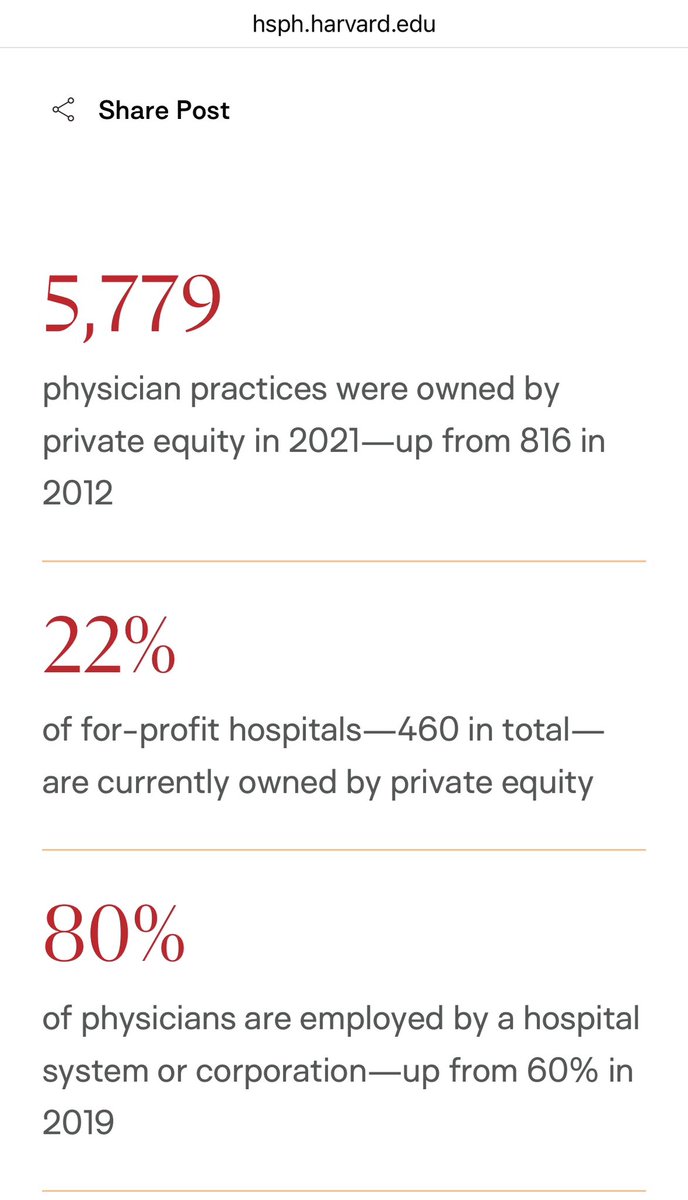
- private equity has taken over healthcare, fairly unchecked. This results in bad patient care, unstable healthcare markets and poor working conditions for physicians…
-healthcare administrators have grown 3800% versus physician #s growing 200% since the 70s. This represents declining physician autonomy and an overwhelming administrative burden…much of which is created by government programs like CMS “Quality Measures” which are less about care quality and more about gamesmanship and documentation burden
- insurance companies have a chokehold on the finances of healthcare…and their lobby dollars fund the congressmen who help keep them in power and allow them to continue to squeeze physicians and patients both
How ‘bout you work on some of those issues, Congressman…and get back to the med students after you do?
The unmeasured costs are real too - I had an elderly patient last month who said she delayed going to the ER because the last time she ended up getting transferred and it was a traumatic experience for her. She was afraid it would happen again.
New pub 📈: 1 in 9 interfacility transfers of Medicare beneficiaries were identified as potentially avoidable. We can do better to (when safe) decrease burden of transfers for patient and families and minimize costs 💵 to the broader healthcare system
Drs. Li and Sabbatini (@KathyLiMD, @asabbati1) are co-authors of a study in the American Journal of Emergency Medicine titled, "Potentially Avoidable Emergency Department Transfers Among Medicare Beneficiaries."
More: https://t.co/SZoEWsQO2D
Took a moment with @alexandracooper to see if we could think of any law that gives the government the power to make a decision about a man’s body.
The answer? No.
Here’s the dirty secret of emergency medicine:
We don’t have to do prior auth. Like ever. We just order what the patient needs, and the patient gets it done in the ED.
But here’s why we care about prior auth anyways:
B/c not a shift goes by where a patient doesn’t land in the ER as a last resort when #priorauth denied or delayed them the outpatient care they needed.
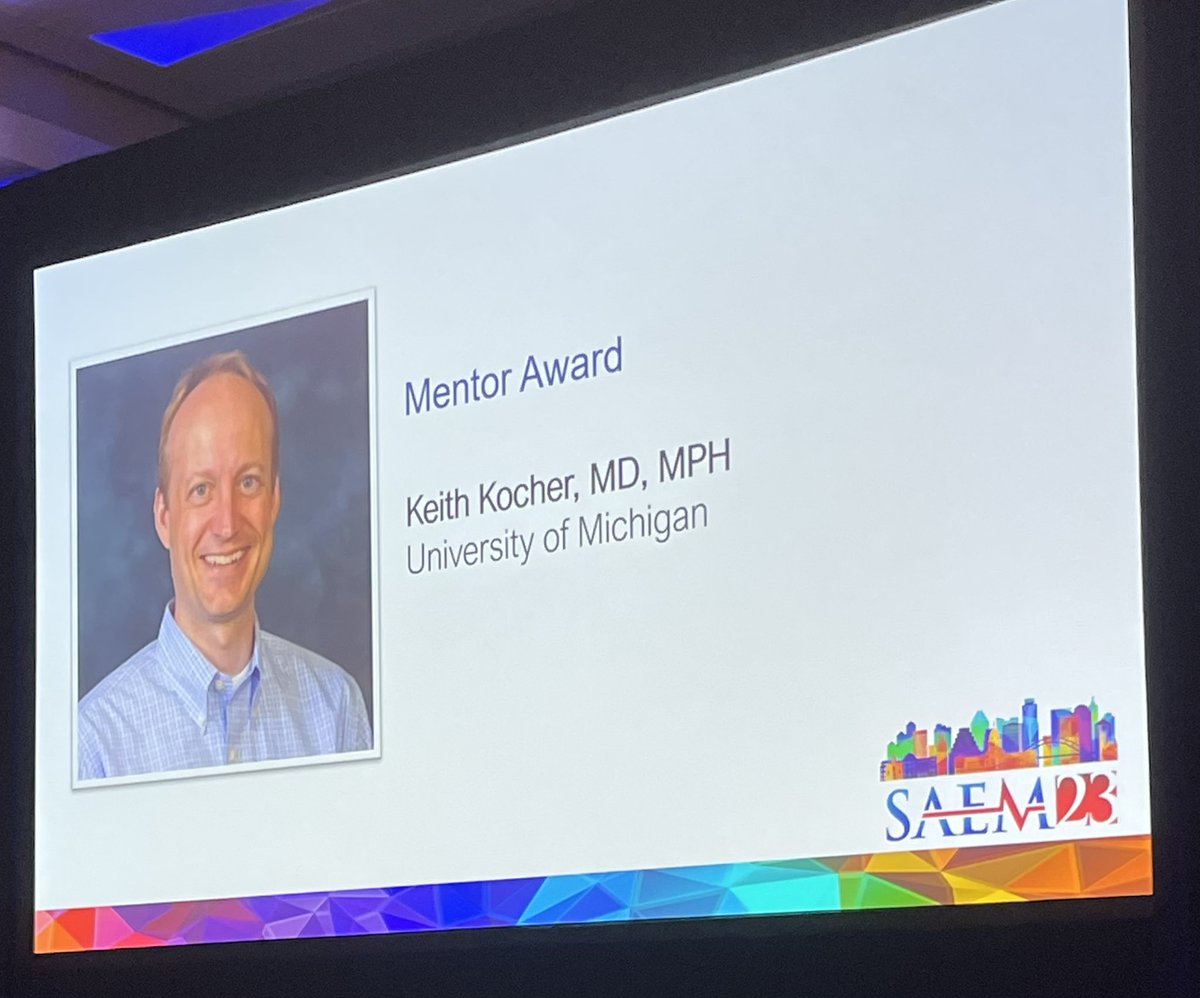
Calling all residents and future policy wonks/ evidence seekers/ change agents! Check out the @ncspMICHIGAN / NCSP programs for unparalleled training, superb mentorship, and interdisciplinary cohorts to set up your next steps into policy/ research worlds!
Tele-emergency care (phone OR video visit with an ER doc) decreased ED visits by nearly half (35%->18%) among Veterans calling nurse triage and recommended to be seen within 24 hours.
Dr. Kathleen Li (@KathyLiMD) is a co-author of a study published in @AcademicEmerMed titled ''Standard nurse phone triage versus tele-emergency care pilot on Veteran use of in-person acute care: An instrumental variable analysis.''
Full text ⤵️
https://t.co/FVVQlQpABe
Our findings also suggest that video is better than phone-only visits, but phone was surprisingly effective (>80% of tele-EC visits during the pilot were by phone).