Unsurprisingly, people are miffed by this. As always, it's about history, not your feelings. A quick follow-up...
Here's the key article: https://t.co/fHpkSr1UGk
I'm not sure most realize that some of this debate concerns phallic imagery, so gird your loins before reading.
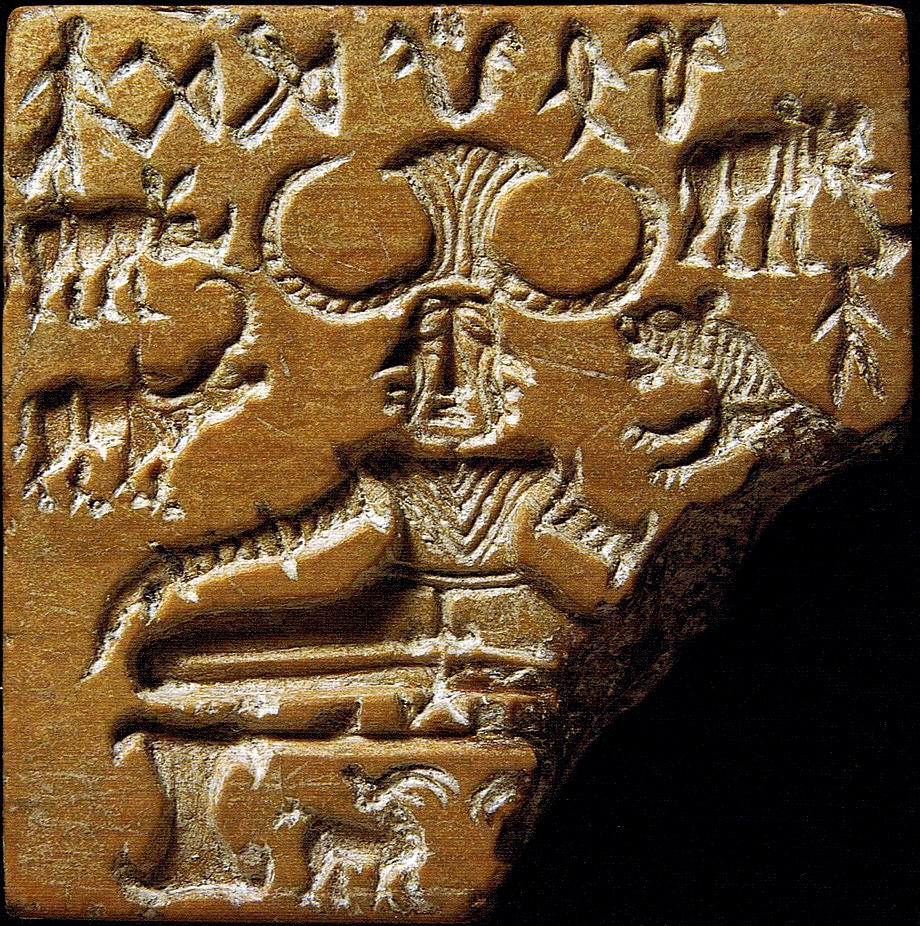
This isn't Shiva. It's more likely adapted from proto-Elamite iconography, showing an Eurasian deity "lord of animals."
Indian history is amazing, wonderful, and fantastic -- It's well worth getting it right.
@duke220502 The photo-elamite theory is a theory of influence, not origin. And it accommodates for adaptations to animals relevant to the Indus context.
Not everybody who sits cross-legged is doing yoga... Yoga emerges way later, like 1,500-2,000 years later, give or take.
@b_vidiot We know almost nothing about administration in the Indus Civilization. Their architecture was forgotten (as was the entire civilization, until re-discovery in the colonial period).
Cultural is hard to say... clear continuities are vanishingly rare.
@digital_bombay The manual scavenging point is clear from the archaeological record -- They had indoor bathrooms, many of which required cleaning (others emptied into the street).
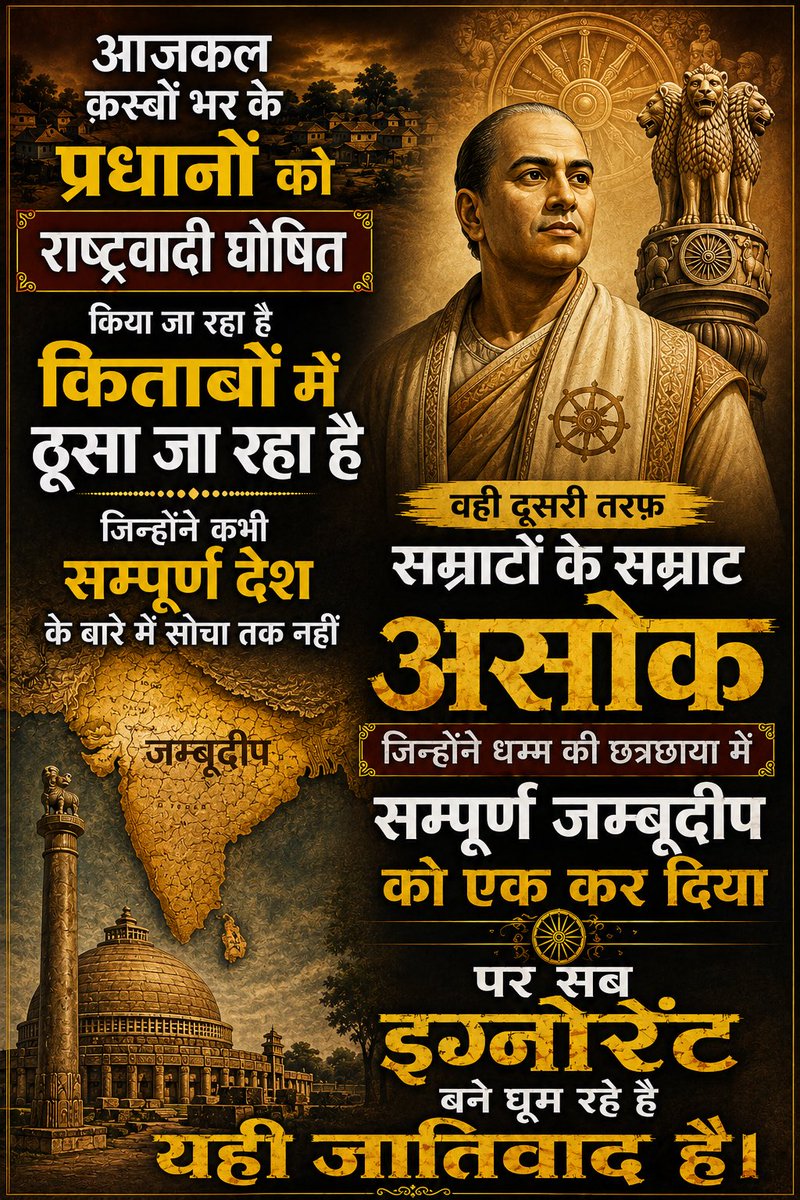
Nobody said anything about caste.
@AnujSha27929766 I'm not familiar with a numbers-to-numbers comparison. But the big cities were definitely around the Indus River, in what's now Pakistan.
Is that inconvenient for Indian nationalism? Maybe, but that's not my problem.
That's all for now. Thanks everyone for engaging!
I do wish I could do more, but I have to get back to work... I know y'all are deep in the Indus Civilization right now, but I'm deep in the Uzbek rebellion of the 1560s in northern India for my current book project.
I discuss this seal in my recent India book.
This includes its iconography, possible sources, local animals, etc. I also give reading suggestions.
I know some wish I would answer every point here, but I really do prefer scholarship. And you should too.
https://t.co/QJDM9YHGLi
@BeYess I like Kenoyer's Ancient Cities of the Indus Valley Civilization; I'm not sure of its availability, however.
There is Possehl's Indus Civilization book, Joseph's Early Indians has a nice Indus Civilization chapter.
@olftilde Politics. It's based on a desire to see continuity between the Indus Civilization and later Vedic communities. In reality, these were separate phenomena.
You'r real lioness, Speaking the true History. Indian Valley Civilisation is samyak Culture which ultimately transformed into Buddhist and Jain. Before Goutam Buddha there were 27 Buddha & before Mahavir Jain there were 23 tirthankar existed.#ivc@AudreyTruschke@MinOfCultureGoI
This isn't Shiva. It's more likely adapted from proto-Elamite iconography, showing an Eurasian deity "lord of animals."
Indian history is amazing, wonderful, and fantastic -- It's well worth getting it right.
वाह! AC बिना बिजली चलेगा?
कल्पना करो...गर्मी का मौसम,
बिजली चली गई, लेकिन आपका घर, फ्रिज, कमरा — सब ठंडा-ठंडा है!
बिना एक यूनिट बिजली खर्च किए,
बिना बिल बढ़ाए!
ये कोई sci-fi फिल्म नहीं, बल्कि KAUST (सऊदी अरब) के वैज्ञानिकों द्वारा बनाई गई असली तकनीक है — NESCOD (No Electricity Sustainable Cooling On-Demand)।
कैसे काम करता है ये जादू?
साधारण अमोनियम नाइट्रेट
(वही जो खाद में इस्तेमाल होता है)
को पानी में घोलते ही आसपास की
सारी गर्मी सोख लेता है।
25°C का तापमान मात्र 20 मिनट में 3.6°C तक गिर जाता है!
सूरज की रोशनी से दोबारा चार्ज —
पूरी प्रक्रिया 100% बिजली-मुक्त!
ये AC से भी आगे की तकनीक है।
गांवों में, बिजली न पहुंची जगहों में,
या पैसे बचाने वाले हर घर के लिए गेम-चेंजर!
पर्यावरण के लिए भी कमाल —
कोई CFC, कोई बिजली, कोई प्रदूषण।
कहीं कुछ नहीं।
क्या लगता है?
ये तकनीक भारत में जल्द ही AC
की मार्किट खत्म कर देगी ?
अब गरीब भी AC की ठंडी हवा में
परिवार संग चैन की नींद ले सकेगा ?
कमेंट में बताओ — आप इसको
घर पर ट्राई करना चाहोगे?
#Nescod #ElectricityFreeAC
बताओ @grok संलग्न पोस्ट वीडियो में बलि किस जानवर की और कौन सी जाति का व्यक्ति और क्यो दे रहा ही ? ये घटना कब की है और किस मंदिर की है ? सही से पता लगाकर फैक्ट चेकिंग करो।
Dr. Rajendra Prasad Singh says when a culture adopts a new philosophical framework, it frequently incorporates the original technical vocabulary, which serves as a linguistic testament to the historical reach of Buddhist philosophy across Asia. Pali word Jhan = Gyan.
झान = ज्ञान
डॉ. सिंह अंत में कहते हैं कि जब किसी संस्कृति में किसी नई चीज का अभाव होता है, तो वह शिक्षाओं के साथ-साथ उन तकनीकी शब्दों को भी उसी रूप में अपना लेती है। यही कारण है कि 'ध्यान' शब्द ने पूरे एशिया में बुद्धिज्म के विस्तार को एक नई पहचान दी।
#buddhism#meditation#asan#H