Academic GP, teacher & researcher at University of Kelaniya, Sri Lanka, with interests in medical informatics, EBM, music, exercise & searching for the truth
Allopathic medicine experts rarely say that they do not know. I have been asking some basic questions from a number of experts about Cocid 19. This is probably the best answer I got:
Tom Jefferson: Covid 19—many questions, no clear answers - https://t.co/MFMVcMiRYf
🚨 The 2026 dyslipidemia guideline just dropped, and it quietly changes how we think about cholesterol risk.
Here are 10 takeaways clinicians shouldn’t ignore 🧵
"We fear delay when starting new things. Yet a greater danger lies in how slowly we stop the old ones."
@dr_mattmorgan asks: why is stopping a pointless intervention so difficult?
https://t.co/GSc3GIMzpJ
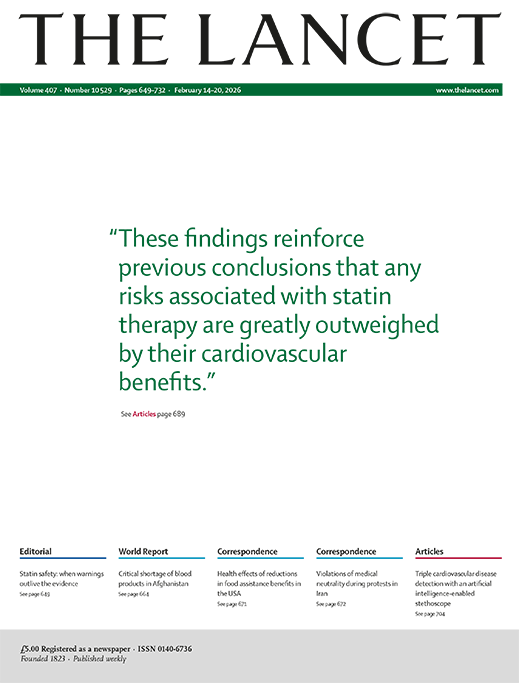
On the cover this week, a major meta-analysis assesses the adverse effects attributed to statin therapy in product labels. 🏷️
The study found that almost all side effects on statin labels are not caused by statins. The authors call for the labels to be updated.
Read this & more: https://t.co/C4kv010ARv
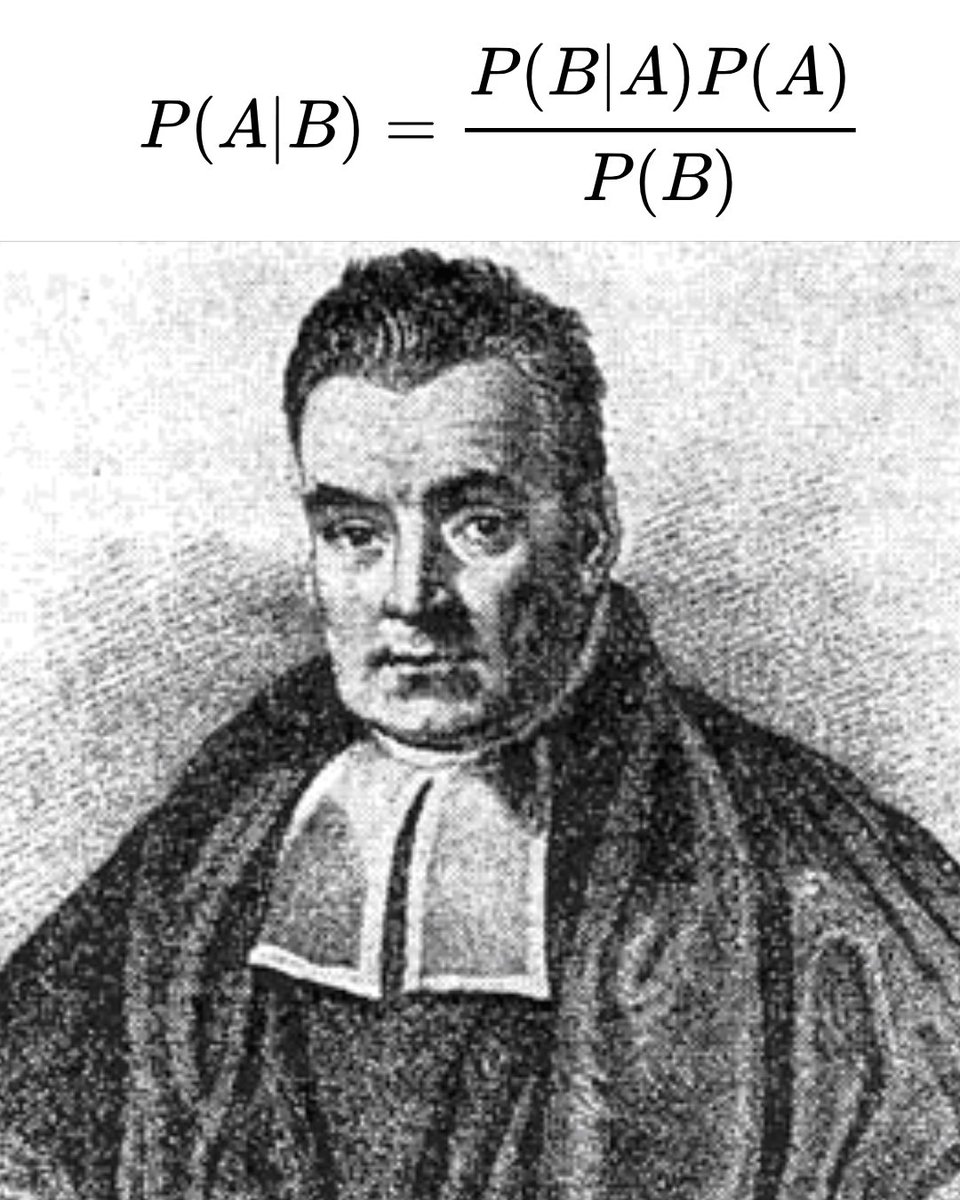
Bayes’ theorem is probably the single most important thing any rational person can learn.
So many of our debates and disagreements that we shout about are because we don’t understand Bayes’ theorem or how human rationality often works.
Bayes’ theorem is named after the 18th-century Thomas Bayes, and essentially it’s a formula that asks: when you are presented with all of the evidence for something, how much should you believe it?
Bayes’ theorem teaches us that our beliefs are not fixed; they are probabilities. Our beliefs change as we weigh new evidence against our assumptions, or our priors. In other words, we all carry certain ideas about how the world works, and new evidence can challenge them.
For example, somebody might believe that smoking is safe, that stress causes mouth ulcers, or that human activity is unrelated to climate change. These are their priors, their starting points. They can be formed by our culture, our biases, or even incomplete information.
Now imagine a new study comes along that challenges one of your priors. A single study might not carry enough weight to overturn your existing beliefs. But as studies accumulate, eventually the scales may tip. At some point, your prior will become less and less plausible.
Bayes’ theorem argues that being rational is not about black and white. It’s not even about true or false. It’s about what is most reasonable based on the best available evidence. But for this to work, we need to be presented with as much high-quality data as possible. Without evidence—without belief-forming data—we are left only with our priors and biases. And those aren’t all that rational.
PubMed - public domain biomedical information lifeline goes into Trump mode
https://t.co/bH5WHWKawZ
Notice
Because of a lapse in government funding, the information on the website may not be up to date.
May not be able to respond to inquiries until appropriations are enacted.
Ecology of healthcare in an urban and rural area of Gampaha district of Sri Lanka:
a community-based prospective study
on symptom prevalence and healthcare utilization
S. S. Withana1, K. Mendis2, U. P. Liyanage3, S. Nandasena4 and A. R. Wickremasinghe5*
https://t.co/c6K56nf4qV
BMC Health Services Research: Decision on "Ecology of healthcare in an urban and rural area of Gampaha district of Sri Lanka: a community-based prospective study on symptom prevalence and healthcare utilization
https://t.co/c6K56newBn
In the IMF report, it is stated that Sri Lankan 🇱🇰 highway construction costs are significantly higher than the global average, in fact, they are 3x the global average.!
The reason: ⭕️ closely connected individuals using opaque processes to obtain cabinet approval for these mega-projects funded by the state--AKA [Corruption at the highest levels of the government].
#SriLanka #Corruption
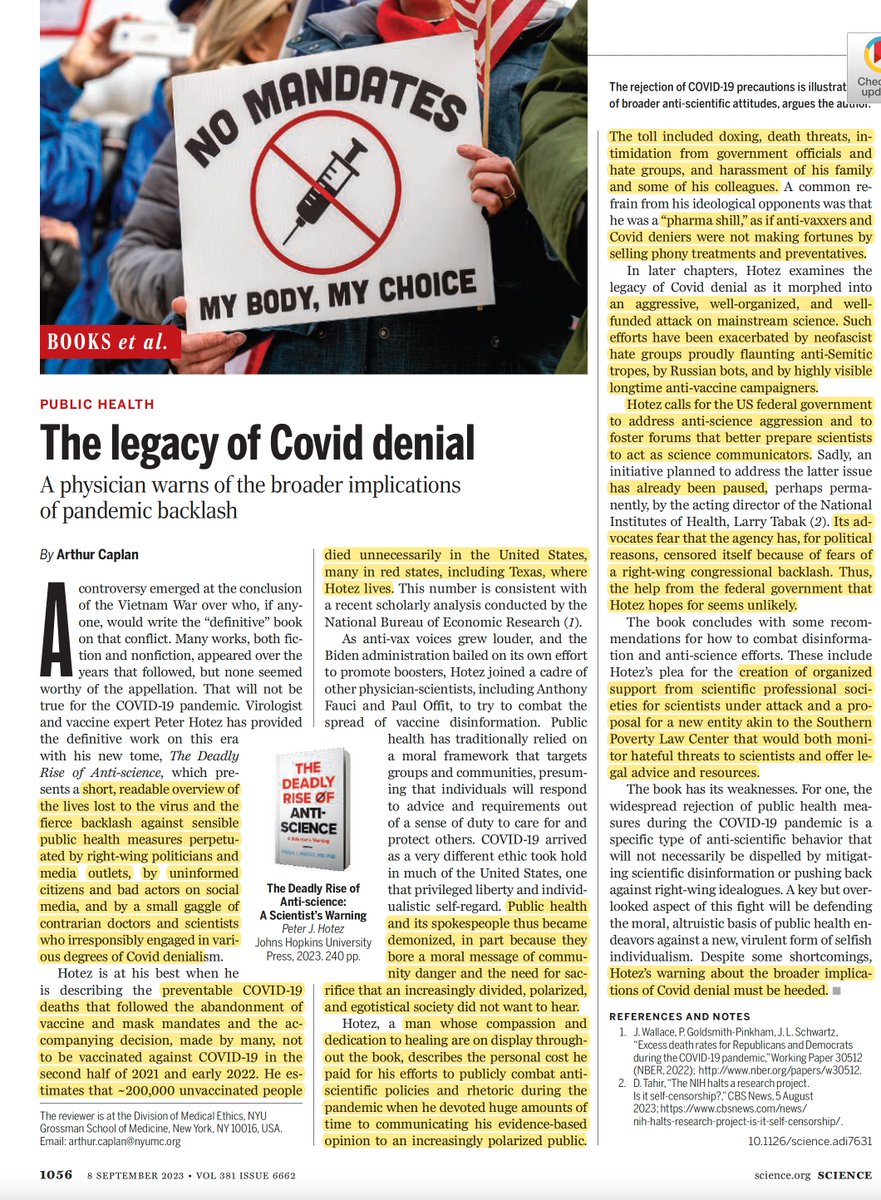
An outstanding @ScienceMagazine review of @PeterHotez's new book THE DEADLY RISE OF ANTI-SCIENCE https://t.co/DcQ2QjEnPN by @ArthurCaplan
"a man whose compassion and dedication to healing are on display throughout the book, describes the personal costs he paid for his efforts.."
New @NEJM
A GLP-1 drug (semaglutide) led to lack of need for insulin in 7 of 10 people with recent onset Type 1 (autoimmune) diabetes, and the other 3 of 10 had eliminated need for insulin w/ meals
https://t.co/oKCznW3iaW
"The association is of public health importance considering the high prevalence of NSAID use and hormonal contraception in young women."
Commentary on a new study of non-steroidal anti-inflammatory drugs, hormonal contraception, and venous thromboembolism
https://t.co/yIlCEhnJ4m
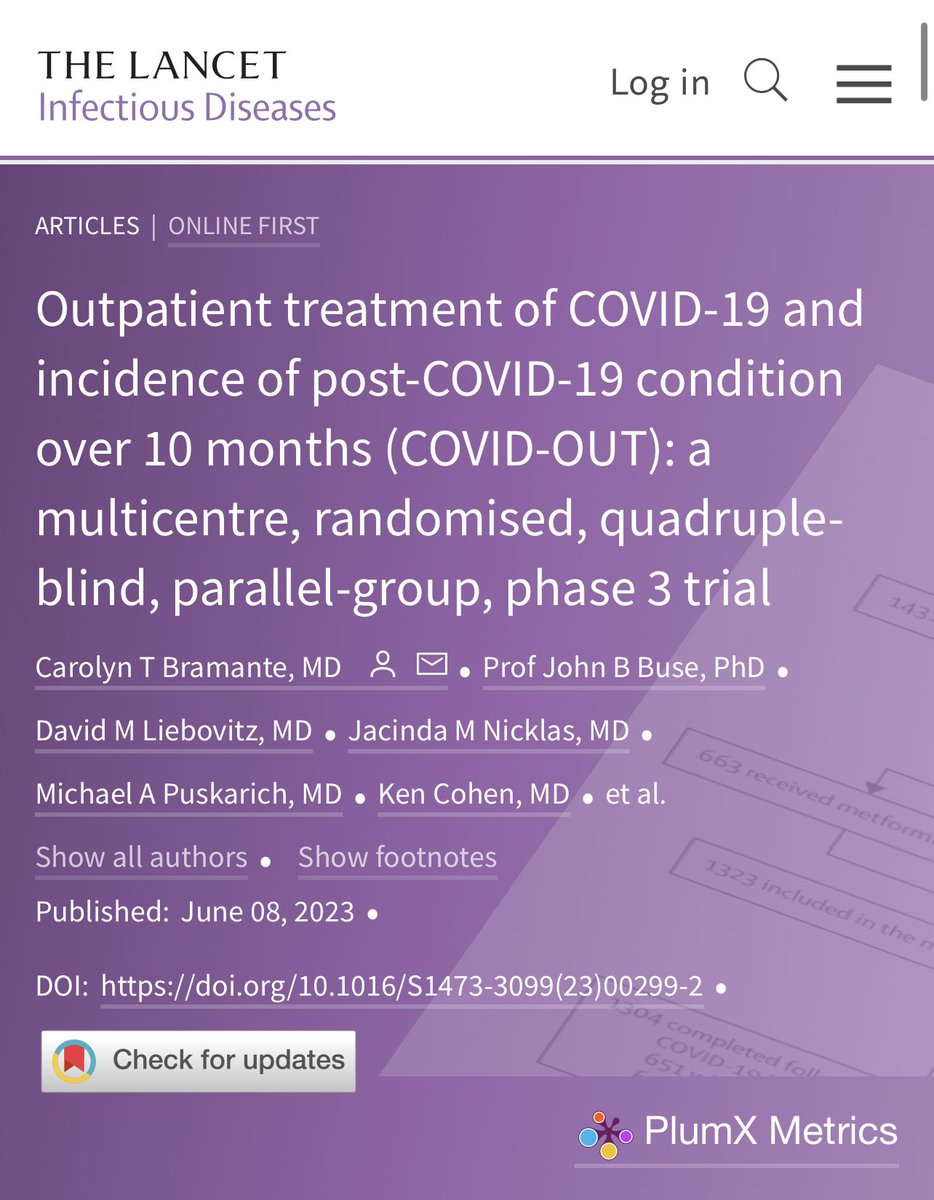
💡Taking metformin for 2 weeks during an acute #COVID19 infection decreased the risk of getting #LongCovid by 63% if started in the first 4 days of the infection. Risk reduced by 42% if the infected person started taking metformin after four days.
https://t.co/JD5GwML6L4








![numberslka's tweet photo. In the IMF report, it is stated that Sri Lankan 🇱🇰 highway construction costs are significantly higher than the global average, in fact, they are 3x the global average.!
The reason: ⭕️ closely connected individuals using opaque processes to obtain cabinet approval for these mega-projects funded by the state--AKA [Corruption at the highest levels of the government].
#SriLanka #Corruption](https://pbs.twimg.com/media/F8EoEFaaoAAPfaO.jpg)