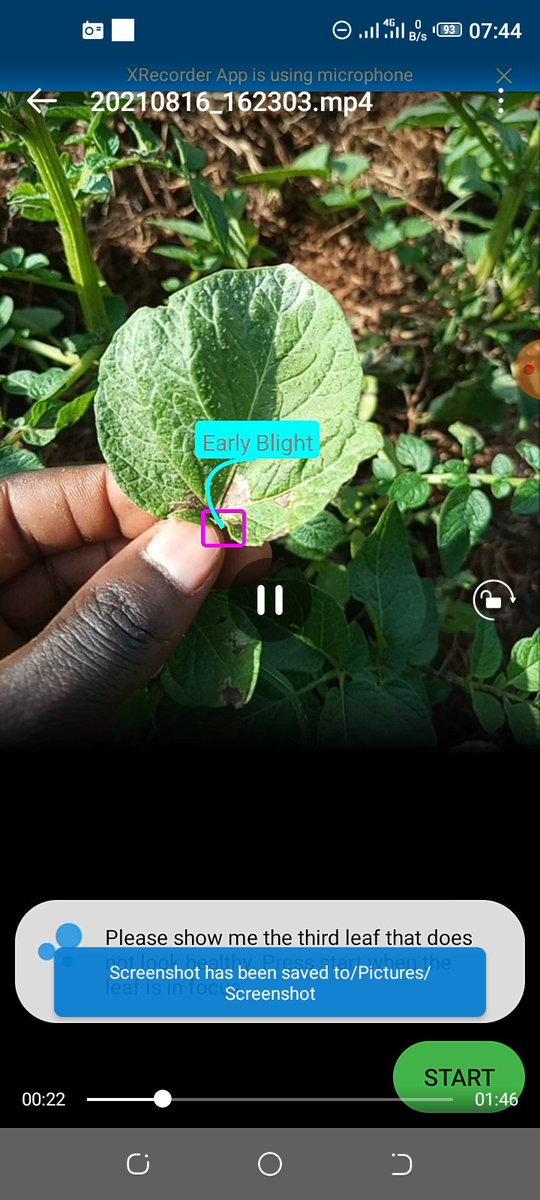
Yesterday, I took time to test a POTATO AI app build by @plantvillage n @Cipotato to diagnose Irish Potato diseases and it was so nice to show it to farmers at home @ElgeyoMarakwetC ,how Potato virus, Early and late Blight is diagnosed.
Bacterial blight is an early-season soybean disease favored by cool wet weather. It produces small angular reddish-brown leaf lesions with a yellow halo. The disease rarely causes economic yield loss & generally ceases when temperatures exceed 80 °F @CropNetwork@SoybeanScience1
Soil pH is affecting nodulation in soybean fields in southern Alabama in this #UpdateFromTheField from @Eabfranc. Zones with adequate pH have good nodulation while zones with low pH (5.2) are not nodulating at all! #SoyCheckoff
A slug trail is the glistening residue of mucus left behind a slug. It is a lubricant to travel over rough surfaces and glue to climb walls. It contains pheromones for navigation, communication & finding mates. Slug damage appears as smooth-edged holes in leaves, flowers & fruit
Early blight is a fungal disease of tomato. Symptoms appear as dark zonate spots that merge, starting on older leaves. Symptoms progress up plant canopy. It can reduce marketable yield & fruit quality. Best to follow an IPM-based fungicide spray program for control #Tomato#IPM
Perennial peanut on the UF campus. This nematode resistant ground cover makes a great turfgrass substitute for lawns and is beautiful when it is blooming
Fusarium wilt is a fungal disease of tomato. The fungus infects roots & clogs the vascular system. It looks as yellowing/drooping on one side of branch or half the plant. If the stem is cut, brown streaks will be visible in the vascular system. Use resistant varieties #Tomato
🎙️ Delighted to finally share my interview with Botany One about my PhD research on plant-parasitic nematodes and sustainable pest management, reflecting on my academic and scientific journey, motivations, and more!
Full interview: https://t.co/BCfOflLA3l
Peanuts progressing nicely at 2 weeks after planting in our trial at Citra. Testing conventional and biological nematicides for peanut root-knot nematode management as part of a grad student project.
Streamers are for crane deterrent, not to make the trial for festive.
This morning, I visited the Emsoo Dam water distribution project in Keiyo North Constituency, aimed at improving access to water for residents of Emsoo Ward in both the upper and lower valley areas through enhanced water infrastructure for domestic use, micro-irrigation, and livestock.
The Government has and will continue to provide funding through the Kerio Valley Development Authority (KVDA) to undertake major rehabilitation and expansion works at Emsoo Dam to boost water capacity and enhance long-term sustainability.
The planned interventions include dam desilting, excavation works to increase storage capacity, embankment improvement and erosion protection works, extension of the water supply pipeline network, fencing and environmental conservation activities, and the installation of water tanks at strategic locations to improve distribution and access.
We also planted indigenous trees as part of ongoing efforts to restore and protect the Elgeyo Forest Block ecosystem.
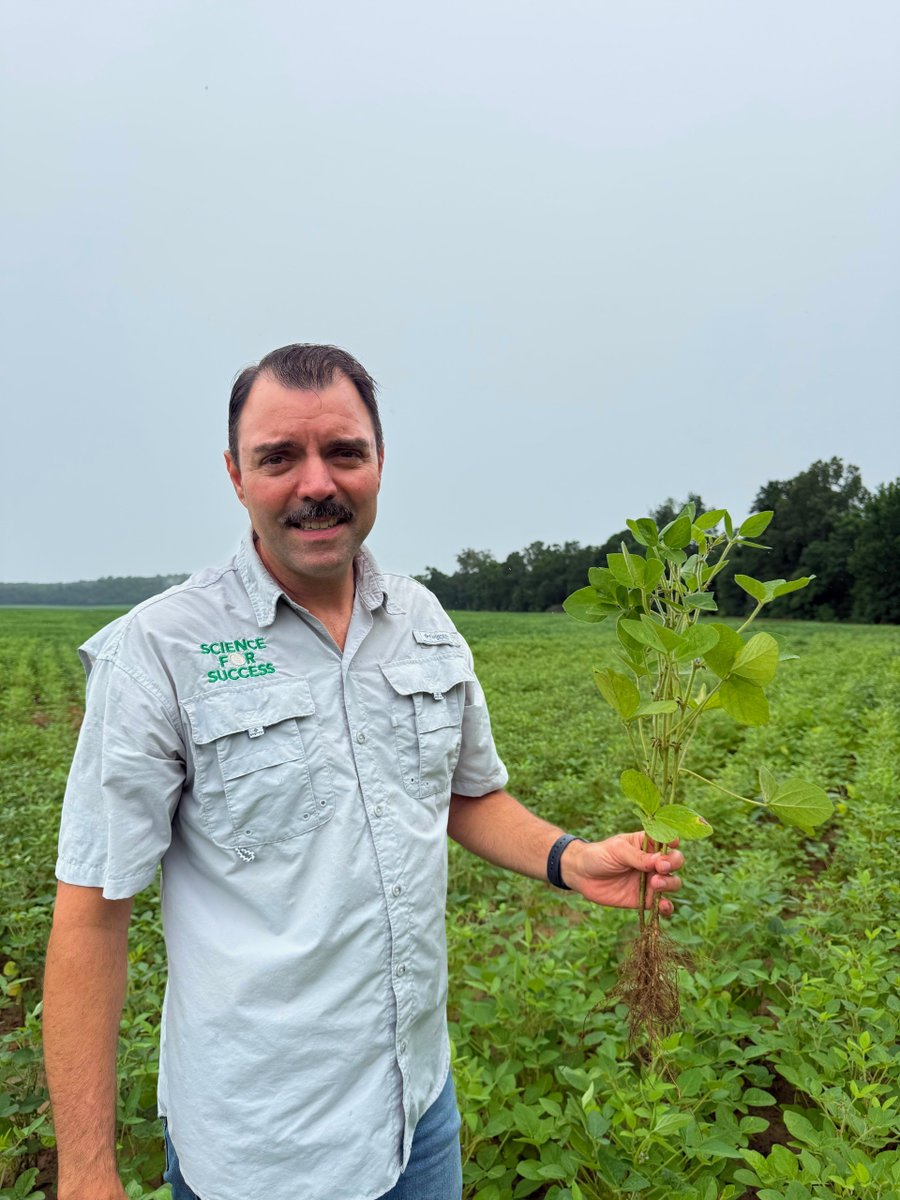
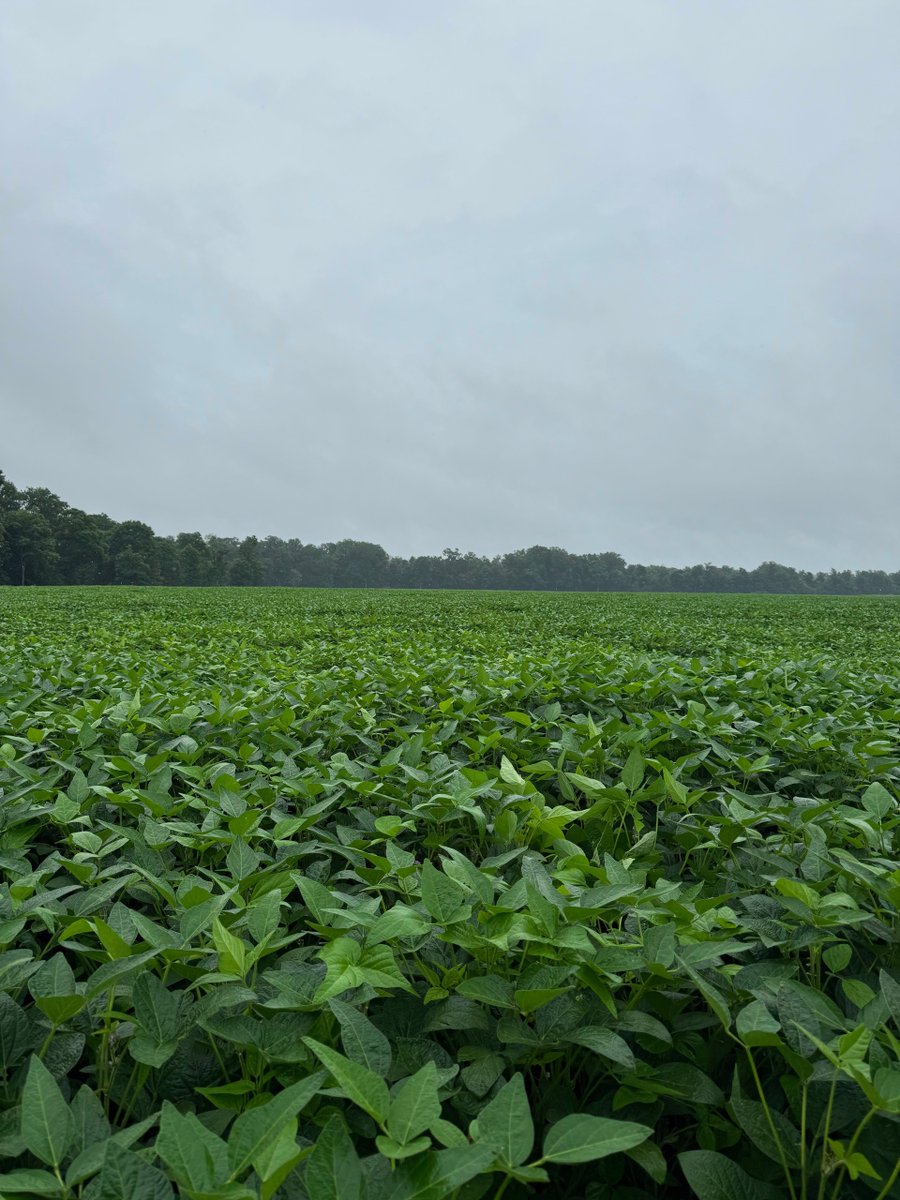
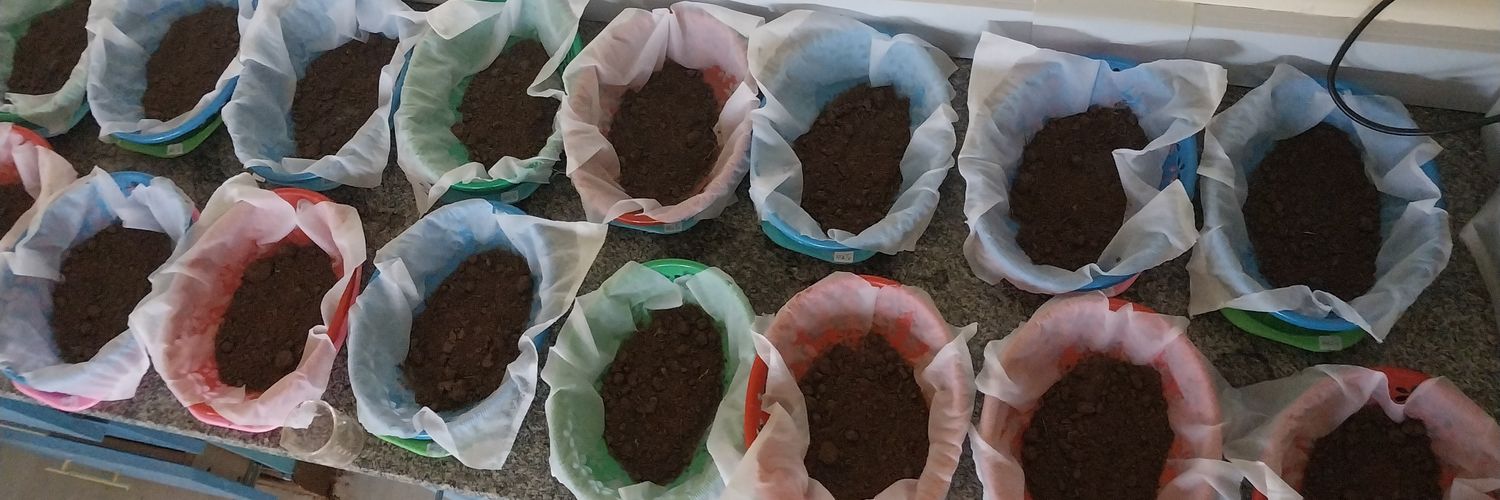
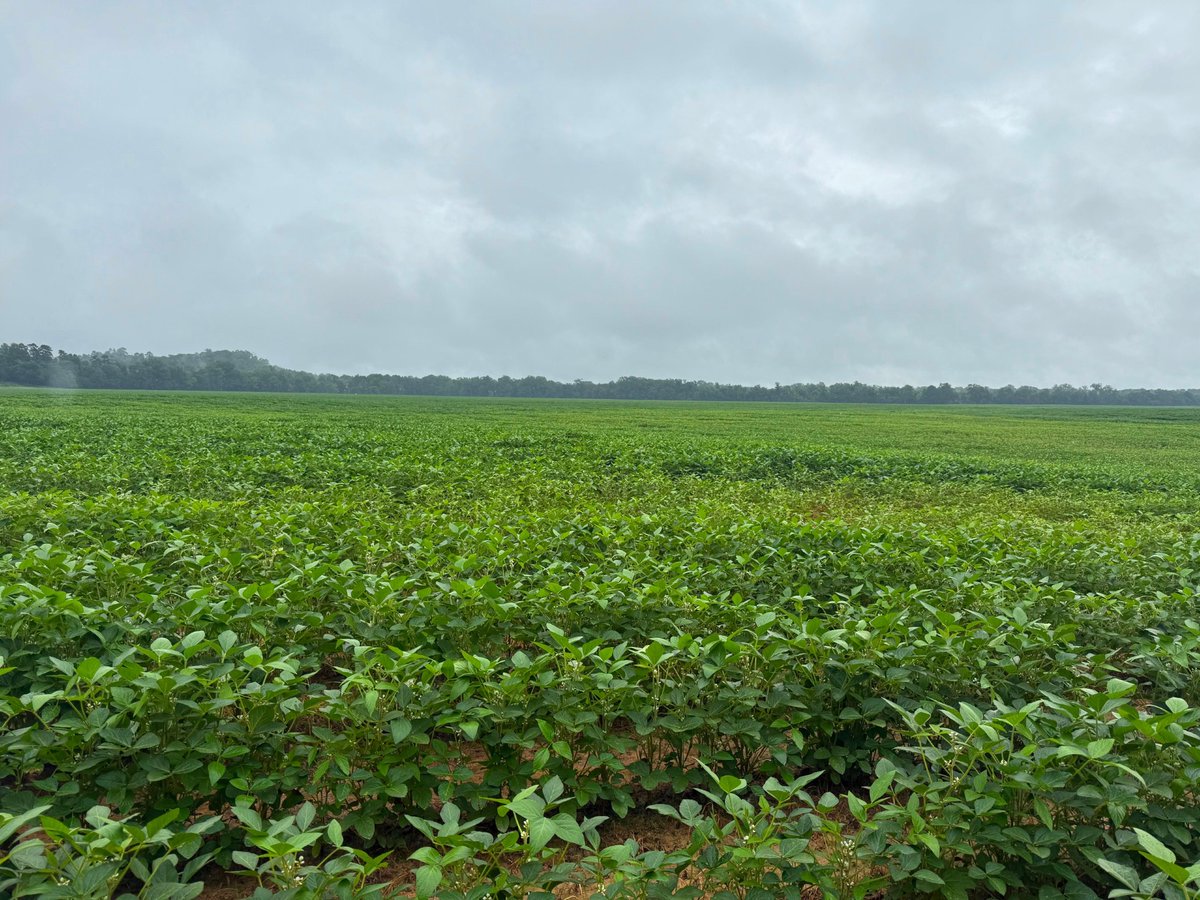
“These results demonstrate that seed-applied nematicides provide minimal yield protection under high [root-knot nematode] population densities, whereas host plant resistance remains the most effective and reliable management strategy in soybean production.”
From @PlantDiseaseJ article https://t.co/WxmpcLfhiC by @BigBaker63@travisfaske +more
@AR_Extension@ArkAgResearch@arkansassoybean@TheSCNCoalition #soybean #USSoy
Cornell University, Maseno University, Fresh Life, and Kisumu Young Agripreneurs Launch KIYA Gold to Transform Waste into Certified Biochar Fertilizer
Learn More 👉https://t.co/kcWfoZtLIj
Loose smut of #oat is a seed borne disease by Ustilago avenae. It is easily recognized at head emergence when the healthy grain kernels and protective chaff are completely replaced by powdery, olive-black masses of fungal spores called teliospores. @alabamaED#plantdisease
🌱 Opportunity Alert for Agroecology Experts!
Biovision Africa Trust is recruiting trainers for the 2026 Agroecology and Agrobiodiversity International Training Course (AAITC) , a transformative learning platform connecting universities, researchers, practitioners, and communities across East Africa.
The programme promotes participatory, experiential, and transdisciplinary learning to strengthen sustainable food systems and resilient livelihoods.
📍 Hybrid training | Nairobi, Kenya
📅 Applications close: 3rd June 2026
📧 Send applications to: [email protected]
🔗 Read the full TOR here:
https://t.co/bPbBHQfd8n
#Agroecology #Agrobiodiversity #CapacityDevelopment #SustainableAgriculture #AAITC #Africa #BiovisionAfricaTrust













![CropNetwork's tweet photo. “These results demonstrate that seed-applied nematicides provide minimal yield protection under high [root-knot nematode] population densities, whereas host plant resistance remains the most effective and reliable management strategy in soybean production.”
From @PlantDiseaseJ article https://t.co/WxmpcLfhiC by @BigBaker63 @travisfaske +more
@AR_Extension @ArkAgResearch @arkansassoybean @TheSCNCoalition #soybean #USSoy](https://pbs.twimg.com/media/HI8HqskW4AECBwI.jpg)


