Our proprietary @CarsonResearch Leading Economic Index (LEI) continues to suggest our economy is quickly improving.
Note, this LEI correctly said there wouldn't be a recession in 2023 and 2024 when many other LEIs said there would be.
Where does American income come from?
Less and less of it comes from work.
Wages have fallen from 73% of personal income in 1970 to 60.5% today.
Income from assets and transfers like Social Security and Medicare has climbed from 23% to 39%.
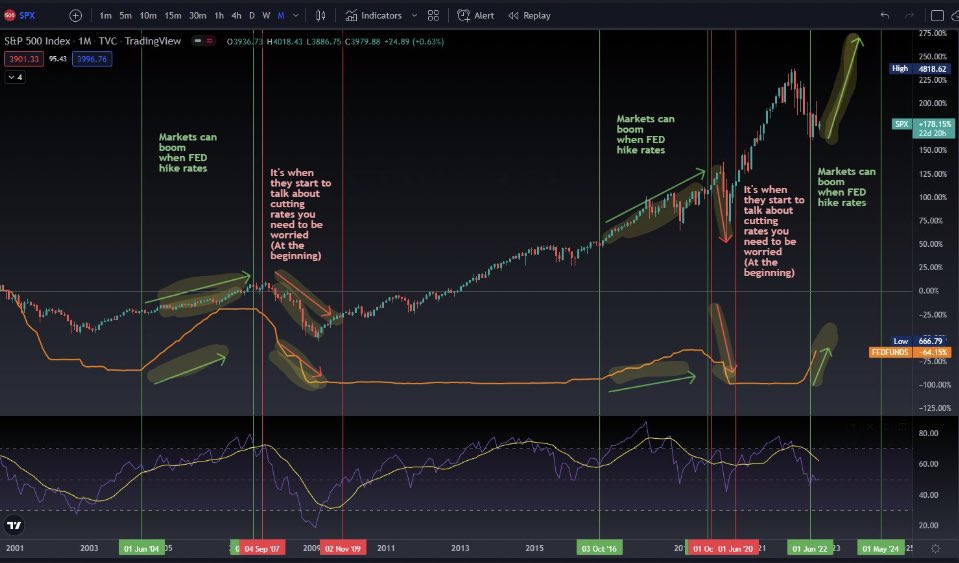
he market continues pushing to new all-time highs, yet sentiment is actually becoming LESS bullish — a classic hallmark of a powerful “lockout rally” that climbs the proverbial Wall of Worry.
Despite the strength in stocks, investor optimism has not reached extreme levels, and the economy remains in a sweet spot: not overheating into runaway inflation, yet not slipping toward recession either. That combination continues to support the secular bull market backdrop. https://t.co/JXzFFTmMtn
If stocks led the economy, they'd fall before recessions start.
They don't.
Going back to 1960, the median month in the 3 months before a recession is positive.
Stock Prices As A Leading Indicator? Not Anymore: https://t.co/hku0Ig8nSz
Stanley Druckenmiller: “A lot of my style is you [first] build a thesis, hopefully that no one else has built. You sort of put some positions on…
Then when the thesis starts to evolve and people get on and you see the momentum start to change in your favor, then you really go for it. You pile into the trade.”
The intuitive trade is to buy the beaten-down small caps. Historically that has not been the right trade. After similar washouts, SPX was higher a month later every single time. RUT recovered too, but lagged large caps across nearly every timeframe. The market screams "small caps are cheap" and then rewards large caps instead.
I'm ok wirh whatever works for you; I don't argue with success. But for most using ATR, OB/OS oscillators, etc... my advice is to learn how to read charts and you won't need all the formulas and calculations. Indicators can only be coincident or lagging, so why not just go to the source?
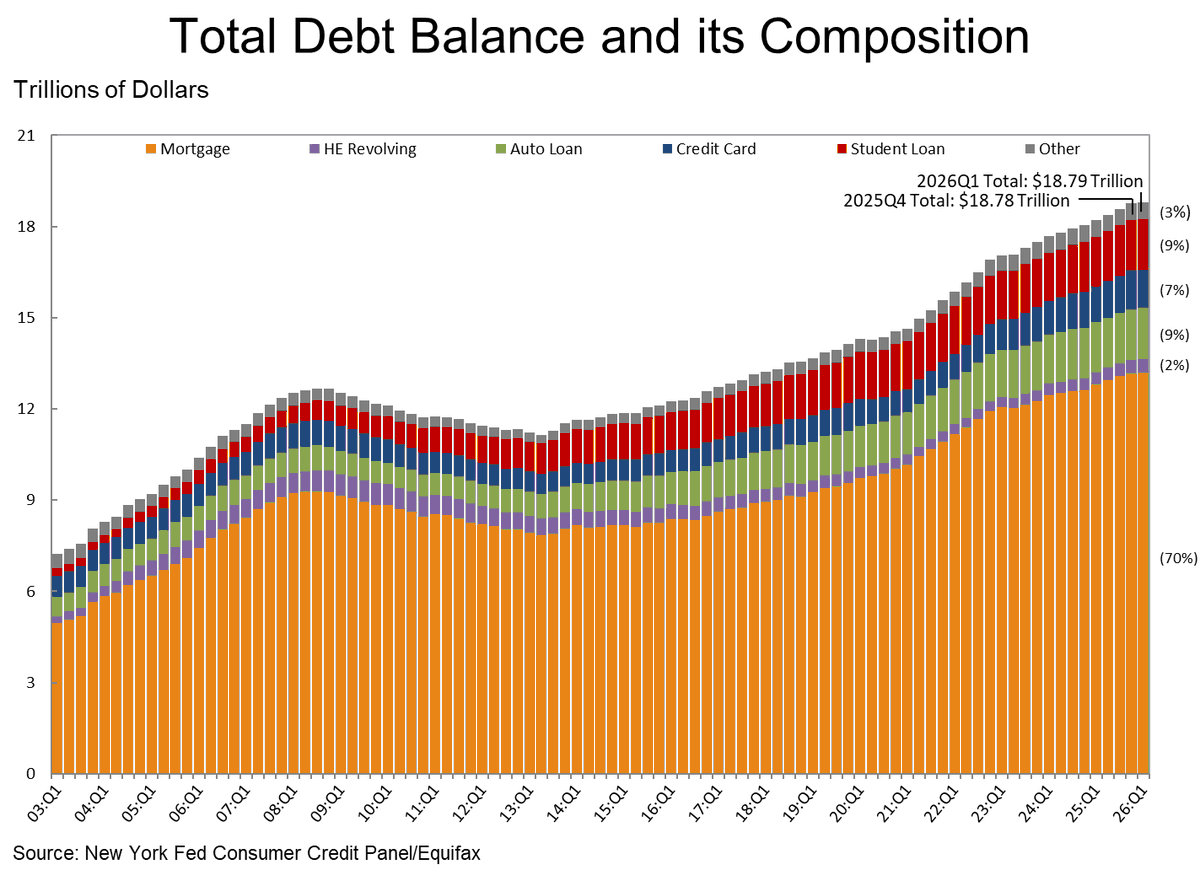
The death of the consumer apparently has been widely exaggerated. Here's a 🧵.
1/ Total credit card debt was actually down last quarter to $1.25 trillion from $1.28 trillion.