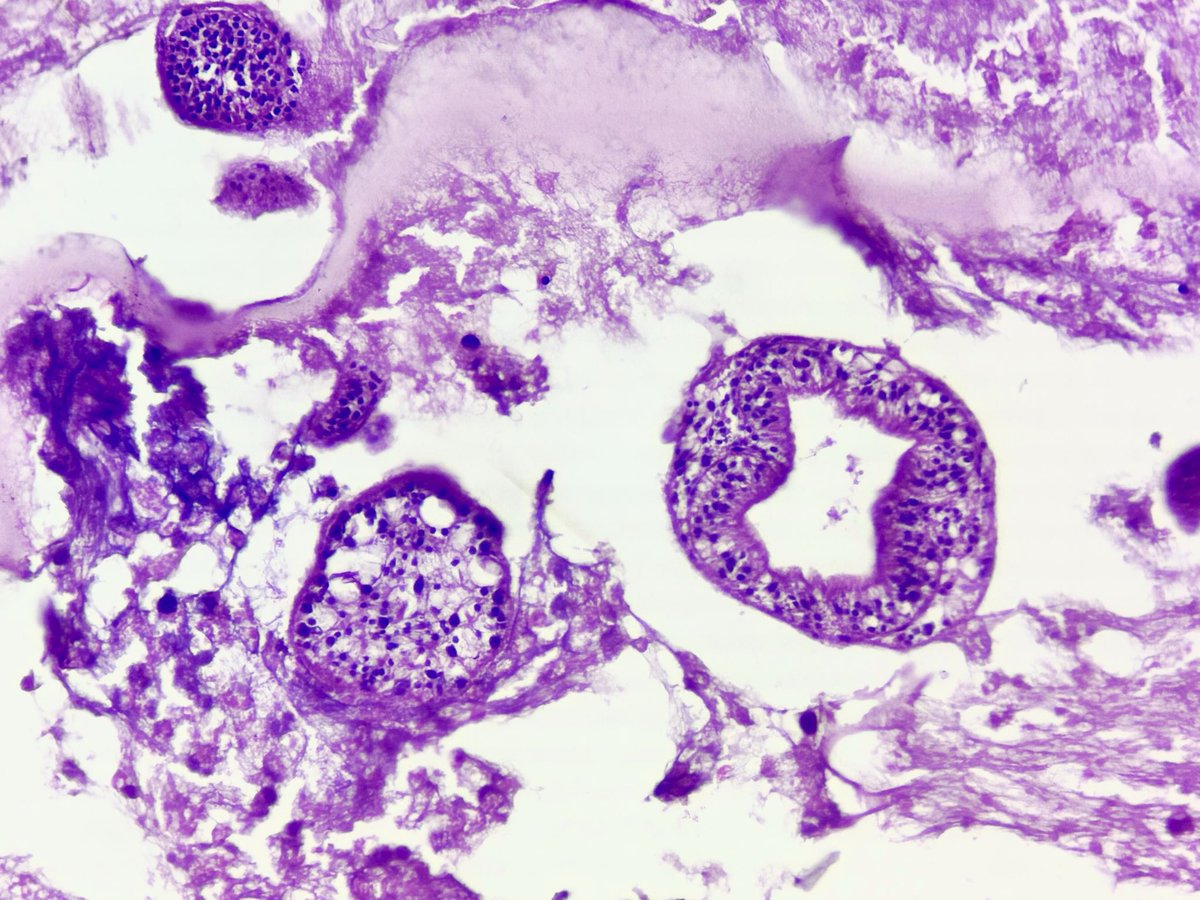
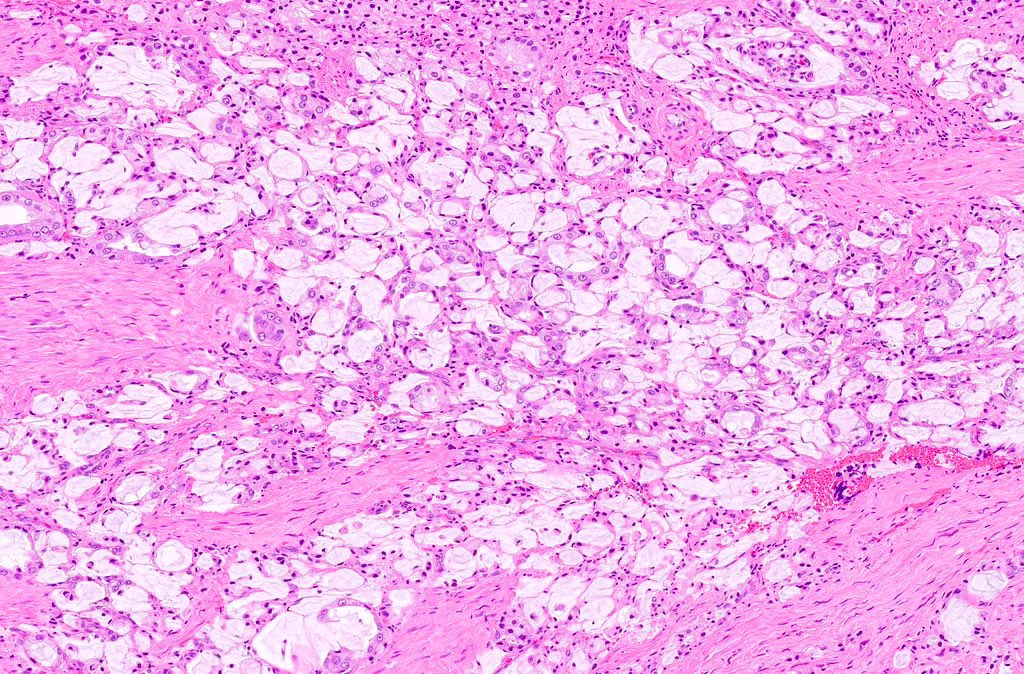
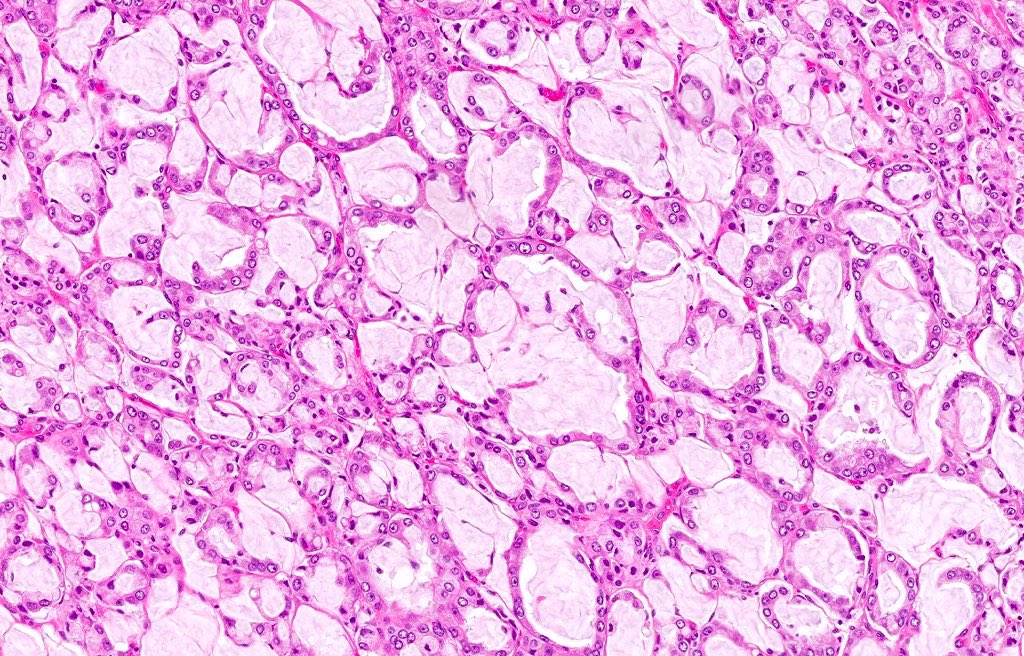
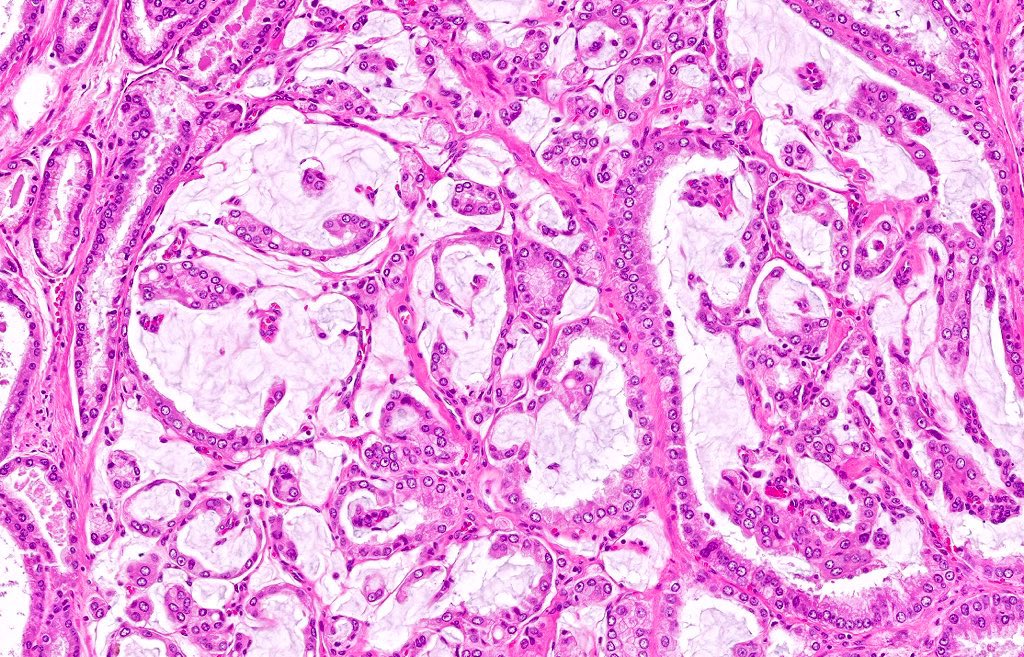
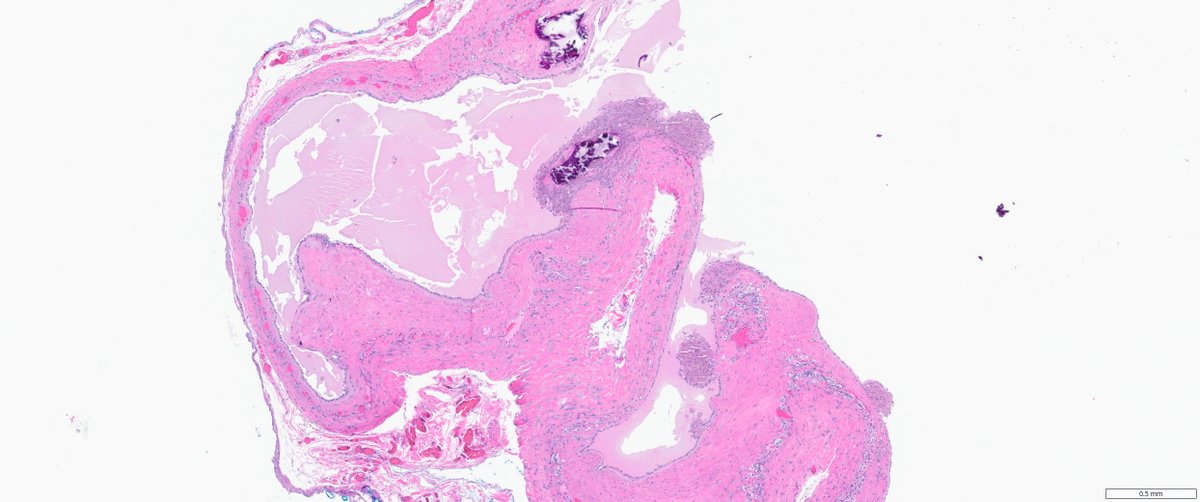
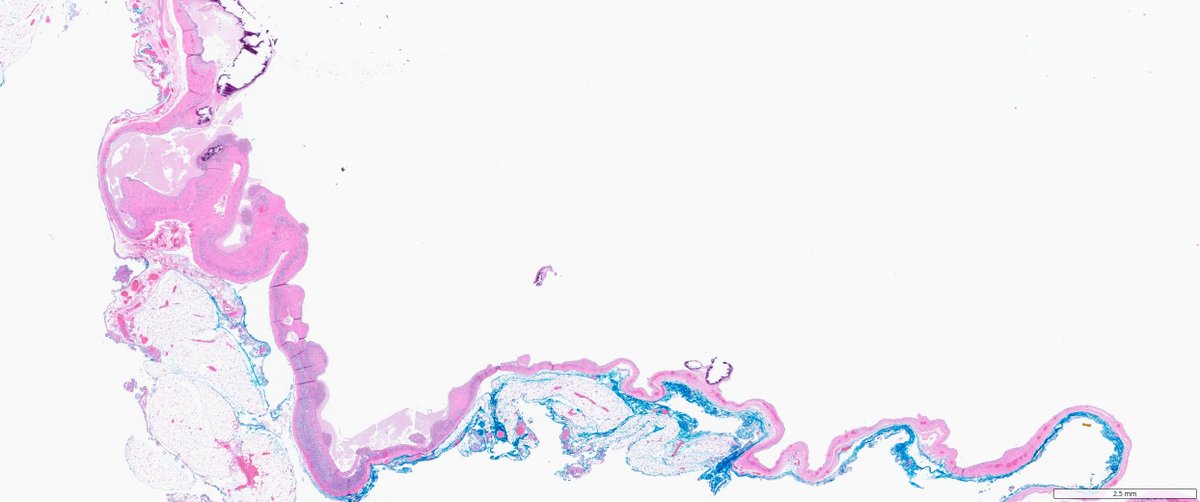
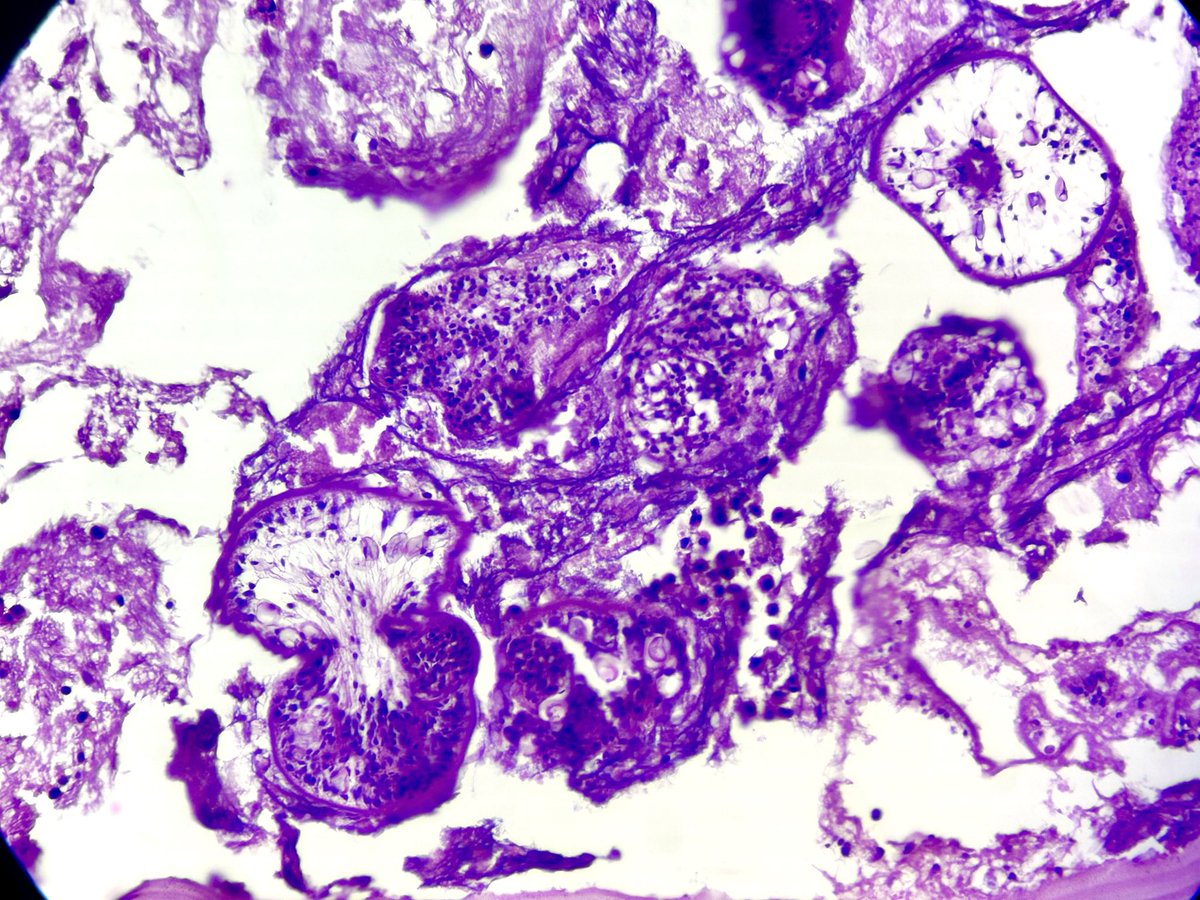
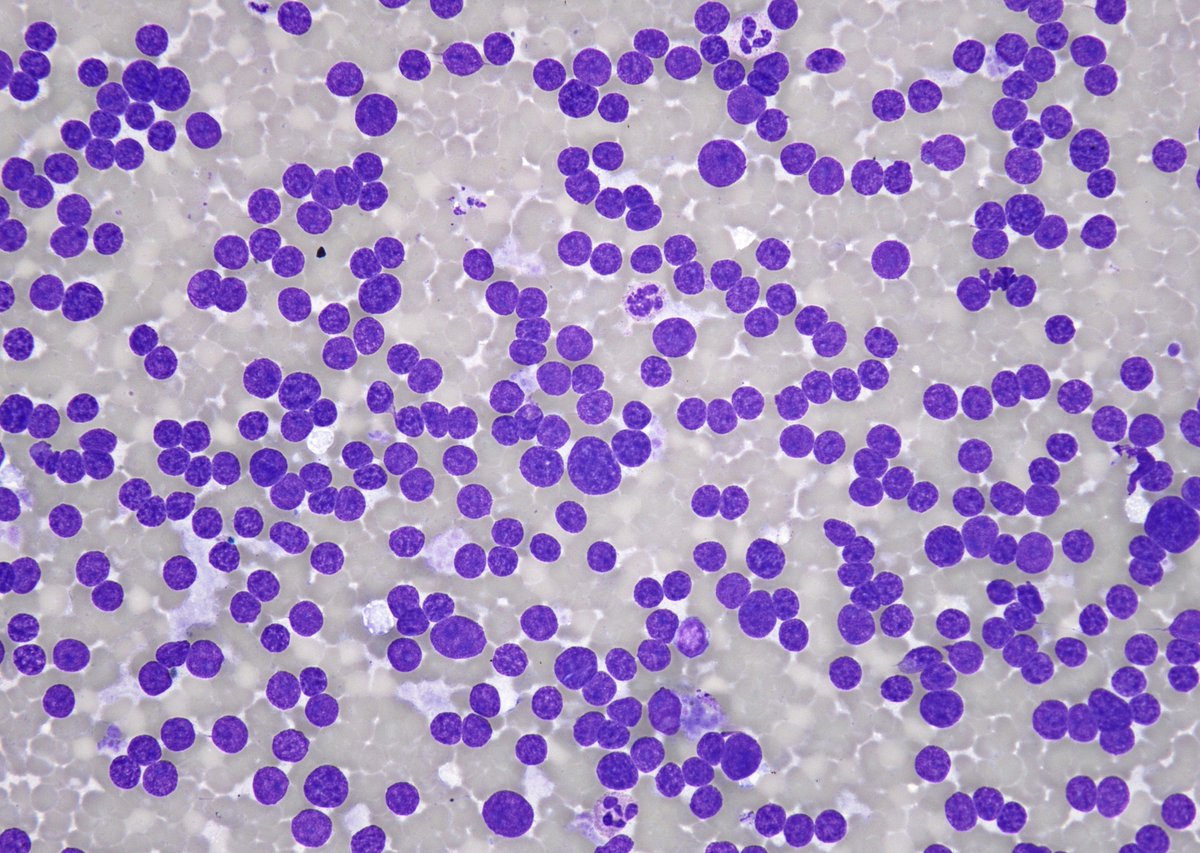
Kidney involvement by lymphoma
🔬 Autopsy series: ~1/3 of patients with lymphoma show kidney infiltration
🔬 CLL: 63–93% in autopsy series
Secondary renal involvement >> primary renal lymphoma
Most common hematologic neoplasms identified in medical renal biopsies:
• CLL/SLL
• Low-grade B-cell lymphoma with plasmacytic differentiation
Dr. Herrera Hernandez #USCAP2026 #pathology #PathX #PathTwitter
Not everything “benign” behaves that way.
Pancreatic serous neoplasms are usually indolent, but his study is a reminder that some do not follow the script.
This study showed meaningful risk of progression (~28%) on follow-up, without metastasis
.
🔍 What should make us pause:
• Infiltrative growth pattern
• Solid architecture
• Ki-67 higher than expected
Together, they shift the conversation.
💡 Take-home:
Sometimes the goal isn’t to label a case as benign vs malignant,
it’s to recognize when it deserves closer attention and follow-up.
🔓 Open access — worth a read: https://t.co/xIwDIgXpzt
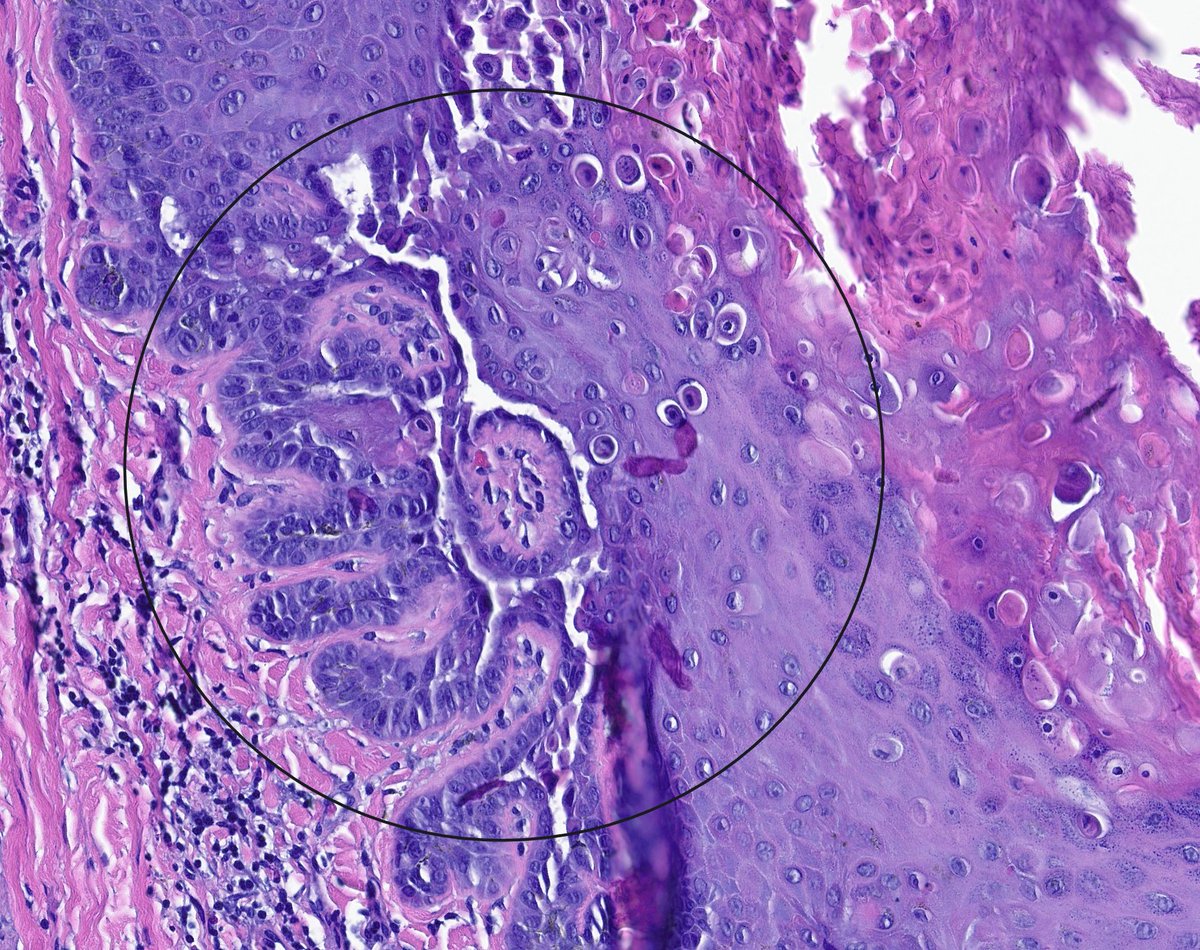
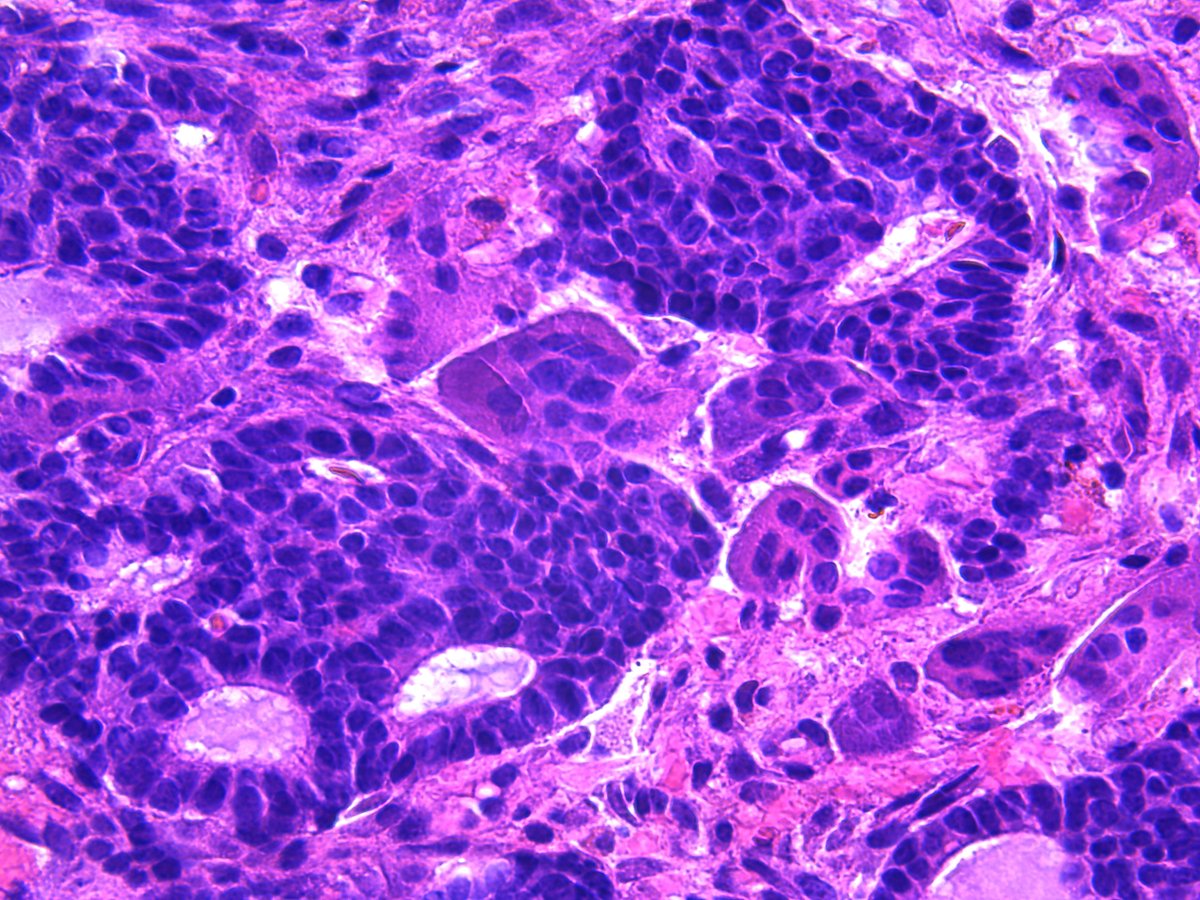
Our Gynecologic Pathology cases @UMiamiPathology are fascinating! Here’s a striking example of pilomatrix-like high-grade endometrial carcinoma (PiMHEC), a recently described entity mostly driven by CTNNB1 mutations. Look for solid basaloid growth with conspicuous central tumor cell necrosis, and pilomatrix-like keratinization with the hallmark ghost cells. This case also had a focal conventional FIGO grade 1 endometrioid component. IHC shows diffuse nuclear β-catenin with loss of PAX8 and ER in the pilomatrix-like component. These tumors are believed to behave aggressively.
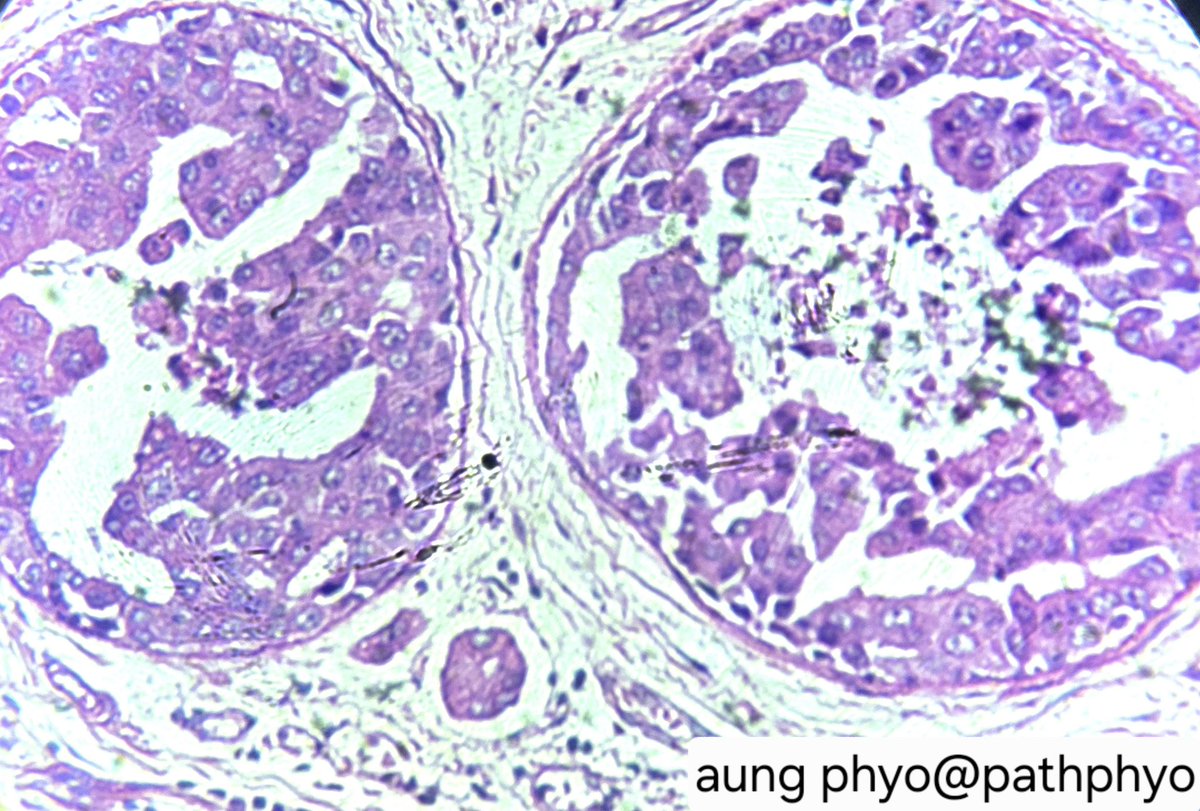
A focus of micropapillary DCIS characterized by ducts expanded by epithelial proliferation displaying micropapillary architecture. There is background invasive micropapillary carcinoma.
#pathology#breastpath#DCIS
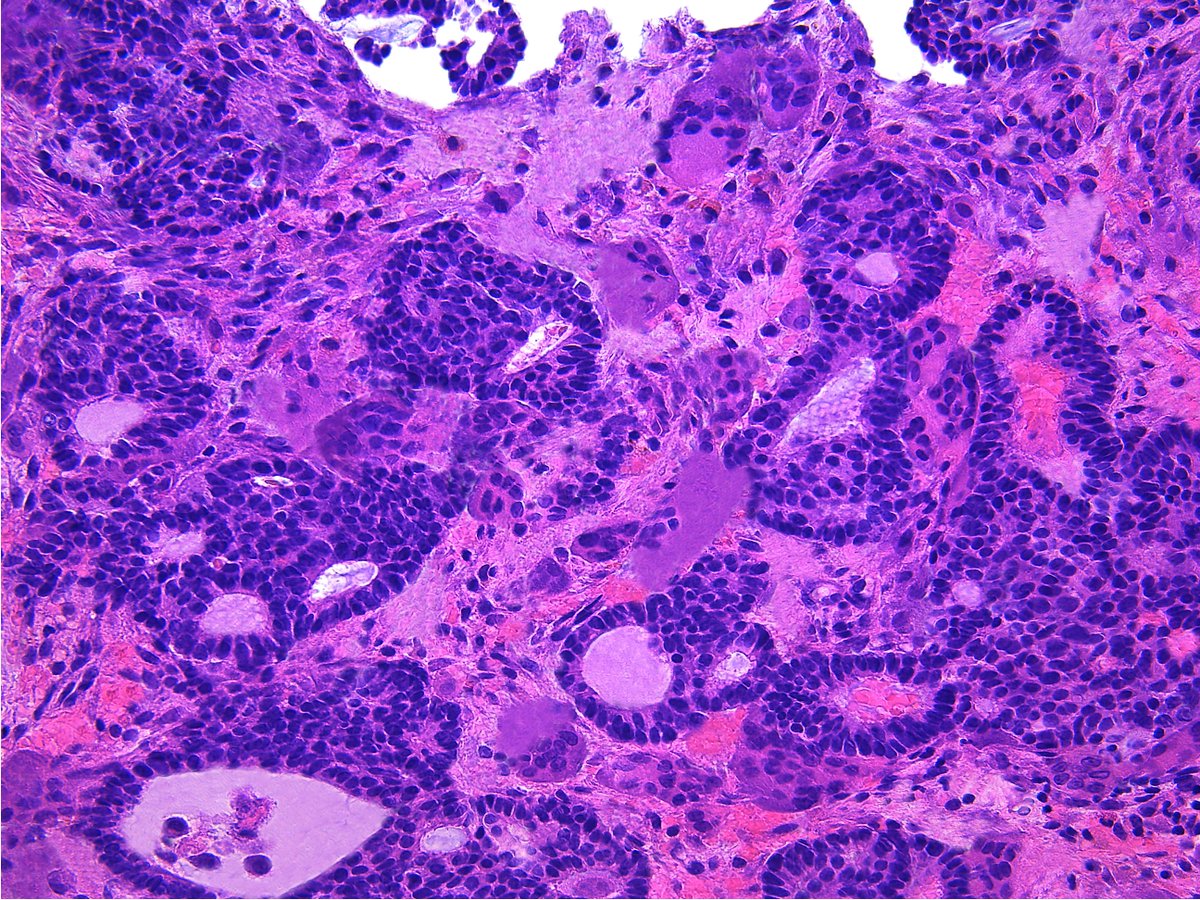
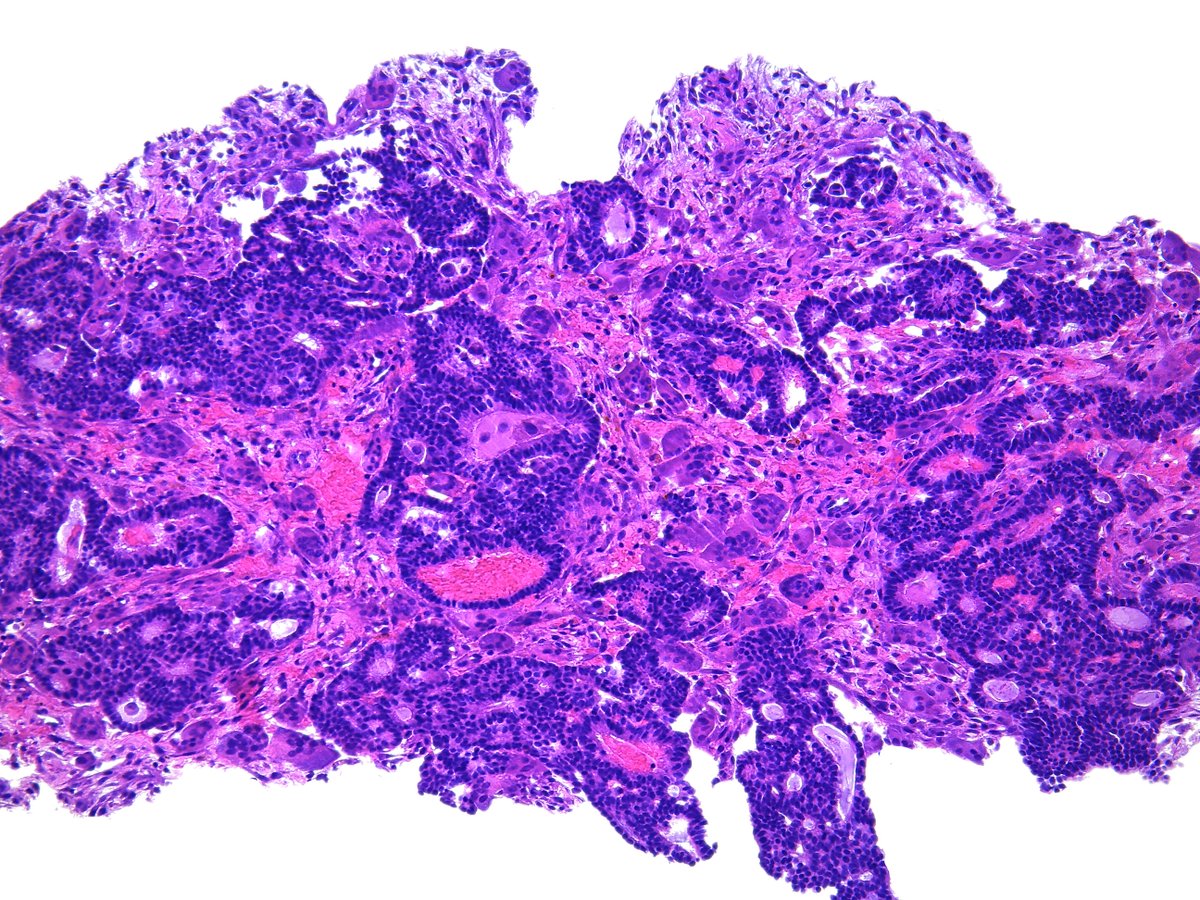
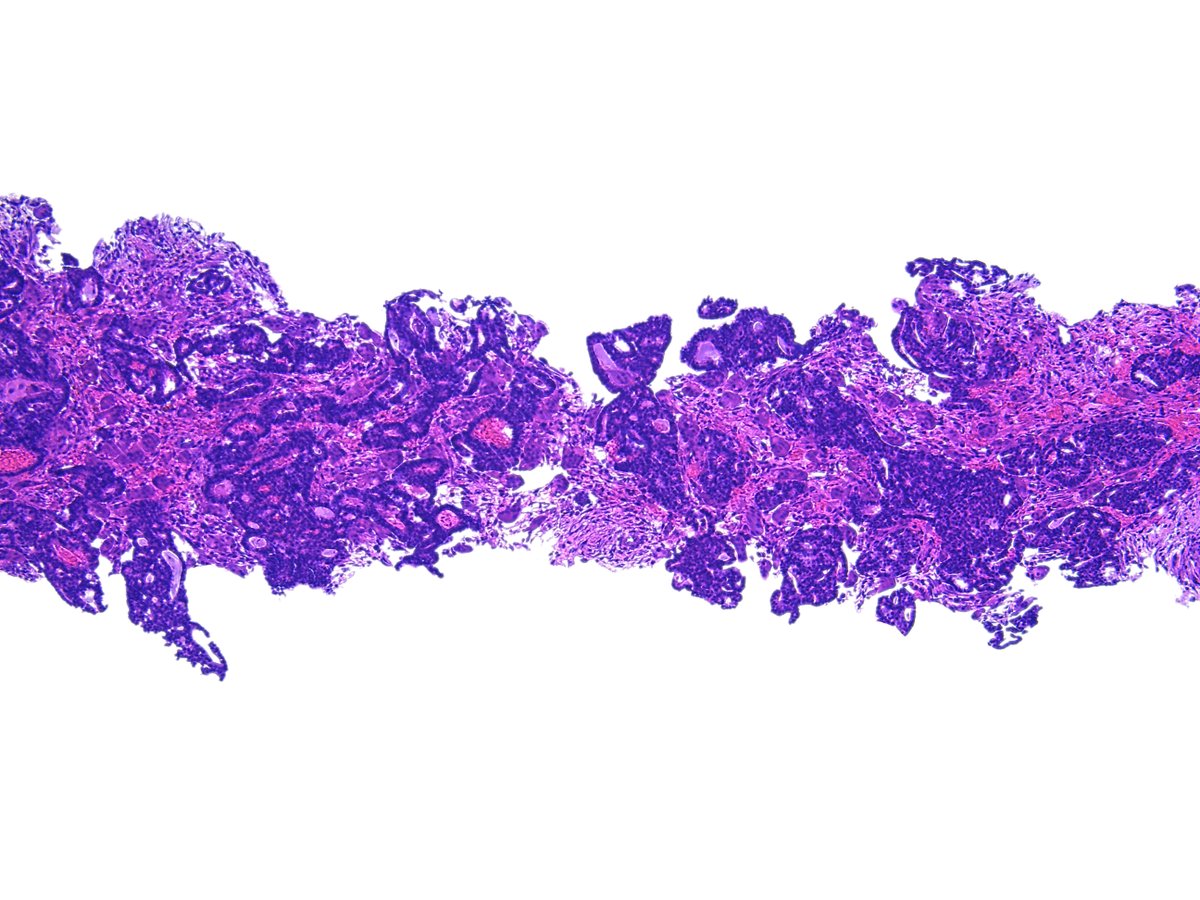
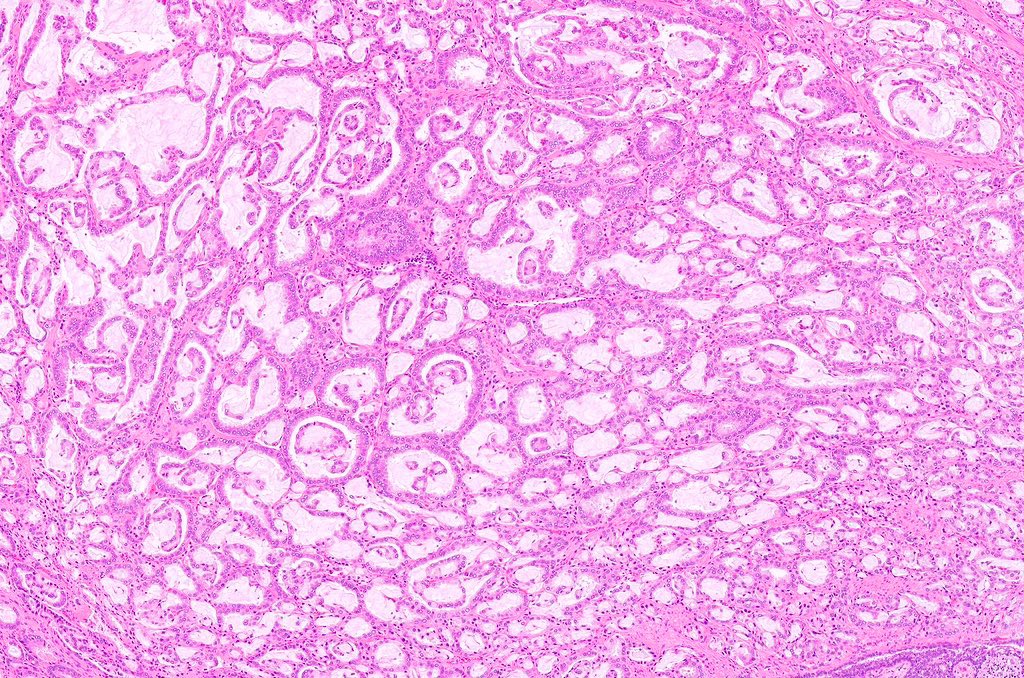
#slidearchiveseries prostatic adenocarcinoma with mucinous component #gupath
✅ prognosis similar to non-mucinous cancers of similar Gleason score
✅ subtract mucin, grade based on underlying architecture
✅ mucin present (≤25 🆚 >25%)
✅ final classification on resection
#Hemepath meets #GUPath
Pitfall alert 🚨GATA3/p63➕ in urinary bladder lymphomas (some with colonization of overlying urothelium) may mimic urothelial carcinoma (in situ)
Weird bladder tumor? Consider doing a keratin!
👉🏼IJSP read of the day: https://t.co/hlRjemsQ1h
#PathTwitter
🔬Rosen Triad crashes your biopsy. All three besties showing up together:
Tubular carcinoma: fancy well-differentiated
LCIS: not invasive but still problematic
Columnar cell change: just showed up for vibes
#breastpath#pathX#pathTweeter@ColumbiaPath@ColumbiaPathRes@TheISBP
@MaiElzieny 19.
There is a concept PGY1s should know about in lung cancer: "spread through air spaces" or "STAS". This is tumor within alveolar lumens (green circles) beyond the edge of the main mass (red line). Associated with micropapillary growth, lymph node mets & poor prognosis
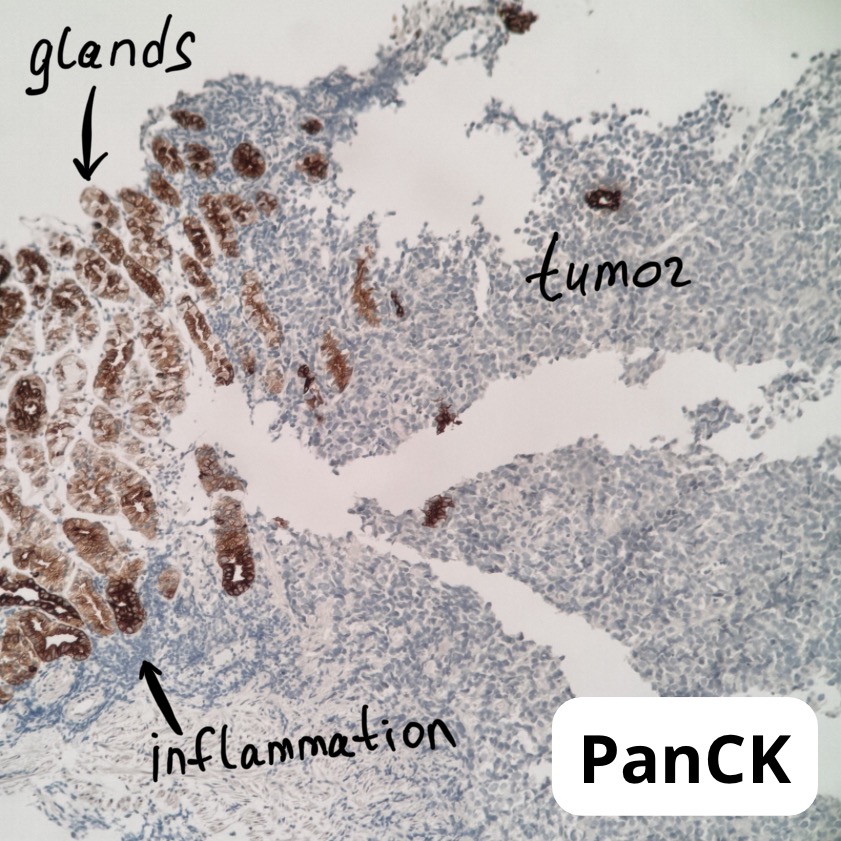
Gastric biopsy — almost called it poorly differentiated carcinoma. Lesson learned: always dig deeper on low-grade gastric tumors.
Turned out to be metastatic melanoma. Patient had a history of melanoma. Never skip the clinical context. 🔬
#pathology#pathtwitter#gipath