If you actually care about being a good role model and parent to your children, you will also naturally figure out how to become the most high-energy and ambitious version of yourself:
If you have a circle of confident, smart, non-judgmental friends with whom you can regularly meet in person and share highly stimulating conversations with, you are already naturally increasing your surface of luck:
If your father or mother is above 67, please pause and read this slowly.
At that age, life begins to feel different for them. The world moves faster, but their bodies move slower. The things they once did effortlessly now require effort. Their strength is not what it used to be, and even if they don’t say it, they feel it.
What they need now is not pressure. Not stress. Not arguments about money or past mistakes. They need stability. They need reassurance. They need to feel safe.
If they have savings, protect it. This is not the stage for risky investments or “let’s try this opportunity.” It is the stage for preservation. Capital safety matters more than high returns. Peace of mind matters more than profit.
If they depend on you financially, don’t see it as a burden. See it as a privilege. The same hands that once carried you are now weaker. The same voices that defended you now speak softer. Support them with dignity, not pity.
And beyond money, give them something deeper.
Call them without being in a hurry.
Sit with them without checking your phone every two minutes.
Let them repeat stories you’ve heard before. One day, you will wish to hear those stories again.
At 67 and above, what they truly fear is not death. It is loneliness. It is feeling forgotten.
Take care of their health. Help them organize their documents. Make sure they are not being financially manipulated. Protect them from stress. But most importantly, protect their heart.
Because one day, the chair they sit on will be empty.
And no amount of money will buy back one more conversation.
🚨I have bad news everyone 🚨
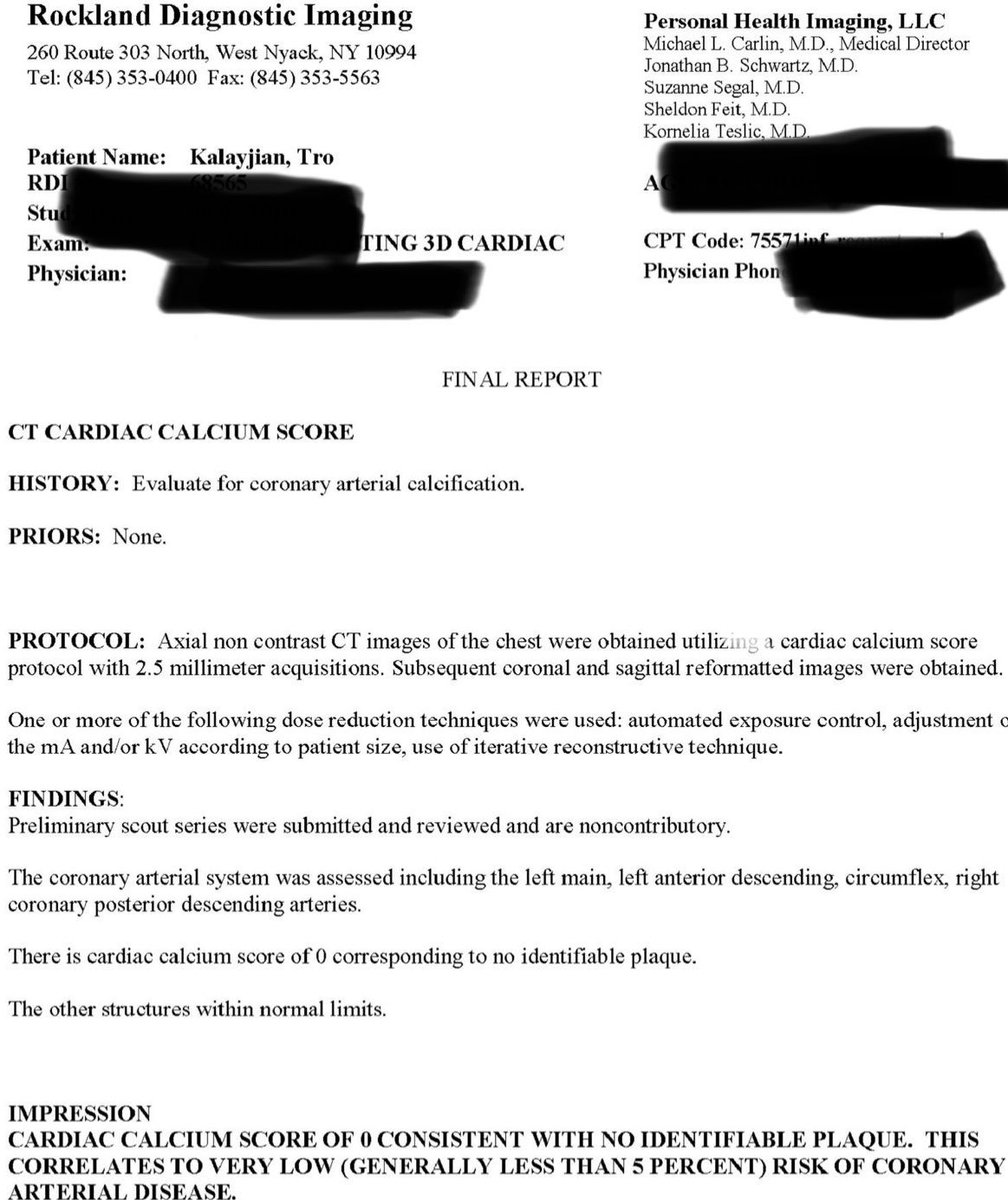
After 9 years eating ketogenic, no processed carbs, no sugar, very little fruit but plenty of steak and eggs, I regret to inform you about my most recent heart scan and the ultrasounds of my arteries.
My most recent calcium scan was zero, and my carotids and femoral arteries are completely free of any plaque 😮
Why is this bad?
Somewhere, on some corner of the earth there is a vegan who will be suffering to see me thrive eating animals.
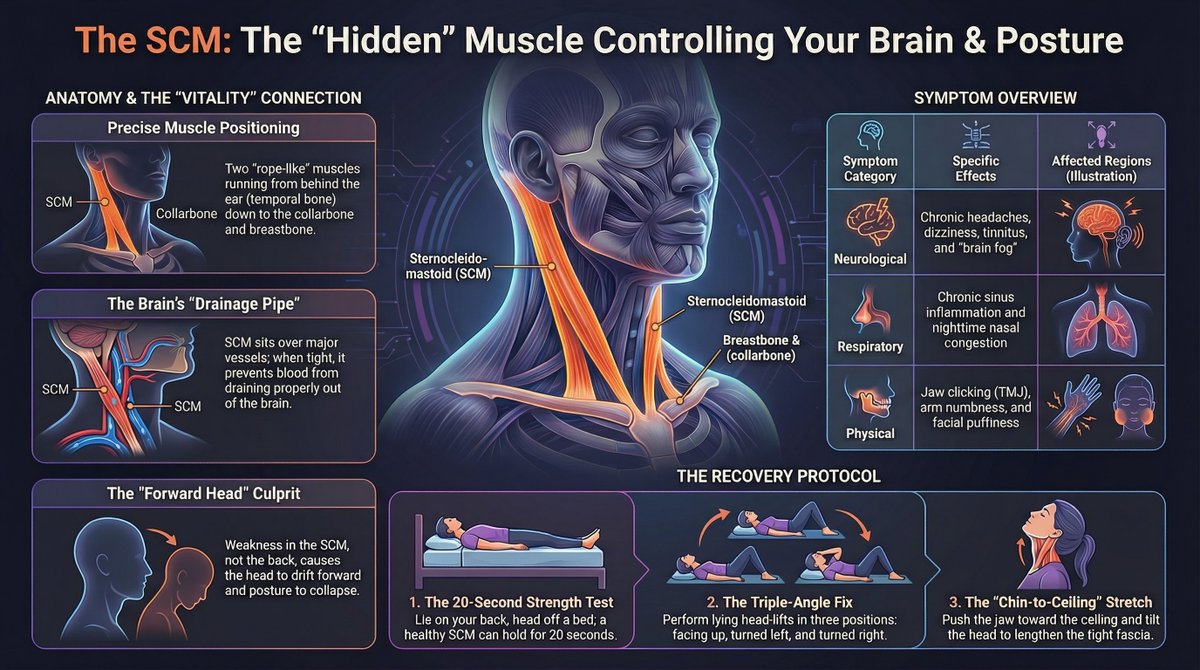
THE FORGOTTEN MUSCLE THAT CONTROLS YOUR BRAIN
Your neck has a muscle that does more than turn your head. When it weakens, you get headaches. You feel dizzy. Your sinuses stay inflamed. Your jaw clicks. You look older.
Most people never think about it. It shrinks without warning. By the time you notice, the damage spreads through your skull, your face, your arms.
The muscle is your sternocleidomastoid. It runs from behind your ear down to your collarbone and breastbone. You have one on each side. Right now, put your fingers on the side of your neck and turn your head. Feel that rope of muscle pop out? That's it.
When it works, it stabilizes your neck and controls head rotation. When it fails, everything changes.
WHAT HAPPENS WHEN IT WEAKENS
The problems start subtle. A headache in your temple that won't quit. Dizziness when you stand up. One nostril plugs at night. Switch sides, the other plugs.
Your face pufffs. Your jaw hurts. You can't chew on one side. The muscle sits over your carotid artery and the veins draining your brain. When it shrinks and hardens, those vessels compress. Blood gets in fine. Blood getting out? That's the problem.
Venous congestion builds in your sinuses. The membranes stay swollen. You get sinusitis. It becomes chronic because the swelling never fully resolves. Your immune system fights inflammation that never ends.
Your head drifts forward. Not from weak back muscles like everyone assumes. From this weak front muscle.
When your sternocleidomastoid stops working, nearby muscles take over. The scalenes, tucked behind and under it, start doing the rotation. But they need your head forward to generate torque. So your posture shifts.
The muscle shortens. Its fascia tightens. The neurovascular bundle running to your arm gets squeezed between the scalenes. Your arm goes numb.
Your grip weakens. The muscle atrophies no matter how much you train it, because the nerve signal can't get through.
Memory gets worse. The reduced blood flow from your brain affects cognitive function. Tinnitus starts. The temporal bone where the muscle attaches sits right next to your inner ear.
Check yours right now. Turn your head left and feel the right side of your neck. Does the muscle pop out and get hard? Turn right and check the left side. If one side stays soft, that side isn't working.
THE TEST
Lie on your back at the edge of a bed. Let your head hang off. Now lift it and hold it there.
Can you hold for 20 seconds without shaking? Your muscle works adequately. Can you only manage 10 seconds before your head trembles? It's weak. You need the basic exercises.
Can't lift it at all? You need the easiest version.
THE FIX
Start gentle. Lie flat with a small pillow under your shoulder blades. Lift your head. Hold for 10 seconds. If that's too hard, hold for five. Rest. Do it again.
Three positions matter. Head straight up. Head turned left. Head turned right. Two or three sets of each. The turned positions work each sternocleidomastoid individually.
Your hand can check if the muscle engages. Touch it while you lift. If your head is up, the muscle should be rock hard. If it stays soft, the muscle isn't firing.
Progress slowly. When 20 seconds feels easy, when 30 seconds is manageable, you're ready for more load.
STRETCHING THE FASCIA
The muscle shortens from years of forward head posture. The fascia around it tightens. You need to lengthen it.
Make two fists. Stack them. Put your chin on top. Push your chin forward slightly. You should feel a stretch from your collarbone to your jaw. Hold one minute. If the stretch is intense, use one fist instead of two.
Too easy? Raise the height. Put your arms on a pillow or bolster. Use books. Work up to a yoga block. The stretch should pull but not hurt.
Another method works sitting or standing. Push your chin up and forward. Reach for the ceiling with your jaw. The front of your neck stretches. Tilt your head slightly left. You'll feel more stretch on the right. Tilt right for the left side. Add small rotations to hit different angles.
Do this after the strengthening work, not before. You want to load the muscle when it's fresh, then stretch it when it's warm.
THE ADVANCED LOAD
Get a foam roller. Not the hard kind. A softer one works better, though either functions.
Stand facing a wall. Put the roller between your forehead and the wall. Step back. At some point, you'll lean into the roller enough that your neck muscles engage to hold your head up. That's your working distance.
Don't go too far back at first. Find the distance where you feel the load but can hold the position without strain. Five seconds the first time. Build to 15 seconds. Do not exceed 15 seconds per set.
Your feet closer to the wall means less load. Farther means more. Most people should start with feet maybe a foot from the wall.
Add rotation once the static hold is easy. Twist your shoulders left and right while holding the position. Ten rotations per set. The load increases substantially.
If you've never trained your neck, forget the advanced version for now. Stick with the head weight exercises. Do those for weeks. Get strong there first.
THE SCHEDULE
Light exercises using just your head weight can be done daily. Alternate harder and easier days if you want.
The roller work should happen two or three times per week maximum. The muscle needs recovery time between heavy loads.
After one session, look in the mirror. Your head will sit farther back. The outlines of both sternocleidomastoid muscles will show. Your face will look tighter.
Over weeks, the headaches fade. The sinus pressure drops. Your jaw moves smoothly. You sleep with both nostrils open. The puffiness in your face reduces. People tell you that you look younger, though they can't say why.
Your memory sharpens. The improved venous drainage from your brain makes a difference you can feel. Dizziness stops. Tinnitus quiets or disappears.
The muscle grows. The fascia lengthens. Blood flow normalizes. The vessels under the muscle decompress. Your arm strength returns if it was affected. The numbness goes away.
This isn't a small thing. This muscle connects to your brain function, your facial appearance, your pain levels, your ability to breathe through your nose at night. It affects your jaw, your posture, your arm strength.
Most people will never know it exists until they read this. Most will never check if theirs works. The ones who do the exercises will notice changes within days.
Start tonight. Do the test. See if you can hold your head up for 20 seconds. If you can't, you know what needs work. If you can, do it anyway. Stronger is better. The muscle can always improve.
Your brain will thank you. Your face will thank you. Your neck will stop hurting. Your sinuses will clear. You'll sleep better, think better, look better.
All from one muscle. All from 10 minutes of work, three times a week.
We now have evidence that gentle parenting doesn’t work.
Here’s an uncomfortable truth about parenting no one wants to say out loud:
The data is not kind to gentle parenting.
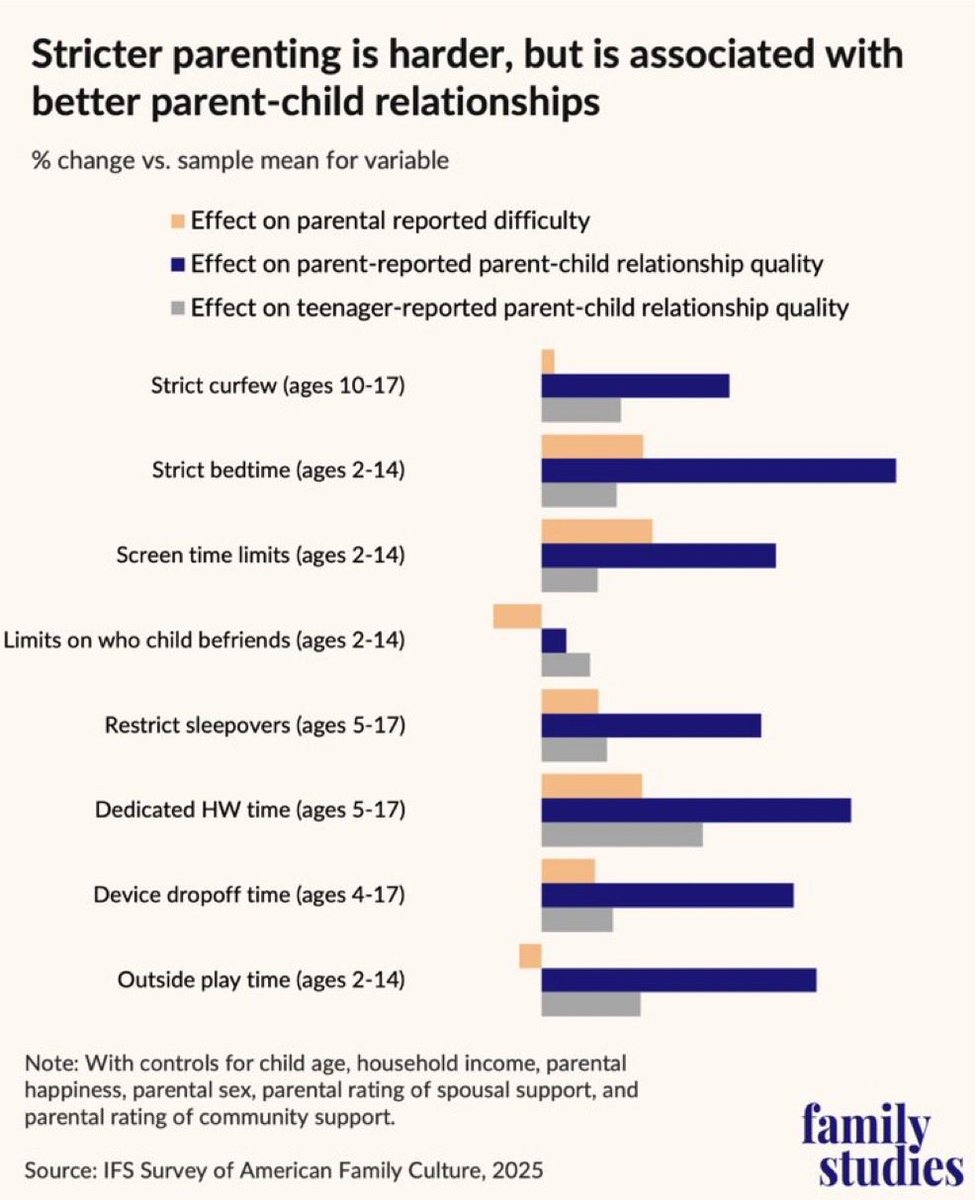
According to teenagers, strict curfews. strict bedtimes, screen limits, device drop off times, dedicated homework blocks, and sleepover restrictions IMPROVE higher relationship quality.
And yes, parenting difficulty goes up.
Of course it does. Leadership is harder than appeasement.
For the past decade we have been sold a watered down, Instagram friendly version of “gentle parenting” that often collapses into boundary avoidance, endless negotiation and emotional processing without enforcement. Parents terrified of saying no because they do not want to rupture connection.
But connection without authority is not connection. It is dependency.
When parents impose structure, the relationship improves.
Teenagers report better parent child relationship quality in homes with curfews and rules. Younger kids report better relationships in homes with screen limits and bedtimes. Even device drop off times correlate positively.
Why?
Because structure is not cruelty. Structure is love made visible.
A bedtime says: your brain matters more than your entertainment.
A screen limit says: your dopamine system is not fully developed and I will guard it until it is.
A curfew says: your safety matters more than your social standing.
That is not authoritarianism. That is caring.
Boundaries create friction. Friction creates growth. The parent absorbs the short term discomfort so the child does not pay the long term cost.
Children do not experience well calibrated limits as rejection. They experience them as stability. The human brain craves predictability. Predictability reduces anxiety. Reduced anxiety strengthens attachment.
That is why relationship quality goes up.
Notice something else in the data. The strongest effects are around time structure. Bedtime. Homework. Devices. Outside play. These are environmental constraints. They scaffold executive function.
The winning formula is not tyranny.
It is high warmth plus high structure.
The modern failure mode is high warmth plus low structure. That is just abdication of responsibility wrapped in empathy.
Children need leadership, not negotiation. They need adults who can tolerate their anger. They need boundaries that do not move every time emotions spike. They need someone whose prefrontal cortex is fully myelinated.
The harder path produces the stronger bond.
Because when a child feels that someone is strong enough to hold the line, they relax. And relaxed nervous systems build durable relationships.
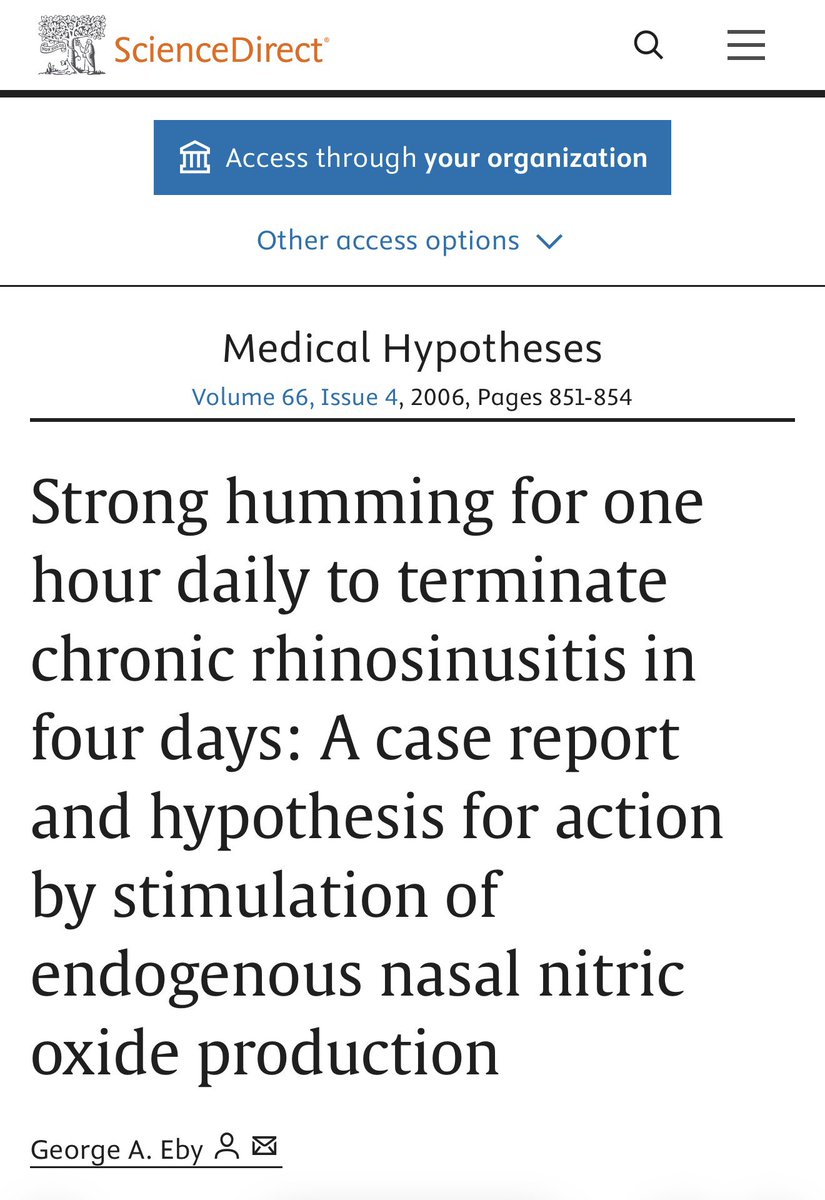
WOAH. Strong humming 1h x 4 days in a row may eliminate sinusitis permanently.
Just did my first hour
Observations:
- Nasal passages are wide open
- Voice sounds much clearer
Only 10min / day is required for maintenance
Thank you to @breath_Guy for sharing the case report
best hair of your life:
- no shampoo
- lots of steak
- sunlight on the head
- neck and head massage
- lower stress
- swimming in the ocean
- beef liver for vitamin a and copper
- sardines weekly for silica
- 20g of collagen a day
"Tell me about a time you failed."
You take a deep breath. The room is quiet. Every eye is on you.
This isn’t about the failure itself, it’s about how you respond, take ownership, and grow.
Use these 4 right answer patterns so you can leave a lasting impression.
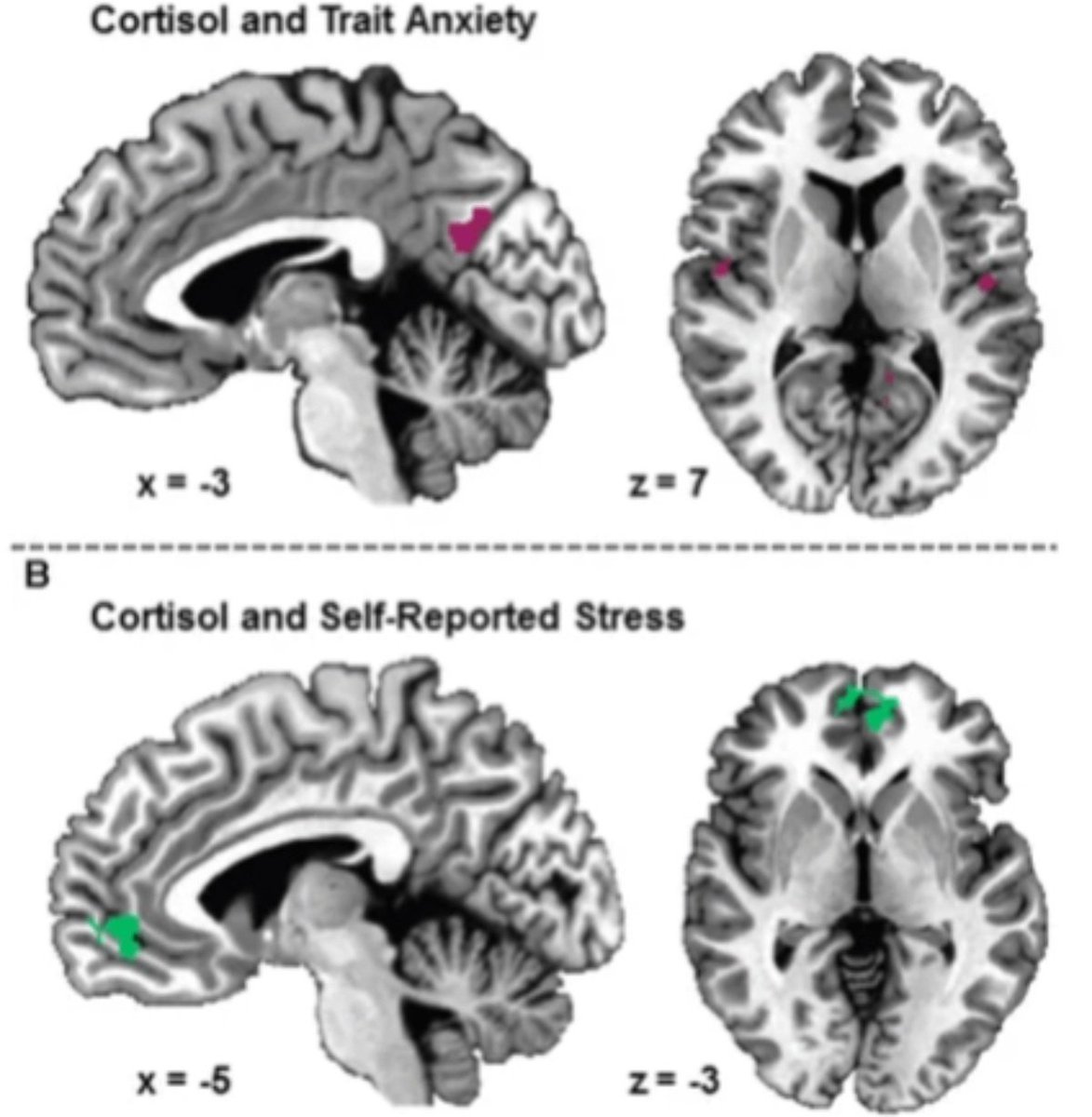
Andrew Huberman just dropped a 2‑hour masterclass on cortisol — your body’s main stress hormone.
High cortisol = burnout, faster aging, weight gain, memory loss, heart disease, Alzheimer’s.
Here’s a 7‑step protocol to fix your cortisol (backed by science):🧵
One of the greatest cheat codes in life is to never get offended. Train yourself to have a thick skin. Don't take things personally. Let others disagree with you. Being easily offended means you're easily manipulated. Want more peace? Avoid getting offended.
@Mary101010Mary@toobaffled Well if they are all batsh*t crazy as you say..
Then how can patiens see regonise the "healthy fakes" but batsh*t crazy staff dosent?
So its a combination of being batsh*t crazy + majoring it = Elevated Madness.
Well if you think about it...
To better understand how your brain actually uses dopamine and serotonin to control what you learn and how fast, what you consider rewarding or aversive
etc I recommend this podcast with Dr Read Montague. Also discusses AI tools. Enjoy!