Oncólogo Clínico.🦀🧬💊
Vasallo insurrecto del emperador de todos los males.
Cáncer, ciencia, libros, música, sarcasmo ...y una que otra opinión personal.
🧬💣 Antibody–drug conjugates were designed as “magic bullets.” But a new 2026 JCI Review argues that the most successful ADCs are not really precision missiles—they are hybrid therapies combining targeted distribution with chemotherapy-like, spatially distributed killing.
That distinction may explain why ADCs have transformed breast cancer treatment.
ADC ≠ antibody + chemotherapy
Instead:
ANTIBODY
determines where the drug preferentially travels
LINKER
determines where/when payload is released
PAYLOAD
determines what happens after release
TUMOR MICROENVIRONMENT
determines how far the effect spreads.
Guo & Ellisen therefore propose a more nuanced view:
ADCs are targeted primarily in BIODISTRIBUTION—not necessarily in CYTOTOXICITY. 207630.1-20260930212758-covered…
That may be the key conceptual shift in this excellent review.
🎯 The original ADC model was simple
Paul Ehrlich's “magic bullet” concept:
ANTIBODY
↓
tumor antigen
↓
internalization
↓
lysosome
↓
payload release
↓
TARGET CELL DIES
A conventional ADC contains:
antibody
linker
cytotoxic payload.
207630.1-20260930212758-covered…
But modern ADC biology is much messier—and more interesting.
Today's effective ADCs can also act through:
EXTRACELLULAR PAYLOAD RELEASE
BYSTANDER KILLING
Fc-MEDIATED IMMUNITY
IMMUNOGENIC CELL DEATH
TARGET-INDEPENDENT UPTAKE
meaning an antigen-positive cell may function partly as a:
LOCAL DRUG-DELIVERY HUB
rather than the only cell destined to die. 207630.1-20260930212758-covered…
🔥 The clearest example: T-DM1 vs T-DXd
Both target:
HER2
and both use trastuzumab.
Yet their clinical behavior is dramatically different.
T-DM1
HER2 antibody
noncleavable MCC linker
DM1 tubulin inhibitor
DAR ≈ 4
membrane-impermeable payload
→ essentially NO BYSTANDER EFFECT
versus
T-DXd
HER2 antibody
cathepsin-cleavable linker
DXd TOP1 inhibitor
DAR ≈ 8
membrane-permeable payload
→ STRONG BYSTANDER EFFECT.
207630.1-20260930212758-covered… 207630.1-20260930212758-covered…
And the clinical difference is substantial.
In DESTINY-Breast03:
T-DXd PFS = 25.1 months
versus
T-DM1 = 7.2 months
and in DESTINY-Breast05, 3-year invasive disease-free survival was:
92.4% vs 83.7%.
207630.1-20260930212758-covered…
Same antibody.
Same target.
Very different drug.
That tells us something fundamental:
THE PAYLOAD–LINKER SYSTEM CAN MATTER AS MUCH AS THE ANTIBODY.
💥 BYSTANDER KILLING changed the meaning of “HER2-targeted”
T-DM1 largely requires:
HER2⁺ CELL → INTERNALIZATION → DEATH.
But T-DXd can release membrane-permeable DXd that diffuses into neighboring:
HER2-low
or even
HER2-negative cells.
207630.1-20260930212758-covered…
This helps explain one of the biggest conceptual changes in breast oncology:
HER2 is no longer merely an oncogenic driver.
For an ADC, HER2 can also function as:
A DELIVERY ADDRESS.
That is why T-DXd works in:
HER2-low
and even
HER2-ultralow
breast cancer populations that would historically not have been considered candidates for HER2-targeted therapy. 207630.1-20260930212758-covered…
🧬 The same logic applies to TROP2 ADCs
The FDA-approved breast cancer ADC landscape discussed in the review includes four major agents:
T-DM1 → HER2 / DM1
T-DXd → HER2 / DXd
Dato-DXd → TROP2 / DXd
SG → TROP2 / SN-38.
Three of these use:
TOP1 INHIBITOR PAYLOADS
and support bystander killing. 207630.1-20260930212758-covered…
In metastatic TNBC, sacituzumab govitecan transformed treatment.
In ASCENT:
median PFS
5.6 vs 1.7 months
median OS
12.1 vs 6.7 months
versus chemotherapy. 207630.1-20260930212758-covered…
The emergence of these drugs is particularly important because TNBC historically lacked strong target-selective therapeutic options.
🧪 LINKER chemistry may be the hidden pharmacology of ADCs
Linkers determine:
WHERE
and
WHEN
the payload becomes pharmacologically active.
Noncleavable linker:
ADC → internalization → lysosomal degradation → payload
Cleavable linker:
ADC → protease / acidic pH / reducing environment → payload release
and potentially:
EXTRACELLULAR RELEASE.
207630.1-20260930212758-covered…
This means ADC activity does not necessarily require every antibody molecule to enter a cancer cell.
Extracellular proteases in the TME may cleave some linkers before internalization.
For SG, acidic conditions can promote linker hydrolysis.
Thus:
TME BIOLOGY BECOMES PART OF ADC PHARMACOLOGY.
⚖️ More payload is NOT always better
Another important concept is:
DAR — drug-to-antibody ratio.
Intuitively:
higher DAR
→ more payload
→ better ADC.
But biology disagrees.
High DAR also causes:
hydrophobicity ↑
aggregation ↑
clearance ↑
tolerability ↓.
And the authors discuss the fascinating:
“SATURATION FRONT”
phenomenon.
High-payload/high-affinity ADCs can bind rapidly to cells around tumor vessels.
That creates:
PERIVASCULAR SATURATION
and prevents deeper tumor penetration. 207630.1-20260930212758-covered…
So paradoxically:
MORE DRUG PER ANTIBODY
can sometimes mean
LESS EFFECTIVE TUMOR DISTRIBUTION.
🤯 And perhaps <1% reaches the tumor
One particularly sobering observation in the review:
on-tumor ADC distribution is typically <1% of the administered dose.
207630.1-20260930212758-covered…
That alone challenges the simplistic “precision missile” metaphor.
Most ADC molecules do not end up neatly delivering their payload exclusively to antigen-positive cancer cells.
This also helps explain why:
OFF-TUMOR TOXICITY
remains central to ADC pharmacology.
⚠️ Toxicity is often NOT caused by target expression
Consider T-DXd.
Its most concerning toxicity is:
INTERSTITIAL LUNG DISEASE / PNEUMONITIS
reported in up to ~15% of patients in the literature reviewed here.
Yet the review emphasizes that this appears largely:
TARGET-INDEPENDENT
rather than simply HER2-mediated toxicity in lung epithelium.
Preclinical work points toward ADC uptake by:
ALVEOLAR MACROPHAGES.
207630.1-20260930212758-covered…
Likewise, T-DM1-associated thrombocytopenia can involve:
FcγRIIa-mediated uptake
or
macropinocytosis
by megakaryocytes. 207630.1-20260930212758-covered…
So ADC toxicity depends on:
TARGET
LINKER STABILITY
PAYLOAD
Fc BIOLOGY
NONSPECIFIC CELLULAR UPTAKE.
🧠 Then comes the major biomarker problem
We currently select ADCs largely using:
TARGET EXPRESSION.
But target abundance is an incomplete biomarker.
ADC efficacy can depend on:
antigen abundance
antigen heterogeneity
internalization
receptor recycling
lysosomal processing
linker cleavage
payload sensitivity
efflux transporters
apoptosis competence
tumor penetration.
The diagram in Figure 2, page 5 captures this beautifully. 207630.1-20260930212758-covered…
So:
HER2 IHC ≠ COMPLETE ADC BIOMARKER
and
TROP2 IHC ≠ COMPLETE ADC BIOMARKER.
🔄 Worse: the target itself changes during treatment
HER2 is not static.
Treatment pressure can shift tumors between:
HER2-positive
↔
HER2-low
↔
HER2-zero.
207630.1-20260930212758-covered…
After T-DXd progression:
49%
of paired patient samples reportedly showed HER2 downregulation,
and more than half of those showed:
COMPLETE HER2 LOSS.
207630.1-20260930212758-covered…
Resistance can also occur without antigen loss through HER2 binding-site mutations such as:
V597M
P593R
which preserve surface expression but reduce trastuzumab binding.
So a biopsy saying:
“HER2 PRESENT”
does not necessarily mean:
“T-DXd CAN STILL BIND EFFECTIVELY.”
💣 PAYLOAD resistance may be equally important
A tumor can preserve the ADC target but become resistant to its warhead.
Examples include:
lysosomal dysfunction
SLC46A3 loss
caveolin-mediated trafficking changes
STAT3 activation
PLK1 activation
ABCC1 drug efflux.
207630.1-20260930212758-covered…
And perhaps most strikingly:
TOP1 MUTATIONS
were detected in:
12.9%
of patients progressing after TOP1i ADCs
versus
0.7%
in ADC-naive breast cancer.
207630.1-20260930212758-covered…
Patients harboring these mutations had dramatically shorter responses to subsequent TOP1i ADCs:
52 vs 455 DAYS.
207630.1-20260930212758-covered…
That provides a mechanistic explanation for:
ADC CROSS-RESISTANCE.
🔁 This makes ADC SEQUENCING a major clinical problem
Suppose a patient progresses on:
T-DXd
HER2 → DXd
Should we switch to:
SG
TROP2 → SN-38?
The antibody target changes.
But both payloads inhibit:
TOP1.
Therefore:
TARGET SWITCH ≠ MECHANISM SWITCH.
Real-world analyses suggest cross-resistance is particularly problematic when sequential ADCs share payload mechanisms. 207630.1-20260930212758-covered…
One multicenter study cited in the review found approximately:
different payload class → ORR 22.6%
same payload class → ORR 5.3%
although PFS remained similar and these data remain retrospective. 207630.1-20260930212758-covered…
This suggests future ADC sequencing may require something analogous to antimicrobial resistance testing:
WHAT TARGET REMAINS?
WHAT PAYLOAD IS THE TUMOR STILL SENSITIVE TO?
🧬 A future ADC biopsy may therefore need MULTI-DIMENSIONAL profiling
Not simply:
HER2 = 1+
but perhaps:
HER2 abundance + spatial heterogeneity
TROP2 abundance
binding-site mutation status
TOP1 status
ABCC1 expression
lysosomal function
SLC46A3
DNA repair state
TME penetration
immune context.
The review specifically highlights:
quantitative immunofluorescence
spatial antigen mapping
and
AI-assisted digital pathology
as emerging approaches beyond conventional categorical IHC. 207630.1-20260930212758-covered…
🛡️ ADCs may also function as IMMUNOTHERAPY
TOP1 inhibitor payloads can trigger:
IMMUNOGENIC CELL DEATH
including:
calreticulin exposure
HMGB1 release
ATP release
leading to:
dendritic-cell activation
→ antigen presentation
→ T-cell priming.
207630.1-20260930212758-covered…
The antibody component can additionally promote:
ADCC
via NK cells
and
ADCP
via macrophages.
Figure 3 on page 6 nicely illustrates how bystander killing, extracellular payload release, ADCC, ADCP, immunogenic cell death, stromal barriers and abnormal vasculature all interact within the TME. 207630.1-20260930212758-covered…
So ADCs are potentially:
TARGETED DELIVERY
CHEMOTHERAPY
IMMUNE MODULATION.
🔥 ADC + ICI combinations are already testing this idea
In first-line PD-L1-positive advanced TNBC:
SG + pembrolizumab
improved PFS over chemotherapy + pembrolizumab in ASCENT-04.
And in BEGONIA:
Dato-DXd + durvalumab
produced approximately:
80% ORR
regardless of PD-L1 expression. 207630.1-20260930212758-covered…
But the story is not universally positive.
T-DXd + nivolumab has so far produced response rates broadly comparable with historical T-DXd monotherapy.
And DAISY biomarker analyses did not show a clear increase in granzyme-B⁺ CD8 T cells during T-DXd therapy. 207630.1-20260930212758-covered…
So:
ICD IN MICE ≠ GUARANTEED ICI SYNERGY IN HUMANS.
That translational distinction is important.
🧬 Another rational combination: ADC + PARP inhibition
TOP1 inhibitors trap:
TOP1 cleavage complexes
on DNA.
PARP inhibition can further prevent repair of this damage.
Thus:
TOP1i ADC
PARPi
=
DNA DAMAGE AMPLIFICATION.
207630.1-20260930212758-covered…
The interesting pharmacological idea is that ADC delivery may create a larger:
TUMOR : NORMAL PAYLOAD GRADIENT
allowing sequential ADC/PARPi dosing that might be too toxic if both drugs were delivered systemically.
🚀 But the FUTURE of ADCs may look nothing like chemotherapy
This is perhaps the most exciting part of the review.
The next generation expands along:
THREE AXES
1️⃣ NEW TARGETS
Beyond HER2 and TROP2:
HER3
Nectin-4
mesothelin
FOLR1
B7-H3
B7-H4
Claudin 18.2
LIV1
ROR1/ROR2
tissue factor.
And even:
CANCER-ASSOCIATED FIBROBLASTS
or
ENDOTHELIAL CELLS
can become ADC targets. 207630.1-20260930212758-covered…
That represents another conceptual shift:
THE ANTIBODY DOESN'T EVEN HAVE TO TARGET THE CANCER CELL.
A stromal target can function as an anchor for local payload release.
2️⃣ NEW PAYLOADS
Future ADC-like conjugates may carry:
🧬 siRNA
♻️ PROTACs
🧲 molecular glues
🛡️ STING agonists
🔥 TLR7/8 agonists
☢️ radionuclides
💡 photosensitizers
☠️ immunotoxins
✍️ α-amanitin.
207630.1-20260930212758-covered…
Table 4 on page 10 shows just how far the field has moved beyond conventional cytotoxic payloads. 207630.1-20260930212758-covered…
Perhaps eventually the term:
ANTIBODY–DRUG CONJUGATE
will become too narrow.
These are increasingly:
ANTIBODY-GUIDED MOLECULAR DELIVERY PLATFORMS.
3️⃣ SMARTER ANTIBODIES
Next-generation engineering includes:
biparatopic ADCs
→ two epitopes on one antigen
bispecific ADCs
→ two different antigens
dual-payload ADCs
→ two different warheads
probody ADCs
→ masked until activated in the TME
Fc engineering
→ tune immunity / half-life
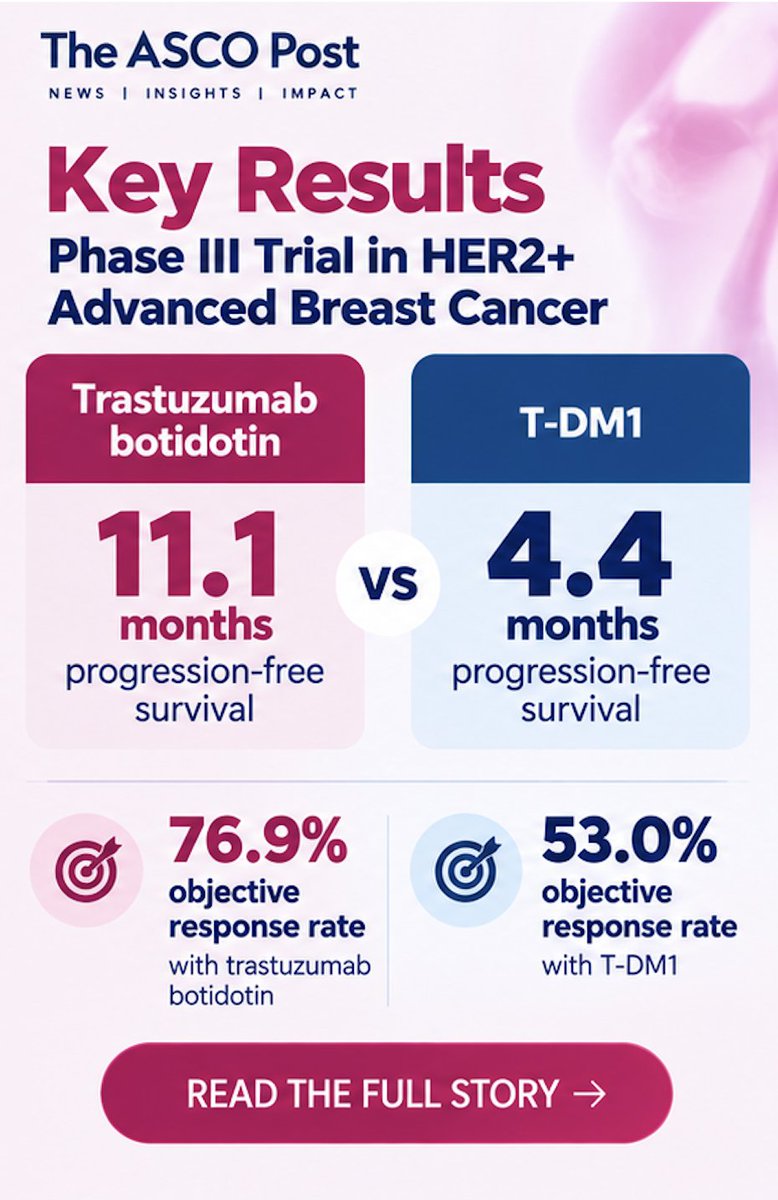
In a phase 3️⃣ trial, trastuzumab botidotin improved median PFS vs ado-trastuzumab emtansine in previously treated HER2+ advanced #BreastCancer: 11.1 vs 4.4 months.
➡️ The benefit was consistent across prespecified subgroups
▪️Xichun Hu, MD | @JCO_ASCO
🔗 https://t.co/G2DyUHoHf5
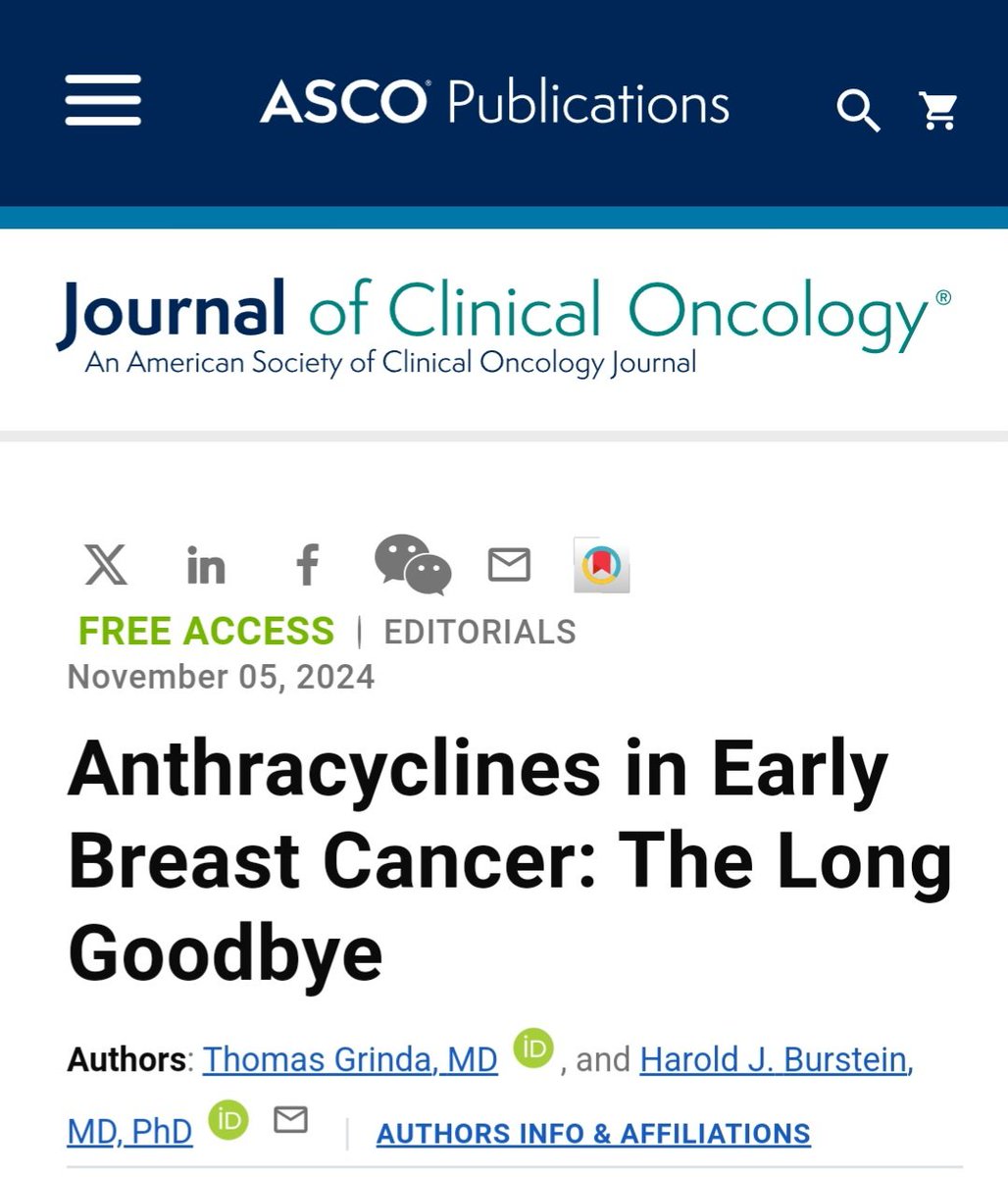
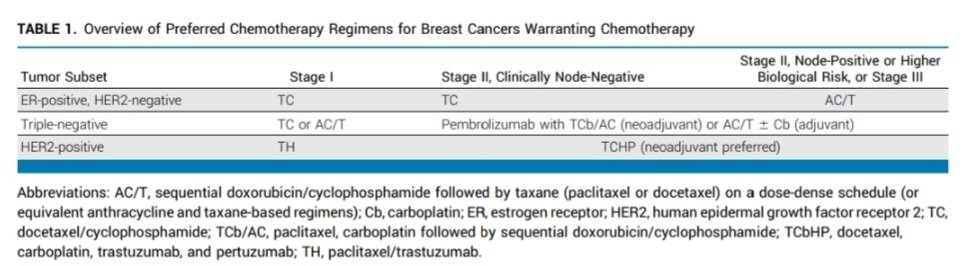
Anthracyclines in Early Breast Cancer: The Long Goodbye
💥The era of anthracycline-based chemotherapy in early breast cancer is fading, with newer treatments offering safer and more effective options for many patients
https://t.co/JYG0couV7m
#AlAire@enfinw969 | Luis Alfonso Romero Robles,
Oncologo Medico egresado del Hospital 20 de Noviembre, adscrito en el Hospital General de León y miembro de la Sociedad Mexicana de Oncología
Cómo detectar el cáncer de piel a tiempo
Con @LopezElizondo11 y @marycarmenlara_ 🎙️ @leoncologo
•Por el 96.9 FM o el 900 AM📻
•Conéctate #EnVivo https://t.co/rackhIHSKE
•O en nuestra app https://t.co/qBIQ75XEF7📲
Presented by @RebeccaDSing at #ESMOBreast24 w/ simultaneous publication in Annals of Oncology 1st results of Impassion132 showing no benefit of adding #atezoliyumab to 1st line CT in pts w/ advanced #TNBC relapsing <12months.
#AnnOnc#BreastCancer https://t.co/DXTDJ38uhx
Incredibly excited to see our article on optimizing the safety of ADCs making it to the cover of the August issue of @NatRevClinOncol! Also, glad to announce that the article will be open access for the next month! Read it here: https://t.co/QcpeKTosCq
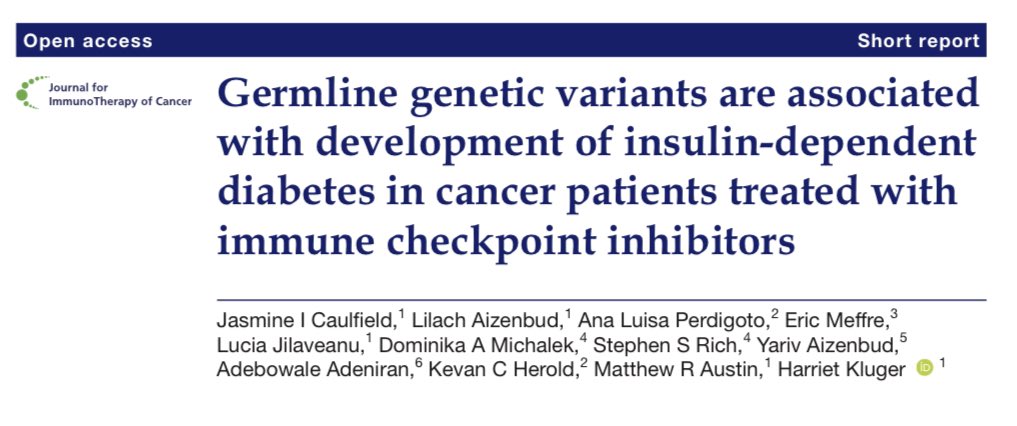
Wonderful study: 9/13 pts with ICI-related diabetes had germline mutations in NLRC5, with a significantly higher incidence than the general population. Toxicity biomarkers should be a priority of cancer research, particularly given the expanding use of IO in the curative setting.
I remember when the idea of a new journal was first discussed... and not #impact factor 7.3! 🙌 Congratulations @cczielinski for this important achievement and for @myESMO initiative! @OncoAlert@ElsevierConnect
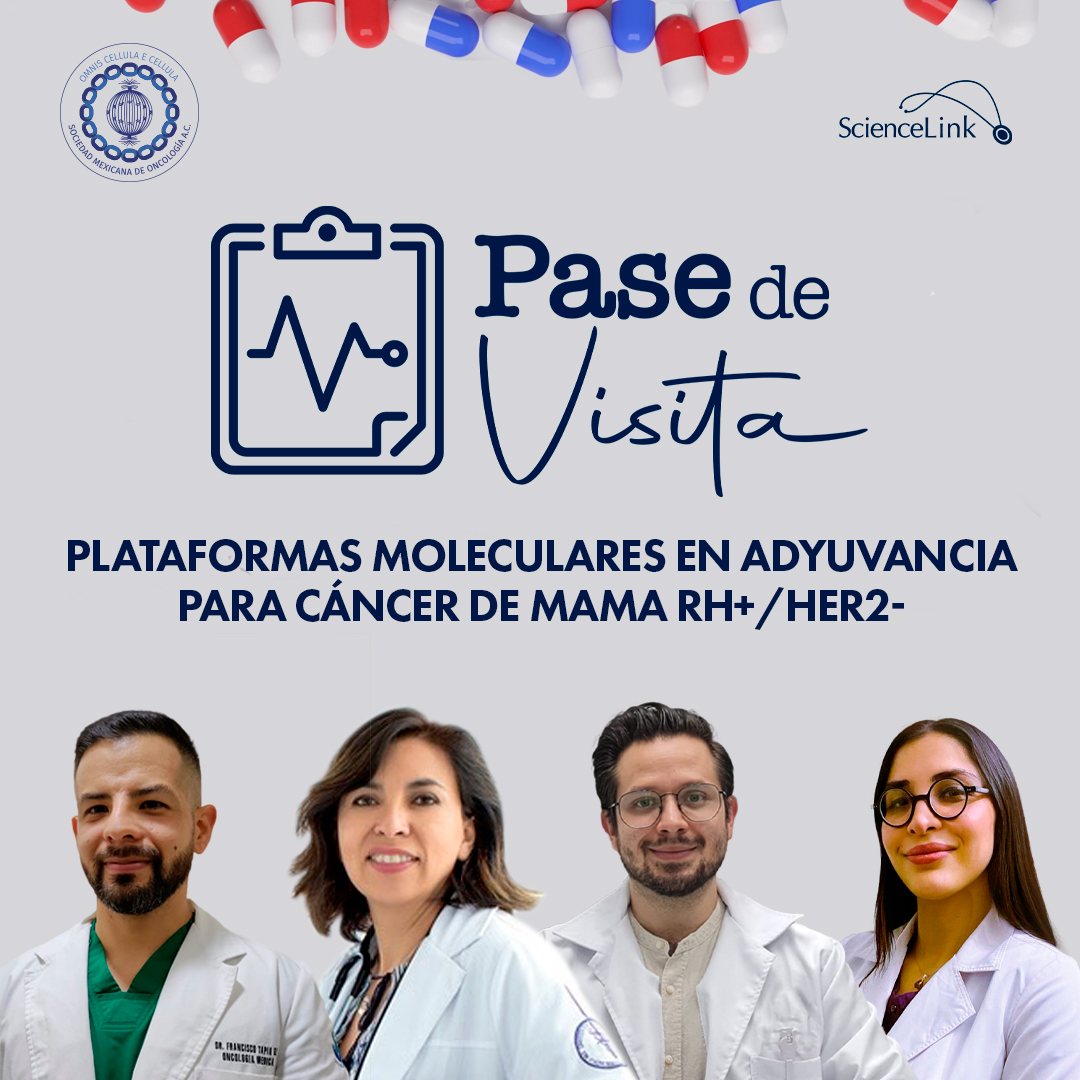
#Podcast#PasedeVisita
Dr. Luis Alfonso Romero (@leoncologo), Dr. Jorge Arturo Alatorre (@JorgeAlatorreA1), Dra. Hazael Rodríguez y Dr. Efraín Camarín.
En colaboración con la Sociedad Mexicana de Oncología A.C.
https://t.co/wUk3mWZ4jT
Antibody drug conjugates: The dos and don'ts in clinical development https://t.co/Fyk9GO6qOQ
A must read! Online in the summer, and finally published in the December issue! @TonyTolcher
#Podcast#PasedeVisita
Dr. Luis Alfonso Romero (@leoncologo), Dra. Claudia Arce, Dra. Adriana Duarte y Dr. Francisco Tapia
En colaboración con la Sociedad Mexicana de Oncología (@SMEOMX)
https://t.co/02rAv5iNXW
Updated results from #MONARCH3 at #ESMO22: addition of #abemaciclib to an aromatase inhibitor improves overall survival in endocrine sensitive advanced #bcsm (not significant at this interim analysis but to me clinically relevant: mOS=67 months, >1y gain)
@OncoAlert@myESMO
Ninguna mujer en el mundo debería morir por cáncer cervicouterino. El único cáncer prevenible hasta hoy, indignante que esto siga pasando. #cervicalcancer#vph#vphvaccine