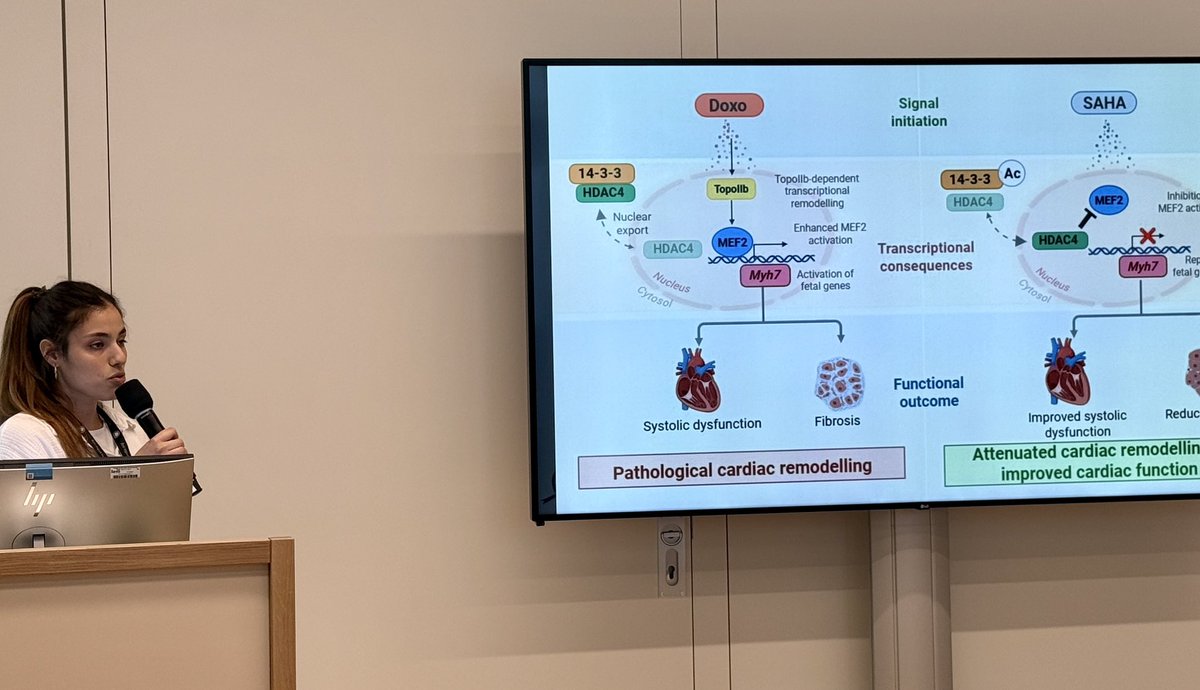
Very happy to see our work published in @NatureComms! 🎉
We uncover a link between TopoIIβ, HDAC4+MEF2 in anthracycline #cardiotoxicity+ a potential route toward #cardioprotection#cardiooncology
A fantastic team effort-many thanks to everyone https://t.co/fXSLeQ5bKC
We will soon be hiring postdocs, engineers and researchers (on site in Heidelberg, DE) in:
- Biomedical AI (multimodal foundation models, biomarkers, agents)
- Robotics (lab automation, physical action surfaces for agents)
- AI social sciences (multi-agent systems, agent "civilizations")
- Deploying AI in a large hospital system
More info at https://t.co/q4rgFGRl7E and https://t.co/ggh9zO5fir
If you are interested in learning more, reach out to [email protected]
Thrille to share our latest work @NatureMedicine .
In 100K French cancer patients starting immune checkpoint inhibitors, COVID-19 vaccine around ICI initiation associated with mild improved survival.
https://t.co/wRRUV3Evwu
#Cancer#Immunotherapy#Vaccination@CardioOncology
Happy to share our latest work on reversibility of MCL1-related Troponin increases an absence of path.remodeling in a humanized mouse 🐁❤️🔥#cardiooncology@dzhk_germany@NCT_HD@AG40_DGK https://t.co/P6IXxwzWmH
🚨 Publication alert: As the landscape of HER2-targeted therapies continues to evolve, a one-size-fits-all approach to cardiac surveillance may no longer be the best strategy.
🔗 Read the full article here: https://t.co/adlbLSiVPw
🚨 Publication alert: As the landscape of HER2-targeted therapies continues to evolve, a one-size-fits-all approach to cardiac surveillance may no longer be the best strategy.
🔗 Read the full article here: https://t.co/adlbLSiVPw
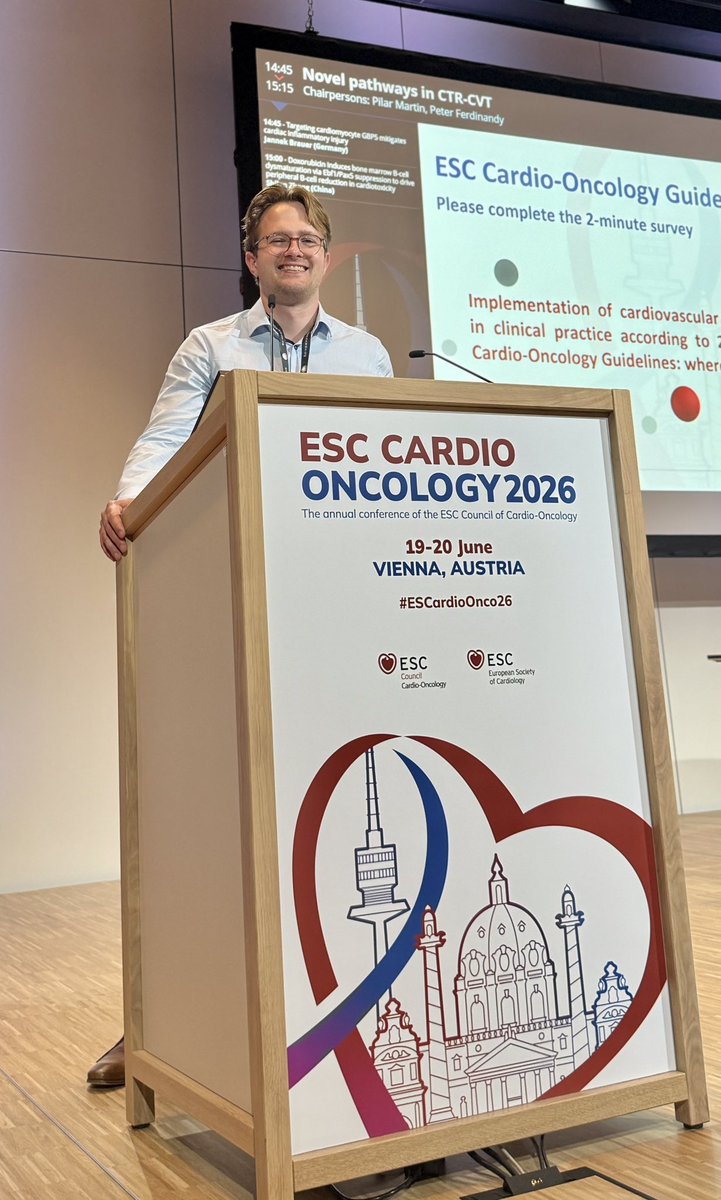
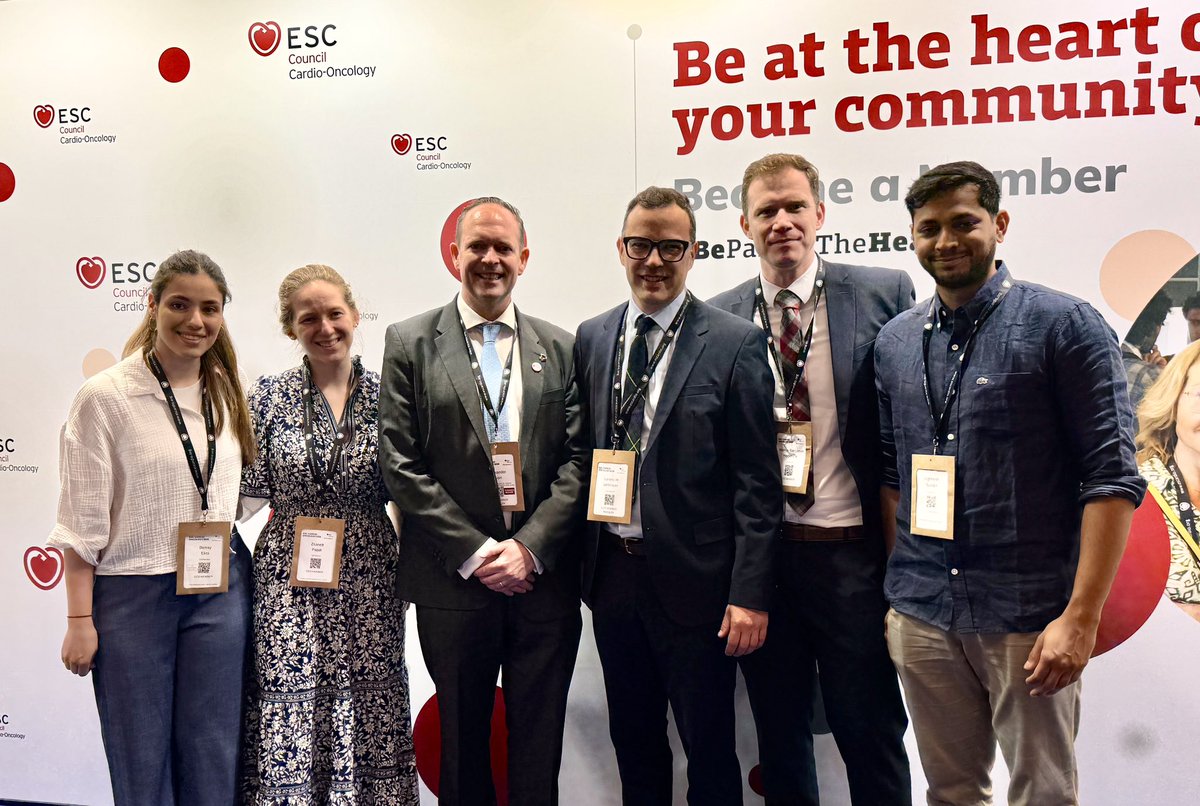
Great days at #ESCardioOnco26! Happy and inspired by discussions and a bag full of new collaborations! Proud on my enthusiastic group members for their work and excellent presentations!! 😎
RND3 was identified as a novel mitochondrial matrix-resident small GTPase essential for energy metabolism homeostasis and normal cardiac function, with potential as a therapeutic target in ischemia-reperfusion injury.https://t.co/thuAKHQa1t
Recently Published in #CardioOncology🫀
Prevalence of obstructive coronary artery disease in asymptomatic cancer patients with elevated troponin levels
Read more➡️https://t.co/uWfwxstKB6
#CardioOnc@ICOSociety@LorenzLehmann
Circulating Musclin Levels are associated with functional and clinical cardiac parameters in cancer patients https://t.co/Ri1HBc4w1g #cardiooncology@dzhk_germany just out in Br J pharmacol
Thrilled to share: €1.3M from the Hector Foundation to study how cancer immunotherapies affect the heart.
Together with partners at Heidelberg, DKFZ, MDC Berlin & Kiel, we’ll investigate ICI-associated atherosclerosis and early markers for safer therapy. https://t.co/tUjnaIsR9U
New baby from Québec/Giessen is here https://t.co/URnOoOYyww congrats to François Potus Victoria and Manon and huge thanks for the help from David Montani and Charles Khouri. @IUCPQ@PVRI@3CPRCouncil
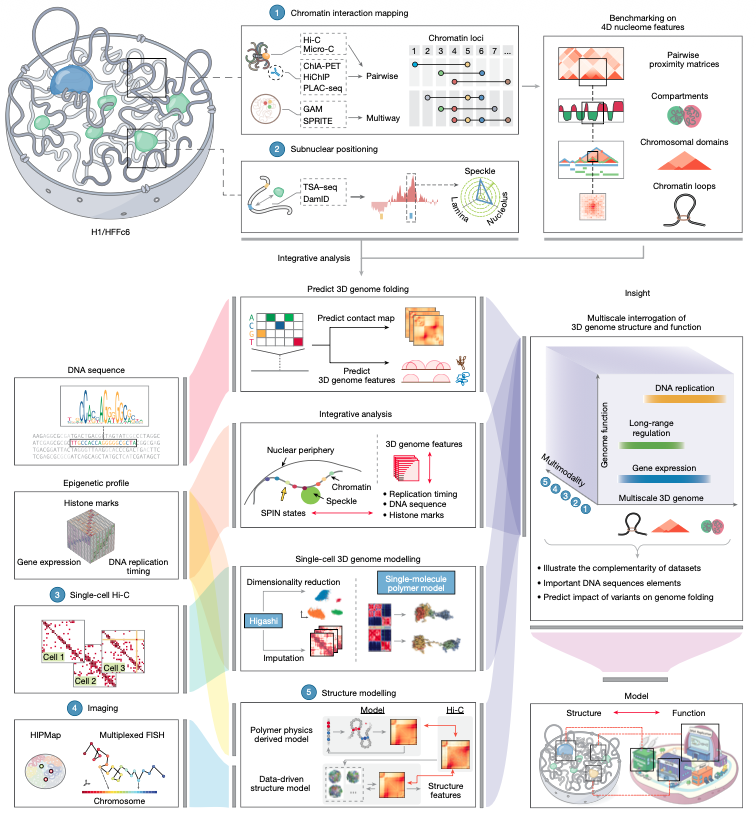
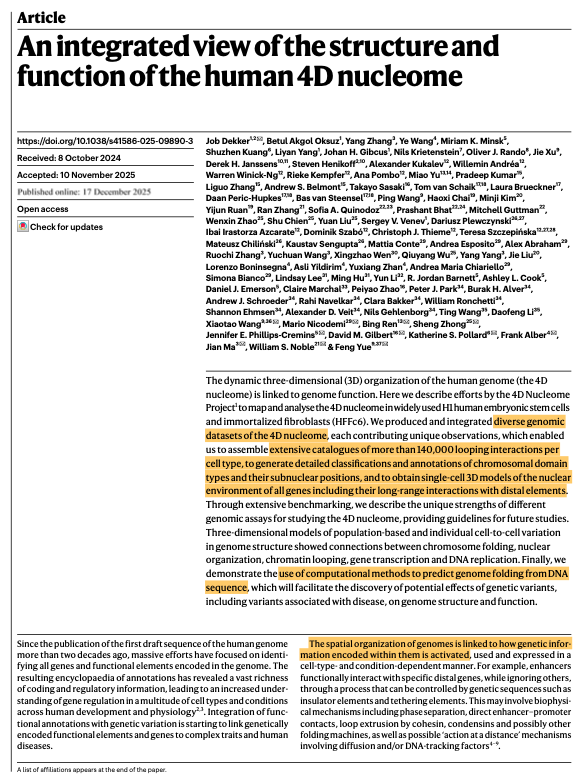
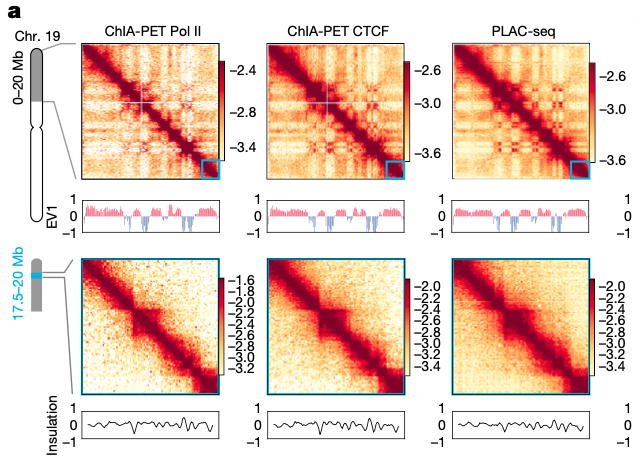
Many people think of the genome as a string of "letters." The human genome, say, has 3.2 billion base pairs of DNA organized across 23 pairs of chromosomes.
But the genome is a 3D object. Genes located on entirely different chromosomes might be clustered together. Mutations in these "distant" genes can lead to disease in surprising ways.
For a new paper in @Nature, researchers released several "maps" of human genomes from two types of cells: embryonic stem cells and fibroblasts. They compared methods to see which ones are least biased, and found many long-range interactions between genes.
The article does a good job explaining how “the genome is organized at different scales”:
> On a single chromosome, histones control which parts of the DNA sequence are accessible and expressed.
> At the scale of hundreds of thousands of bases, “chromatin loops in a dynamic manner,” the authors write, bringing distant genes closer together. > Across chromosomes, sequences "cluster together in space to form subnuclear compartments."
Examples abound. Enhancers, for example, are short DNA sequences that regulate the expression of far away genes. They do this by *physically* touching the genes they control; a protein called cohesin grabs the DNA and tugs it into big loops.
Even promoters, which are thought of as being associated with one gene or operon, can cluster together across many genes! A protein, Ronin, grabs promoters and pulls them together. This is apparently done mostly for genes that tend to be "on," as it helps enzymes find genes faster/not have to diffuse far away to find targets. (This also happens with genes that tend to be "off;" so-called polycomb proteins grab onto promoters, cluster them up, and silence all of them at once. It's a way for the cell to conserve energy.)
One consequence of this spooky "action-at-a-distance" is that diseases might arise from mutations in unexpected locations. Editing these regulatory sequences, in other words, might in turn affect a gene located on an entirely different chromosome that *is* associated with that disease.
Genetic mutations linked to autism, for example, are known to disrupt the 3D organization of the genome. A single deletion at a gene, TAL1, also affects its ability to form long-range chromatin interactions with other genes, leading to leukemia. There are probably many other, as-yet-undiscovered, instances of this.
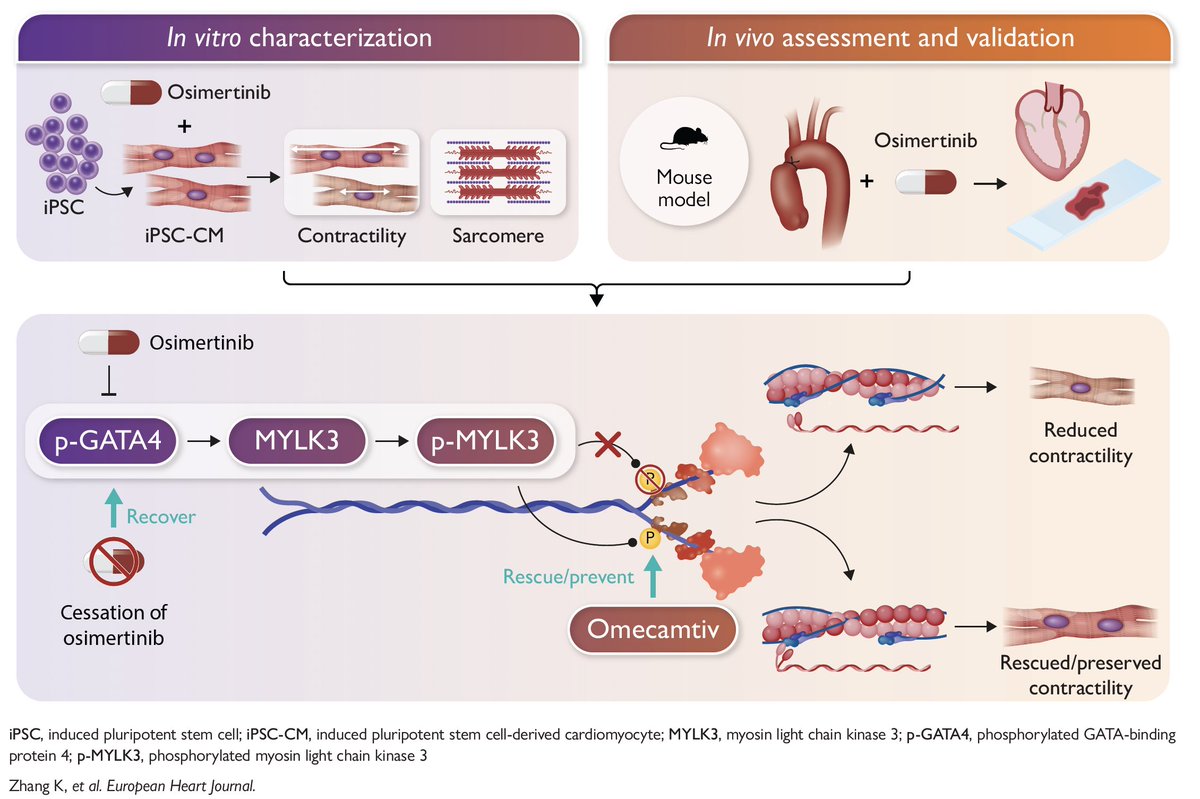
It should never be a choice between treating cancer or protecting the heart. Our new study in #EHJ, co-led by @zhaowang4695, identified the mechanism of osimertinib cardiotoxicity and a new targeted treatment.
Translational medicine driving innovation in #cardiooncology! Great work, #KaiZhang! @cityofhope
https://t.co/x3i0Fwjj9x
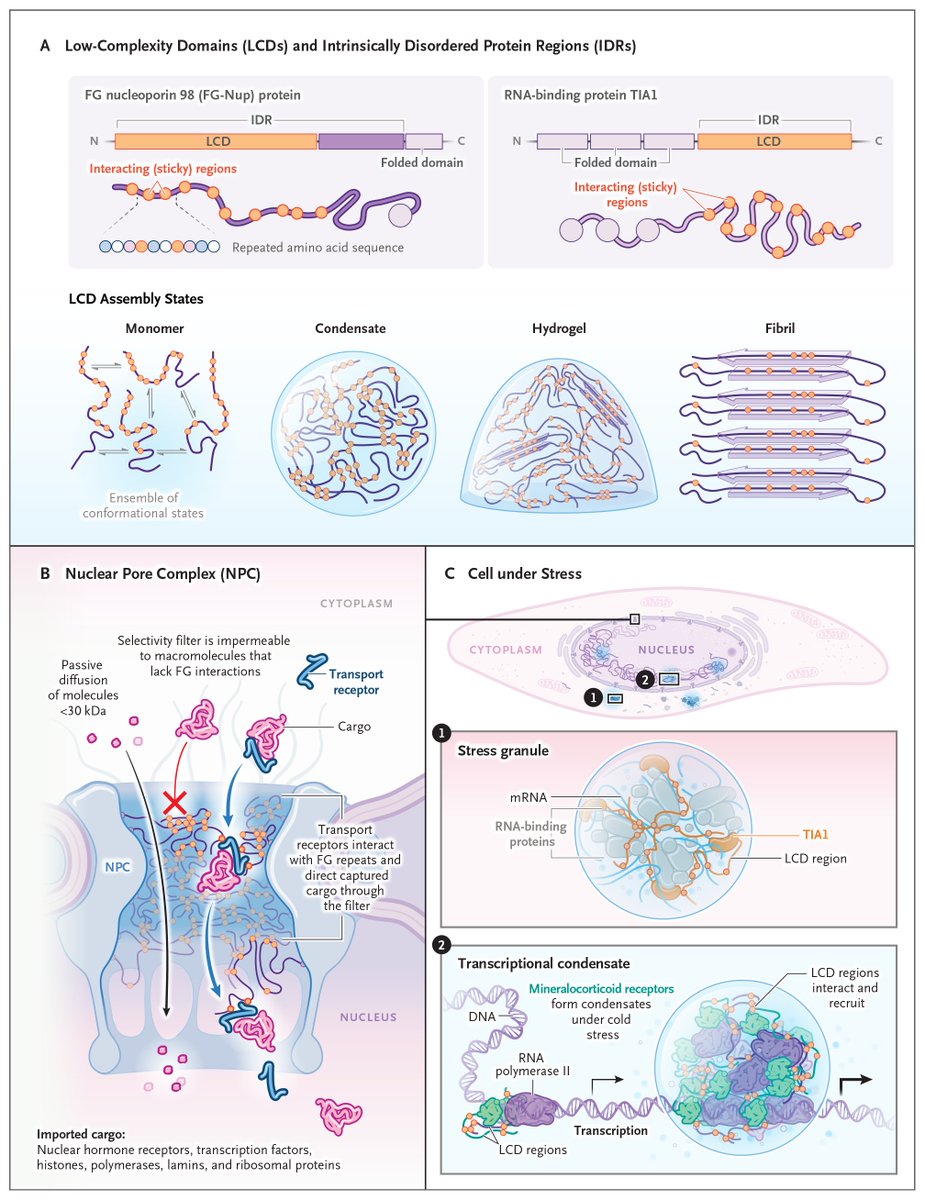
Drs. Dirk Görlich and Steven McKnight have won the 2025 Albert Lasker Award for Basic Medical Research for showing that low-complexity domains of proteins lack structure on their own and yet can form assembled states essential to cellular functions.
Learn more in the Clinical Implications of Basic Research article “Surprisingly Complex Assemblies from Low-Complexity Domains” by Tanja Mittag, PhD, from @StJude: https://t.co/6QVN30X0Xs