In this work, we identified protein Lsp2 that systemically senses nutritional signals, especially amino acids, to regulate lifespan. And mechanistically, we found a new mTORC1 mode: rapamycin-independent control of ribosomal RNA translation via 4E-BP!
Excited my co-corresponding Nature paper is officially out! Honored to contribute to the lifespan component in the title. Thanks to all collaborators, especially Zongzhao, Yirong and Jun — enjoyed this collaboration.
https://t.co/25tyr8QkB7
MIT Course announcement: Machine Learning for Computational Biology #MLCB25
Fall'24 Lecture Videos: https://t.co/tA3zeuIF7g
Fall'24 Lecture Notes: https://t.co/C3WmXZuQur
(a) Genomes: Statistical genomics, gene regulation, genome language models, chromatin structure, 3D genome topology, epigenomics, regulatory networks.
(b) Proteins: Protein language models, structure and folding, protein design, cryo-EM, AlphaFold2, transformers, multimodal joint representation learning.
(c) Therapeutics: Chemical landscapes, small-molecule representation, docking, structure-function embeddings, agentic drug discovery, disease circuitry, and target identification.
(d) Patients: Electronic health records, medical genomics, genetic variation, comparative genomics, evolutionary evidence, patient latent representation, AI-driven systems biology.
Foundations and frontiers of computational biology, combining theory with practice. Generative AI, foundation models, machine learning, algorithm design, influential problems and techniques, analysis of large-scale biological datasets, applications to human disease and drug discovery.
First Lecture: Thu Sept 4 at 1pm in 32-144
With: Prof. Manolis Kellis @manoliskellis, Prof. Eric Alm @ejalm, TAs: Ananth Shyamal, Shitong Luo @luost26
Course website: https://t.co/ateGr6xKLM
@MIT@MITEECS@MITdeptofBE@MITCSBPhD@MIT_CSAIL@Harvard@HarvardMed@BroadInstitute
💥New paper from our group @MolecularCell! 🎃
One-woman show by the amazing Aish Acharya @acharyaish, revealing how active #mTORC1 sets itself free from #lysosomes!
Link (Open Access 🔓) 👇
https://t.co/QpFwynOJNx
Detailed 🧵 below ⏬
🎉 The results are in! Here is the preprint reporting the result of Phase I of the Biomarkers of Aging Challenge, an open competition for the best biomarker of aging models with a 200,000 USD prize! @agingbiomarkers
🏆Big congrats and thanks to our phase I winners (Julian, Lucas, Jacob, and Stefan) as well as all 37 participating teams!
We will update the manuscript in the upcoming month to include details on Phase II results. Congrats, Jacob's team, for winning Phase II! 🏆
Thanks to our amazing team: @Sarudak, @chiara_herzog, @DaneGobel, @jpoganik, @mahdi_moqri, @gladyshev_lab, & others.
Read more here: https://t.co/rhFhATjNEt
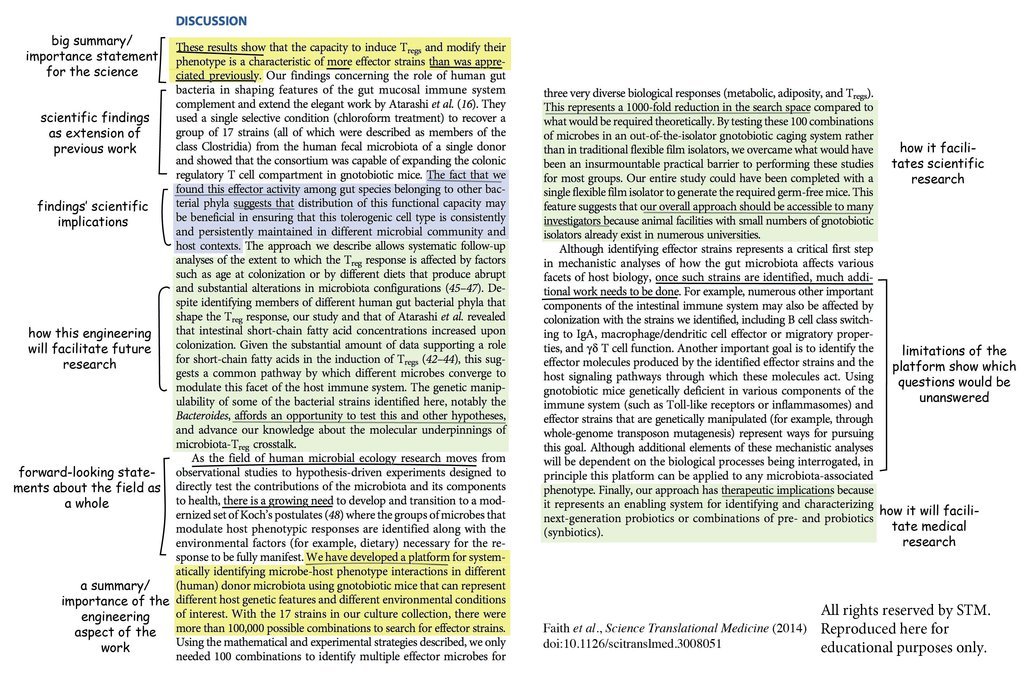
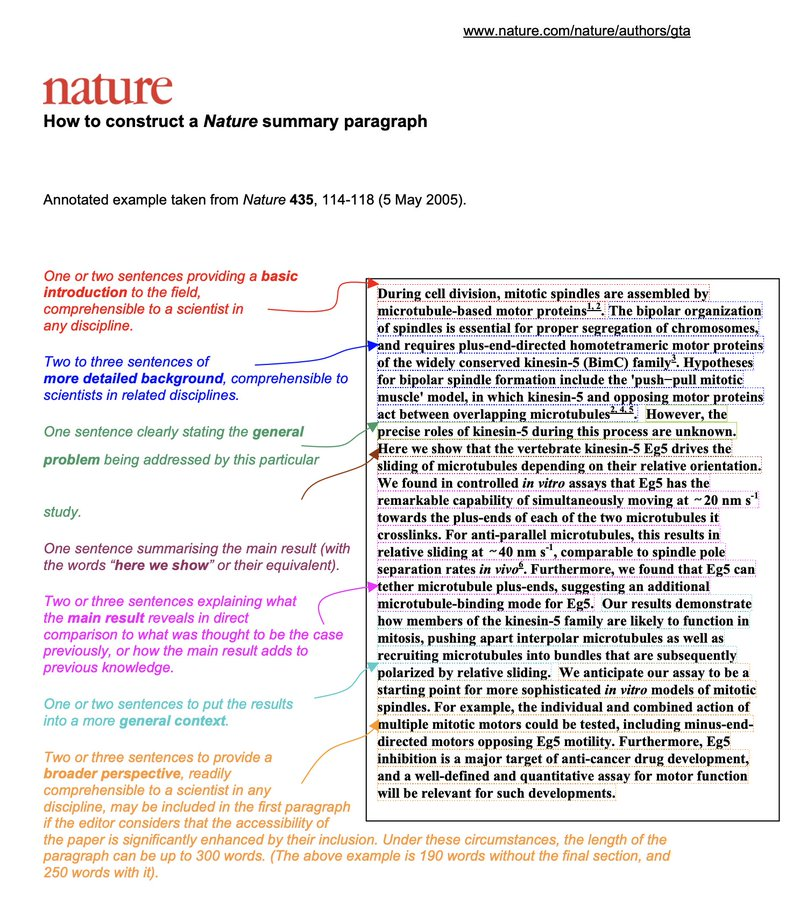
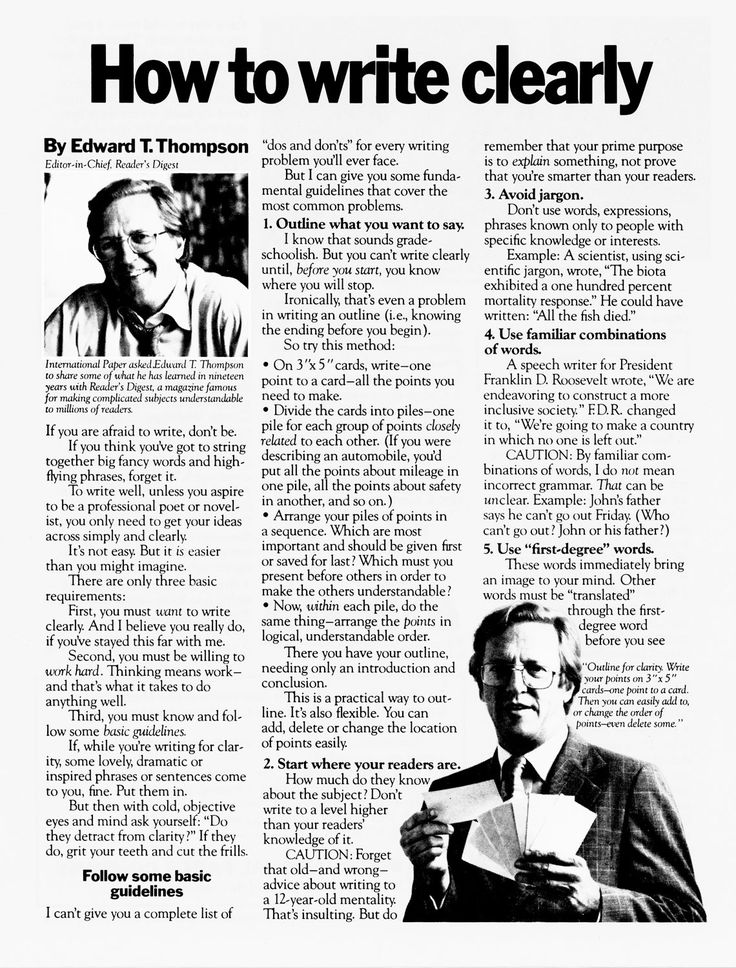
All rejected papers share one common flaw: a weak discussion section.
I know because I used to write them too.
If you're stuck on the discussion section,
wondering how to tie it all together,
this is for you:
New! Online now: Adipocyte-derived glutathione promotes obesity-related breast cancer by regulating the SCARB2-ARF1-mTORC1 complex https://t.co/j6Iqx2Vz5l
We have a #PhDposition to investigate host - #microbiome interactions using #Drosophila and model gut #bacteria. Details in the picture attached. Be part of our new group @COSHeidelberg in beautiful Heidelberg! Please RT
I will be teaching and telling people why they should support basic research in simple model organisms till I die - though they don’t get the same recognition in terms of NIH finding - glad to see them recognized by the Nobel committee. Congratulations @gary_ruvkun
📢 I am so incredibly happy and proud about this one!
🔟+ years in the making, 2,5 years since first submission, 1⃣ year since we posted it @biorxivpreprint, it finally found it’s home @NatureCellBio!
Open access 👇
https://t.co/IWJTxkvmIv
Detailed 🧵down below ⏬