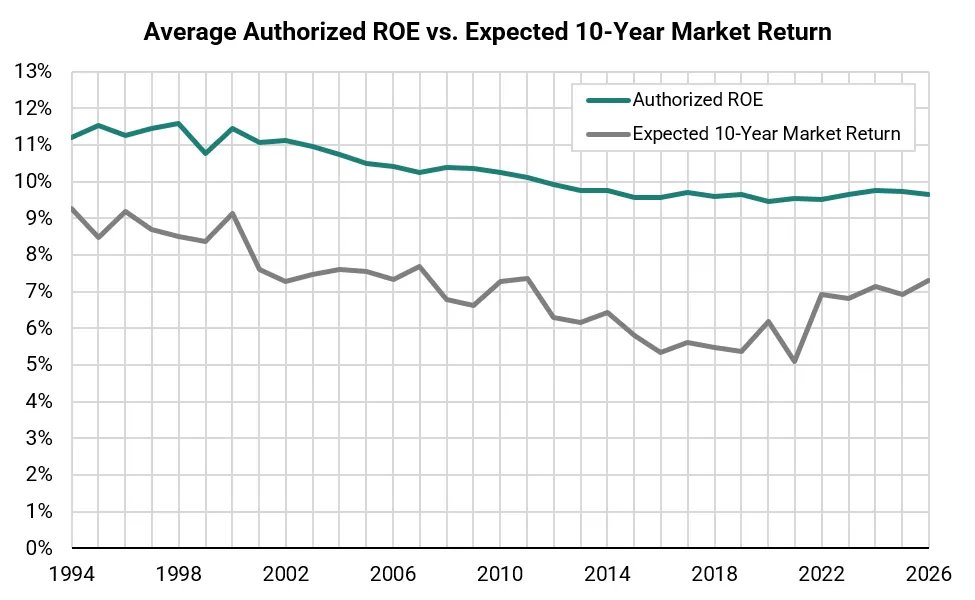
Following his testimony at the Texas Senate, @m_e_ellis joined the Energy Capital Podcast to further discuss how to rein in excess returns.
Listen to the full conversation here: https://t.co/75VlAcmTRl
Check out the latest episode of the @txenergyandpowr pod, where I chat w/ @m_e_ellis about how utilities’ financial incentives, particularly return on equity, might be better aligned to encourage a wider range of solutions to meet load growth beyond simply spending more capital.
The always funny, always informative @ClimateTown breaks down who's driving skyrocketing utility bills. The answer will shock you...
(Hint: They send you your bill every month). https://t.co/gN6IykKq5l
Return on equity is the under-appreciated skeleton key to investor-owned utilities’ incentives and your rising utility bills. @ClimateTown breaks it down, and 500k+ people watched in the first day. Glad to have helped.
@MarketClear@econliberties
https://t.co/dkUk9tUHPh
WATCH: @m_e_ellis testifies before the Texas Senate on a new utilities reform that could save Texans $1 billion annually.
"Instead of having regulators pick a number, let investors bid the minimum return they'll accept to fund the utility... The reform doesn't cap what a utility can earn, it just lets market competition set the number instead of a regulator's judgment call. That's the single change."
"Data center entry between 2010 and 2024 increases average retail electricity prices by 2.7% ... These effects are concentrated among investor-owned utilities ... while effects are much smaller among publicly-owned utilities and absent among cooperatives."
https://t.co/juR3iDn28J
@datarade Lots of public data. The problem is hiding in plain sight. The issue is differing standards for public and private plans.
https://t.co/uFbExab3zA
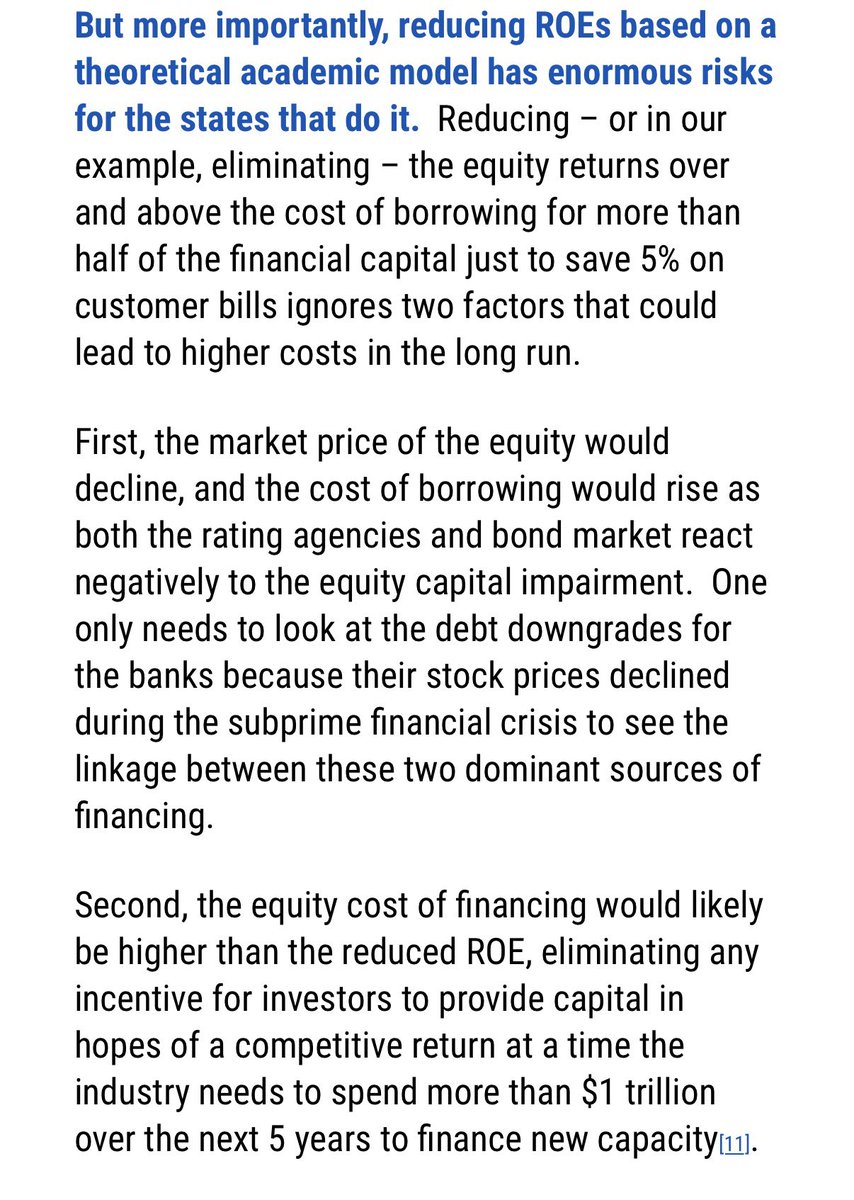
@JaneAFlegal Either EIP doesn’t understand basic regulatory and financial principles, or it’s counting on you not to. Three screenshots: https://t.co/ADOirQNCVu