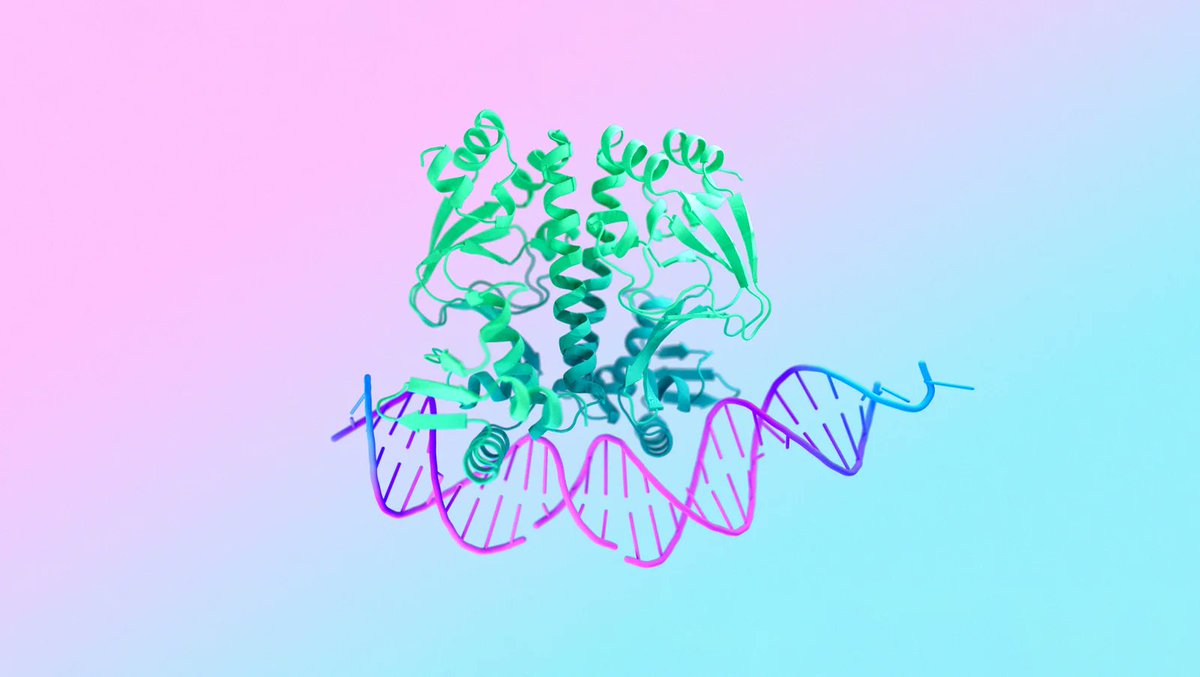
If you've ever faced challenges with purifying CRISPR-based base editors and/or guide RNAs for in vitro or in vivo applications, our latest work in Methods in Enzymology might be just what you need. Check it out! https://t.co/zmmnIQvY8Z
Queen guitarist Brian May on science: "Everything comes down to asking the right questions and keeping an open mind, and resisting the terrible inclination that scientists have, because they’re human beings, of finding what you expect to find." https://t.co/eC7cL5BqeV
"Diversity is really important in science. First of all, I think that if you want to have the best scientific outcomes, you need a lot of different brains working on it." - Chemistry laureate @doudna_lab on diversity in science.
Read the interview: https://t.co/QHtle42k8Y
I'm thrilled to announce that I have begun a new role as a Junior Specialist at @UCIMedSchool, where I will continue my Ph.D. under the guidance of my PI, Audrey (@Sarkele1)! I look forward to engaging in fresh collaborations and discussions within precision genome editing.🎉
Have you ever wondered why CRISPR has revolutionized biotechnology? In this article, my colleagues Kayla (@kayla_m_perry_ ), Mitchell, and I summarize its monumental impact! @Sarkele1
https://t.co/zV98MXVM7O
A News & Views from Madeleine King and Audrone Lapinaite highlights recent work in @ScienceMagazine on ribozymes that catalyze the hydrolytic cleavage of ssDNA in a programmable sequence-specific manner https://t.co/bqTuYFN1Mq and the original article 👇
https://t.co/viirLeV4ww
I'm thrilled to share that I've had the incredible opportunity to write with @Sarkele1 on a groundbreaking paper about mined novel ribozymes, known as HYERs, capable of DNA cleavage! Read about it more here: https://t.co/goTwF8GX7W
Thrilled to announce AlphaFold 3 which can predict the structures and interactions of nearly all of life’s molecules with state-of-the-art accuracy including proteins, DNA and RNA. Biology is a complex dynamical system so modeling interactions is crucial https://t.co/Gs4GoOB3fD
Soon there will be no disease-causing point mutations that cannot be repaired by #CRISPR - the technology is getting that good.
= this shines a harsh light on the sense of urgency for developing accelerated and affordable pipelines for building on-demand gene editing medicines.
“Ten years ago I was kicked out and forced to retire.”
Our new medicine laureate Katalin Karikó (@kkariko) told us how much it means to be awarded the Nobel Prize after a scientific career that has been full of challenges.
Ten years ago, Karikó was still doing all her experiments by hand but today she has been awarded the medicine prize for her research on mRNA, which led to the development of COVID-19 vaccines.
Listen now:
So excited to share my peers' review on the mechanism of ABEs and the first official publication of the Lapinaite lab! 🥳@lapinaiternalab#BiochemSocTrans https://t.co/MP82KAs668
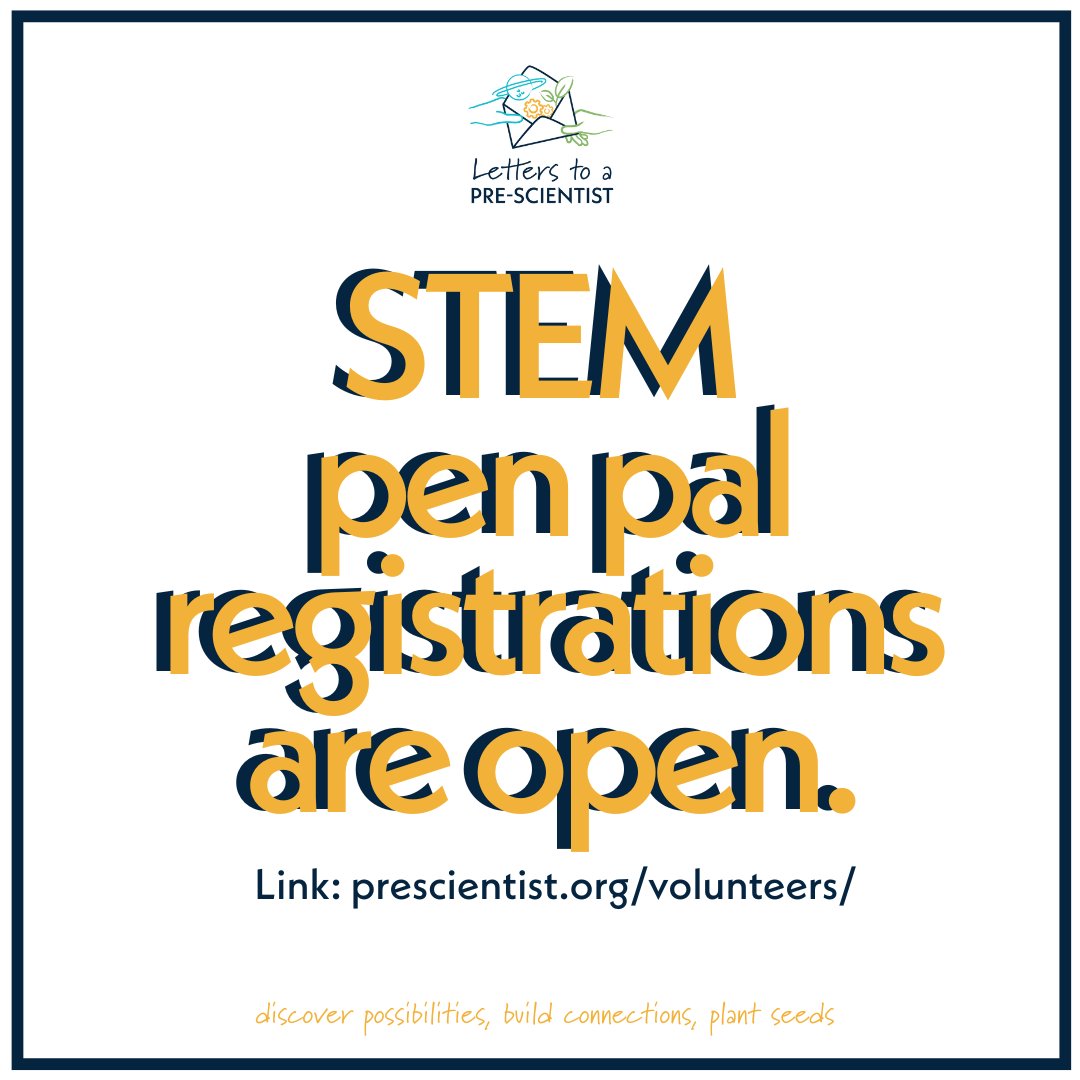
📝Program Update: #Stempenpal registrations are officially open! If you're a #Stem professional looking to make impact in the life of one of our amazing #prescientists than this opportunity is for you!🎉
For more information and to register use this link: https://t.co/sXgQQI1Sm6
The #ViennaRNA Package 2.6 is here with awesome updates💥 Salt corrections for mono-valent cations & support for modified bases like pseudouridine. BTW, our #Python interface comes with all-new, nice & clean documentation. 🐍📖https://t.co/vWUNvvE7w4 #RNA#ComputationalBiology
Join us this Friday at 11:00 for a Special Seminar by Prof. Teresa Carlomagno from University of Birmingham, "Why NMR? An integrative structural biology approach to understand functional mechanisms in biological complexes" in Biodesign Auditorium or zoom:
https://t.co/GAEEcEkyG8
Let the puns fly as @PairwisePL launches the first food introduced in the U.S. that uses CRISPR gene editing—in this case, to disable some of the genes that make highly nutritious raw mustard greens too spicy for most people to eat as a salad. In grocery stores this summer.