An analysis in @ScienceAdvances provides new information about how both fetal and maternal cell processes contribute to preeclampsia over time, and may suggest potential therapeutic targets. https://t.co/Zl0TeMLh6f
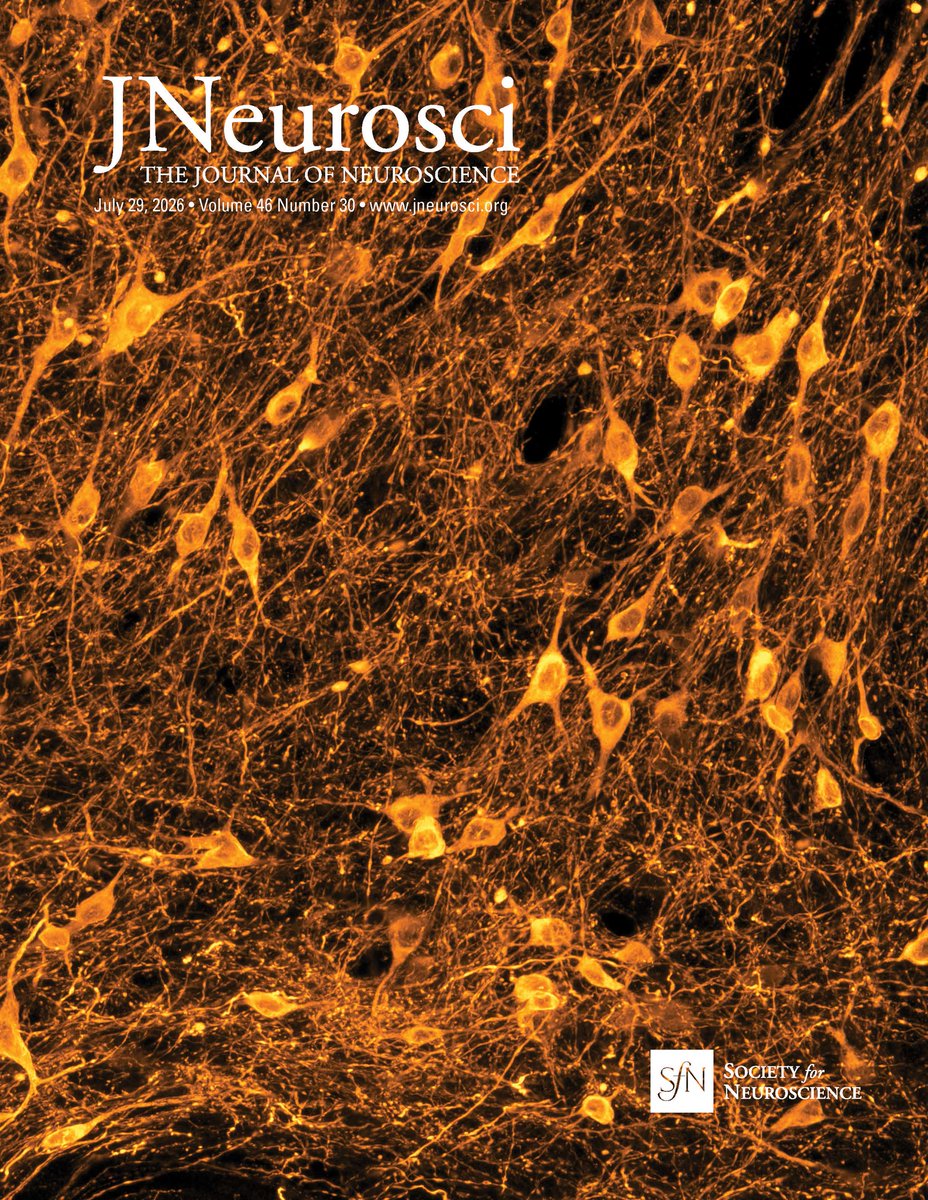
This Week in The Journal #JNeurosci | How the SCN Maintains the Estrous Cycle; How Humans Control Eye Movements While Multitasking
https://t.co/65VyCItC3s
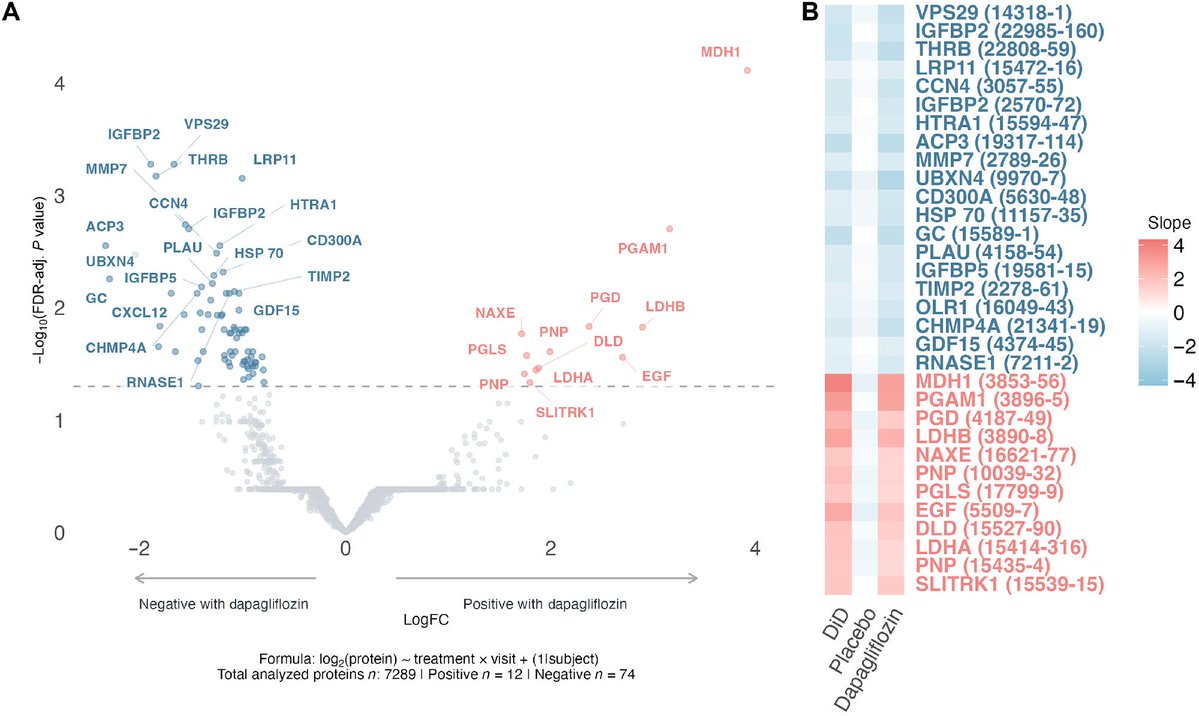
An in-depth @ScienceTM analysis of a phase 3 trial of youths with type 1 #diabetes combines RNA seq, kidney MRI, and proteomics to probe how the SGLT2 inhibitor dapagliflozin counteracts the hallmarks of diabetic kidney disease. https://t.co/xP9kEF4hQE
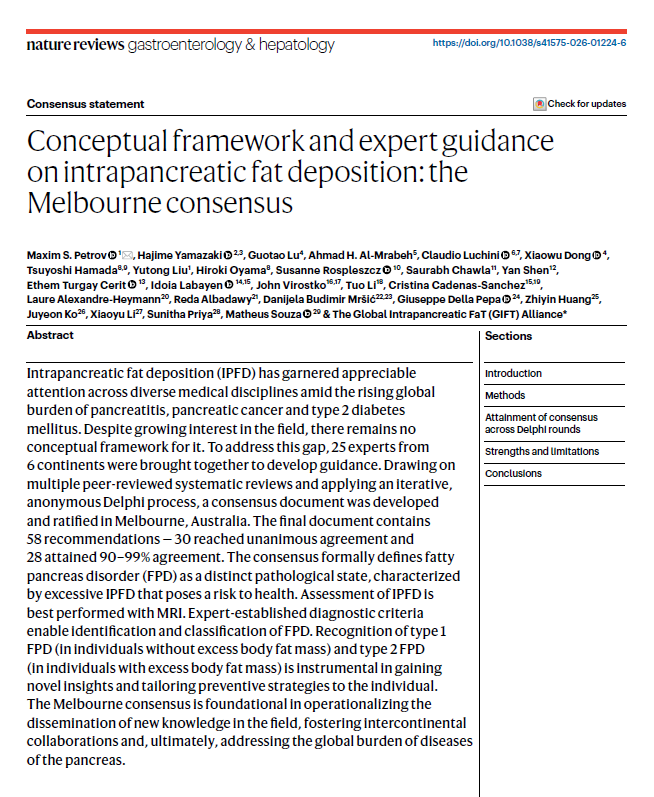
Fatty pancreas disorder is now defined as a distinct, organ-specific pathological state of excessive intrapancreatic fat that raises the risk of pancreatitis, pancreatic cancer and multiple forms of diabetes, best diagnosed with MRI.
https://t.co/B6p6n5rt5s
Apply for the opportunity to serve on JNeurosci’s Early Career Researcher Advisory Board to get more involved in scientific publishing and advocate as an early career researcher.
Learn more and submit your application by July 31, 5pm ET: https://t.co/nGFHnWUzK9
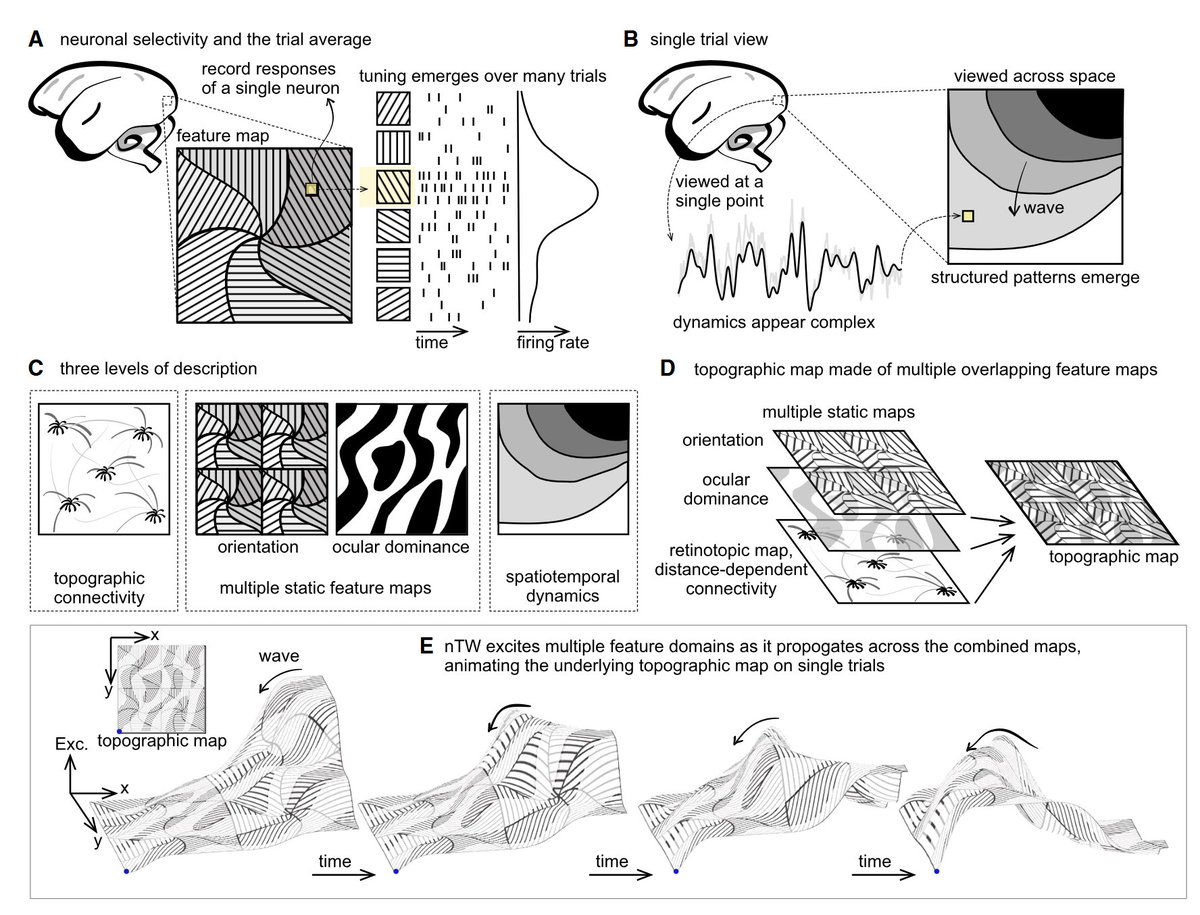
𝗡𝗲𝘂𝗿𝗮𝗹 𝘁𝗿𝗮𝘃𝗲𝗹𝗶𝗻𝗴 𝘄𝗮𝘃𝗲𝘀 𝗶𝗻 𝗰𝗼𝗿𝘁𝗲𝘅: 𝗡𝗲𝘁𝘄𝗼𝗿𝗸 𝗺𝗲𝗰𝗵𝗮𝗻𝗶𝘀𝗺𝘀 𝗮𝗻𝗱 𝗽𝗼𝘁𝗲𝗻𝘁𝗶𝗮𝗹 𝗿𝗼𝗹𝗲𝘀 𝗶𝗻 𝗻𝗲𝘂𝗿𝗮𝗹 𝗰𝗼𝗺𝗽𝘂𝘁𝗮𝘁𝗶𝗼𝗻
A must read for systems neuroscience.
https://t.co/8f3q0rNY5s
Kidney Anatomy and Function
This 3D animation depicts the anatomical location, layers, internal structure, and blood filtration process of the human kidney
A prostaglandin prevents macrophages from clearing toxic neutrophils in aging organs, according to new Science research in mice.
Learn more in a new #SciencePerspective: https://t.co/JUjOXaPEpJ
Under a week left to register for the free and open #2026BRAINConference!
Attendees will get to hear about the accomplishments of the BRAIN Initiative community and get a preview of what's to come.
🔗 Learn more and register at: https://t.co/56uk4LVjIq
El artículo demuestra que la memoria humana no se codifica únicamente mediante los reforzadores , como proponen los modelos clásicos de aprendizaje por refuerzo.
En cambio, la memoria incorpora representaciones flexibles e independientes que conservan información sobre experiencias pasadas y que influyen en las decisiones futuras.
Además de las recompensas, intervienen otras variables como las acciones realizadas, el contexto, la secuencia temporal de los eventos, la frecuencia y agrupación de las experiencias, las estadísticas globales del entorno (por ejemplo, el rango de recompensas) y mecanismos internos de memoria que permiten recuperar episodios específicos.
n conjunto, estos factores muestran que el aprendizaje y la toma de decisiones dependen de una interacción entre memoria episódica, contexto y representación de la experiencia, y no solo de la actualización de valores de recompensa.
Fuente: https://t.co/cb7jU18d4O
Carmen Sandi led some of the first studies that showed mitochondria in the brain can influence mental state. In 2021, after she boosted the mitochondria in the brain cells of anxious rats, the neurons recovered, and the rats showed fewer signs of anxiety. https://t.co/DCaAp7UCoJ
Just Published
Utility of Bilateral Upper Extremity Arterial Access for Complex Neurovascular Intervention and Diagnostic Cervicocerebral Angiography: A Unique Single-Center Experience
https://t.co/y6f5Ls04Kk
#Neuroendovascular
New research reveals an unexpected interface between resident innate immunity of the central nervous system and peripheral adaptive immunity in synaptic pruning.
Learn more in a new #SciencePerspective: https://t.co/3yby4jnu1G