Tziastoudi and Colleagues’s findings highlight the importance of control selection and suggest that #AKR1B1 may influence progression to #nephropathy rather than #diabetes risk per se.
#Genetics#GAS
https://t.co/ZTIMuolHp4
NT-proBNP Levels in Hemodialysis Patients: Unrelated to Interdialytic Weight Gain, Limited in Detecting Left Ventricular Systolic Dysfunction, but May Identify Atrial Fibrillation https://t.co/z3VujxnUjW #mdpikidneydial μέσω @Kidneydial_MDPI
For decades, biology textbooks have enshrined a simple rule: DNA is made by copying a template. After one enzyme unzips a DNA double helix into separate strands, another called a polymerase builds a complementary sequence, base by base, for each strand. Presto: two copies of the original DNA.
But new research into how bacteria defend themselves from viruses now shows this synthesis rule isn’t absolute.
Now, a team describes a bacterial enzyme that synthesizes DNA without a nucleic acid template, using its own structure as a guide.
Learn more: https://t.co/TeUWvyO0OD @NewsfromScience
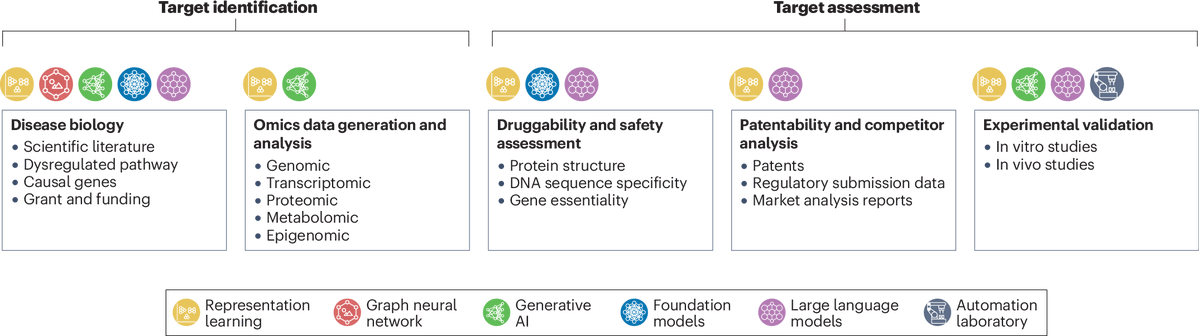
Target identification and assessment in the era of AI
https://t.co/F1asFfYYxr
https://t.co/Ltliv6JJCw
This new Review analyses advances in applying AI-driven approaches for therapeutic target exploration, and discusses how to address challenges and limitations in the field
Evaluation of the Effectiveness of a School-Based Smoking Prevention Program Among Young Adolescents in Central Greece: An Analytical, Non-Randomized Interventional Study https://t.co/cNqvbYePUv #mdpiijerph μέσω @IJERPH_MDPI
Here are 5 clinical advances from 2025 in kidney and cardiorenal medicine that clinicians across specialties should know before the year ends. These findings influence how we prevent and treat common, high-risk conditions. #MedTwitter#Nephrology
Call for Papers – Special Issue on “Genetic Epidemiology of Multifactorial Diseases”
I am honored to serve as Guest Editor for an upcoming Special Issue in the Genes MDPI (IF: 2.8 | CiteScore: 5.5 | PubMed-indexed).
Submission Deadline: **25 January 2026**
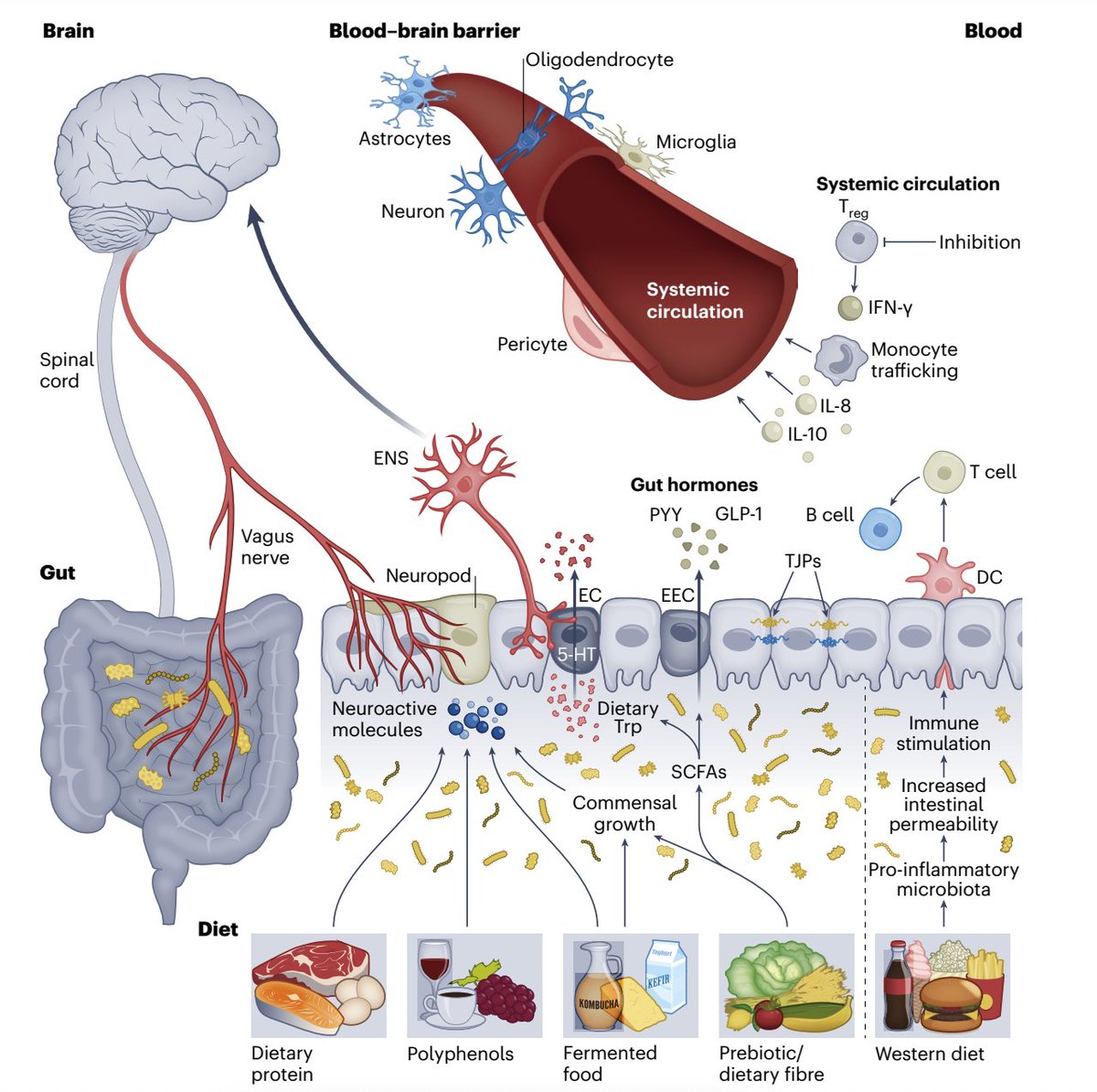
🧬Feeding the Gut to Fuel the Brain 🧠 An in-depth review in @NatMetabolism uncovers how the diet-microbiota-gut-brain axis influences brain health, linking dietary habits with cognitive and emotional well-being through gut-brain communication. 🌱
📖 Highlights
• Poor diets may worsen neuropsychiatric disorders, while specific nutrients can enhance cognition and mood.
• Mechanisms: How gut microbiota composition, modifiable by diet, impacts signaling to the brain, potentially preventing or managing cognitive decline.
• Clinical Potential: Personalized dietary interventions may be a promising frontier for brain health therapies.
✨ An essential read for those in integrative medicine, neuroscience, and nutrition science—especially given the rapid evolution of gut-brain axis research!
🔗 Check out the full review: https://t.co/0V67IxiZn8
@E_MSchneider@kjdoriordan@jfcryan@Pharmabiotic
Understanding the difference between Standard Deviation (SD) and Standard Error (SE) is crucial for accurate data interpretation. SD measures the variability within your data, indicating how spread out the individual data points are from the mean.
In contrast, SE measures the uncertainty around the sample mean as an estimate of the population mean. It reflects the precision of the mean, with SE decreasing as the sample size increases, making your estimate more reliable.
The relationship between SD and SE is given by the formula: SE = SD / √(sample size). While SD remains relatively constant with larger samples, SE diminishes, highlighting the reduced uncertainty in the mean estimate.
A common mistake in research is using the “±” notation without specifying whether it refers to SD or SE, leading to potential misinterpretation of the data. Clear distinction is essential for transparency and accuracy in reporting.
Key Takeaways:
• Use SD to describe data variability.
• Use SE to indicate the precision of the mean.
• Always specify which measure you are reporting.
The influence of diet on our immune system function is getting increasingly recognized, a feature today @Nature
https://t.co/VKpB5omQH8 @NicFlem open-access
Beginner or Advanced R User? 🤔
➡️ This cheat sheet is gold.
It summarizes all the best practices R developers should apply.
If some of it isn’t familiar, the first module of my https://t.co/wK6l6vXJe9 project explains exactly this!
Thanks so much @_wurli 🙏
What's missing?