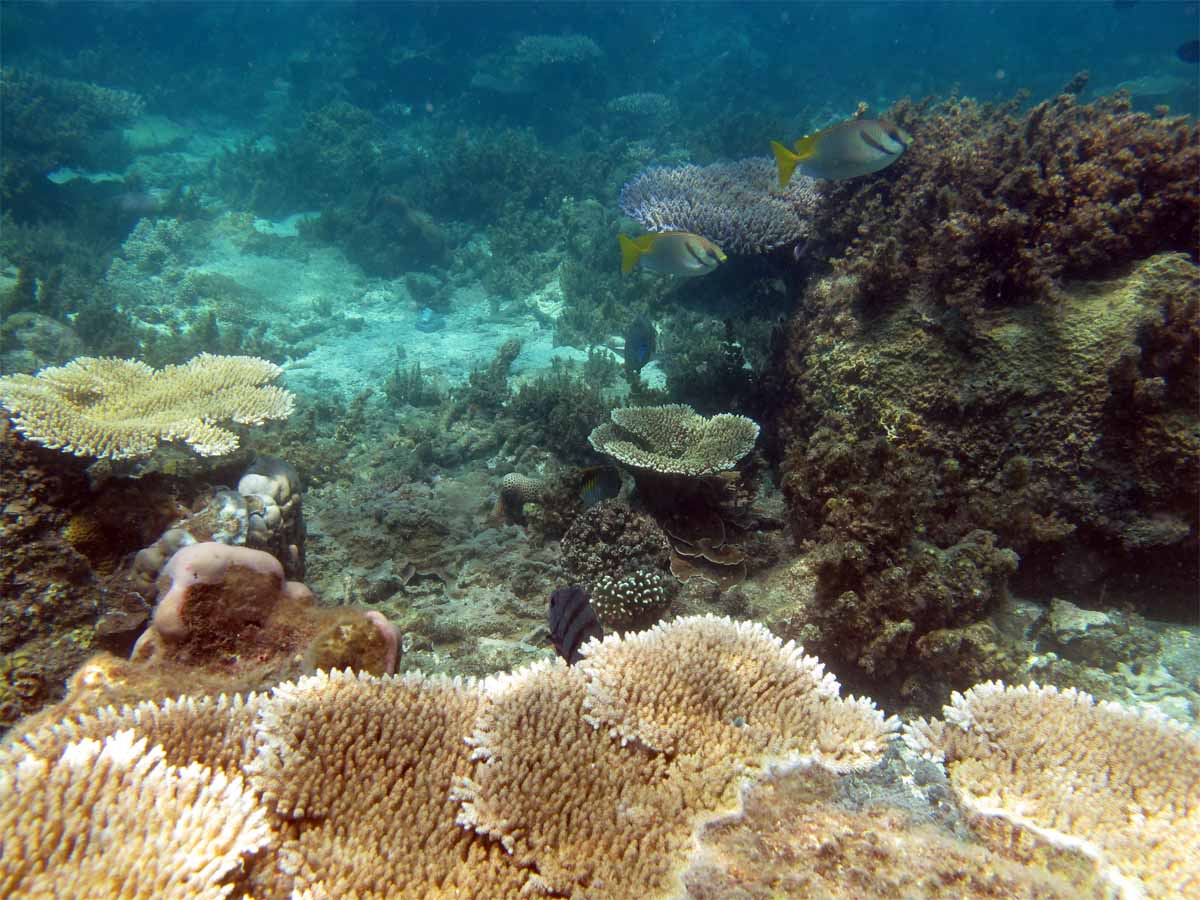
Honored to have two papers in @SciReports Top 100 in #Ecology for 2017. The first looking at plasticity across generations https://t.co/crRNWn96oP. The second, my PhD chapter which looked at diel #CO2 cycles and #coral reef #fish behaviour https://t.co/OabKUkiTqu @jcu @CoralCoE
New paper on ocean acidification and warming effects on clam feeding behaviour and its effects on herbivores
https://t.co/54sUeEveUv
Paper here: https://t.co/QZuUjzBos0
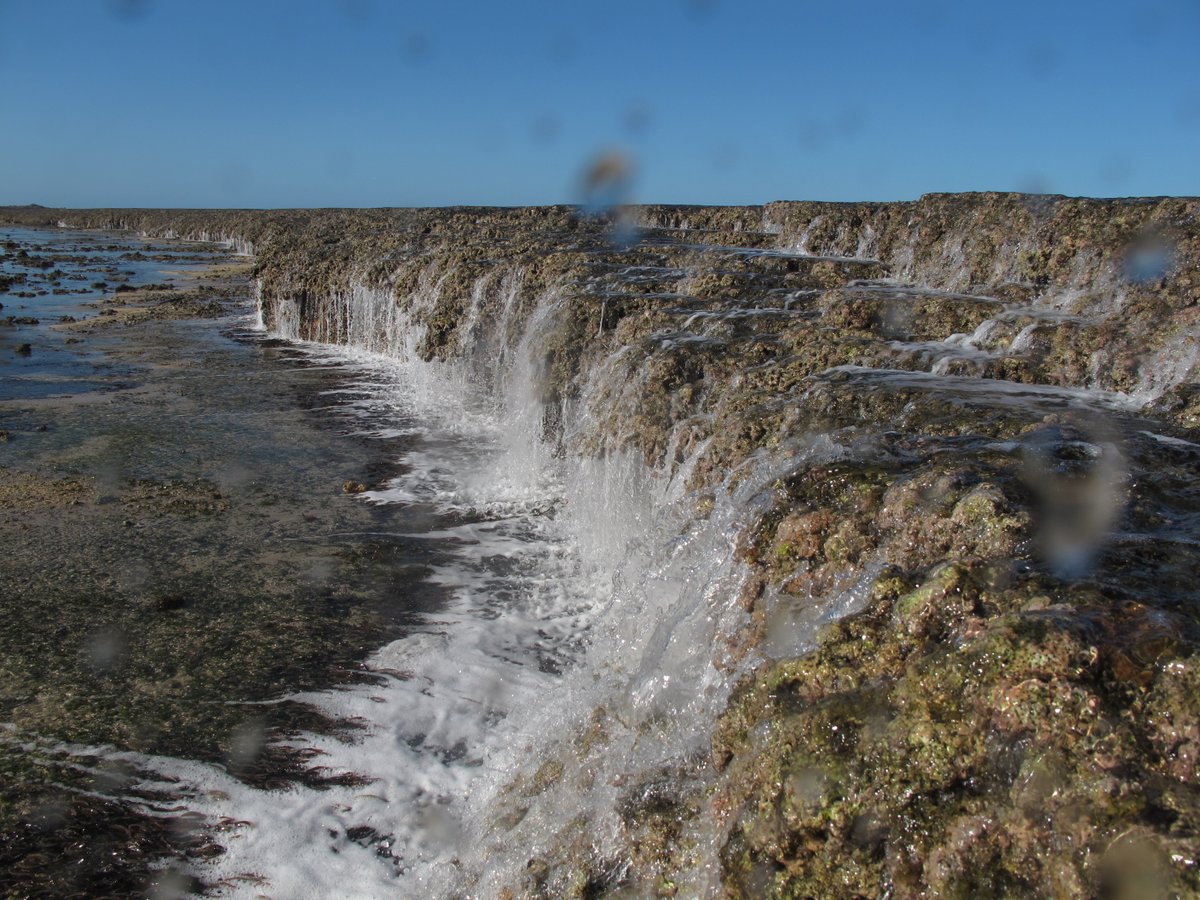
Check out our recent paper on the dyanmic ‘ocean weather’ that happens in coral reefs on a daily basis! @TakeshitaLab@HeatherNicoPage@SurfingSiren @tacourtne https://t.co/bWcomK2KHL
New paper out on #NZ kingfish - Organ health and development in larval kingfish are unaffected by ocean acidification and warming https://t.co/ejyzxIFRef
Check out our chapter in the new edition of Fish Physiology where we summarize the current understanding on the 'Ecological effects of elevated CO2 on marine and freshwater fishes'. With Philip Munday and Ivan Nagelkerken. https://t.co/rqje6Ng0mZ
Excited to share recent research where we show ocean acidification affects hemolymph chemistry and behavior in sea hares. Lead author and undergraduate @BeckyZlatkin has done an amazing job with this project. Ugrad research is important! @UMiamiRSMAS @NIGMS@univmiami
Should ocean acidification be considered multiple drivers? Abstract online of our accepted paper that discusses the impacts of different components of carbonate chemistry on the physiology of marine species by @CatrionaHurd and a host of great co-authors https://t.co/GRYDTZb50w
New @conphysjournal paper on squid and CO2. Aerobic performance/scope and recovery after exhaustive exercise in 2 species of tropical squid unaffected by extended exposure to projected end-of-century CO2 levels. https://t.co/6O1fatJXYr @watsonsueann@TiffanyJNay@physiologyfish
Comprehensive new analysis shows that “globally, marine species are being eliminated from their habitats by warming temperatures twice as often as land species,” #oceanprotection#risingtemperature
Did you know microbial populations on coral reefs shift predictably between day time and night? Exciting new work by Linda Wegley-Kelly and Craig Nelson: Diel population and functional synchrony of microbial communities on coral reefs https://t.co/dhzUZcVfiL
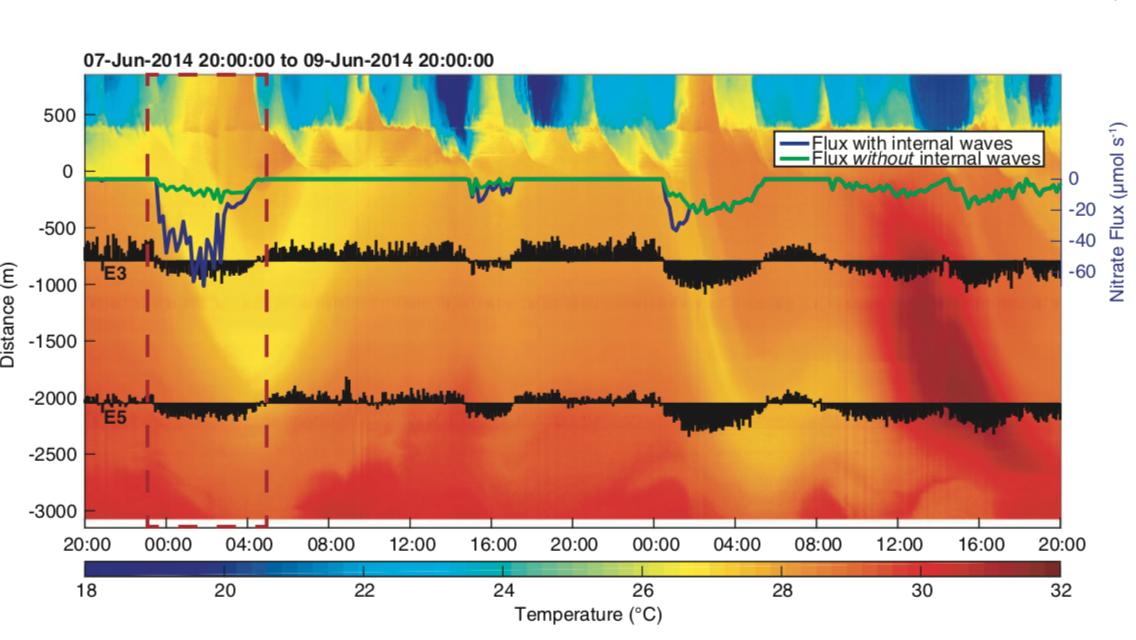
Amazing analysis of coral reef temps at resolution of 1 min and 1 m across kms. Internal waves, nutrients, heat budgets; this paper by grad student Emma Reid has it all.
Internal waves influence the thermal and nutrient environment on a shallow coral reef: https://t.co/WnCbwcD69j