“Exposure to respiratory viruses before a baby’s first birthday — when immune systems are immature and before most childhood vaccinations — consistently predicted reduced earnings, education and health decades later.”
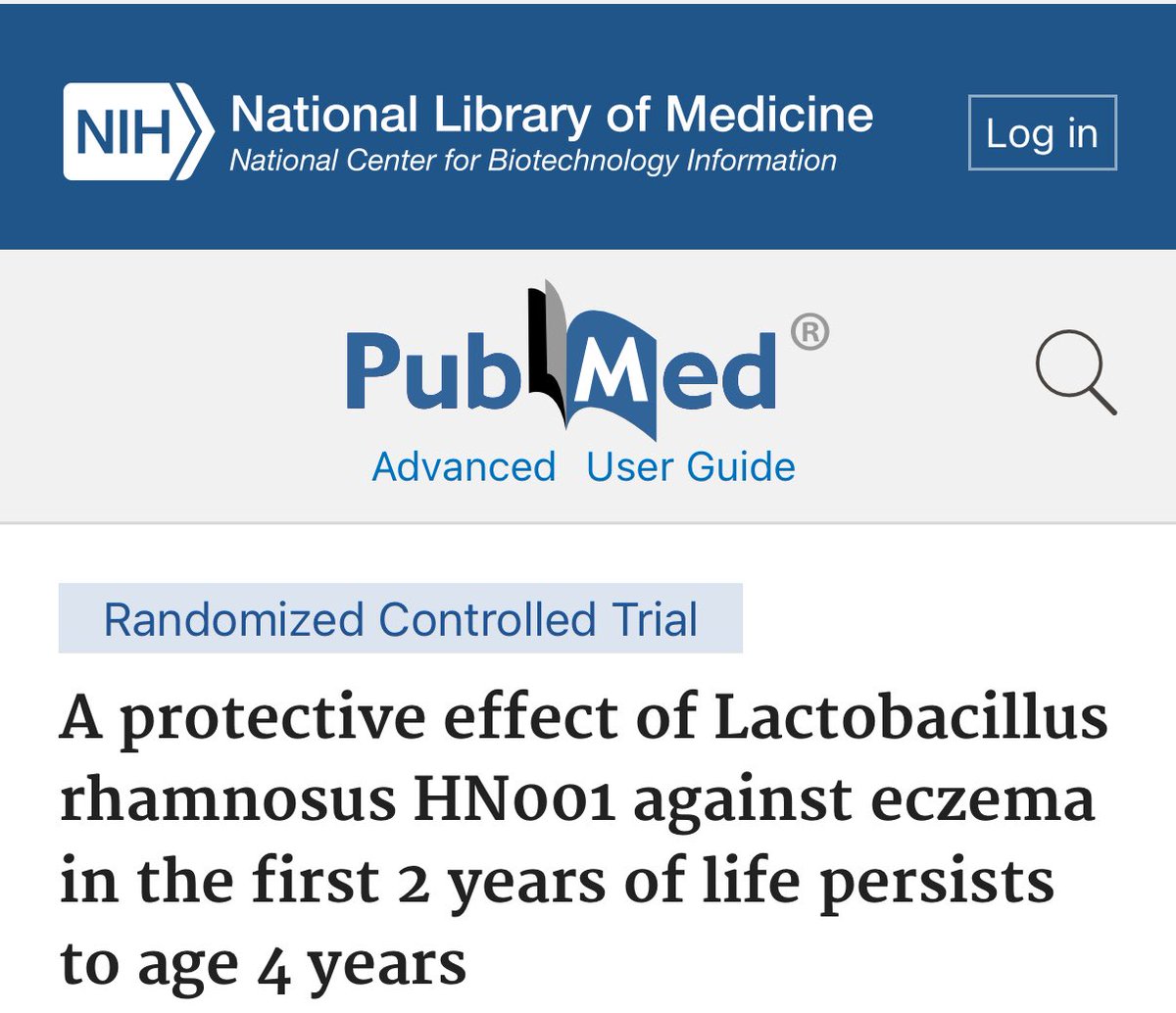
The probiotics you take during pregnancy may have the ability to confer massive, life-long immunity and protective effects against disease to your child. Continuous daily supplementation of lactobacillus rhamnosus HN001 given to mothers during late pregnancy/breastfeeding halves the risk of eczema.
Follow-up studies show this early-life intervention keeps protecting children, significantly reducing the prevalence of eczema and hay fever up to 11 years of age
While beneficial, most probiotics taken in adulthood cannot colonize the human gut. Infancy represents a critical, time sensitive window for gut development, sometimes referred to as a "once-in-a-lifetime" opportunity to shape the microbiome. During adulthood, the gut microbiome is highly stable and resilient. Introduced probiotics act like transient visitors. they provide therapeutic benefits as they pass through, but they rarely find an open ecological niche to permanently settle and colonize.
I filmed a tour of my home/garage gym.
Part product review, part sharing my framework on how I think about the equipment I need to support my goals.
Hope you find it interesting.
Featuring @Fedfitglobal@GoZwift@wahoofitness@concept2
@awilkinson I think that’s a big true-ism right now. There are rumors claim 5.6 will be better, but I am almost scared they will mess with the magic.
I’d _prefer_ to continue using the cheat if it meant things didn’t degrade: image generation for design and model for implementation
@StevenQuartz Said many times, peripheral catecholamines often mirrored by mesolimbic dopamine levels, but not always. While here: the paper you always cite on real time brain DA dynamics (with you as an author)… well the PI who led that study contradicted your interpretation. YOUR coauthor.
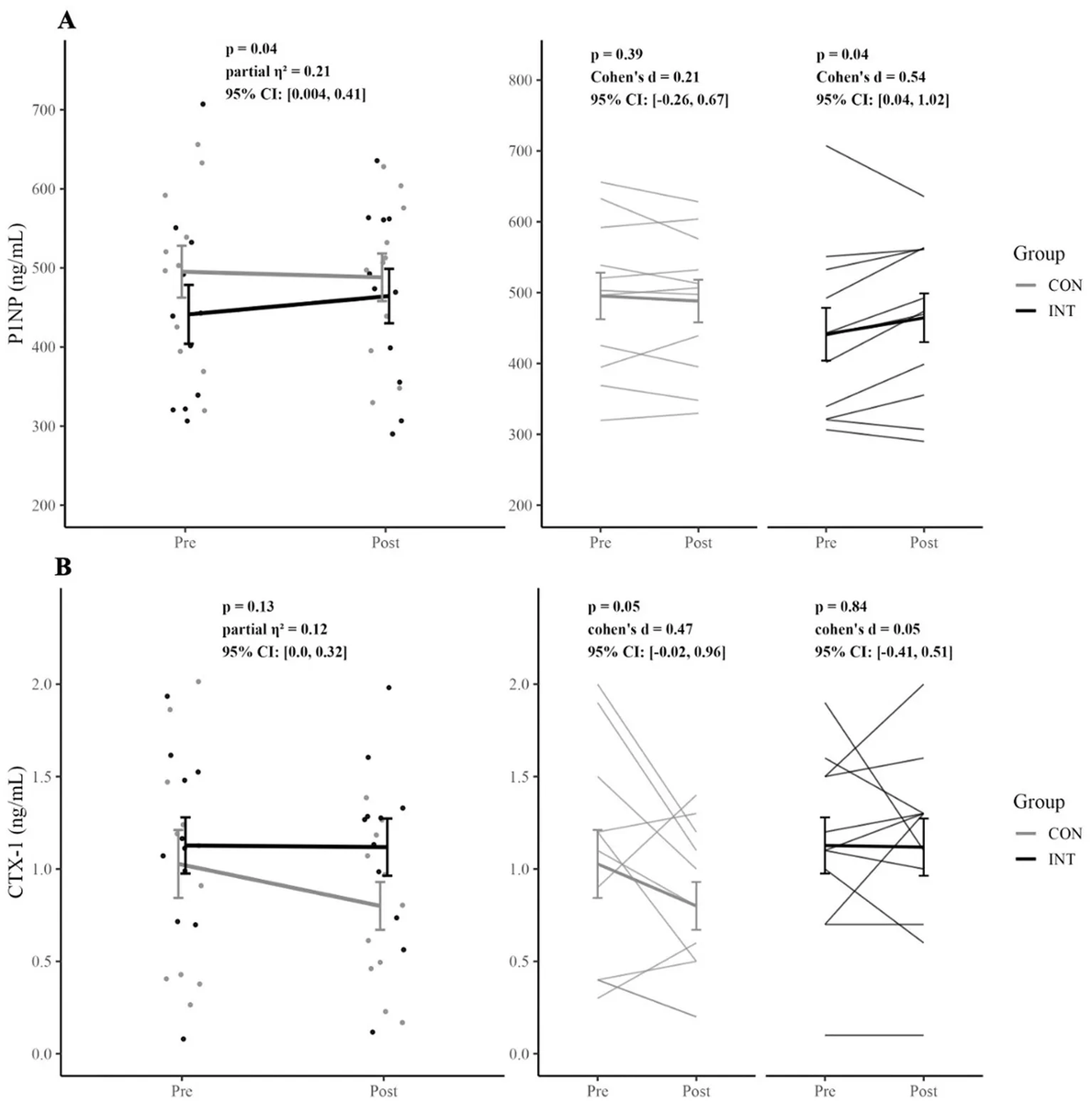
Short-term collagen peptide supplementation increased a marker of bone formation, altered osteoclast-related signaling, and reduced IL-6 in endurance-trained premenopausal women.
Study - https://t.co/T8qKI7DfTb
Creatine dose, benefits & safety from Dr. Rhonda Patrick:
- Standard muscle dose is 5 g/day of creatine monohydrate - the most well-researched form - but muscles are "very greedy" and consume most of it before it reaches the brain.
- Getting creatine into the brain requires higher doses: one German study found that at 10 g/day, MRI scans showed creatine levels rising in key brain regions above what the brain produces on its own.
- Creatine shines under brain stress - sleep deprivation, intense cognitive work, travel fatigue. One study gave sleep-deprived subjects 0.35 g per kg bodyweight (roughly 20-25 g) and they performed not just at baseline but above it.
- The phosphocreatine system has a frontal bias - the brain areas most associated with strategic planning and working memory rely on it most heavily.
"It's one of the most well-studied supplements out there. If it was unsafe, we really would know."
@foundmyfitness on @hubermanlab
one of the quotes i find most inspiring on a hard day:
"Whatever your hand finds to do, do it with all your might, for in the realm of the dead, where you are going, there is neither working nor planning nor knowledge nor wisdom"
Ecclesiastes 9:10