mythos will be bad ON PURPOSE on ai "frontier llm research" tasks, this is very very sad for the research community
also the fact that this is un purpose not visible to the user is crazy
Proud to share our lab’s @MMLabNTU work Log-linear Sparse Attention (LLSA) - a trainable sparse attention mechanism that reduces attention complexity from O(N²) to O(N log N), making diffusion transformers much more efficient.
Also, special shout-out to the first author @zhouyifan1107 for presenting the poster in full costume - truly above and beyond. The level of dedication is impressive! 👏
#CVPR2026 #DiffusionModels #EfficientAI #SparseAttention
I'll be staying in singapore as visiting student for 3 months @sutdsg to work in iNLP lab @Wenxuan__Zhang working on understanding of alignment tax. Feel free if anyone in SG wanna talk about research in continual learning & interpretability or just hanging out over kopitiam.
had this 非常好英语moment w/ my chinese friend and i replied like "wdym? your english is very good & very clear too. mine is just because we have 'adaptive' tongue"
Real bangettt!! Aku tinggal di China udah dari 2019 org sini kalau ujian tulis in paper gitu bener2 sempurna tapi kalau come to speaking orang Indonesia ga ada lawan! rata-rata speaking org Indo tuh ga ada aksen kaya org sini, makanya org indo selalu jadi “perwakilan” kalau ada event pake bhs Inggris disini🤭
Does mechanistic interpretability really find the circuit?
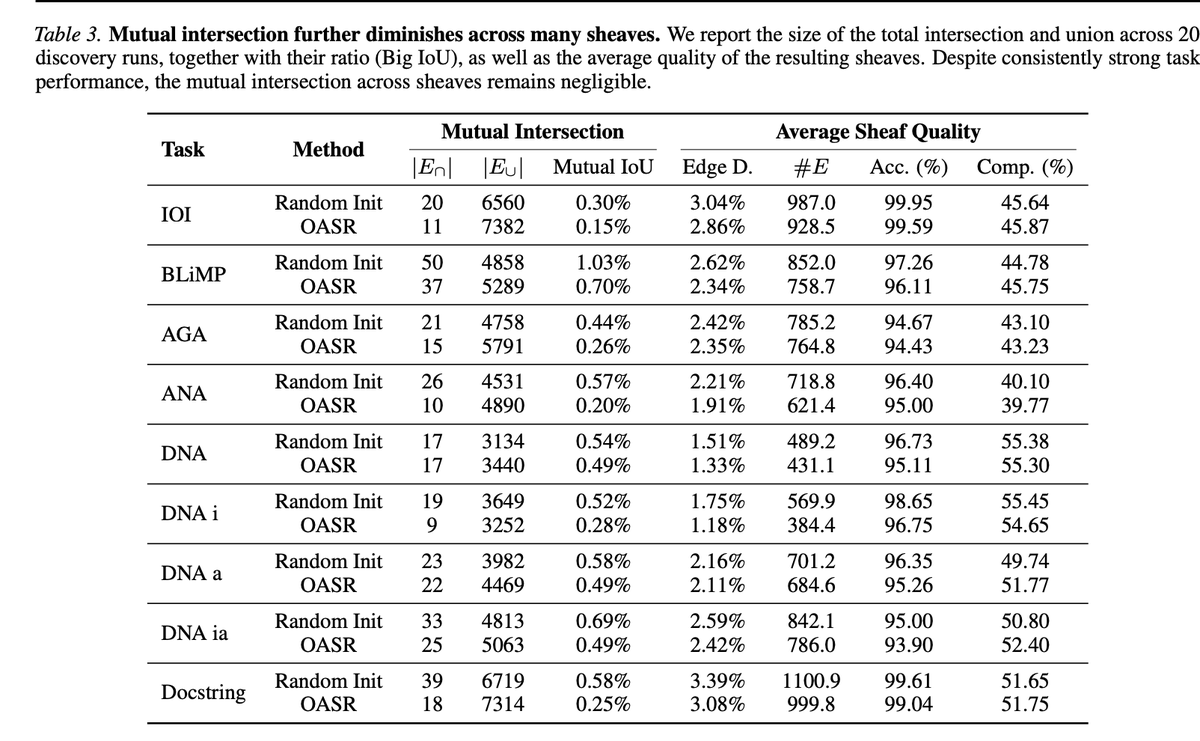
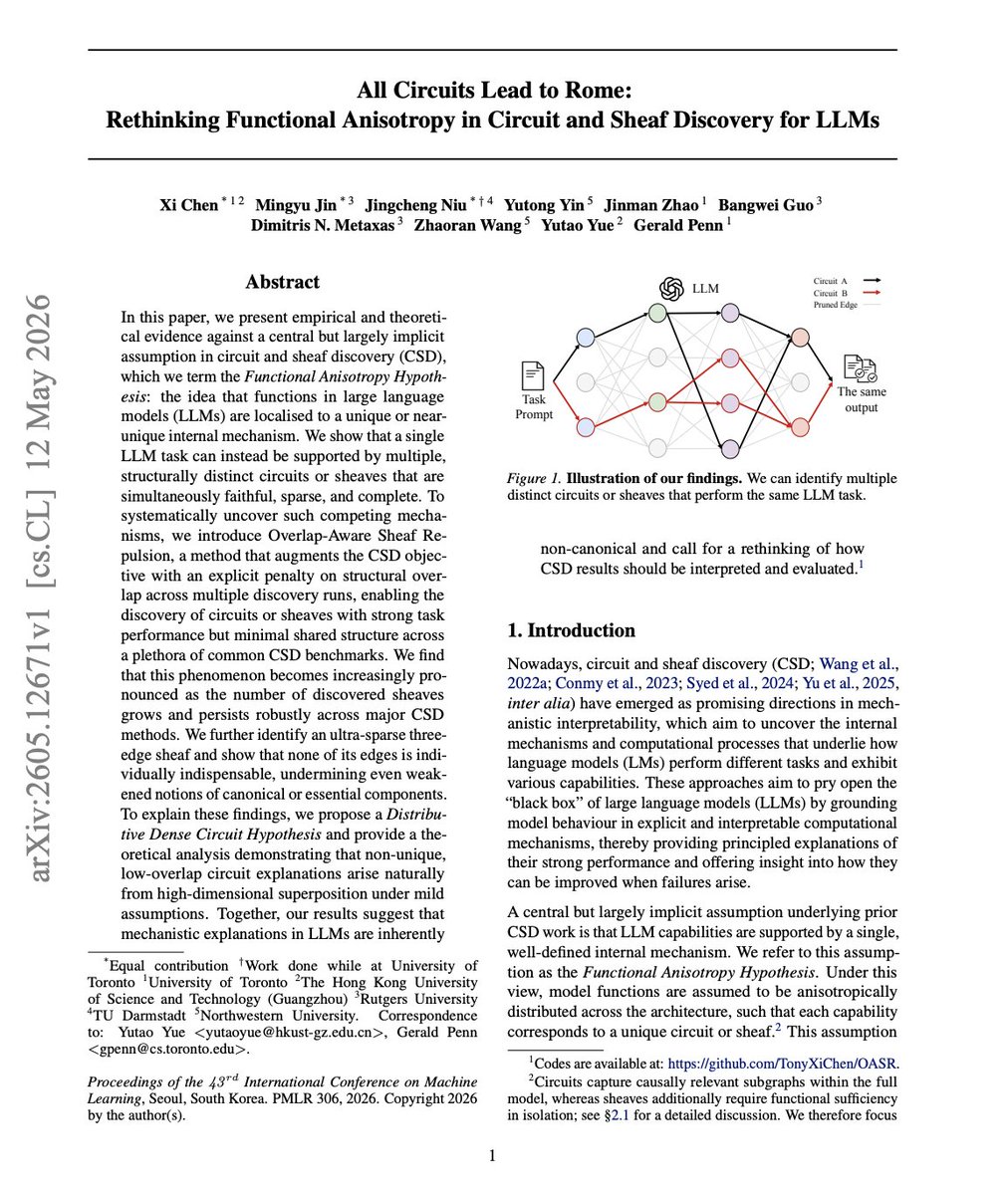
Our new paper, "All Circuits Lead to Rome: Rethinking Functional Anisotropy in Circuit and Sheaf Discovery for LLMs," (Accepted by ICML 2026) suggests the answer may be: not always.
A common implicit assumption in mechanistic interpretability is that a model's behavior is explained by the circuit — a sparse, canonical, almost-unique mechanism.
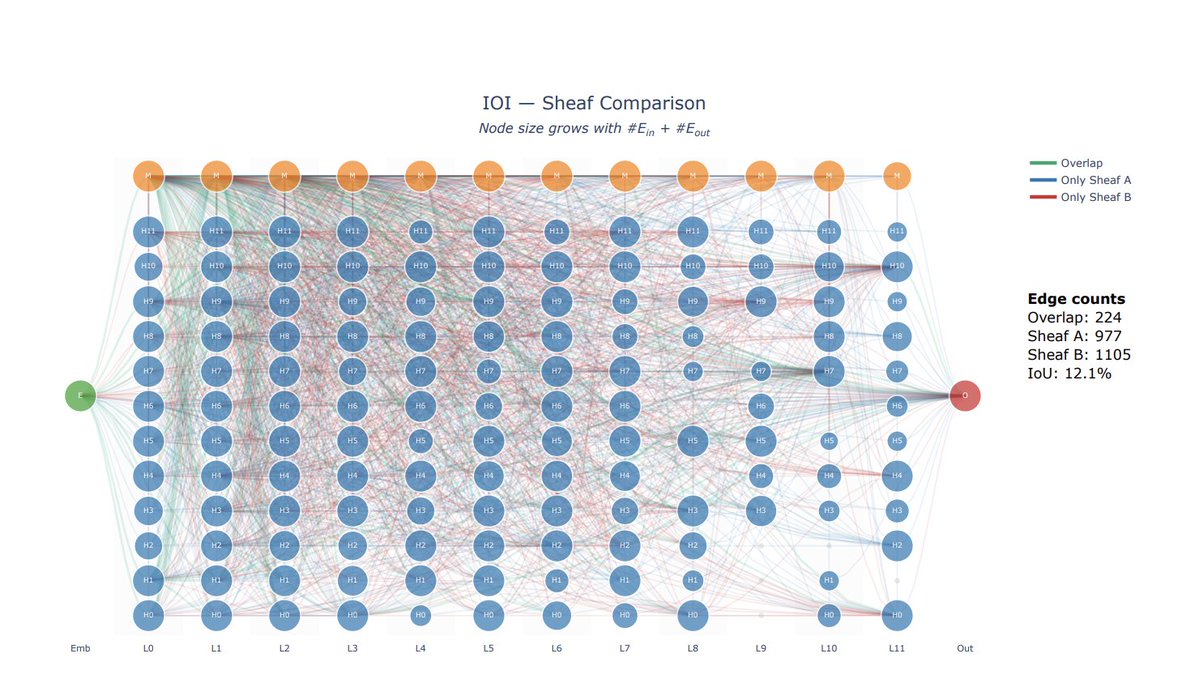
Instead, for the same LLM task, we find multiple circuits/sheaves that are:
✅ faithful
✅ sparse
✅ structurally different
✅ low-overlap
This means a discovered circuit may not be the unique mechanism behind a behavior, but one realization among many possible mechanisms. We call for rethinking how circuit/sheaf discovery results should be interpreted and evaluated.
Huge thanks to my amazing collaborators: @frankniujc, @YutongYin774638, and @zhaoran_wang
Paper: https://t.co/J5zO36Mr7m
#MechanisticInterpretability #LLM #AI #MachineLearning
Fun project idea:
can MMLLMs transcreate a meme from source language to another? Potentially interesting cos deciding to culturally adapt or just preserving image is hard and would decide whether the meme is still fun or meh
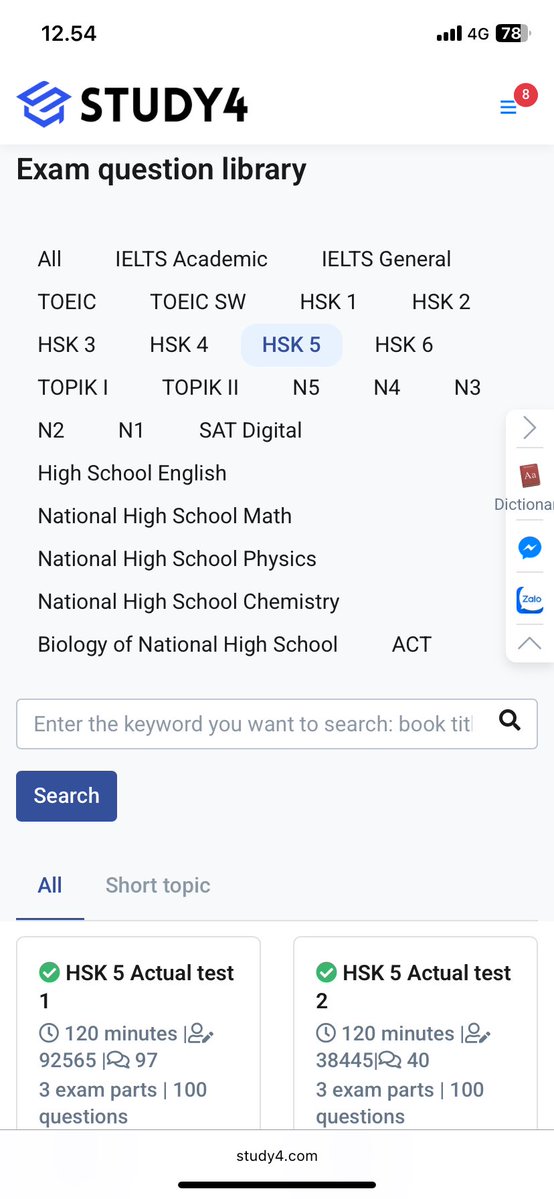
direkomendasiin teman Vietnam ku website latihan soal HSK gratis!! 😍
buat kalian yg bingung latihan test HSK di mana, malas koreksi satu per satu, boleh deh dicoba website ini~
tidak hanya ada HSK, tapi ada IELTS, TOPIK, JLPT juga 👀
#langtwt#studytwt#hsk#mandarin
By awkward here the formal terms sound so "alien-ish" compared to what is used in daily live. Not a great analogy, but just think about English using vocabs in GRE vs common English.
I have no objection on explaining things on each's native language. It just appears to me that explaining scientific things in my native tongue is ironically more challenging and sounds "awkward" so I use English for my countrymen fellas.
I’ve discussed this with other PhDs before: for a CS PhD, is it better to study in China or in the US?
1. Prospects: US industry > US top academia > China industry > US academia > China academia
- In terms of payout, industry giants in China for fresh PhD graduates typically range from 1M to 6M CNY, and when adjusted for purchasing power, this can potentially exceed US industry pay.
2. Education: CS education in the US is more consistent and overall stronger.
3. Ranking: China top 10 is roughly comparable to US top 50~100,
- In industry, most people can find jobs anyway.
- In academia, PhDs from Chinese universities can usually only become assistant professors at lower tier schools, unless they go abroad for a postdoc and then return through talent programs.
4. Resources: Interestingly, PhDs in China often have access to more compute resources, because the current training model effectively makes a PhD a four to five year full time intern for GPUs.
5. Lifestyle: Depends on whether you prefer big cities like Beijing and Shanghai or the college town style in the US.
6. Environment: The academic environment is probably still better in the US, although both funding and the academic ecosystem there are declining rapidly.
- There are bad things everywhere, but I cannot really say much more about that.
Additionally, due to my personal health and overall condition, I am considering quitting my incoming PhD at RUC and applying again for Fall 2027 PhD programs, although I have not made a final decision yet.
This is a very difficult choice. I am truly grateful to my advisor for bringing me into research and for all the guidance. And he has been very kind to me and has never pressured me to stay, which makes this decision difficult for both of us.
In the end, I have to prioritize my mental health, so this is something I still need more time to think through. I still hold a pure sense of passion and aspiration for research, and even with all the emotions I cannot let go of, I do not want to give up or suicide or do anything drastic before I have achieved more results :)
After visiting HKUST and having in-depth conversations with several US PhD students, I finally resolved many doubts and confusions I had carried for years.
I just realized quite interesting fact about kanji vs hanzi. While the kanji is derived from hanzi and the hanzi has logographic nature, it interrsting like that one concept is representated differently in hanzi vs kanji.
Went to suzhou (not a big city like shanghai, shenzhen, or beijing) & was surprised w/ this. S/o to xinjiang dishes & lanzhou's 牛肉面. Also Tokyo i saw more indian or middle east foods for halal options than japanese dishes.
Unpopular opinion: lebih muslim friendly Beijing daripada Tokyo.
Di Tokyo nyari ramen halal yg ada lo nemu overpriced bastard ramen.
Di Beijing dgn gampang lo nemu Lanzhou Lamian yg emang menu asli suku Hui.