There are many ways to fix the intraseptal lead during LBBAP implant to achieve physiological pacing. Many use two hands.
Tips and tricks for a single left-handed technique:
1) Sheath tents RV septum with contrast
2) Advance lead tip out slowly to the point of almost displacing the sheath
3) Right hand fixes the sheath torque using syringe of contrast
4) Rapid rotations to spin the lead between left thumb and index finger- palm up
5) Contrast injection to confirm breaking through the RV endo plane in LAO
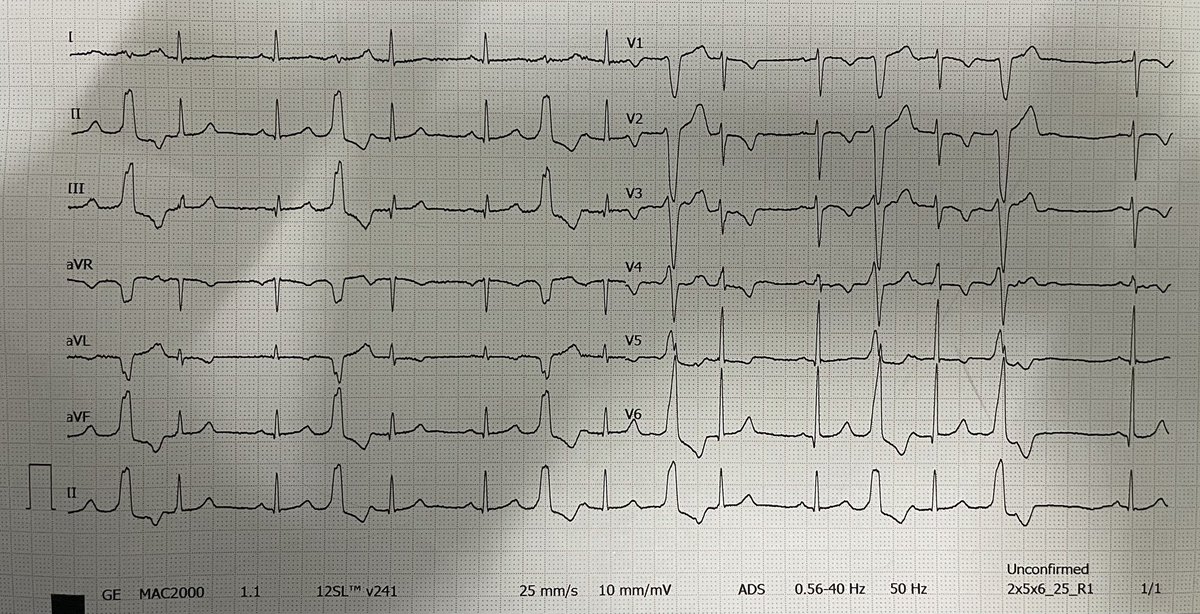
Fascicular Ventricular Tachycardias: Potential Role of the Septal Fascicle
*
Read about the supposed anatomic nature of slow conduction area in the left lower corner (click the pic).
https://t.co/z8efJxQjp6
Malaikat bertanya,
Ya Allah apa aku harus mencatat ibadah hambamu ini?
Sedangkan ia beribadah tapi hati dan pikirannya tidak.
Lalu ia hanya mengingatMu dikala sedih, setelah bahagia engkau kembali.
Allah menjawab,
Tidakkah engkau melihat wahai malaikat, hambaku ini tidak
Atau kasus kasus kematian jantung mendadak terutama usia muda paling sering umumnya dijelaskan sebagai serangan jantung karena penyempitan pembuluh darah
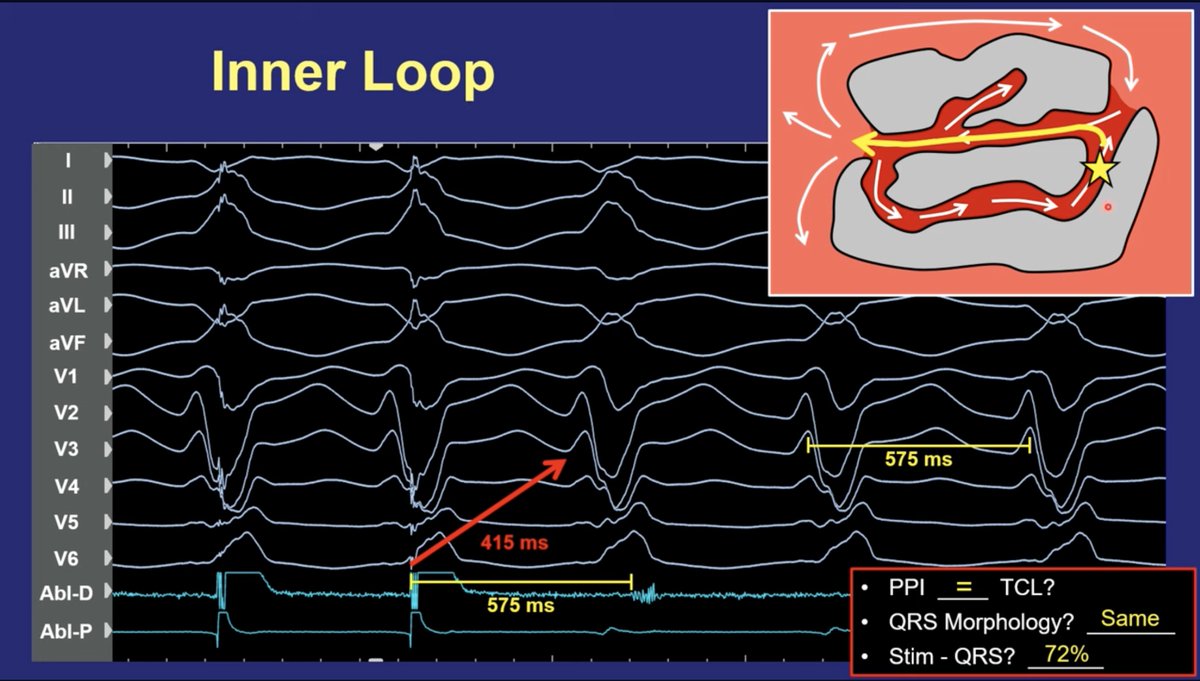
Excellent examples of using the reentrant pacing maneuver to identify the pacing site relative to the ventricular tachycardia (VT) circuit by Dr. Cooper.
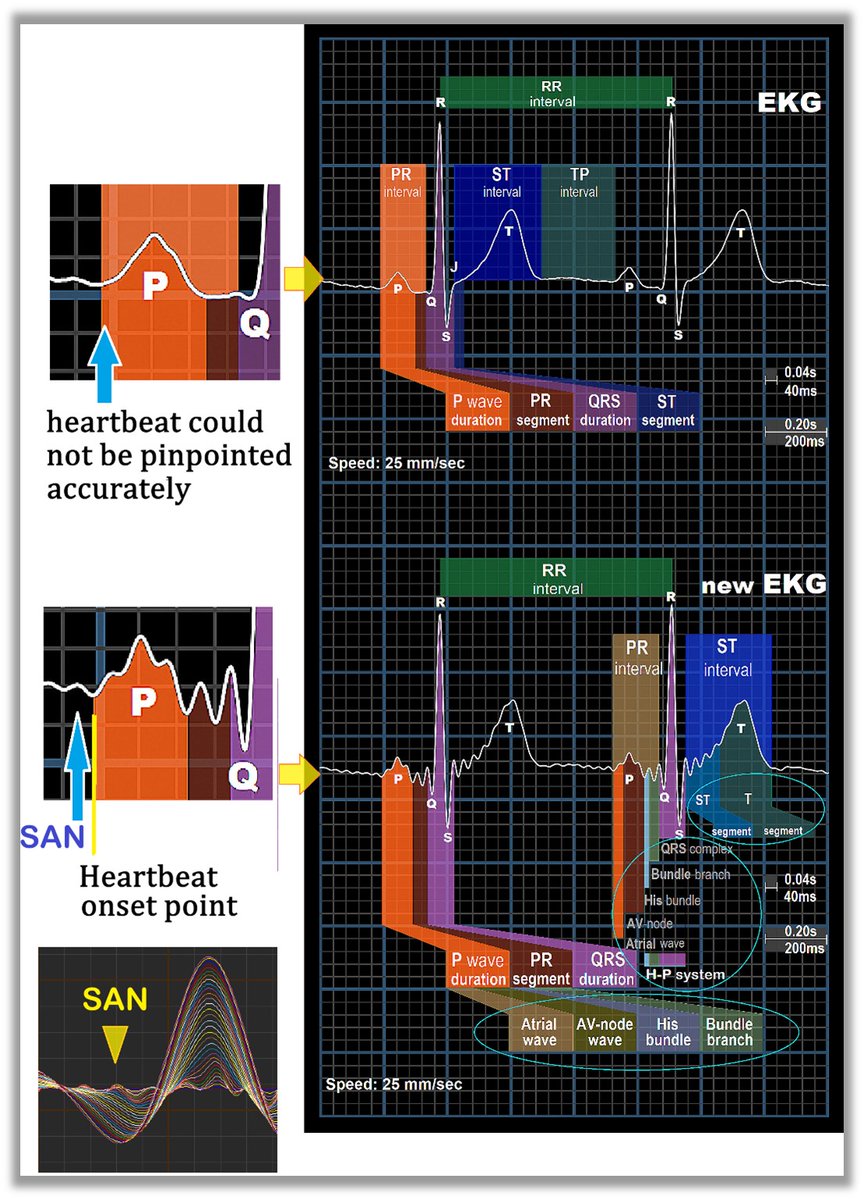
SAN (sinoatrial node)
Precisely locating the starting point of each heartbeat is extremely difficult and has been a challenge for 122 years. The reason is that the P-wave onset in traditional ECGs is a curved corner, and a slight difference amounts to 5–10 milliseconds. Therefore, the unit of measurement with a compass can only be in "seconds," while computer measurements cannot pinpoint it accurately either. Up to now, ECG remains at a rudimentary stage of data values, unable to achieve quantitative diagnosis or meet clinical needs. The heart is an organ that conducts electricity, and undoubtedly, ECG is the most direct targeted indicator of the heart. However, since receiving the Nobel Prize in 1924, it has not been revolutionized. What is recorded is merely a high-frequency trace of the heart's surface (P = atrium, T = ventricle, QRS = pulse wave). What we doctors see is only a superficial electrical trace. Signals such as SCT, various membrane potentials, and ion exchange signals are all completely blank. The correlation between ECG and diseases is simply too far apart.
The SAN (sinoatrial node) is the starting point of each heartbeat and is, of course, of utmost importance because the human heart rate of 60–100 beats per minute is determined by the SAN's working frequency. Electrophysiologists and interventional cardiologists both rely on the SAN, as it is the origin of every heartbeat. The blood supply to the SAN comes from two coronary arteries: the LCx (left circumflex artery) and the RCA (right coronary artery).
**Specialized Cardiac Tissue (SCT) was proposed by Great Hoffman in 1964.
SAN = The source of life, the very place where life resides, and the starting point of every heartbeat.
PhysioSign USA
#ecg #ekg #ep #electrophysiology #medtech #cardiology