Help with fluorescent protein:
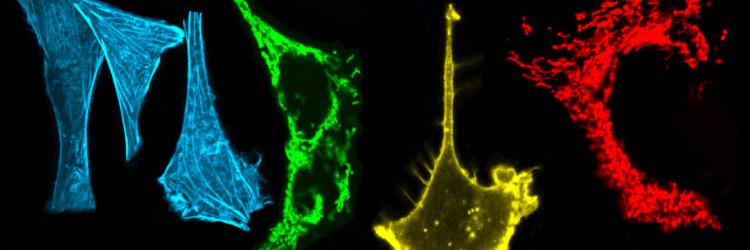
I wanted to use mCardinal or mNeptune2 as a far-red marker (for peroxisomes, if it matters). I want to co-image with tdTomato.
based on the spectrum (from @FPbase ) i thought it would work. but i see them very bright in the tomato channel.
I’m immensely proud to be elected among this distinguished group of #NAIFellow2021 electees. a recognition of long work with many collaborators and co-inventors, academic and commercial https://t.co/NlScK0PM31
And for the spring, our junior level bioorganic lab will be run remotely, with demonstrations by GoPro in the lab. @CmuScience@CMU_Chem@emeraldcloudlab
While #covid19 has forced some MCS researchers out of their labs, a group of undergrad students learned about the burgeoning field of automated science thanks to a new class taught by @mpbruchez that introduced students to the innovative Emerald Cloud Lab. https://t.co/kGR3mkq0F0
Best work I've seen from a Bruchez in a long time! My SciSis has been getting ready for 2020 all along. @AnnaBruchez double whammy: #ebola and #COVID MHC class II transactivator CIITA induces cell resistance to Ebola virus and SARS-like coronaviruses https://t.co/9KsMaLxSkQ
What surfaces are people likely to touch? #COVID-19 researchers from @NYU_CUSP@NYUTandon & @nyu_gh scour NYC, checking hospitals & mass transit, to share pioneering 3D data with epidemiologists worldwide. @NSF funded https://t.co/ItVUalhMbK #NYUTandonMade
For those who like a visual demonstration of Expansion Pathology, we have made a video tutorial on the standard protocol @JoVEJournal. Many thanks to @OpticalComplex@obucur1. https://t.co/bgJsDqRbFE
Our paper on Expansion Pathology & its new rapid version is out @NatureProtocols! Human specimens may be expanded and imaged beyond diffraction limit w/ < 8 hours. Very grateful to our great team @CMU_Bio@eboyden3@obucur1@CBI_Pitt&those not on Twitter. https://t.co/n4bM7HStwU
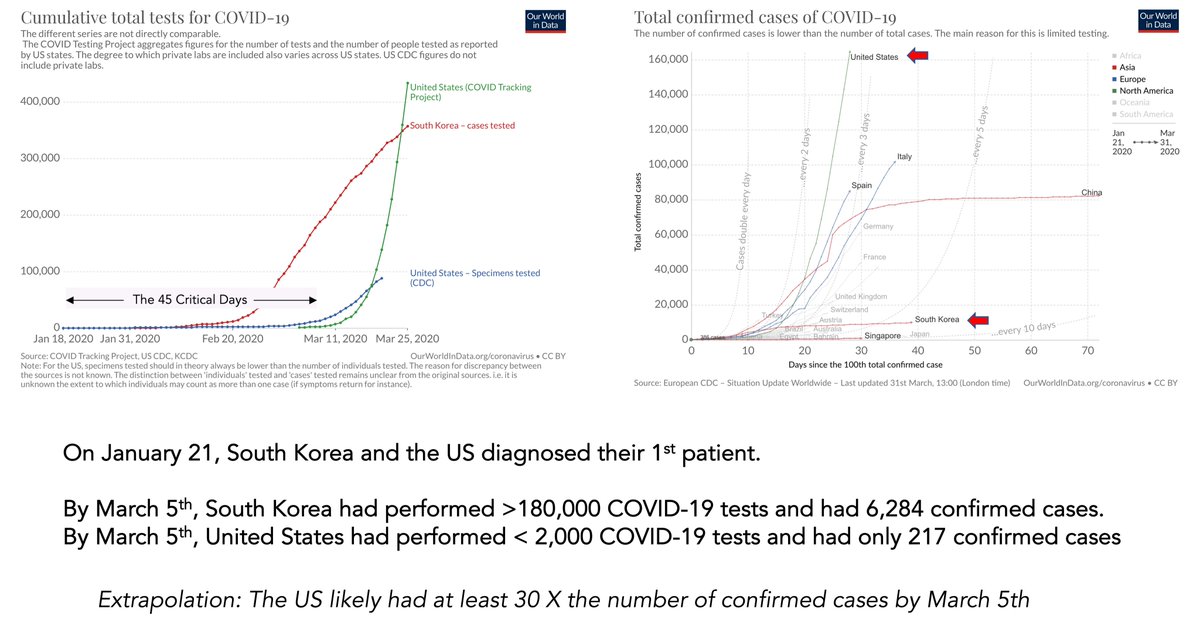
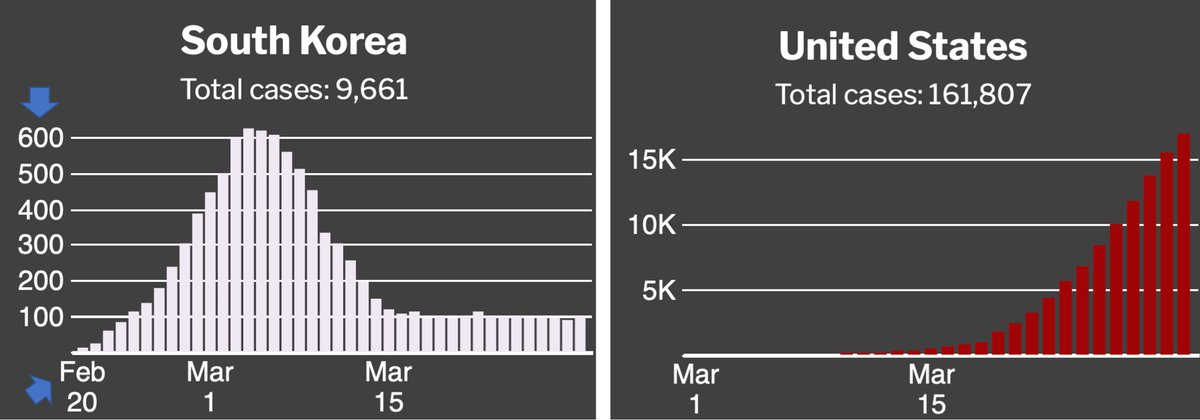
The critical 45 days: how one country got ahead of its outbreak and the other enabled unbridled #COVID19 spread
Looking at the numbers in more depth from @OurWorldInData@JoeHasell@MaxCRoser @KoreaCDC data
right panel= total cases from yesterday, note different X and Y axes
A fantastic retrospective on 4 decades of coronavirus research by @weisssr. We stumbled into coronavirus work just 2 years ago, and many others are also new to the field with COVID-19. Nice to have the historical highlights laid out for us.
https://t.co/dQpMHchWJh
“What’s the secret?” I’m sometimes asked. My lab has been crowdsourcing for eight years through the citizen science project @eye_wire. https://t.co/tlAvhEM2nF 3/