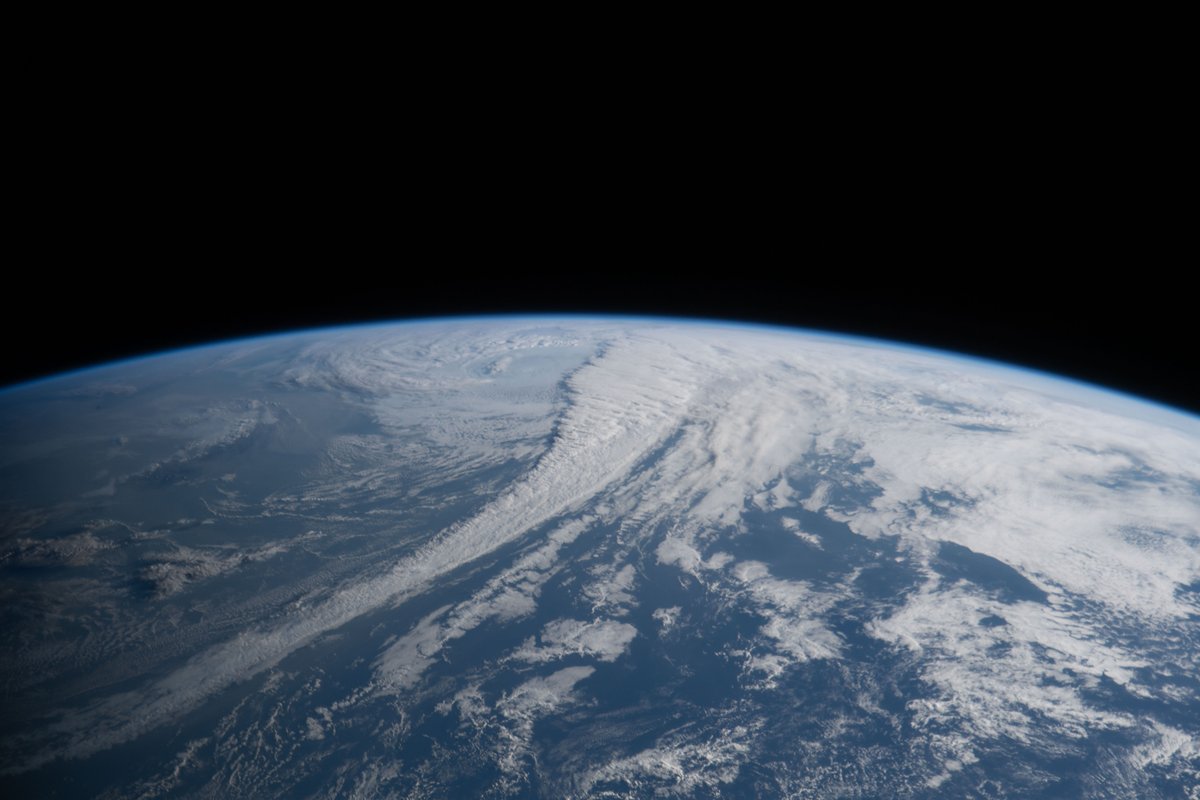
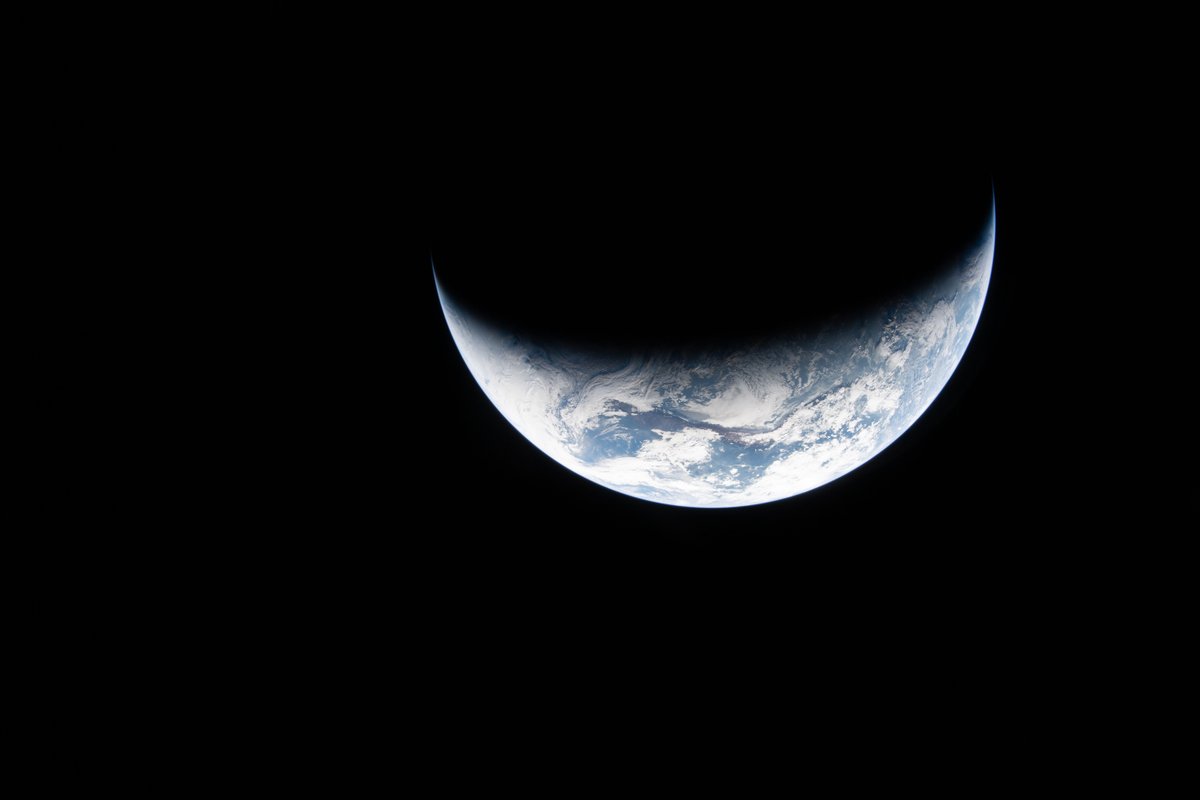
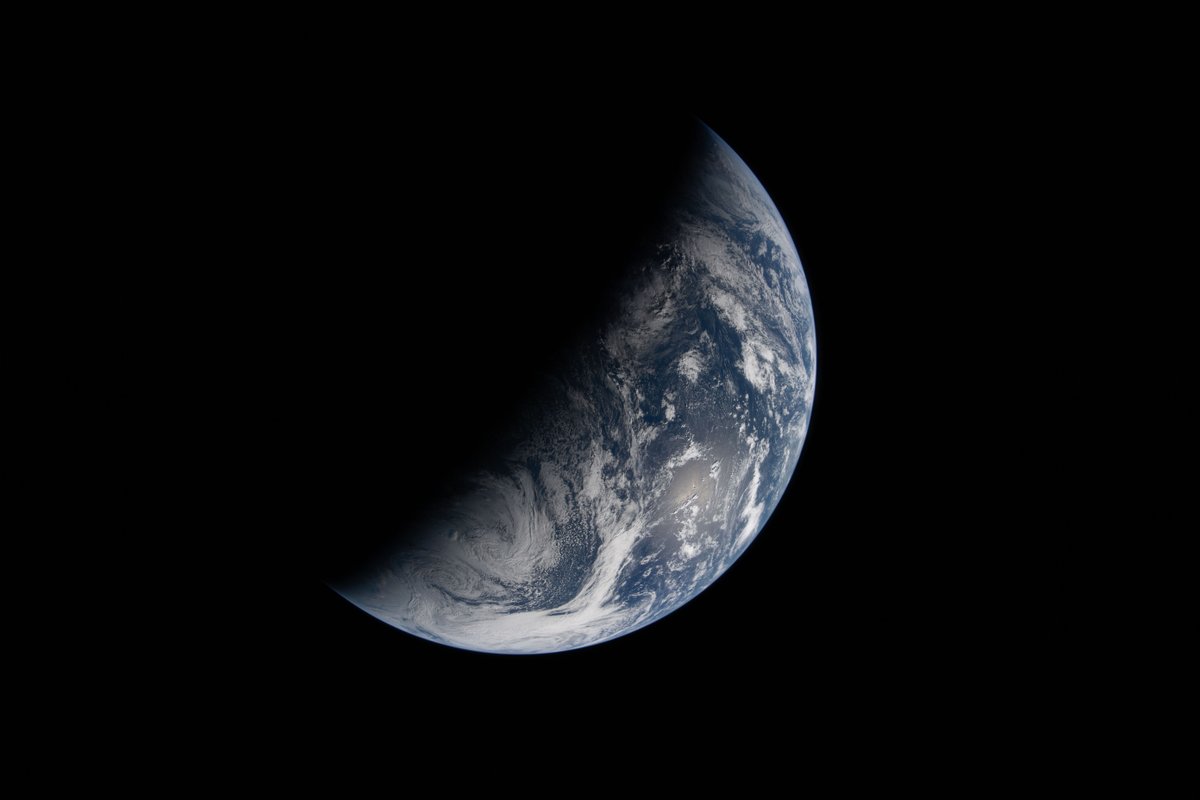
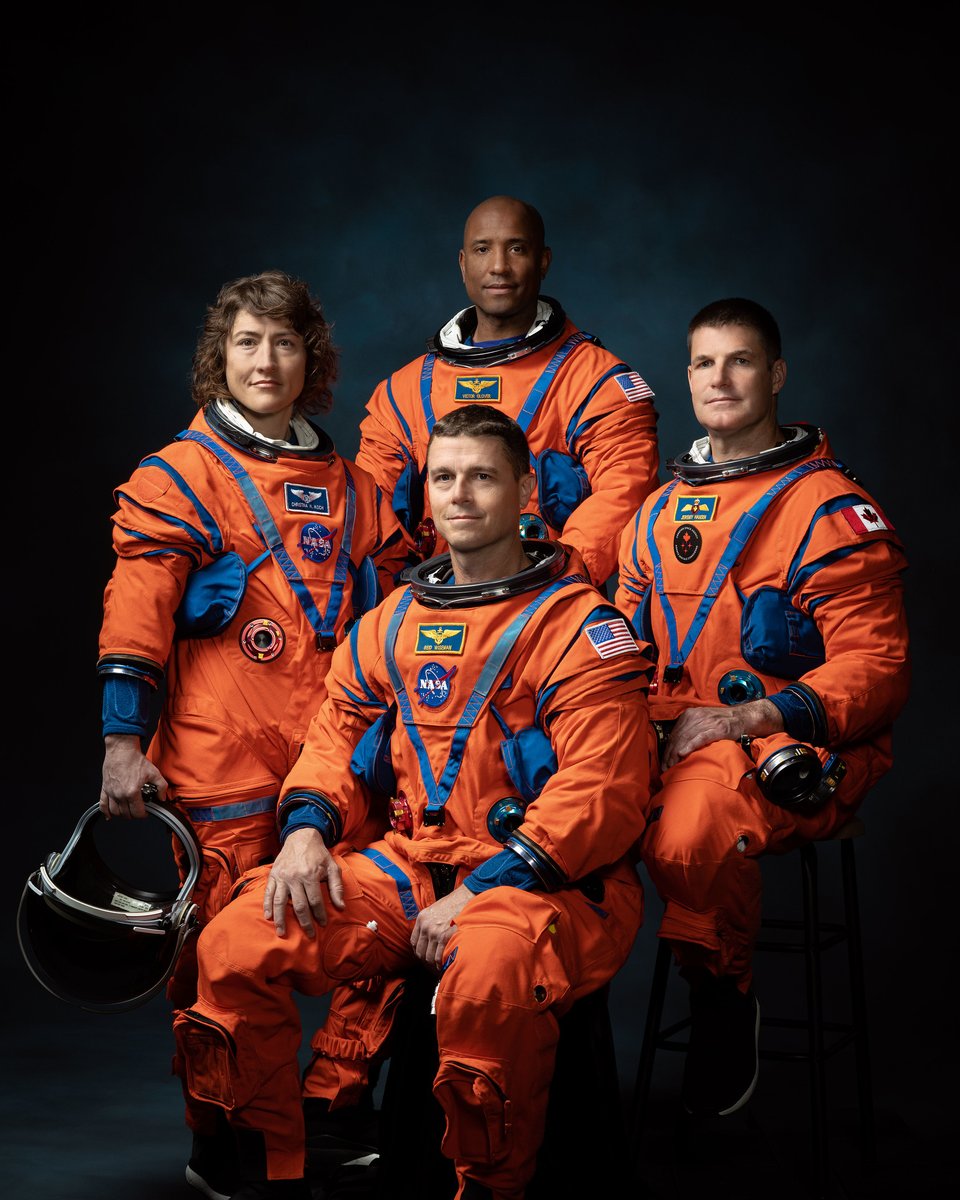
We are just weeks away from Artemis II, where we will send astronauts around the Moon—farther than any crew has traveled before.
The mission’s press kit is now available! Check it out: https://t.co/R3JaaG8lQU
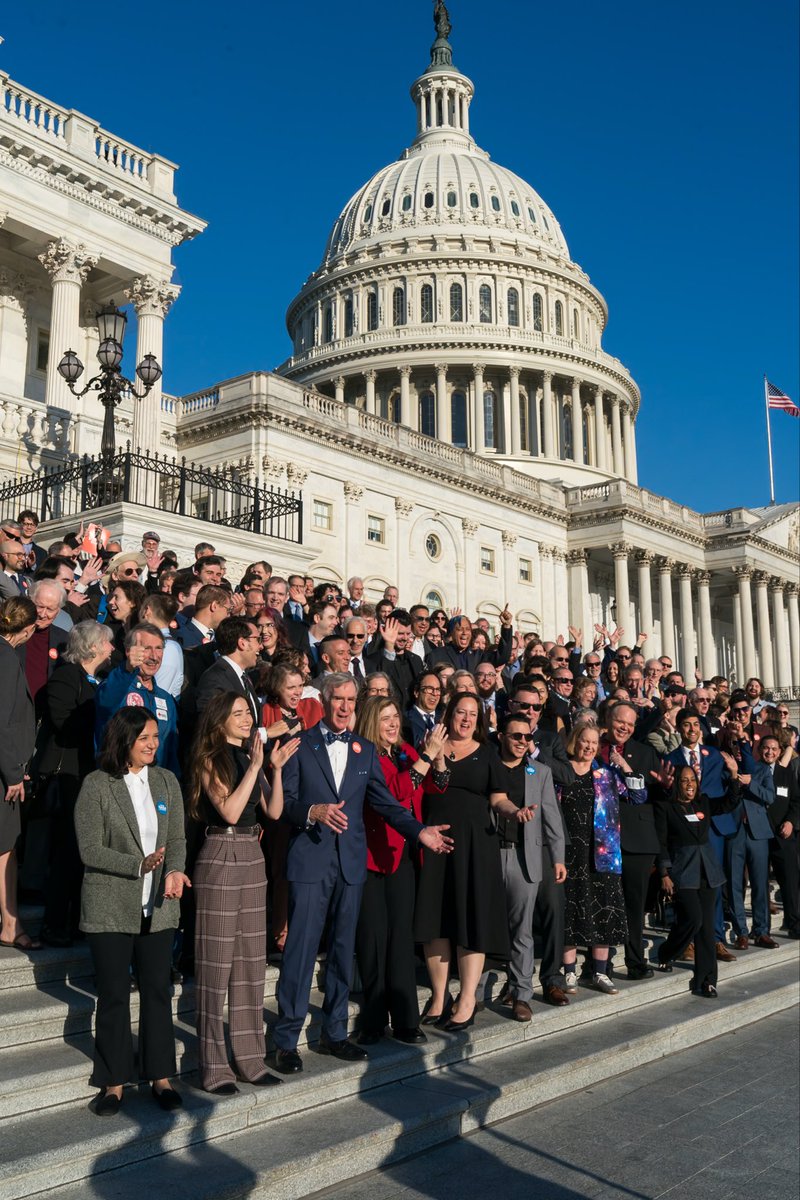
You just saved NASA science. 👏
Congress just overwhelmingly passed a bill that protects NASA’s science programs and the National Science Foundation.
It rejects a proposal to cut NASA science by nearly half and cancel more than 40 missions.
This win is so important as the last year did real damage.
Over 4,000 NASA civil servants were lost, along with thousands of contractors.
Research was disrupted.
Grants were cut.
Mission teams were forced to plan shutdowns instead of doing science.
Students and early-career researchers lost critical opportunities.
But Americans (and international friends who care deeply about NASA) didn’t stay quiet.
➡️ You signed letters.
➡️ You shared posts.
➡️ You talked to friends and coworkers.
➡️ During our Day of Action this past October, hundreds of advocates showed up to meet with members of Congress and their staff. Tens of thousands of people from every state also contacted Congress, where nearly 100,000 messages were sent.
All that led to Congress listening.
🚀 The House passed this bill 397–28.
🚀 The Senate passed it 82–15.
This kind of bipartisan vote sends a clear message: science is still a national priority.
So what happens next? This bill helps stabilize NASA science and protect the future of discovery. But it’s important to note that the work isn’t done.
You don’t just flip a switch and recover from losing 4,000 people. NASA now has to rebuild teams, restart research, and repair trust across the workforce. But this vote gives science a path forward.
Thank you to everyone who spoke up, shared, wrote, and cared enough to act. That’s what made this possible.
Learn more: https://t.co/DyPZ0Yim6F
Oh, the lights are shining so brightly everywhere ✨
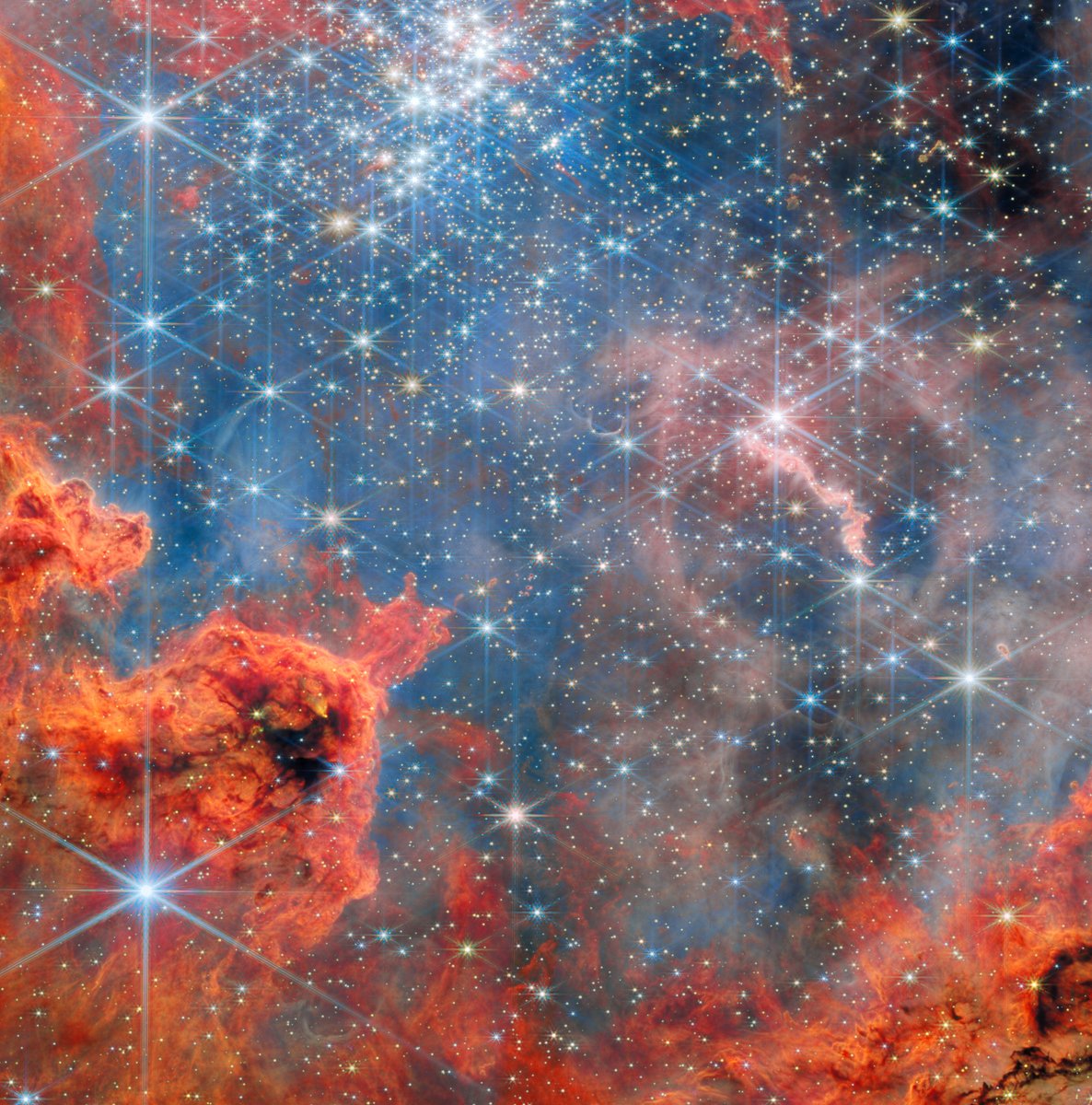
As we wrap up 2025, Webb captured a star-studded glimpse into Westerlund 2, a cosmic nursery that reminds us to look forward to the beauty of new beginnings.
https://t.co/VtYQvsCGc1
BREAKING NEWS
The Royal Swedish Academy of Sciences has decided to award the 2025 #NobelPrize in Physics to John Clarke, Michel H. Devoret and John M. Martinis “for the discovery of macroscopic quantum mechanical tunnelling and energy quantisation in an electric circuit.”
WATCH LIVE: Join us for the 2025 Nobel Prize in Physics announcement.
Hear the breaking news first – see the live coverage from 11:45 CEST.
Where are you watching from?
#NobelPrize
https://t.co/rogqaeFtSu
After a year of scientific scrutiny, a rock sample collected by the Perseverance rover has been confirmed to contain a potential biosignature. The sample is the best candidate so far to provide evidence of ancient microbial life on Mars. https://t.co/0BAO1dhMG8
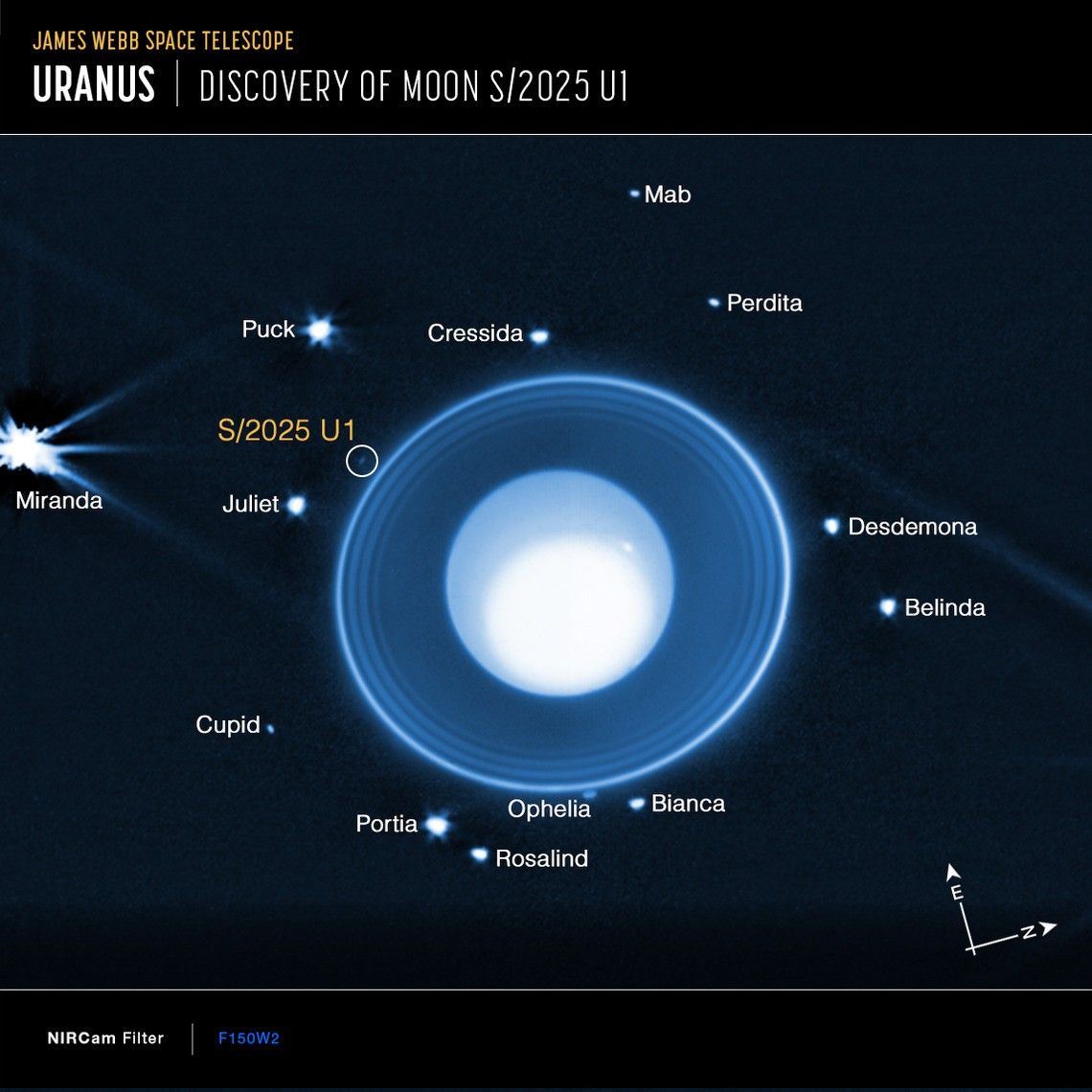
🌚 @NASAWebb spotted something new around Uranus.
A previously unknown moon was discovered circling the planet, expanding its orbital family to 29: https://t.co/7Aa0dEBL7q
Einstein learned tensors from his mathematician friend Marcel Grossmann, a former classmate at ETH Zürich who later became a professor of mathematics. Grossmann introduced Einstein to the works of Ricci and Levi-Civita on tensor analysis, which provided the formal tools Einstein needed.
Biggest black hole ever seen - weighs as much as 36 billion of our Suns, distorts the light of a more distant blue galaxy into a ring around its own, ancient orange galaxy. Beautifully pushing the edge of what we understand.
details: https://t.co/Z16cNJrgqO
Ten years after Einstein’s death, physics laureate Roger Penrose demonstrated that black holes can form and described their properties. Penrose’s ground-breaking article is still regarded as the most important contribution to the general theory of relativity since Einstein.
Sad news. I had the great pleasure of interviewing Jim Lovell - he told me that of all the Apollo flights he could have chosen - Apollo 8 was the one because it was the first navigation of the ocean between Earth and Moon. He was in lunar orbit on my first Christmas Eve. RIP.
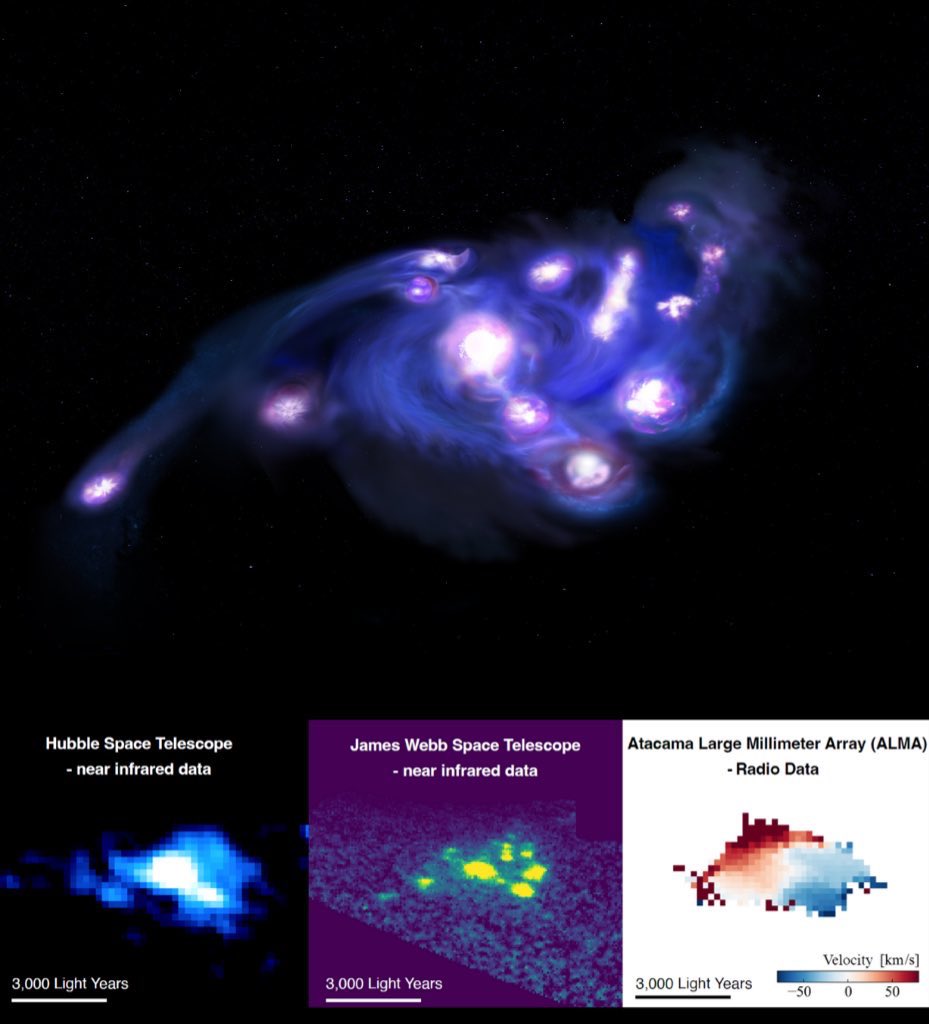
#BreakingNews 📡 ALMA and @NASAWebb@ESA_Webb 🛰️Shed Light on "Cosmic Grapes"🍇 observations unveil unexpected details of rapid growth in a faint, newborn "grape-like" galaxy, similar to galaxies in the early universe following the Big Bang
https://t.co/7K4PjMl2GZ