ICYMI: researchers recently discovered and tested a breakthrough heat-resistant material at NASA Glenn!
It could help @NASA melt Moon rocks to extract resources — like metals for building infrastructure and oxygen for fuel and life support systems. 🌕
Here on Earth, it could prove ideal for making coatings that protect parts inside of jet engines. ✈️
More on this work: https://t.co/ktzxraZIUD
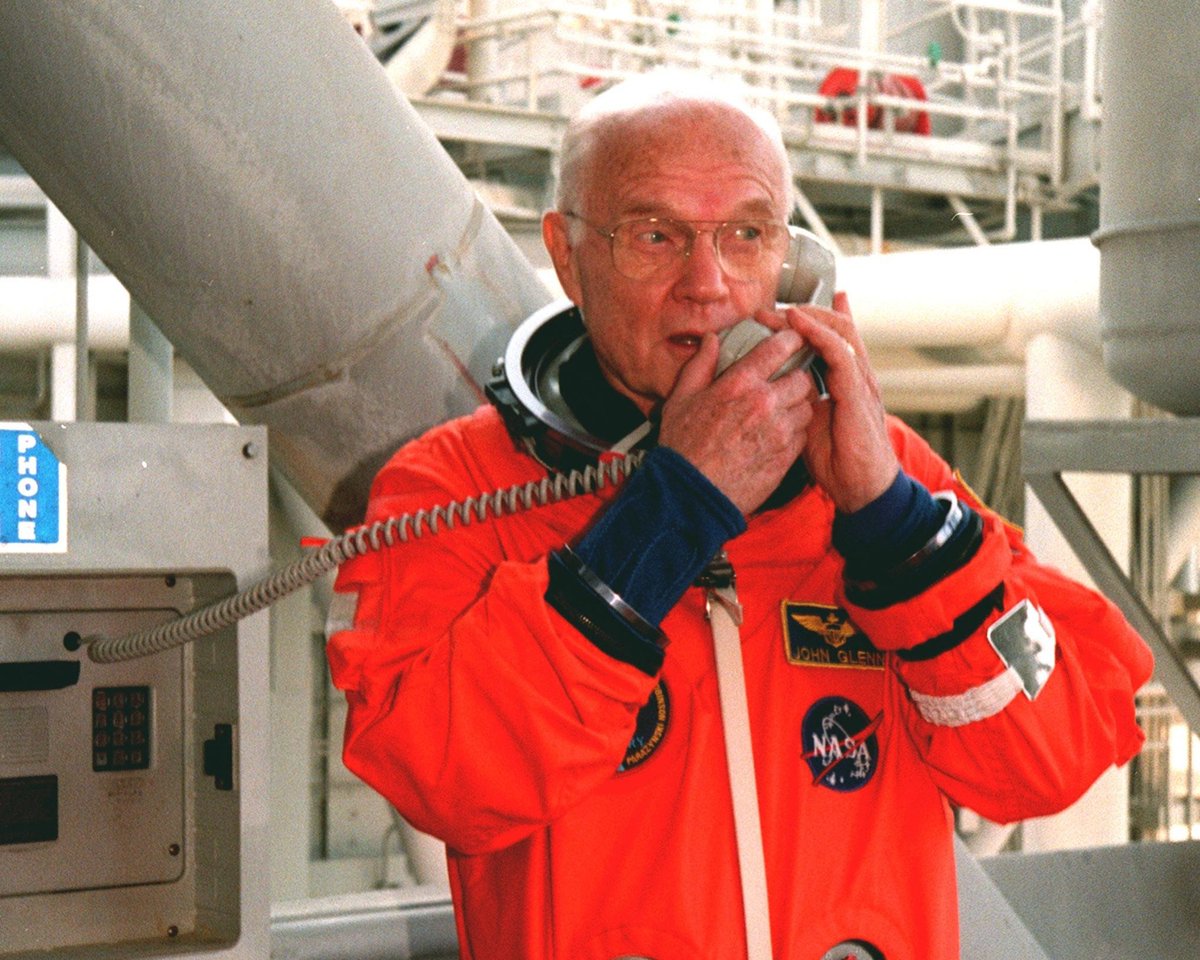
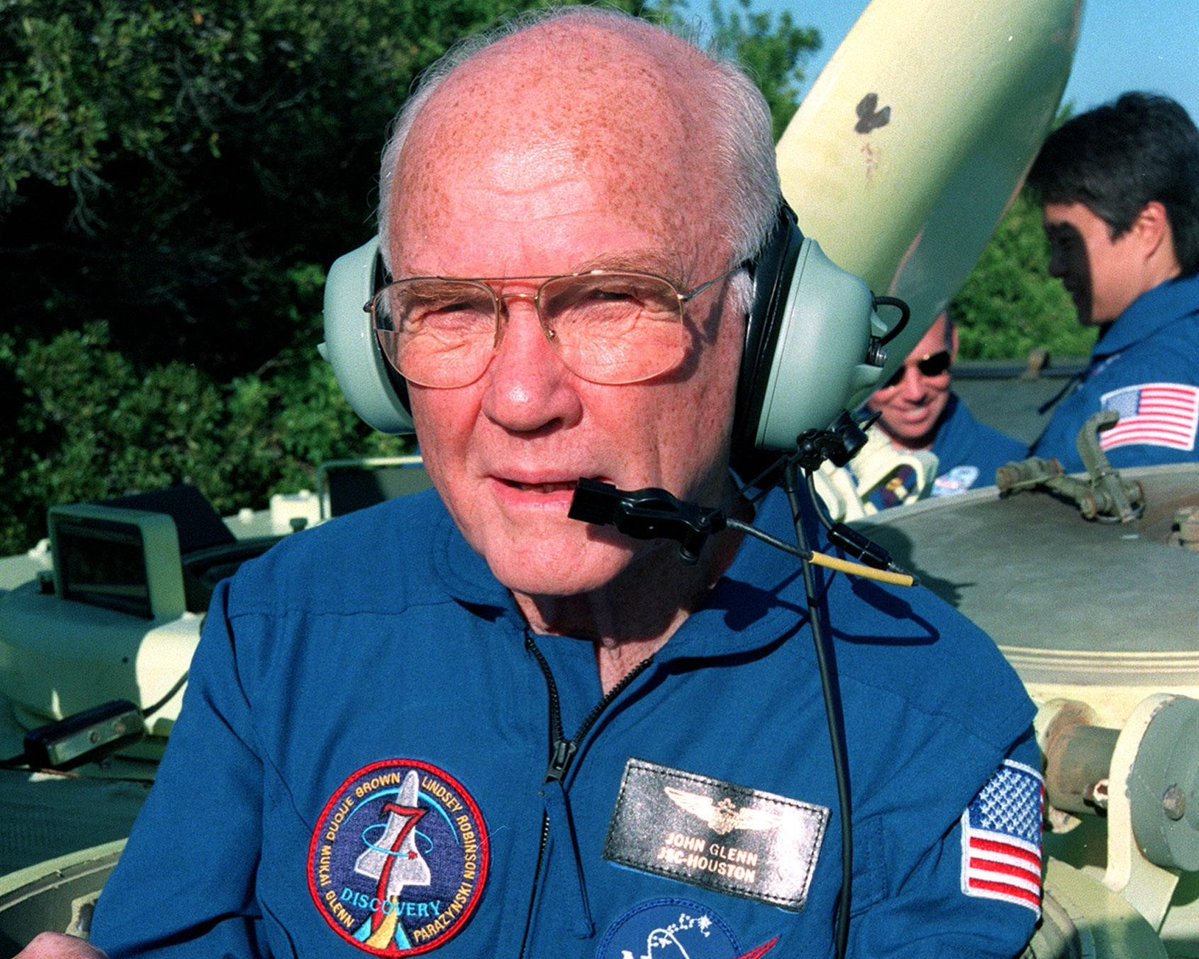
Did you know our center’s namesake, @NASA astronaut and U.S. Sen. John Glenn, was the first American to orbit Earth? 🌎
Born in Cambridge, Ohio, on July 18, 1921, he was one of the original Mercury Seven astronauts and later flew on the STS-95 Discovery space shuttle mission at the age of 77.
Today, on what would have been his 105th birthday, we remember his accomplishments, from Ohio to orbit. We are proud to carry his name and continue his legacy advancing space exploration and science for the benefit of all.
Spent the day inside the Life Sciences Glovebox with @astro_jessica, who is patiently teaching the new guy. She’s running IVGEN Mini, our IV fluid generation experiment, and the idea is simple to say and hard to do: turn the station’s drinking water into sterile, medical-grade IV fluid.
Why it matters: IV bags expire in about 16 months, and a Mars mission could run a few years. You also can’t launch the 100+ liters a sick crew member might need. So instead of packing saline, we pack a filter and salt. Station water gets purified to pharmaceutical grade, mixes with premeasured sodium chloride, and comes out the other side as normal saline.
As a physician, this one hits close to home. If we can make IV fluid 250 miles up, we can make it in a field hospital, a disaster zone, or anywhere the supply chain doesn’t reach.
✈️ Ever noticed another aircraft flying alongside NASA's X-59? That's the chase plane — and it's a critical part of flight testing. Learn how it helps test pilots and engineers safely gather data as the X-59 pushes the future of quiet supersonic flight. Read the latest blog: 👇
🔗 https://t.co/JvW41iw9bh
Before Artemis astronauts land on the Moon, NASA is conducting the Artemis III demonstration mission in low Earth orbit to practice operations between commercial human landing system test articles and Orion.
Learn more about these landers here >> https://t.co/j1WPaBQ70f
Join us live on July 16 at 2 p.m. ET to meet the team building NASA’s Dragonfly, learn how it will explore Titan’s rich prebiotic chemistry (the molecules and processes that can lead to life), and see how the mission is coming together.
Set a reminder: https://t.co/1WNVoH6tEP
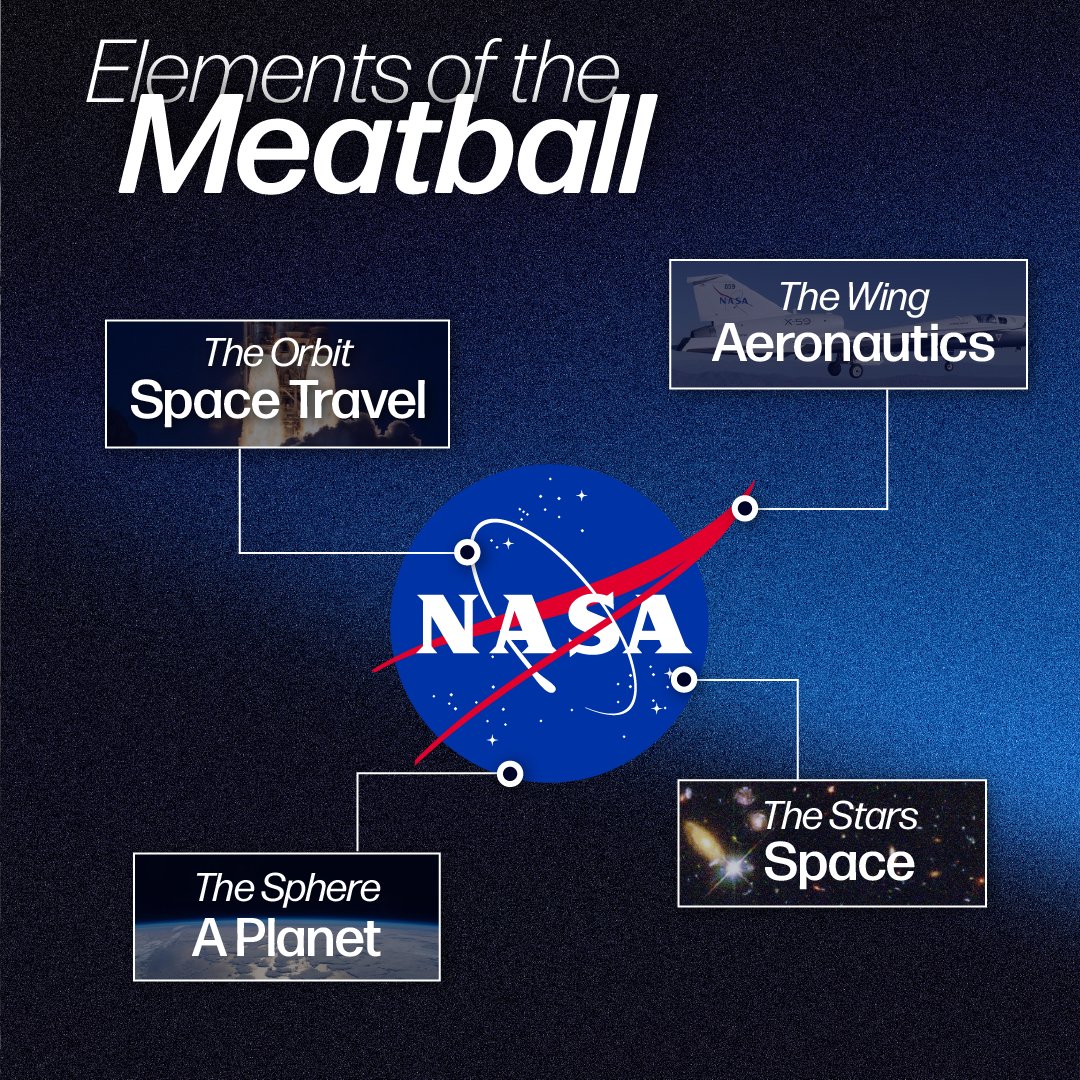
Happy 67th Birthday to the NASA meatball! 💙🎉
Designed by James Modarelli, this iconic insignia has been around since July 15, 1959, and continues to represent NASA centers all over the country.
Does this wooden model remind you of anything?
This arrow-wing concept for supersonic flight inspired the red V shape that appears in NASA's meatball logo, released 67 years ago today. Designer James Modarelli included it as a symbol of NASA's groundbreaking aeronautics program.
#OTD in 1959, @NASA’s logo became official... meaning today is its 67th birthday! ✨🎂
The iconic "meatball” insignia was designed right here in Cleveland at the lab that would become NASA Glenn. The symbol has launched on rockets, adorned aircraft, and even ventured hundreds of thousands of miles to the Moon and beyond aboard spacecraft.
Where have YOU spotted the meatball? 💬
The pieces for Artemis III are coming together at @NASAKennedy.
The twin solid rocket boosters? They’re getting stacked.
The launch team? They’re simulating the countdown.
The heat shield? It’s now attached to the Orion spacecraft.
Full steam ahead for Artemis III.
LIVE: NASA astronaut Anil Menon lifts off toward the International Space Station aboard the Soyuz MS‑29 spacecraft for his first-ever flight! https://t.co/60DyBA9iCl
That summer Friday feeling. 💙
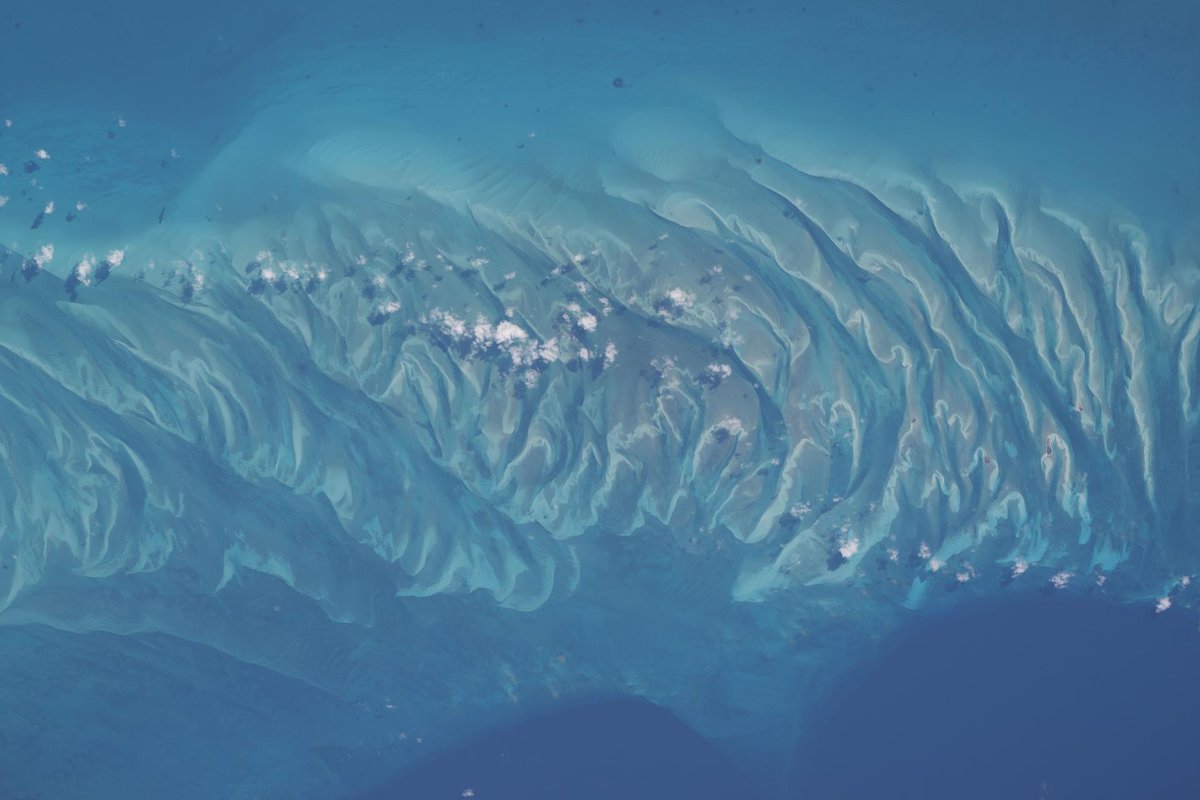
Sandbars and submerged dunes ripple across the seafloor off the coast of Eleuthera in the Bahamas, shaped by currents and waves in crystal‑clear water. NASA astronaut @Astro_ChrisW captured this view from the International @Space_Station while orbiting 263 miles above the Atlantic Ocean. Where is your summer Friday taking you?
🎮 Artemis III: Loading...
From hardware deliveries to key milestones, progress toward our next mission is moving full speed ahead with SLS hardware arriving at @NASAKennedy.
Stay in the game with recent updates as we prepare for Artemis III. https://t.co/aGAmweeaB2
Freedom ✅ Fair ✅ Fission-Powered Spacecraft ✅
Discover the future of deep space exploration! Come see @NASA at the Great American State Fair to learn more about our upcoming Space Reactor-1 Freedom mission — and to see what a nuclear-powered spacecraft could look like.
We’ll be here at the NASA pavilion through July 10: https://t.co/A1q3oEk26T
Have you added your name to the list to tag along with the @NASARoman Space Telescope? ➕🚀
Time is running out to send your name a million miles away! Register before the July 12 deadline. ⌛️
https://t.co/TON7NwwuYb
As America marks 250 years of progress, we're celebrating the freedom to explore 🇺🇸
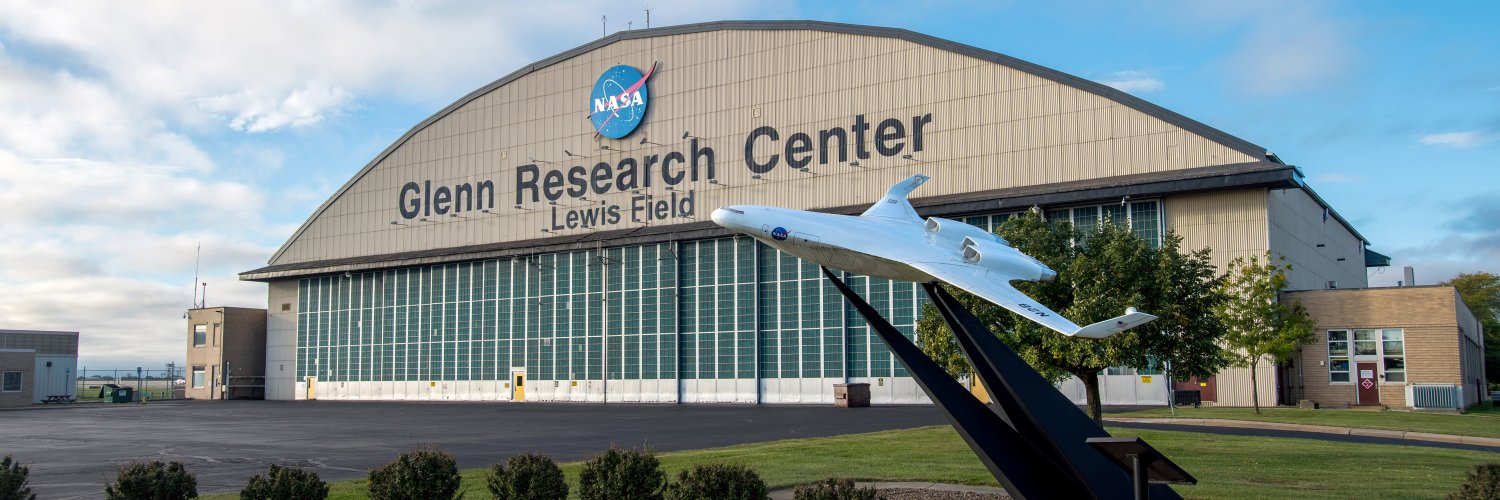
NASA Glenn designs, develops, and tests innovative technology to transform aviation, revolutionize space exploration, and inspire new discoveries for the benefit of all.
There will be more than just fireworks to see in the night sky this month!
You can look forward to these celestial sights in July:
- A lunar-planetary alignment
- A visiting comet
- A good look at Saturn and the Milky Way
Happy skywatching! https://t.co/6EP5GpvAQw
Our employees are soaring to new heights! ✈️
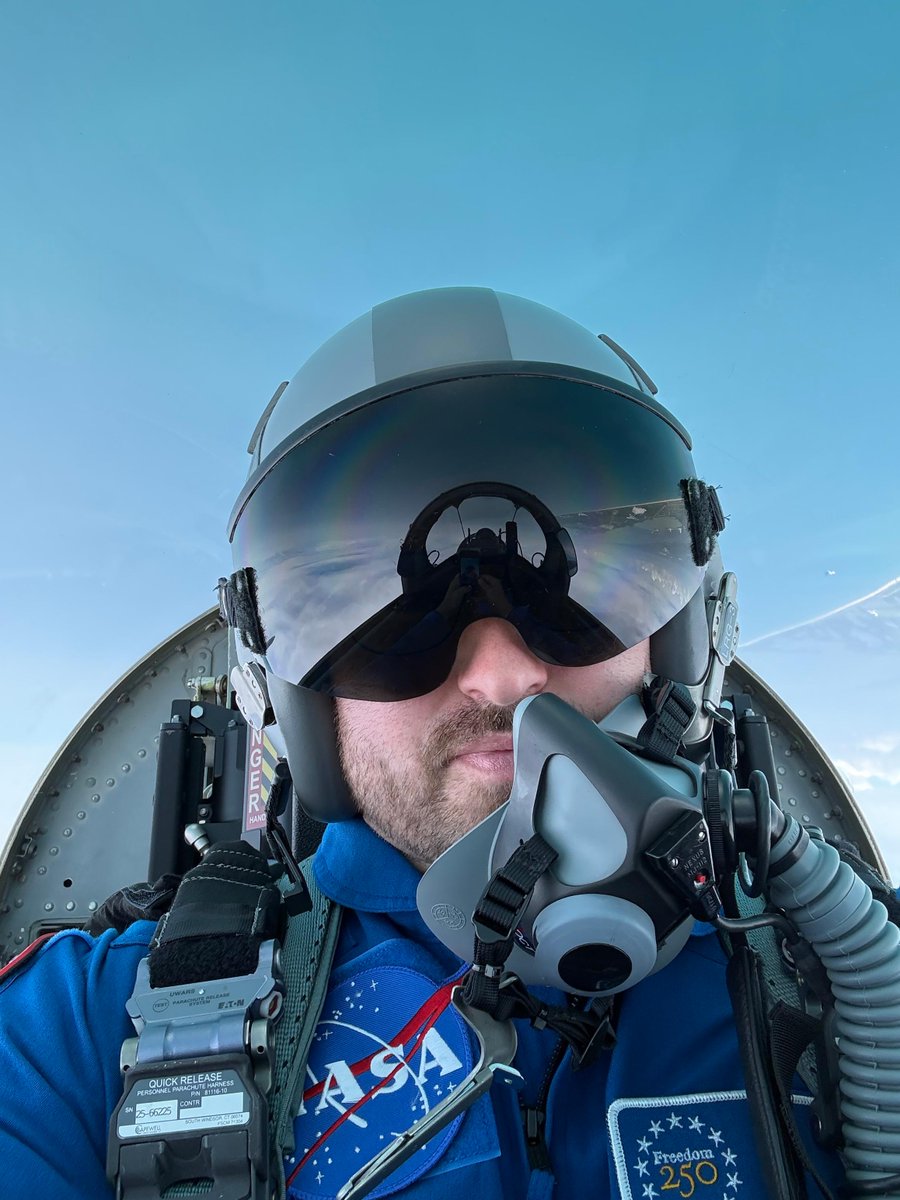
Glenn’s Logan Larson recently received the @NASA administrator's new Flight Experience Award, which recognizes some of the agency’s highest-performing employees.
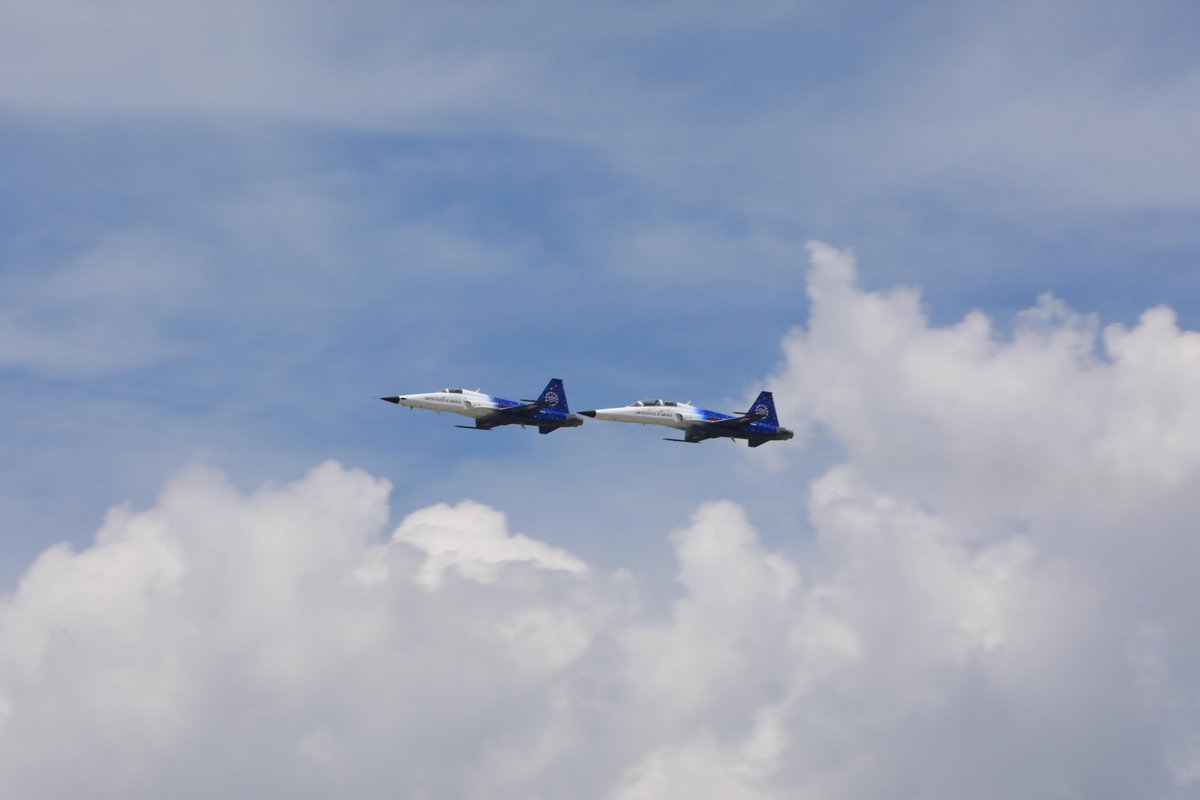
Through the program, Larson took to the skies last month aboard @NASAAdmin's privately owned Northrop F-5 Tiger II high-performance fighter jet. The incentive flight was funded personally by the administrator.
Larson has provided crucial support for the @NASAArtemis program's Orion spacecraft through numerous engineering, integration, and leadership roles. He currently serves as the deputy project manager for the Space Reactor-1 Freedom Nuclear Power Module.
Have you looked up what our @NASAHubble telescope saw on your birthday?
Our popular page has a new look — and now, you can use it to find five stellar sights that Hubble was observing on whatever day you choose. Check it out: https://t.co/zV0oN7h5vs