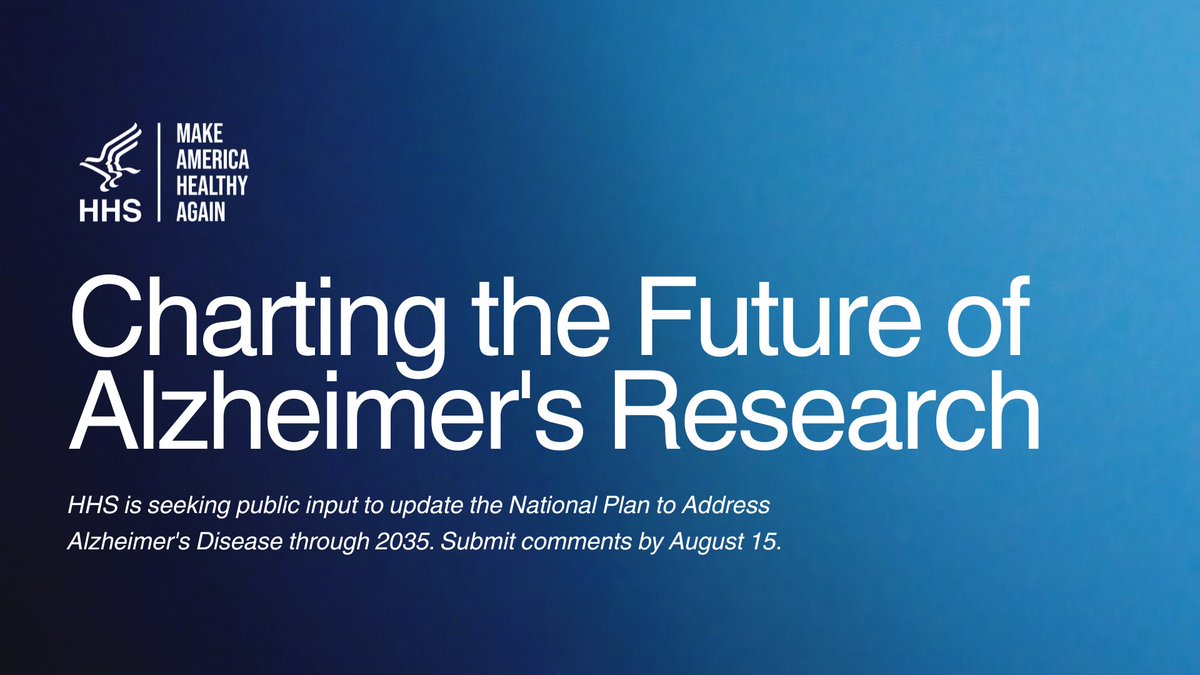
HHS is seeking public input to inform a comprehensive update to the National Plan to Address Alzheimer’s Disease. Share your perspectives on AD/ADRD research, prevention, early detection, diagnosis, care, services, supports, and coordination.
Comments are due August 15, 2026: https://t.co/7hzJpnUWIk
There’s still time to respond to the Request for Information (RFI) on Parkinson’s disease and related neurodegenerative conditions.
This one-time RFI seeks broad public input to help inform development of the National Plan to End Parkinson’s. Responses are due August 22, 2026.
How is this different from public comments? The RFI is a separate opportunity from the Advisory Council on Parkinson’s Research, Care, and Services (ACPRCS) public comment process. Public comments are an ongoing opportunity for individuals to submit written comments or sign up to provide verbal comments that are shared with the Advisory Council.
Learn more: https://t.co/NB6QcMOssR
As biomarker-driven diagnosis of prodromal Parkinson’s disease becomes reality, are patients ready to know their risk?
In a nationwide study of 1,385 participants, 88% of people with iRBD wanted future risk disclosure—even without disease-modifying treatments. Yet only 32% would join clinical trials.
Learning points:
• Most iRBD patients want prognostic information
• Desire for disclosure ≠ willingness to enter trials
• Attitudes differ across iRBD, PD and MSA
• Risk communication must be personalised, culturally sensitive and patient-centred https://t.co/otUtR2n4Ba
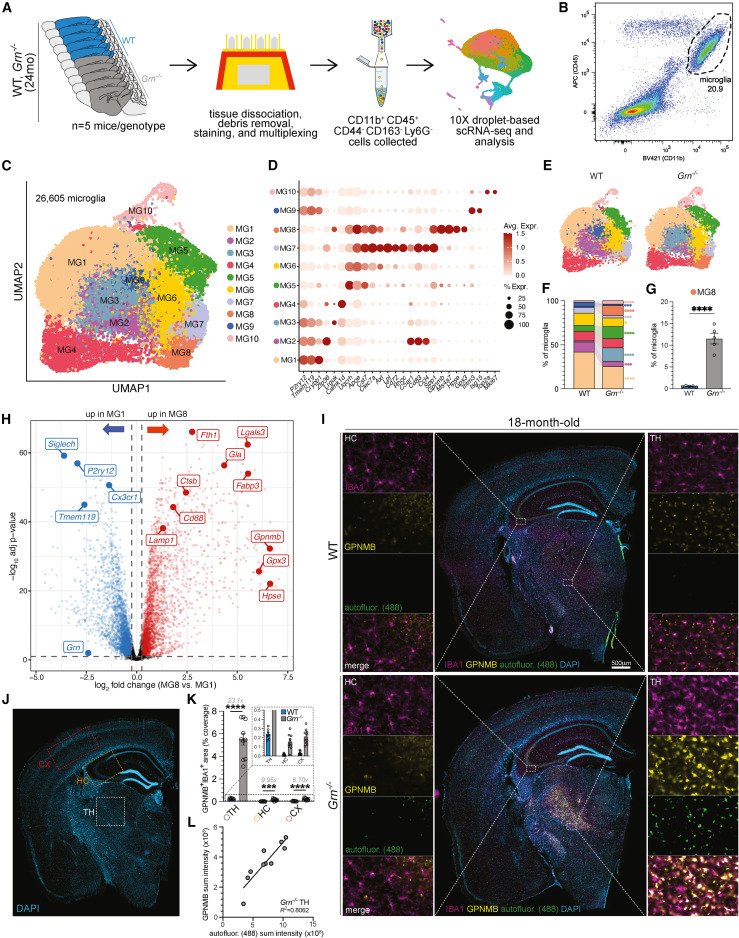
Lysosomal dysfunction is sufficient to drive epigenetic, transcriptional, and functional remodeling of microglia and macrophages, including in the context of progranulin deficiency @ImmunityCP
https://t.co/CDKR6fzmzc @LeonTejwani@Denalitx
Gaining therapeutic access to the human brain is one of the biggest unsolved problems in biomedical science.
Today @nature, we uncover a massive influx of immune cells into the human brain during aging, revealing that the brain is more accessible than previously thought. 1/
https://t.co/BuHdVk1V2I
If you’re planning to apply for an NIH fellowship (F), career development award (K), or training grant (T), staying informed about recent NIH efforts to centralize peer review can help you understand how your application may be assigned and reviewed.
Learn more: https://t.co/nKvtMs3o4s
The most common dementia is mixed dementia. How should they be treated? We developed an AI-foundation model to identify and quantify multiple pathologies leading to better diagnosis and treatment. @WashUMedADRC@WashUNeurology
https://t.co/Jzd5v0bsLx
https://t.co/cbxRqLY21f
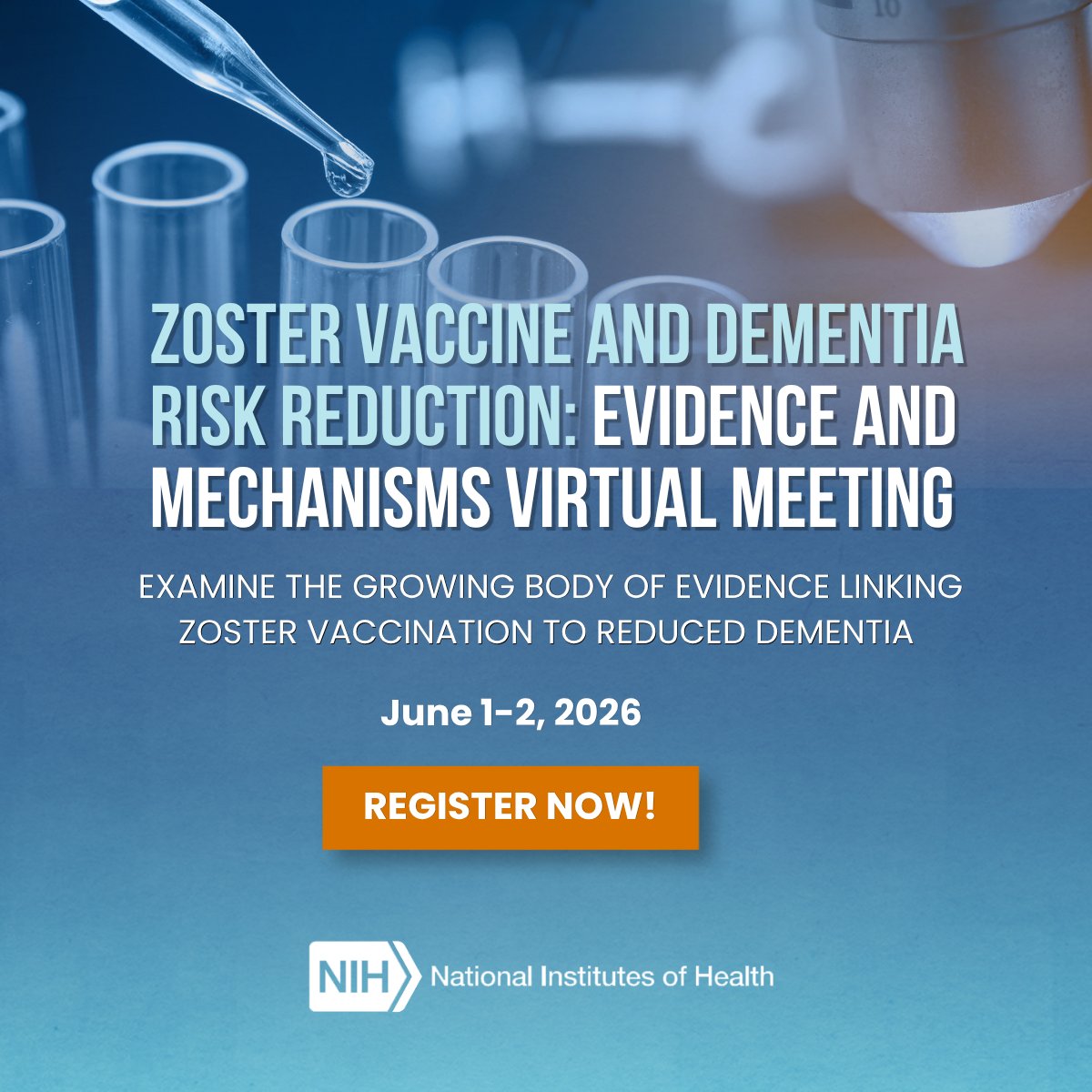
Register for the upcoming Zoster Vaccine and Dementia Risk Reduction: Evidence and Mechanisms virtual meeting from June 1-2, 2026. Sessions will cover epidemiological evidence, plausible biological mechanisms, opportunities to leverage existing datasets, and considerations for studying clinical efficacy.
➡️ Register: https://t.co/6SHZ5Jvvrn
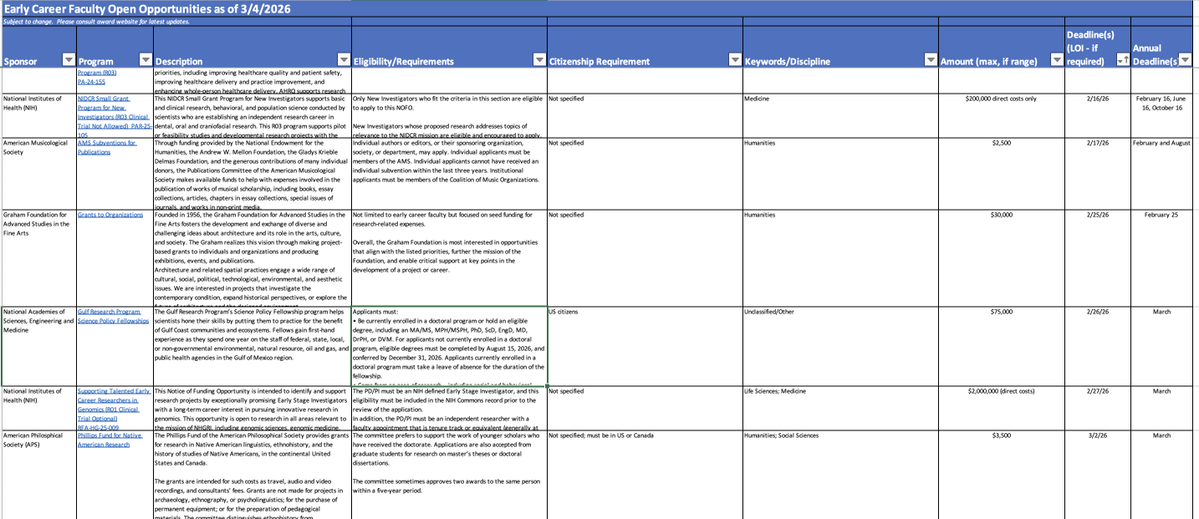
Here is our updated database of grants for early careers researchers in all fields.
It goes way beyond traditional NIH and NSF funding opportunities. We list 428 types of grants.
Download it here: https://t.co/RGXGrdp2uf
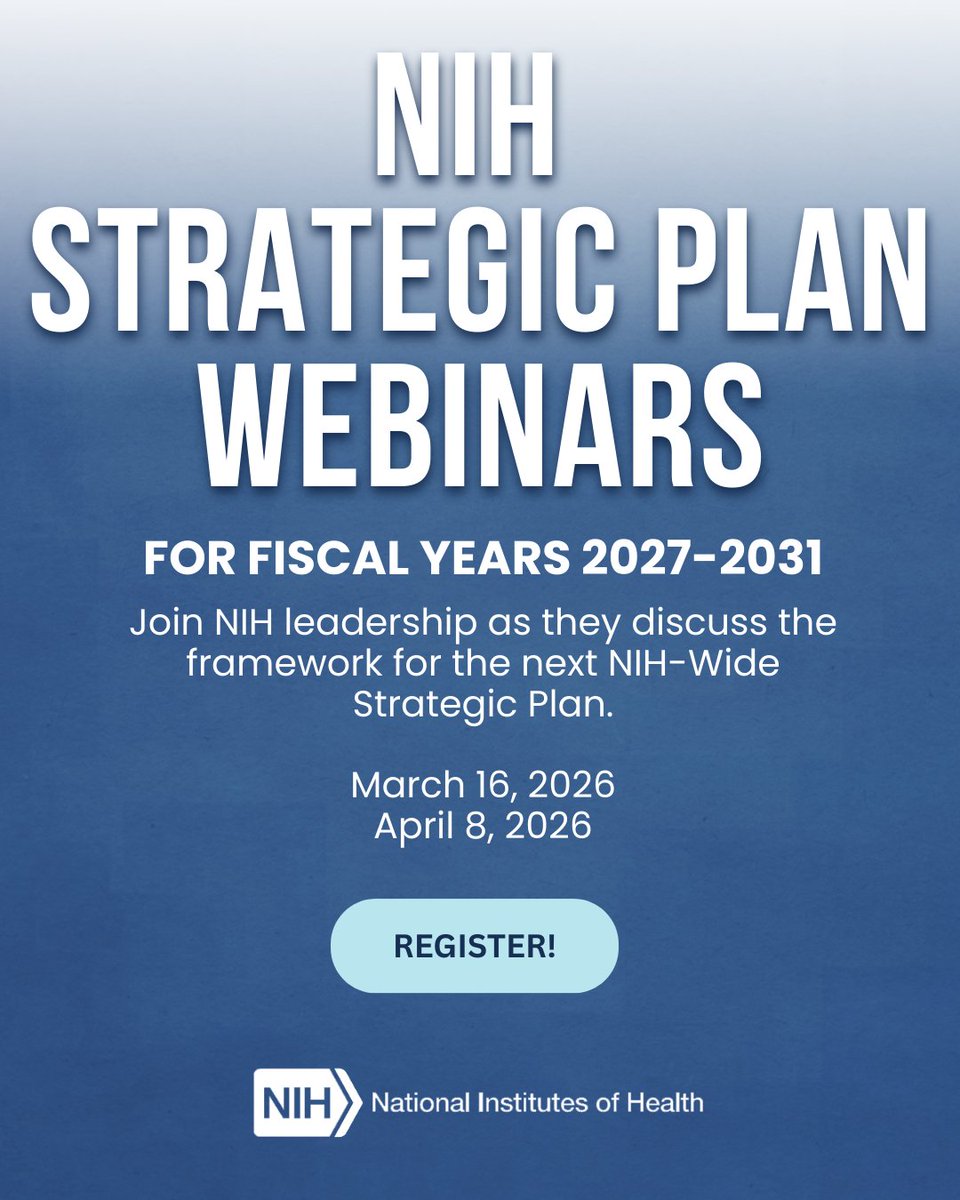
NIH is hosting two public webinars to share the framework for the new NIH-Wide Strategic Plan and provide an overview of how the Plan is being developed. NIH leadership will be present to walk attendees through key elements and address their questions.
Register for March 16 webinar: https://t.co/1RI5jnXUhh
Register for April 8 webinar: https://t.co/9DFyJ0ZQez
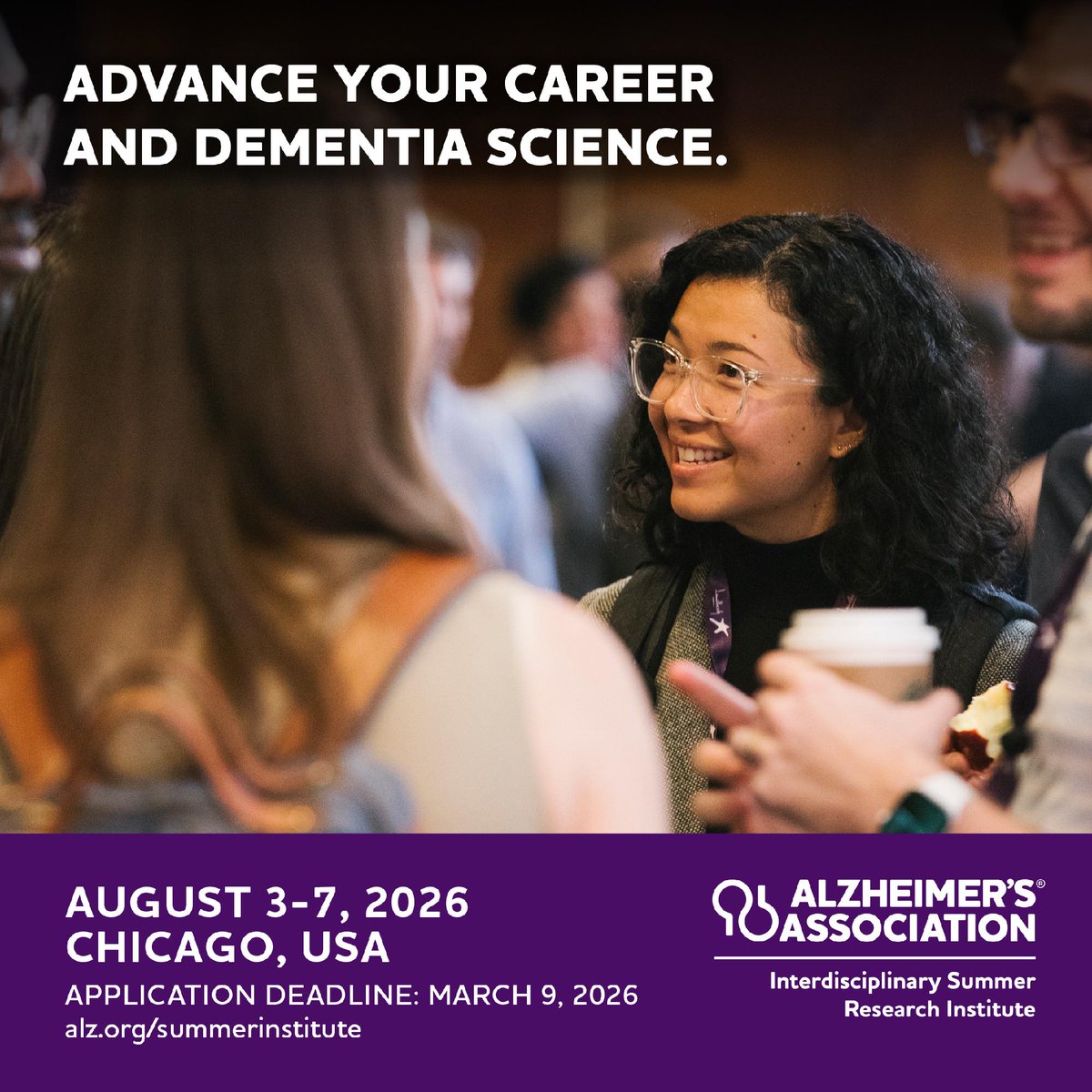
Applications for the Alzheimer’s Association Interdisciplinary Summer Research Institute are due Monday, March 9.
This is a no-cost opportunity for early career researchers interested in care interventions and population health to further their knowledge of dementia science and accelerate breakthroughs in the field.
🔗 Learn more and apply at https://t.co/QaoiqHml0m.
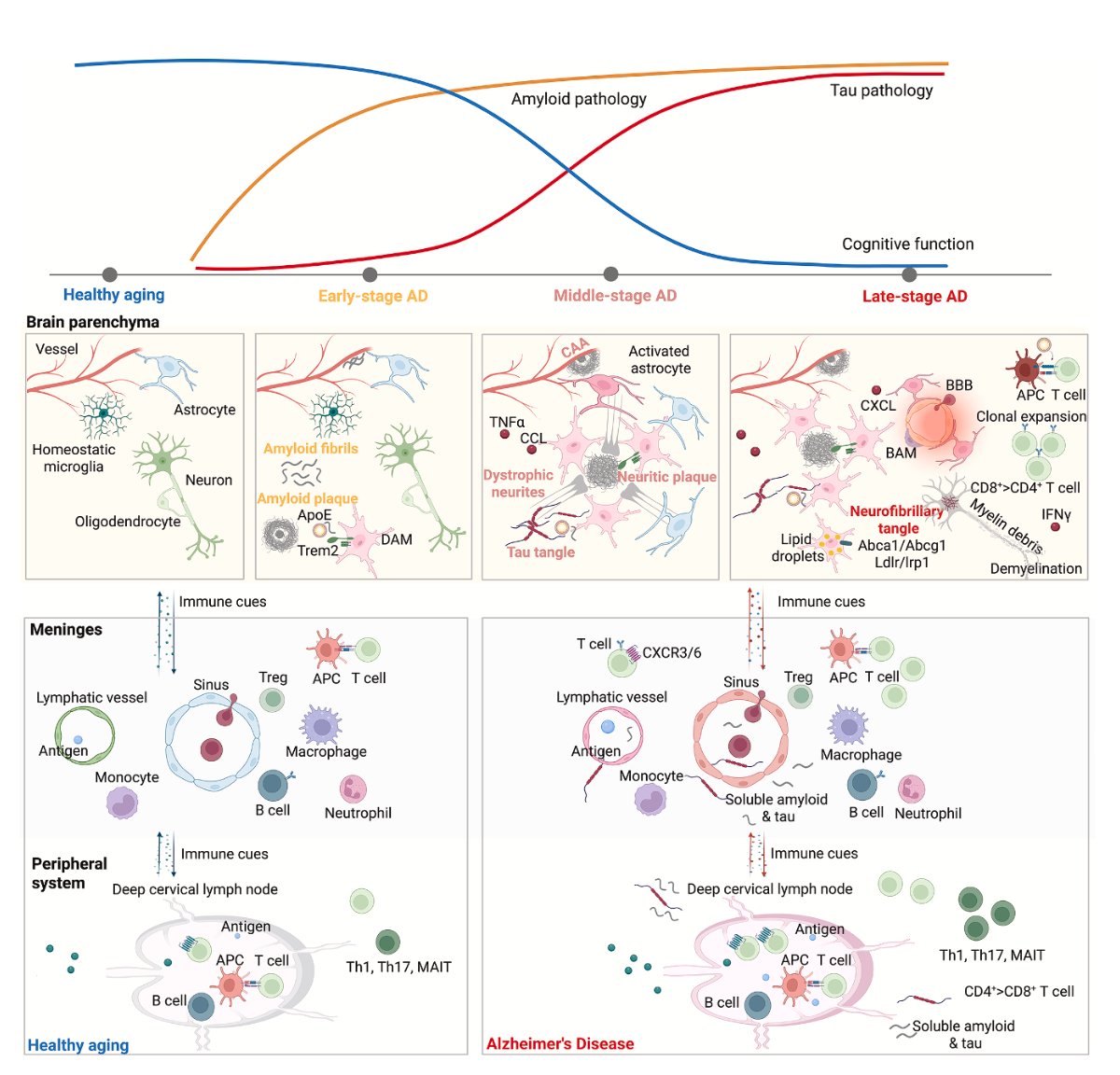
What accounts for the progression from healthy aging to Alzheimer's disease over an extended period of time?
The critical role of the immune system, particularly T cells and microglia.
A new, excellent review @ImmunityCP https://t.co/XqEBcptTuG
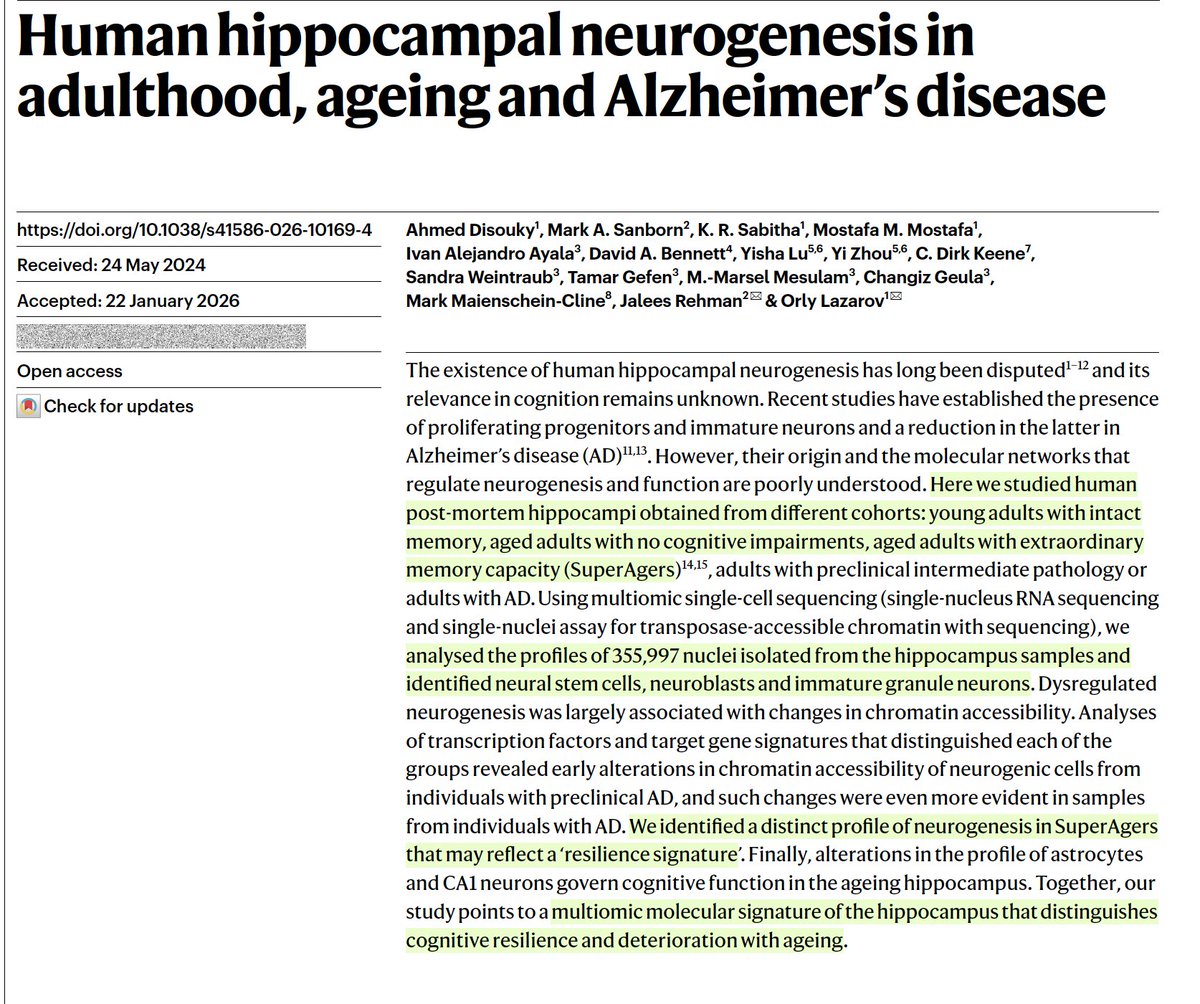
New @Nature
The brains of Super Agers produce more neurons than people some 40 years younger, a neurogenesis resilient signature linked to exceptional cognitive health and memory skills
https://t.co/tNB0dTea2F
What do you mean by “Alzheimer’s disease “? This paper outline five distinct meaning of AD, and explains why it matters for research, regulation, policy and patient care. #Alzheimers#dementiaresearch#Neuroscience#healthpolicy https://t.co/Z48jaKIcKo
Submit your ideas to the NIH Replication Prize to help NIH determine areas of greatest need for #replication studies and advance strategies to increase #rigor and #replicability of biomedical research. Learn more: https://t.co/srLTX9T65q
Neurology trainees: A new study resource is here!
The Resident & Fellow Section Video Collection offers free, searchable teaching videos—filter by topic or subspecialty for focused, relevant learning. Start exploring now: https://t.co/21zM2go0ZI
#NeurologyRF#NeuroX
Updated Application Policies: NIH Administrative Burden Reduction Effort Removal of Requirements for Letters of Intent and Unsolicited Applications Requesting $500,000 or More in Direct Costs https://t.co/O588ezqHQi