Howdy folks, my name is Nik and I am the managing editor of @WeAreSpaceScout. I also published the Turtledove Award Winning timeline Proxima: A Human Exploration of Mars, and am currently pursuing a career in space policy.
Read more below on my Medium, and on Space Scout!
We’re preparing our Pegasus rocket and Stargazer L-1011 aircraft for a unique mission to help @KatalystSpace extend the life of the Neil Gehrels Swift Observatory, combining air-launch flexibility with proven rocket propulsion to support @NasaScience_ in orbit.
Remarks today about Moonbase revealed an interesting facet of surface ops planning: terrain markers. While this seems easy in practice, the enforcement of territory lines on the Moon is truly an untried endeavor.
Pan orbits Saturn once every 13.8 hours inside the 325 km wide Encke Gap near the outer edge of the A ring. This movie is made from 112 images captured with Cassini's narrow-angle camera on May 23, 2007 over the course of about 6 hours, showing Pan traveling in orbit.
The Return of Falcon Heavy.
27 Merlin Engines. 5.13 Million lbs of thrust.
I've been dreaming of this shot since the start, and finally it has materialized. I could not be more proud.
@SpaceX@elonmusk That is one pretty rocket.
📽️me for @WeAreSpaceScout
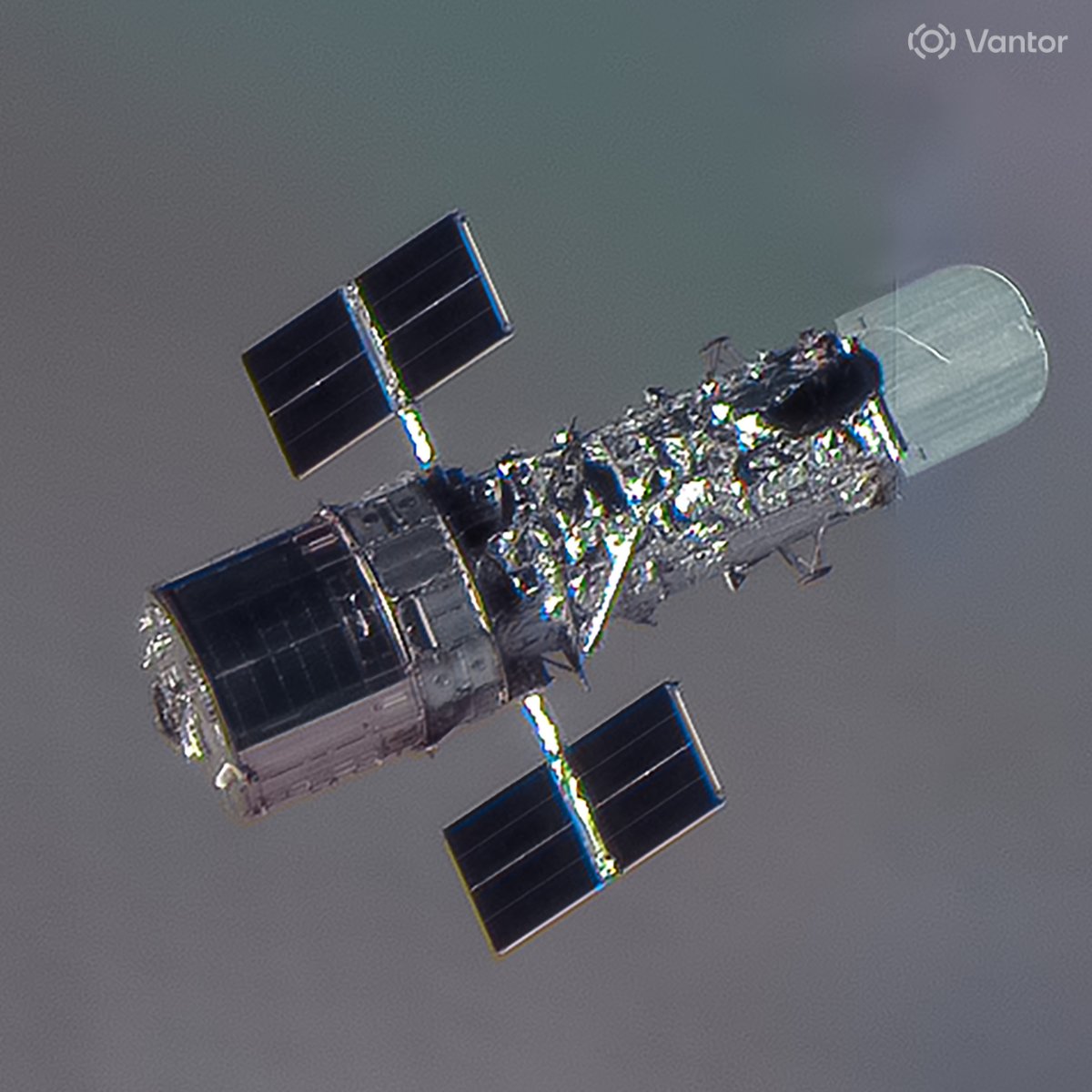
Celebrating 36 years of discovery with the Hubble Space Telescope 🔭
Collected on April 23, 2026, by one of Vantor's WorldView Legion satellites, this remarkable non-Earth image showcases Hubble from just 61.8 km away—an incredible perspective of one of humanity’s most iconic scientific instruments. With a space sample distance of 4.0 cm, Hubble’s signature cylindrical body, gleaming thermal shielding, and extended solar arrays are clearly visible, along with the open aperture door at the front of the telescope.
For over three decades, Hubble has expanded our understanding of the universe—delivering breathtaking imagery and groundbreaking science that continue to inspire.
Proud to support the technologies and teams that make moments like this possible.
This is an image of Comet C/2025 R3 (PanSTARRS) that I took from the Cupola on the @Space_Station. I was originally taking some photos looking for meteors from the Lyrid and saw the tail of the comet! It was almost blocked in my view by the base of the Canadarm2 robotic arm, but I was just able to get a photo of it.
This comet was discovered in late 2025 by the Pan-STARRS project, which uses two telescopes in Hawaii with large fields of view to take large images of the sky every night and then compares them to find any objects that might be new or moving. This comet made its closest approach to the sun on April 19th.
Z9/200mm
Washington is converging on a central premise in space policy: the U.S. must spend more, move faster and coordinate better to stay ahead of China. What remains unsettled is whether the system in place can deliver on that ambition. Link in thread.
Today is the 11th anniversary of our 7000-series trains! 🎉 It debuted on the Blue Line on April 14, 2015 featuring a stainless-steel exterior, improved floors, and enhanced security features. What’s your favorite train series?
Anyone else feeling the duality of exhaustion and relief that Artemis 2 is over, and also sadness in the absence of such an incredible mission to continue captivating the world?
I hope @NASAAdmin’s plan to launch SLS every 10 months is realized. I need another moon mission ASAP
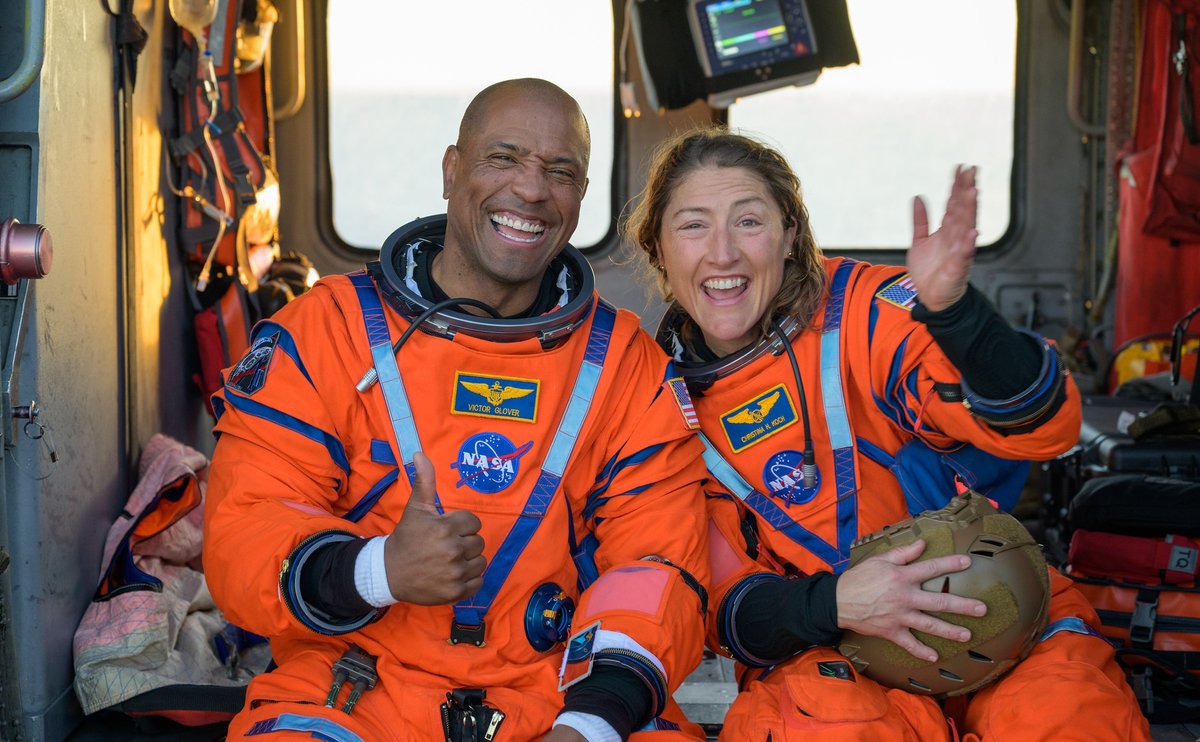
The Artemis II astronauts were all smiles on the flight deck of USS John P. Murtha after they were extracted from their Orion spacecraft after splashdown.
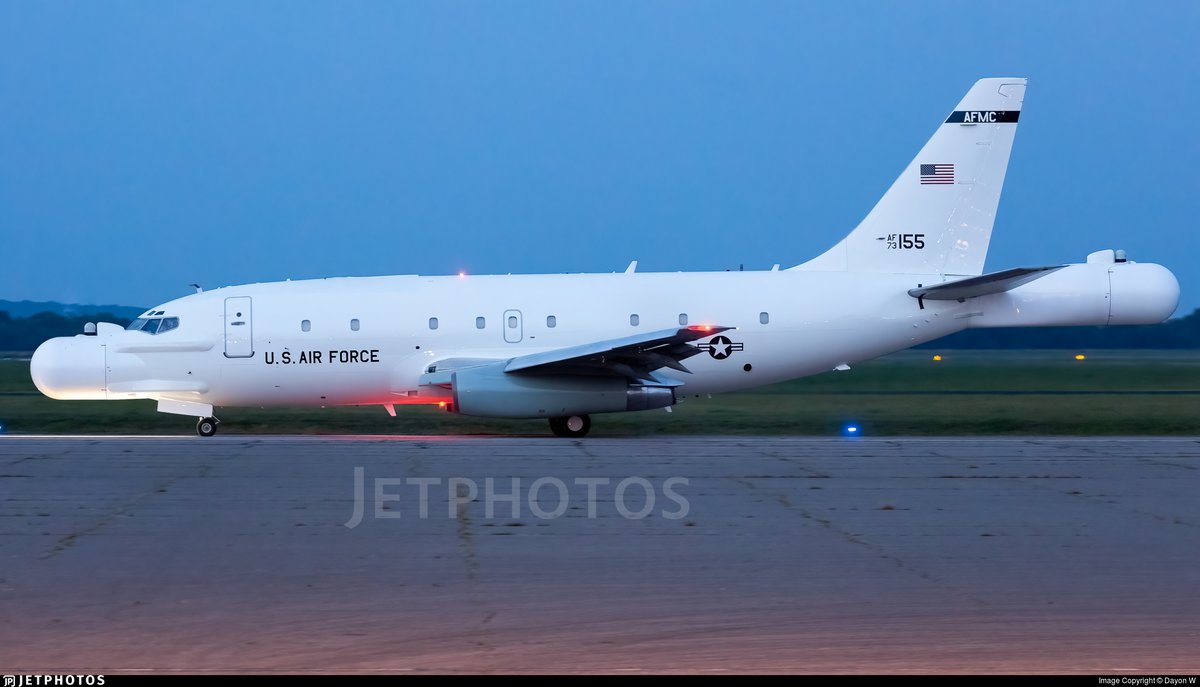
Airborne assets for Artemis II’s return to Earth are getting into position. The unique NT-43A and the WB-57 are both present—as they were for launch.
NT-43A: https://t.co/atSY9JydfZ
WB-57: https://t.co/TM0zRPgzOa
Artemis II astronauts have traveled 252,756 miles from Earth, flown around the Moon, and observed the lunar surface like never before. Now, they’re coming home. 🌎
Watch the crew splash down on Friday, April 10, around 8:07pm ET (0007 UTC April 11). https://t.co/Ccsk5Z3HFS