Check out our latest paper! In this study, we explored the evolutionary landscape of neuroblastoma, one of the deadliest childhood cancers, and its complex response to chemotherapy.
Spatiotemporal genomic profiling of #neuroblastoma before and after chemotherapy reveals evolutionary processes driving treatment resistance
#CancerResearch#CancerEvolution @NatResCancer https://t.co/N30dAHPwdg
Spatiotemporal genomic profiling of #neuroblastoma before and after chemotherapy reveals evolutionary processes driving treatment resistance
#CancerResearch#CancerEvolution @NatResCancer https://t.co/N30dAHPwdg
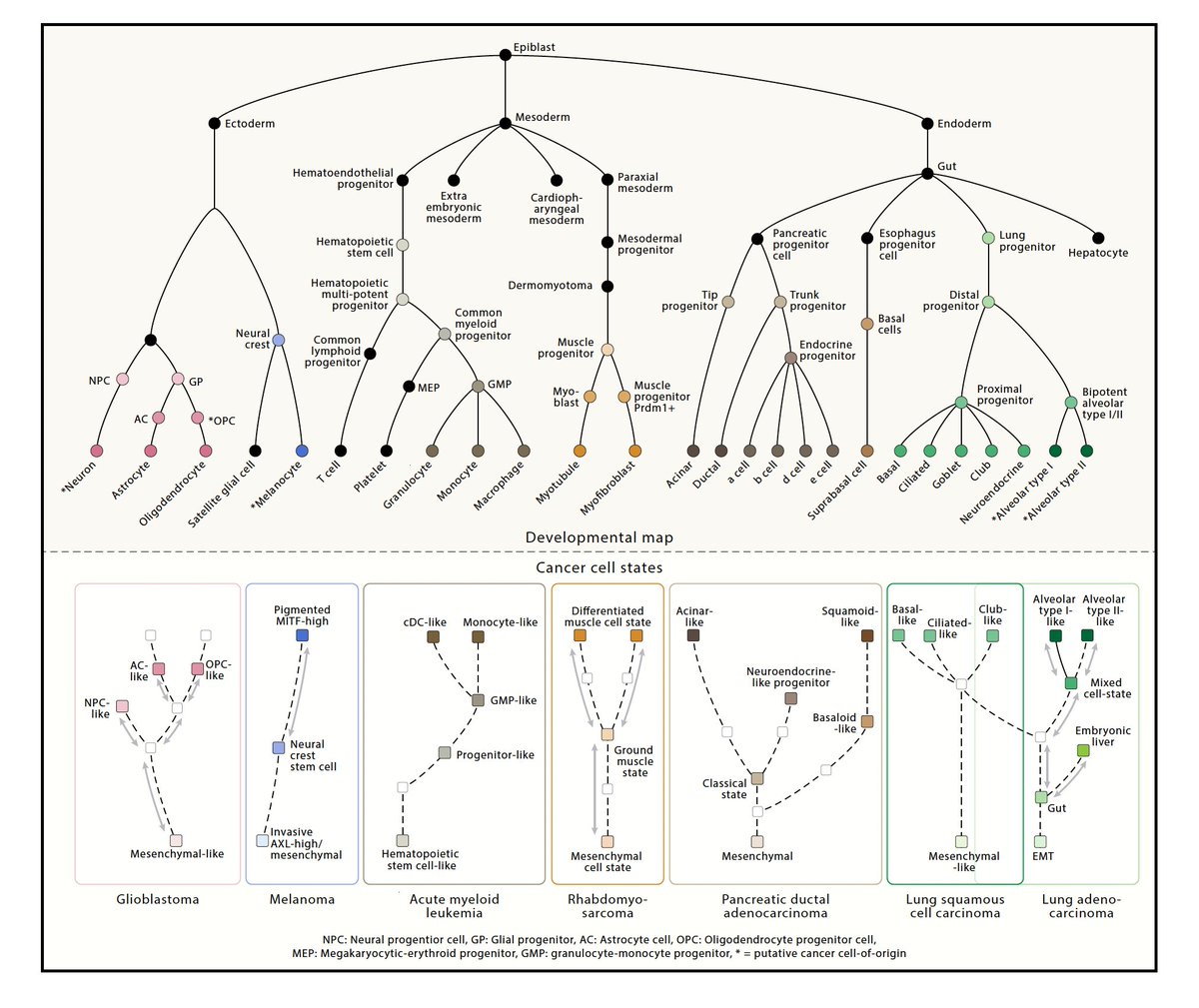
🔥Just published! What are the principles of plasticity in cancer cells? Studying 7 cancer types we propose that developmental constraints restrict transitions to progenitor & differentiated-like states of adjacent lineages.
https://t.co/dcVwaa81B3
@CellCellPress@AyushiPatel3994
@ara_anderson@Lundsuni Thank you so much for taking time to be the opponent for the defence and for the super interesting discussion! Really enjoyed your questions. ☺️🌳
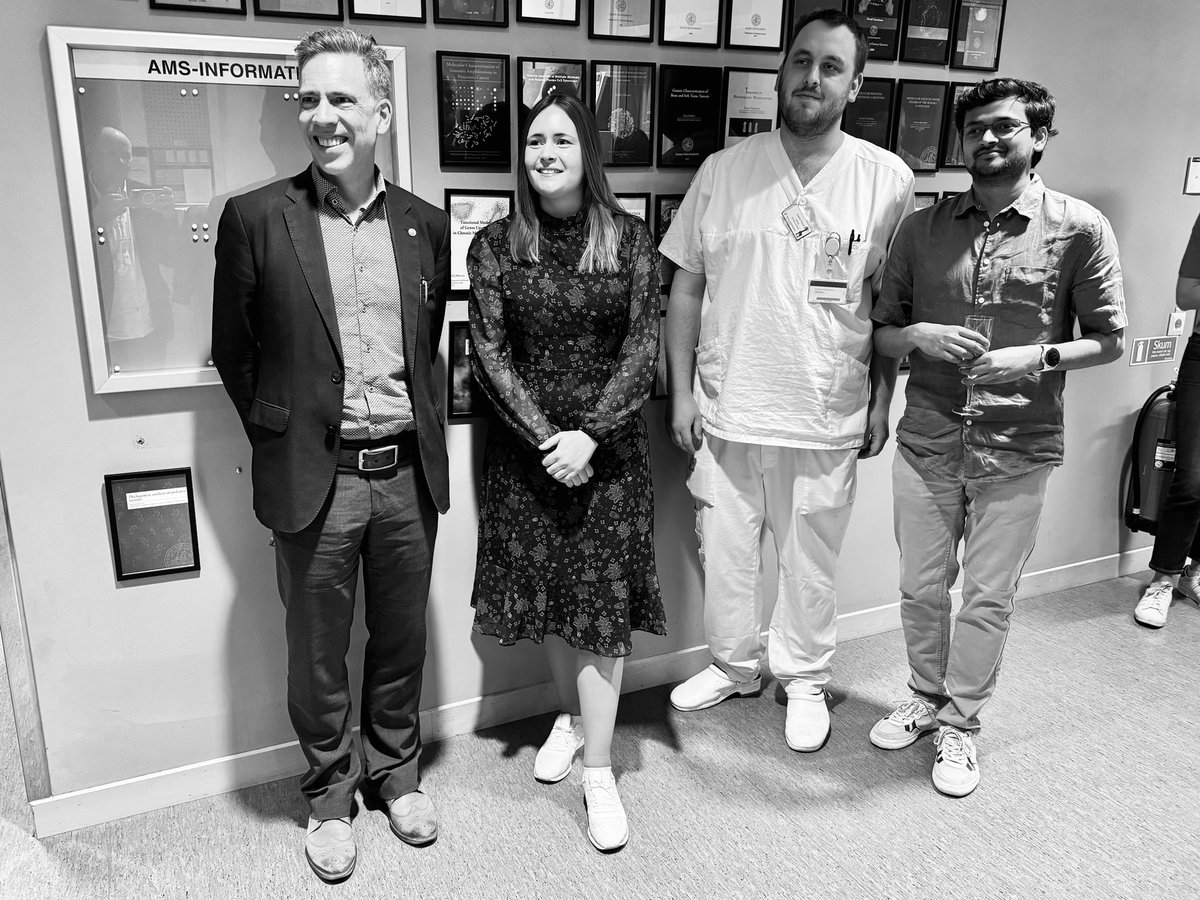
Huge congratulations to @NKAndersson on her successful PhD defence today @Lundsuni. Natalie did a fantastic job answering all of my questions on her thesis and more: Phylogenetic analysis of pediatric tumors. A photo after the defence with her 3 advisors.
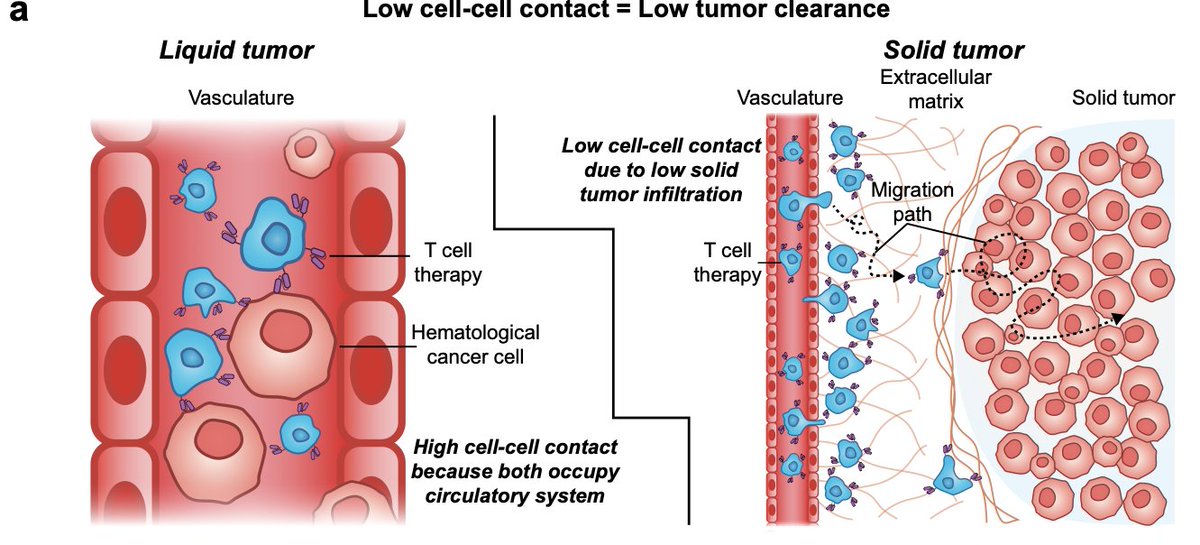
CART therapy has seen little success in patients with solid tumors thanks to poor infiltration.
Here, we engineered self-propelled CART cells that readily penetrate solid tumors by expressing synthetic velocity receptors (VELOCIREPTORS!)
V2 posted here: https://t.co/JOpjGLDJxq
Very excited to see our study on a case of ALL to AML switch after CAR-T treatment out in @NatureCancer! Using deep genome sequencing, we show the cancer switched cell types to escape therapy.
@broadinstitute@sangerinstitute@getz_lab
Thread below 🧵
https://t.co/LGUtJmZ7O2
#ScienceSaturday How can we target #neuroblastoma, the most common extracranial solid tumor in children, with CAR-T cells? @ElisaBergaggio, @robertochiarle, et al have recently utilized CAR-T against the ALK receptor in preclinical models of neuroblastoma. Importantly, ALK inhibitors enhanced the activity of the ALK-specific CAR-T, partially by increasing the surface expression of the ALK target. This is a promising strategy against neuroblastoma, which accounts for 12-15% of #cancer deaths in children.
Here’s a link to the full article- https://t.co/nyR6EOCyT9
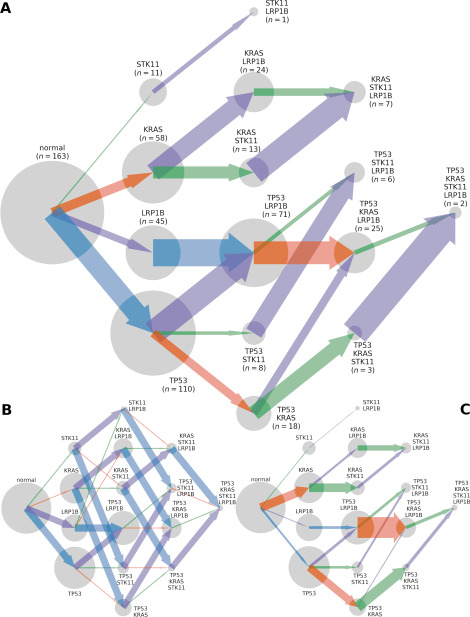
Want to know about epistatic interactions among somatic mutations in cancer?
How about the somatic genetic evolutionary trajectories underlying its evolution?
In Mathematical Biosciences, we show how to compute them from human tumor sequences.
https://t.co/VAKf2HQAJN
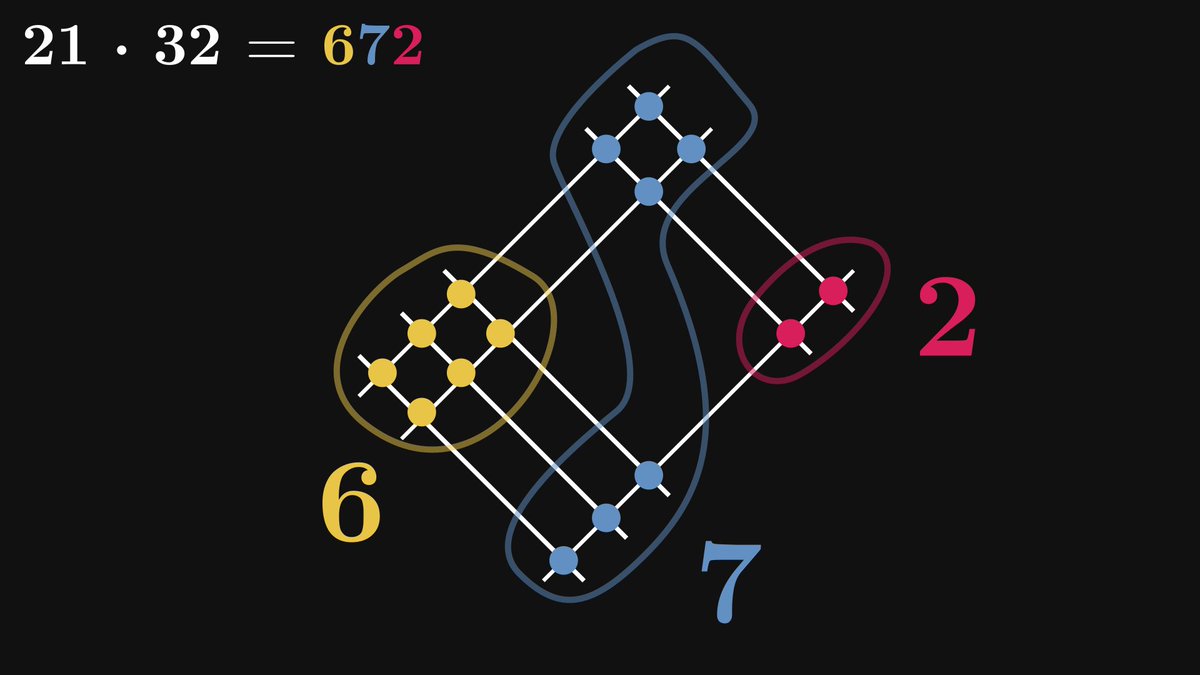
The Japanese multiplication method makes everybody feel "I wish they taught math like this in school."
It's not just a cute visual tool: it illuminates how and why long multiplication works.
Here is the full story.
Check out our most recent paper where we use phylogenetic methods to elucidate the evolutionary history of pediatric Wilms tumors by analyzing 189 samples from 20 patients. We further mapped the cancer cell evolution over anatomic space within each tumor.
https://t.co/rEUXbqUAE6
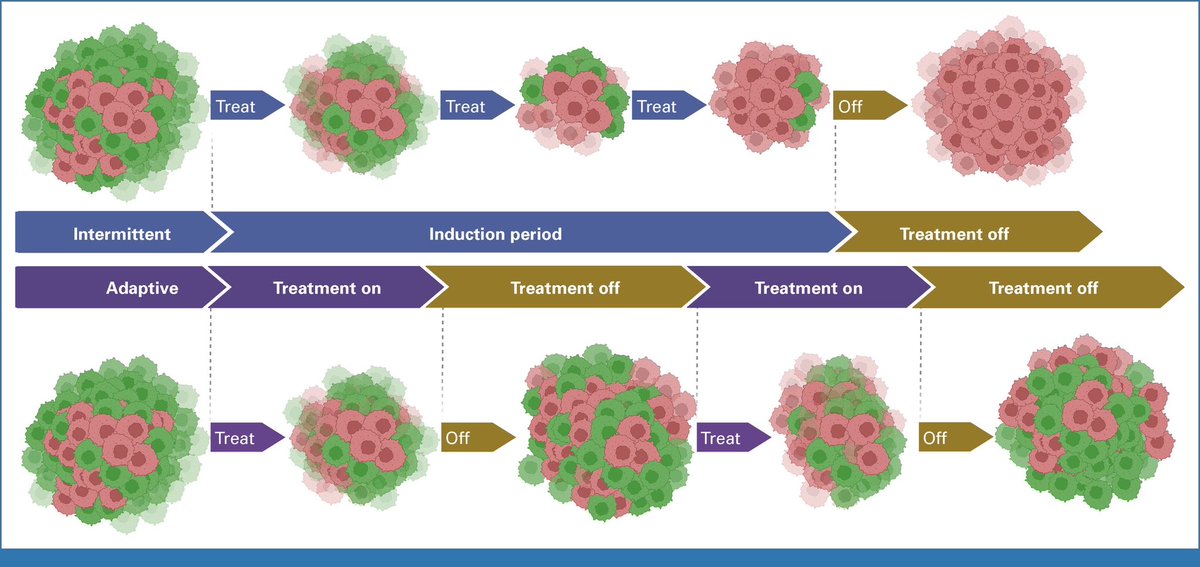
Excited to shared our recent piece in @JCO_ASCO on Evolutionary Dynamics and 'Intermittent Therapy' for Metastatic Cancers https://t.co/FGAvy3mEKq with @JadChahoud@Sciurusniger and Bob #Gatenby where we discuss the impact of the induction period @MoffittNews@EvolTherapy
Check out our new study in @ScienceMagazine, where we take on a 100-year-old debate: what’s the role of aneuploidy in cancer?
We discovered that genetically removing extra chromosomes blocks cancer growth - a phenomenon we call “aneuploidy addiction”. https://t.co/K5ny7Ureph