Some of you have asked me many times to suggest books to read. I never recommended any seriously.
But given the "war" India is going to face for the next few years, I would recommend reading at least one of the following:
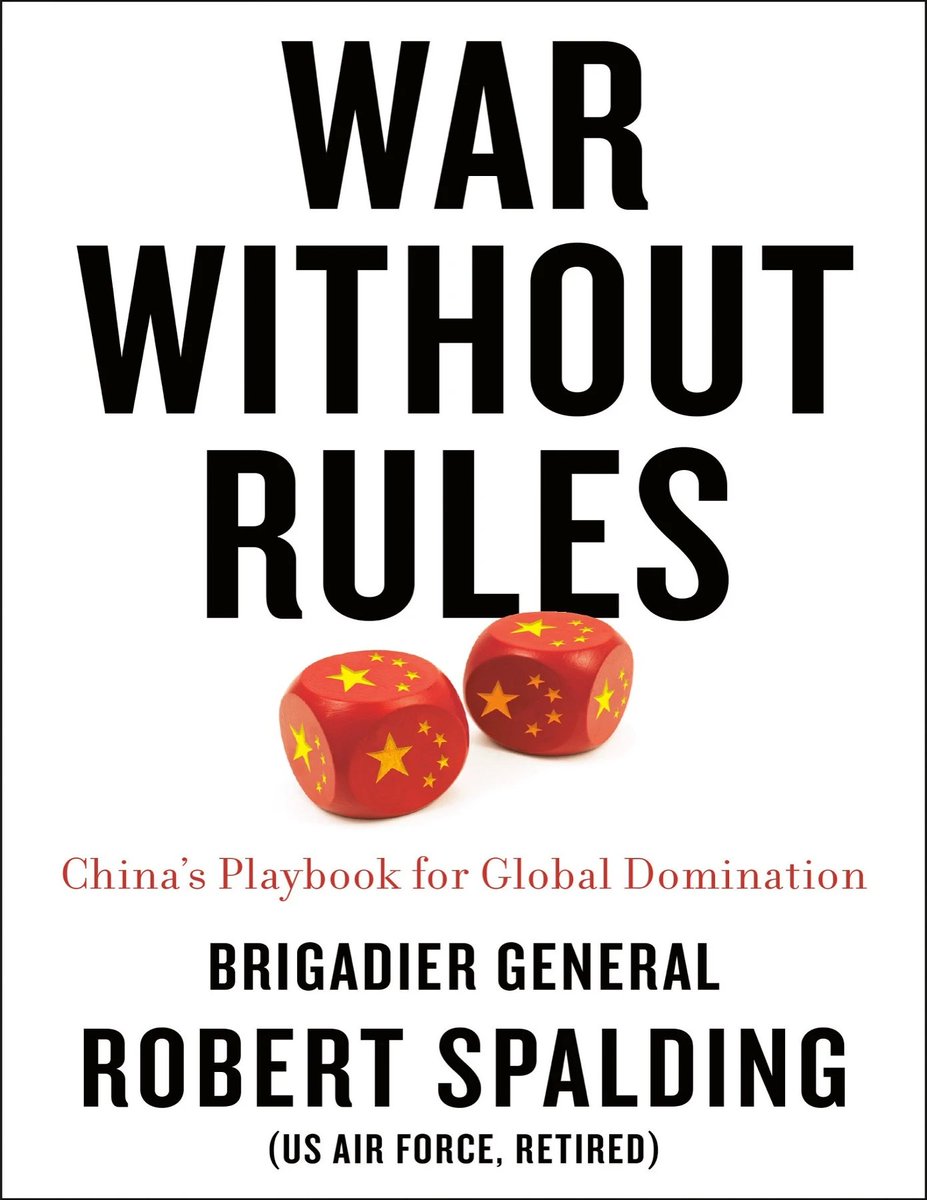
(1) War Without Rules (Robert Spalding, 2022) - Easiest and Shortest.
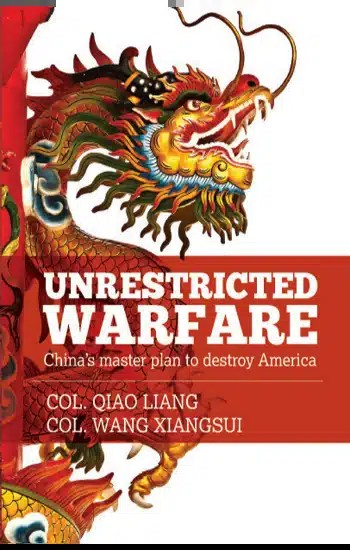
(2) Unrestricted Warfare (The Original, 1999) - Good overview by China's own defense guys.
(3) The Long Game (Rush Doshi, 2021) - Technical and for those really interested in Geopolitics.
All three books detail China's unrestricted warfare methods. They all explain it by illustrating China's war on America mostly.
But you can always imagine America as India and read the books. The methods are the same. And they are being actively applied now.
If you are interested, here's an overview of some methods:
Political warfare - Influence and infiltrate politics of democracies like India to weaken the country from inside.
Psychological warfare: Spreading rumors, disinformation, and amplifying issues to erode the will, cohesion, and morale of the Indian government, military, and importantly general public.
Drug warfare: Facilitating or profiting from the spread of illicit drugs into India to destabilize society, strain security resources, and weaken the social fabric.
Cultural warfare: Promoting or amplifying cultural trends and narratives aimed at influencing Indian viewpoints in alignment with the adversary's interests. Appropriating culture while eroding the nation of its own heritage.
Media warfare, Law warfare, Network warfare, Technological warfare, Fabrication warfare, Resources warfare... there are many more methods.
Buy and read at least one of these books, you will know. Book (2) is legally available free on the internet to download.
Look at the wall in the attached photo. Among these Tamil inscriptions is the budget for a hospital that existed in Chola India nearly a 1,000 years ago.
We know how many patients it could take. We know the doctor's name. We even know what was set aside for lighting the hospital at night.
This is the Venkatesa Perumal temple at Tirumukkudal, near Kanchipuram. In the 11th century, the temple shared its premises with a Vedic college, a hostel and a hospital called Virasolan.
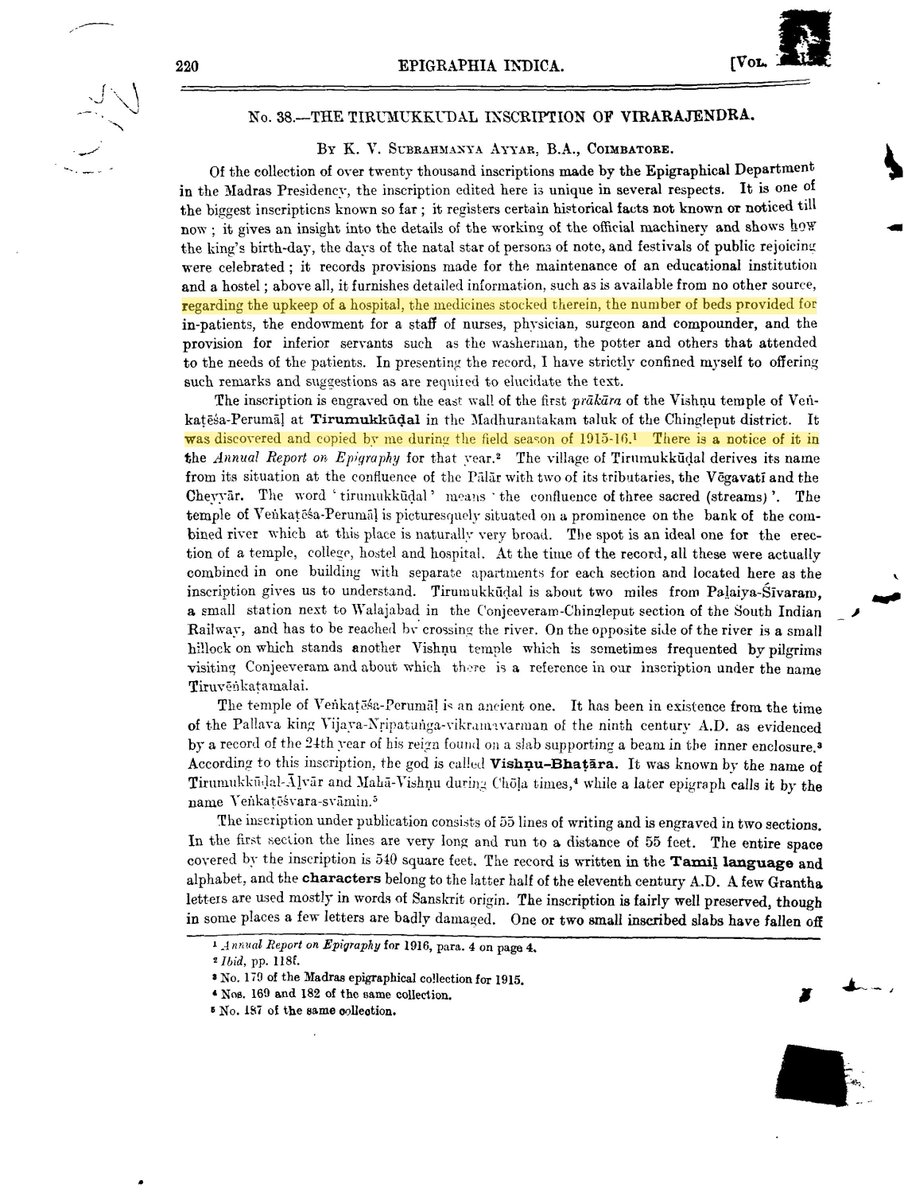
K. V. Subrahmanya Ayyar, an Indian epigraphist, discovered and copied the inscription during his 1915-16 field season. The writing covered about 540 square feet. In one section, the lines ran for 55 feet.
The hospital had 15 beds. Its physician, Kodandaraman Asvatthama-Bhattan of Alappakkam, prescribed medicines for the in-patients, the college's teachers and students, and people attached to the temple institutions. Someone who performed surgical operations was paid separately.
There were 2 people to collect medicinal herbs. They also supplied firewood and helped prepare medicines.
2 nurses looked after the patients and gave them medicines. A barber was paid too. Rice for the 15 in-patients had its own allocation.
The pharmacy had an annual stock list. Oils and medicated ghees were measured out. 4 preparations were listed at 2,000 units each.
40 kasu, a unit of money, was provided for the medicines and preparation requirements. The account even mentions ghee to be kept underground for an aged ghee preparation.
I find this much more interesting than a general claim that our ancestors practised medicine. Here we can read the arrangements for a particular hospital, with a named physician, staff duties and quantities to be supplied.
And somebody had included the night lamp in that budget. Oil was to be bought for it to burn through the night, for a year counted as 360 days.
Source: K. V. Subrahmanya Ayyar, "The Tirumukkudal Inscription of Virarajendra", Epigraphia Indica, Vol. XXI, No. 38, pp. 220, 223-225, 249-250.
Image Source: R. Muthusamy, Know Your Heritage, Tirumukkudal field-trip photographs, 2014; Epigraphia Indica, Vol. XXI, pp. 249-250 (yellow highlights added).
Photo 1: The actual inscribed wall and temple at Tirumukkudal. Photos: R. Muthusamy / Know Your Heritage.
Photo 2: Original report, with the evidence highlighted: hospital staffing and patients; medicine inventory and night lamp; Ayyar's own account of copying the inscription in 1915-16.
Photo 3: Hospital staffing and care: the inscription provides for 15 in-patients, a physician, a surgical practitioner, herb collectors and two nurses who administered medicines. Epigraphia Indica, Vol. XXI, p. 249.
Photo 4: The hospital's annual pharmacy inventory: measured oils and medicated ghees, four preparations stocked at 2,000 units each, and oil for a lamp to burn through the night. Epigraphia Indica, Vol. XXI, p. 250.
பெரியதாதம்பாளையம் ஏரியை மீட்டெடுத்து மக்களின் பயன்பாட்டிற்குக் கொண்டுவருவதற்கான அனைத்து முயற்சிகளையும் முன்னெடுப்போம். 53.5 ஹெக்டேர் நிலத்திற்குப் பதிலாக சேலம் மாவட்டத்தில் 106 ஹெக்டேர் நிலத்தை வனத்துறைக்கு வழங்குவது தொடர்பாக ஏற்கனவே கரூர் மற்றும் சேலம் இரண்டு மாவட்ட ஆட்சித் தலைவர்களுக்கிடையே நடைபெற்றுள்ள கடிதப் பரிமாற்றங்களின் அடிப்படையில், இந்தப் பிரச்சினைக்கு உரிய தீர்வு காண அரசை வலியுறுத்துவோம்.
கரூர் மக்களின் எதிர்காலத்தைக் காப்பாற்ற, நீர்நிலைகளை மீட்டெடுப்பதும், பசுமையை அதிகரிப்பதும், அமராவதி உபரிநீரை இப்பகுதிக்குக் கொண்டுவருவதற்கான விரிவான திட்ட அறிக்கையைத் தயாரிப்பதும் அவசியம். இந்தப் பகுதி மக்களின் குரலை அரசுக்குக் கொண்டு செல்ல, சுற்றுவட்டாரக் கிராமங்களில் கையெழுத்து இயக்கத்தை முன்னெடுப்போம்.
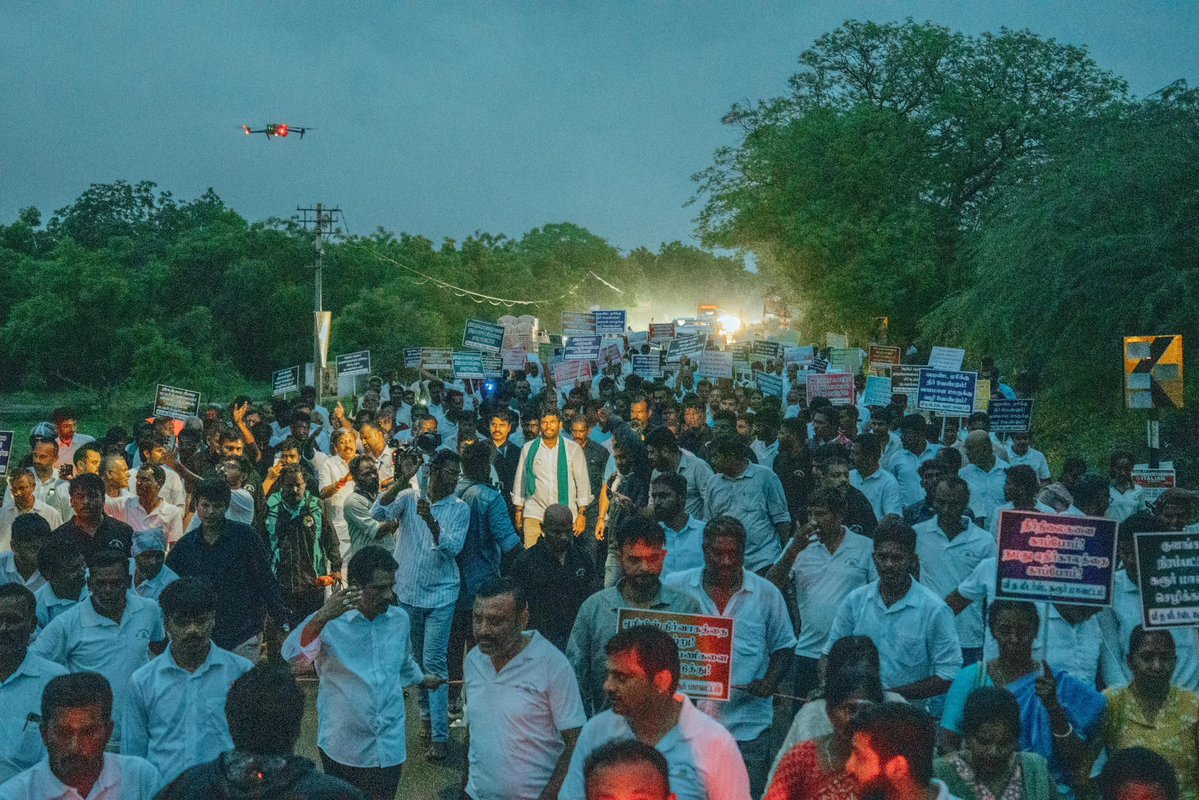
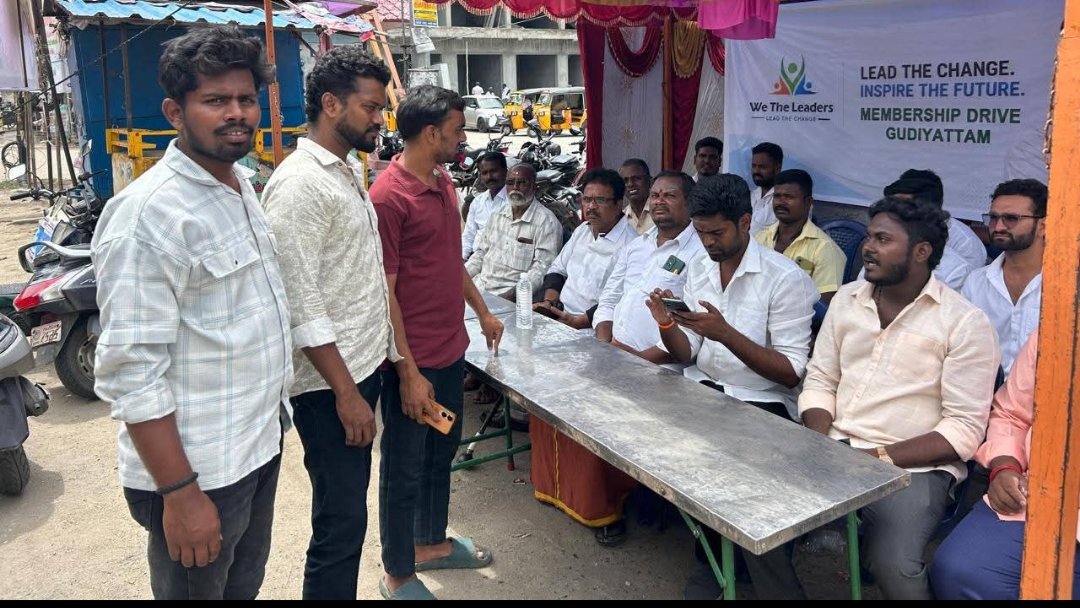
இன்று மாலை, கரூர் மாவட்டத்தில், 'தாதம்பாளையம் ஏரியை மீட்போம், கரூரைக் காப்போம்' விழிப்புணர்வு நடைபயணத்தில் பங்கேற்றதில் பெருமகிழ்ச்சி அடைகிறேன்.
நீர்நிலைகளைப் பாதுகாப்பது, ஆக்கிரமிப்புகளை அகற்றுவது, மழைநீரைச் சேமிப்பது ஆகியவை எதிர்காலத் தலைமுறைக்கான நமது கடமைகள். தாதம்பாளையம் ஏரியை மீட்டெடுத்து, நீர்வளத்தை மேம்படுத்த மக்களிடம் விழிப்புணர்வு ஏற்படுத்துவதே இந்த நடைபயணத்தின் முக்கிய நோக்கம்.
மேலும், வனத்துறையின் கைவசம் உள்ள எரியின் பகுதிகளை பொதுப்பணித்துறை மீட்டெடுக்க தமிழக அரசு நடவடிக்கை எடுக்க வேண்டும் என்பதே நமது பிரதான கோரிக்கையாகும்.
நமது @WTLFoundation சார்பில், தமிழகம் முழுவதும் நீர்நிலைகள் பாதுகாப்பு, சுற்றுச்சூழல் மேம்பாடு மற்றும் மரக்கன்றுகள் நடுதல் உள்ளிட்ட மக்கள் நலப் பணிகளை முன்னெடுத்து வருகிறோம். மக்கள் பங்கேற்புடன்
நீர்நிலைகளை மீட்டெடுத்து,
நீர்வளத்தைப்
பெருக்கி, வளமான தமிழகத்தை உருவாக்குவோம். (1/2)
Thuklaq Idhaya has perfectly decoded Annamalai’s political strategy.. 👍🏼
• Criticism from BJP cadres could actually benefit Annamalai politically.
• Until Annamalai launches his own party, there’s no need for him to criticise TVK right now.
VIDEO | Karur, Tamil Nadu: 'We The Leaders' founder K Annamalai urges restoration of the 53-hectare Karur lake and protection of farmers' interests.
(Full video available on PTI Videos - https://t.co/d8jp61yd2p)
In case you missed this amazing news by IT minister Ashwini:
By the end of October 2028, India will have Indian designed, India manufactured, Indian brand of mobile phones.
But let me tell you this now itself: No company (Not even Apple) today can manufacture a phone 100% by itself. A "Made in China" phone has 60-80% of its parts imported and assembled in China.
So even when India designs and makes its own boards, chips, and many other parts to manufacture is own mobile phone, there will be blackpillers who will tell you "this is assembled, not manufactured" to disillusion you.
This is what India's adversary wants Indians to believe and feel disillusioned about as part of their psychological warfare.
Now, if some Indian wants to be part of it, if they "feel good" believing such blackpilling for certain ideological reasons, let me warn - in the long term, it will affect their brains negatively, literally degrade it, as per latest research.