Was showing my daughter some old Peanuts clips on YouTube and I stumbled across a core memory that one shotted me as a kid.
Completely forgot about it until today, but the images are hard seared into my brain. Used to rewind the VCR to watch it back over and over.
Procrastination is an identity management problem. As long as you haven't started, you are still potentially great and potential is infinite. But actuality is finite and specific and mediocre at first.
Think of it as Schrödinger's talent: the box stays closed and you stay a genius.
Eating this simple Salad fixed many people's Leaky Gut, Constipation, SIBO, Candida, Thyroid Issues and reduced excess Estrogen while increasing Testosterone/Progesterone.
Here's How:
1. The GI Mechanism: Endotoxin & SIBO Reduction
Raw carrot fiber consists of unique indigestible cellulose that resists bacterial fermentation while exerting mild natural antimicrobial effects.
It sweeps the small intestine, physically displacing microbial colonies (SIBO/Candida).
It binds tightly to endotoxins (lipopolysaccharides / LPS), preventing their absorption through the gut barrier into portal circulation.
2. The Endocrine Cascade: Estrogen, Thyroid & Androgens
When the liver excretes conjugated estrogen via bile into the gut, dysbiosis and sluggish motility allow beta-glucuronidase to deconjugate it—driving reabsorption (enterohepatic recirculation).
Carrot fiber binds excreted estrogen, forcing excretion.
Lower endotoxin burden frees up liver capacity to convert T4 into active T3.
Lower estrogen and inflammation eliminate the suppressive tone on steroidogenesis, freeing up progesterone and testosterone production.
3. The Exact Formulation
The recipe is intentionally designed by Dr. Ray Peat for synergy:
1 medium carrot: Grated lengthwise (preserves the long, absorbent cellulose fibers; do not blend or juice).
1 tbsp coconut oil: Provides saturated medium-chain fatty acids (caprylic and lauric acid) for targeted antimicrobial action.
1 tsp apple cider vinegar: Lowers local pH to inhibit bacterial overgrowth.
Pinch of sea salt: Supports mucosal electrolyte balance and lowers Adrenaline.
4. Execution Protocol
Consume daily on an empty stomach between meals.
Do not cook the carrot—heat breaks down the protective fibrous matrix.
A single daily bowl reduces gut-derived systemic stress and resets the metabolic environment from the ground up.
Drugs Must Work Better, Right?
A Parkinson’s patient’s debilitating tremor vanished within minutes thanks to a newly approved, non-invasive ultrasound treatment.
72-year-old Air Force veteran Bud Leavell struggled with severe tremors that kept him from living life to its fullest.
Then doctors at UT Southwestern used focused ultrasound waves to target precise areas deep in his brain... without opening his skull.
Now the tremor are nearly gone. His response when asked how he was doing? “What tremor?”
Sound medicine.
Due to a mixup in the Ascension hospital pharmacy, FOUR patients received potassium instead of bupivicaine for epidurals before routine joint surgeries. At least one is now paralyzed.
The worst error I’ve ever heard of. Hard to see how this could happen.
https://t.co/ljTxJ8yx3r
There is a filing cabinet in the Library of Congress that holds the thoughts of the long dead.
Not recordings. Transcripts. Nearly 2,900 of them. Handwritten and typed pages gathered between 1936 and 1940 by government writers who were given one urgent instruction: get their stories before they are gone.
These are the American Life Histories from the Federal Writers’ Project, a New Deal program that sent more than 300 writers into homes across 24 states.
They sat with ordinary people—farmers, factory hands, former slaves, immigrants, pioneers, survivors—and wrote down what those people remembered.
Many of the narrators had been born in the 1850s and 1860s. They had seen the world before the great transformations. By the time the project ended, they were already old. By the 1950s, the last of them were dying.
What they described does not always sit comfortably with the history we were handed.
The Numbers Behind the Silence
The collection contains approximately 2,900 documents. Typical length: 2,000 to 15,000 words. They take the form of narratives, dialogues, reports, and case histories. Writers recorded physical appearance, family background, education, income, occupation, political views, religion, medical needs, diet, and sharp observations about the world that had already begun to vanish around them. Pseudonyms were often used. Drafts and revisions were kept.
The project was part of the larger Works Progress Administration effort that, at its peak, employed millions.
The Folklore Project under Benjamin A. Botkin treated these life stories as living history—history from the bottom up. Then, as the Depression eased and war approached, the funding was cut. The Writers’ Project was defunded in 1939, shifted to state control, and effectively shut down. A vast store of unpublished material was boxed and sent to the Library of Congress. For decades it sat largely overlooked.
It was not until the 1970s that serious attention returned.
Digitization came later through the Library of Congress American Memory project. Yet the deeper patterns—the places where the memories refuse to line up with the official timeline—have never been systematically mined.
What the Last Witnesses Saw
Some of the narrators were children or young adults during the night of October 8–9, 1871. That same night the Great Chicago Fire raged while, hundreds of miles north, the Peshtigo Firestorm in Wisconsin burned more than 1.2 million acres and killed between 2,000 and 2,500 people. Towns across Michigan burned. Survivors later described winds that lifted people, flames that moved faster than a man could run, spontaneous ignition, oxygen vanishing so completely that the air itself became a weapon, and skies that turned the color of blood. Official explanations centered on drought and high winds. Alternative theories—comet fragments, electrical phenomena—have never been settled.
Others remembered the 1893 World’s Columbian Exposition, the “White City” of vast neoclassical structures raised with astonishing speed and then dismantled or burned after only six months. They spoke of buildings whose proportions felt wrong for the people who supposedly used them, of knowledge and ways of living that did not match the industrial America that followed.
Some remembered the Orphan Trains that moved a quarter of a million children westward, many of them not true orphans, their names changed and origins erased. And hanging over all of it is the near-total loss of the 1890 census—the most detailed demographic snapshot of its time—first damaged in a 1921 fire and then deliberately destroyed by congressional order in 1933, one day before the cornerstone of the National Archives was laid.
The Great Forgetting
By 1953 the living chain was breaking. The last Americans who had seen the pre-transition world with their own eyes were telling family members what they remembered, then dying. Their grandchildren often chose silence.
brain-rot videos literally suppress activity in the parts of your brain responsible for cognitive control, the systems that help you resist impulses
fascinating
if used properly, short-form video seems almost perfectly designed as a cyberweapon: capture attention, weaken cognitive control, then control what millions of people see next and what they will impulsively act on
good thing nobody would ever build something like that lol
Your eyes are in danger. Read this.
This post is important. Bookmark it.
> 87% of adults over 40 have this
> younger people too bc of screens
> leads to permanent eye damage
Here we go.
You have ~60 meibomian glands per eye, split across the upper and lower lid. They are like pores, secreting nourishing oil (meibum) onto your tear film to prevent rapid evaporation.
They become dysfunctional from just about everything….age, androgen deficiency, menopause, hormone replacement, oral contraceptives, isotretinoin, antihistamines, SSRIs, tricyclics, beta blockers, diuretics, anticholinergics, preserved eye drops, incomplete blinking, reduced blink rate, screen use, contact lens wear, ocular rosacea…and 50+ other things.
When these glands clog, the meibocytes die, and the gland drops out. Conventional medicine considers total dropout irreversible. This is bad.
The dropout leads to evaporative dry eye disease, which triggers vision degradation such as blurred text, glare at night, light sensitivity, and neuropathic ocular pain.
Left long enough, it can scar the cornea and permanently damage vision.
I just learned that I have meaningful meibomian gland dropout. This is why my eyes are irritated.
I’ve been doing this longevity thing for five years and never once have I heard anyone talk about this critical part of eye health. I’m befuddled why.
I’ve also seen two eye doctors in the past few years, neither of them brought up meibomian glands! How is this possible? I’m so confused.
I’m going to get you up to speed so you can find out where you’re at and then what you can do about it if you have meibomian gland dysfunction (MGD).
First, how big of a problem is this? A meta analysis of 20,518 adults over 40 found signs of meibomian gland dysfunction (MGD) in more than 87%.
My eye doctors think the 87% is closer to accurate for much younger ages too. Partly linked to decreased blink rates due to increased screen time.
Symptoms are a terrible gauge. MGD is usually silent. Population studies across multiple countries show that the majority of MGD cases, roughly 60-85%, are asymptomatic, falling below clinical symptom thresholds.
When it does surface, it hides as ordinary dry eye, enabling the worsening of the condition and permanent dropout.
Advanced MGD can numb the cornea, further masking subjective symptoms, as the disease advances.
Here is what happened to me.
I got a gnarly chalazion/stye and went to a new eye doctor my team found, Dr Amir Moarefi. He diagnosed me with advanced meibomian gland dysfunction via several diagnostic tests.
On a Schirmer test (strips of paper put under the eyelid), my tear production was under 10 mm over five minutes in both eyes, and stayed under 10 even with numbing drops, confirming concurrent aqueous deficiency alongside evaporative disease.
This is official dry eye territory.
We then imaged my meibomian glands using infrared meibography and found significant drop out. Drop out is considered permanent. What we couldn’t tell initially was how many acini had fully atrophied versus suffered reversible ductal obstruction.
We got to work reviewing evidence, mapping out a protocol and starting therapies.
The first thing we did was in-office intense pulsed light (IPL), radio frequency (RF) and intraductal probing (the Maskin protocol) to address the inflammation and physically reopen the clogged glands.
The probing is done by using 1mm, 2mm, and 4mm probes, inserting them into each gland orifice. Sounds awful. It kind of is. I do it without numbing but you may find the numbing necessary.
When the probe is inserted into a clogged gland, you hear a popping sound, like a blister popping. It breaks up intraductal hyperkeratinization and periductal fibrotic tissue that’s accumulated, clearing the path for oil to be expressed again.
(Note on probing: the science on this probing therapy is not settled so consider it experimental).
My doctor then expressed my glands, using a roller device to expel any build up and kickstart the gland’s natural expression. This is really painful. Brings you to tears.
In conjunction with the IPL, RF and probing, I was doing eye warm compresses two times a day, morning and night.
Healthy meibum melts around 90 to 93°F (32 to 34°C). It thickens with MGD, raising the melting point above 104°F (40°C). Given that roughly 9°F (5°C) is lost crossing the eyelid, getting to 104°F (40°C) at the gland requires holding the outer lid surface near 113°F (45°C). Stay under 113°F (45°C) to avoid risk of thermal injury.
I used an electric device and a thermal gun to ensure an external eyelid surface temperature of ~113°F (45°C), the threshold required to melt hyper-viscous, altered meibum without thermal injury to the cornea.
Gland dysfunction makes your natural oil resemble sticky toothpaste versus smooth oil. This makes it more prone to clogging. The heat warms the oil to melt and allows it to be expressed.
We then added a third therapy, a special red light therapy from my new friends from Espansione Group. They make a lot of the eye care technology used throughout the world. I reached out to them after reading their science publications and within a week they flew to LA from Italy with their devices so I could be treated.
I used their eye-light device which combines IPL and 630nm red low-level light. The proposed mechanism is stimulation of mitochondrial ATP production in meibocytes and reduced periorbital inflammation.
With this protocol, we’ve seen a 30% improvement in meibomian gland function (using imaging). My glands look healthier, eye irritation has lessened, my subjective symptoms have subsided, and when we probe now, we encounter minimal fibrotic resistance (popping).
Given that I did four therapies at the same time: IPL, RF, probing, and low level light therapy, I can’t determine which therapy did what.
Ok, here are your instructions:
Signs to watch: burning or grit. Vision that blurs, then clears when you blink. Watery eyes (dryness triggers reflex tears). Red, crusty, or bumpy lid margins. Recurring styes. Contacts that stopped being comfortable. Worse on screens, planes, or AC. Any of these, especially after 40, best to get a gland exam.
What to ask your eye doctor to do
+ Infrared meibography, imaging the glands to see where you’re at
+ Tear breakup time, and a Schirmer test for tear volume
+ Gland expression, with the oil graded for quality
+ Tear osmolarity and an inflammation test
+ How to tell your doctor is up to date on MGD
If your doctor gives you artificial tears and wishes you well, find someone else. You want someone who will image the glands, express and grade the oil, tell evaporative dry eye from the watery-deficient kind, treat your gland structure, and reimage it to track progress.
Here is the full protocol to run if you have dysfunction
At home:
+ Most people with early MGD get most of the benefit from warm compresses, lid hygiene, and better blink habits. This is a great place to start.
Things to do in office:
+ Intense pulsed light (IPL): calms lid inflammation, addresses surface bacteria and Demodex, and hits leaky vessels feeding rosacea-driven MGD.
+ Radiofrequency (RF): controlled deep heat that melts the toothpaste sticky oil and stimulates the lid tissue.
+ Manual gland expression: the clinician squeezes the glands to clear the stagnant oil and reopen the flow.
+ Intraductal probing (the Maskin protocol): a fine probe opens each blocked duct, breaking through plugs and scarring, and help encourage natural expression.
+ Low-level light therapy (LLLT) 630nm eye-light for stimulation of mitochondrial ATP production in meibocytes and reduced periorbital inflammation (device made by Espansione Group. Note, not yet widely available in the U.S.).
+ Thermal pulsation and heat (LipiFlow, TearCare): warms the lids from the inside and presses out the hardened oil clogging the glands.
I worked with Dr Amir Moarefi in Los Angeles to build out this protocol. If you can see him, I’d recommend it.
At home / daily protocol:
+ I started using some drops: a preservative-free lubricant (iVizia), a lipid-replacement drop (Miebo), and a prescription anti-inflammatory (Vevye).
+ A compounded azithromycin lid spray, which calms inflammation and pushes the gland cells to make and release oil.
+ Warm compress daily. Healthy meibum melts around 90 to 93°F (32 to 34°C). It thickens with MGD, raising the melting point above 104°F (40°C). Given that roughly 9°F (5°C) is lost crossing the eyelid, getting to 104°F (40°C) at the gland requires holding the outer lid surface near 113°F (45°C). Stay under 113°F (45°C) to avoid risk of thermal injury.
+ Moisture-chamber glasses (7eye) to trap humidity and block wind. Indoor and outdoor options.
+ Tear stimulation: a nasal spray (Tyrvaya) and a handheld nerve stimulator (iTear).
+ Omega-3 and lutein
It's rarely just the eye: the systemic drivers
In my case, we identified several likely drivers. The clearest is low DHT, from a topical anti-androgen I use for hair growth: the meibomian glands need androgens, so this works against them.
There's also low anabolic signaling, low insulin and low IGF-1: likely good for longevity, but hard on the glands, which renew constantly and lean on insulin and IGF-1 to do it, so running low starves them.
In addition, a former subclinical thyroid flare (high TSH, part of the Hashimoto picture of my hypothyroidism from age 21) probably contributed to my MGD too, since thyroid dysfunction is itself a documented dry eye contributor.
Again, there are 100+ things that contribute to meibomian gland dysfunction.
Where we take it next
We're running this protocol until it plateaus, as we closely monitor and track two types of signals: routine imaging (meibography) to follow the glands over time, and research-grade profiling of the ocular surface for signals of inflammation, tissue damage, regeneration, and scarring.
Together they show how much living gland is left, whether the inflammation is settling, and when we've reached the point of diminishing returns.
Once we do, the next options aim to go further, to rejuvenate the glands and reverse the degeneration itself, not just clear what's blocked:
Restoring the glands: they run on growth and hormone signals that fade with age and get blocked by common drugs. We're working on delivering those straight to the lids, from androgen to growth factors drawn from my own blood, to switch them back on.
Restoring function and calming inflammation: repurposing agents like azithromycin that both push the gland cells to make and release oil and quiet the inflammation driving the loss.
Rejuvenating the gland: the deepest lever is reawakening the gland's own stem cells and the signals they depend on, to regrow lost tissue, from stem-cell-stimulating drops to lab-grown gland organoids as a route to transplantation. Never done in humans, yet.
My dad died of glioblastoma on Friday. Two things that are significant when you get diagnosed with this at age 72: You're not going to live very long and much of the time you have left is going to be unpleasant. I've been struck my how *little* attention was paid to these things.
Mushrooms cut dementia risk by ~75%, eliminate need for vegetables.
The highest levels of ergothioneine, only found in mushrooms, dropped the risk of Alzhiemer's / non-Alzheimer's dementias.
Even if there was a low vegetable intake, it didn't matter as long as ergothioneine is high.
Very underrated anti-aging / anti-inflammatory molecule.
'I don't want to die': Man with Down syndrome 'starved to death' in hospital
The family of a disabled man who died after not being given any food for nine days whilst being treated in an NHS hospital has told ITV News “we thought he was having nutrition… but as it turns out, they were starving him”.
This comes as an ITV News investigation has revealed a crisis in the care of learning disabled and autistic people. Bereaved families of people with learning disabilities have told ITV News they believe their children died due to failures in NHS learning disability care.
"They were starving him"
Adrian Poulton, 56, had Down syndrome and was admitted to Poole Hospital in September 2021 with a broken hip after a fall at his care home.
His hip was on the mend, but he was incorrectly listed as ‘nil by mouth’ by doctors during his time in hospital and was fed nothing for nine days.
https://t.co/GbQTraaC8f
A man in Germany scheduled his own euthanasia.
At the age of 41, he had been diagnosed with early-onset Parkinson's.
By 51, he was bedridden in a nursing home. Surgeons had already drilled through his skull and mounted electrodes on his brain, the last card medicine had to play. It freed him from the bed and gave him little else back.
So he signed the papers.
While he waited for the date, he found a researcher at the University of Zurich testing an unusual protocol: ibogaine, the West African psychedelic famous for interrupting opioid addiction in one flood dose, given instead in small rising daily doses over four weeks.
Four weeks later he left the nursing home and moved into an apartment with his mother. His motor control returned. He rides a bicycle three miles a day.
Bryan Hubbard told me his story on my podcast last year. Bryan ran Kentucky's opioid commission until he proposed putting $42 million into ibogaine trials, and the state pushed him out. Texas picked up the idea and put $50 million behind it.
He calls ibogaine "the most sophisticated medication on the planet."
For a year, I filed his story where skeptics would: this being one remarkable case, a miracle even.
Anecdotes stay anecdotes until someone publishes a mechanism.
This week, Psychology Today published the mechanism.
Psychology Today is not a psychedelic journal. It is the magazine in your therapist's waiting room, and it just ran a piece by Ohio State neuroscientist Gary Wenk on the newest finding: ibogaine switches on the genes and proteins that rebuild myelin.
Myelin is the white insulation wrapped around the brain's wiring. Every thought you have travels across it. Multiple sclerosis strips it away. Long-term opioid use strips it too, methadone included. And nothing on the pharmacy shelf rebuilds it.
This is where ibogaine stands alone. Psilocybin works mainly through one lever, the serotonin 2A receptor, and it does what it best does: grow new connections between neurons. Ibogaine hits glutamate, serotonin, sigma, and nicotinic receptors at once, raises growth factors that keep neurons alive, and turns on the machinery of myelin repair.
Psilocybin renovates the brain's wiring diagram. Ibogaine re-insulates the wires themselves.
It's why ibogaine keeps showing up where no other psychedelic works: a single dose cut PTSD, depression, and anxiety by more than 80 percent in Stanford's 30 Special Forces veterans with traumatic brain injury.
About 50 Parkinson's patients have gone through the Zurich protocol. Roughly half improved, mostly those with the genetic form of the disease. Ibogaine does strain the heart, so nobody should go near it outside medical supervision. Half is not a miracle. Half is a signal, and clinical trials turn signals into answers.
Ibogaine is still Schedule I in the United States, meaning there's no currently accepted medical use.
Tell that to the man on the bicycle.
https://t.co/VyoSaI7rYA
This is one of the last Revolutionary War veterans in New York, photographed in 1862 in the final year of his life. He is sitting in front of a fort he built himself.
Nicholas Veeder enlisted in 1777 at sixteen, in the Albany County militia. He came home, built boats, and lived a long quiet life. But as the men of the Revolution died off one by one, Veeder did something about it.
He built a small stone fort behind his house and filled it with muskets, weapons, and relics of the war he'd collected for decades. He turned the loft into a museum. People came from all over to take his tours, where he'd hold up the guns and tell the stories himself. He led parades carrying a Liberty flag.
He died in 1862, a few months after his 100th birthday.
I used to be the guy with severe mold sensitivity, MCAS, random food allergies, and chronic gut dysfunction who couldn’t touch bread, pasta, or pizza without triggering an inflammatory histamine flare.
Today, I eat whatever I want with zero reactions.
The cure was never an endless elimination diet, living in a sterile bubble, or fearing food—it was raising my cellular voltage with active T3, fixing nutrient defeciencies, megadosing Vitamin D3, and rebuilding the gut mucosal barrier from the ground up.
Here is the science behind how I did it 👇
1. The Root Cause:
Why Your Gut Leaks & Mast Cells Panic
Food allergies, histamine intolerance, and mold hypersensitivity are not permanent genetic flaws. They are the direct result of collapsed cellular energy (ATP) in the gut epithelium.
• High Enterocyte Turnover:
The cells lining your gut (enterocytes) completely turn over every 3 to 5 days. Maintaining the tight junction proteins (ZO-1, Occludin, and Claudins) that keep food proteins inside the gut lumen requires massive concentrations of intracellular ATP.
• The Energy Failure Cascade:
When cellular respiration crashes, tight junctions fall apart. Undigested food proteins (like gliadin) and bacterial endotoxins (LPS) leak directly into the lamina propria.
• Mast Cell Hyper-Reactivity:
Enterocytes lack the ATP needed to power Plasma Membrane Calcium ATPase (PMCA) pumps. Intracellular calcium spikes, causing local mast cells to stay locked in a chronic degranulation state, dumping histamine, leukotrienes, and cytokines at every meal.
2. The No. 1 Game Changer:
Active T3 (Powering the Gut Engine)
Active thyroid hormone (T3) is the master governor of mitochondrial respiration, gut motility, and immune tolerance.
• Driving Complex IV Respiration:
T3 directly binds to mitochondrial receptors to drive the gene transcription of Cytochrome c Oxidase (Complex IV). This floods enterocytes and immune cells with high-voltage ATP.
• Stabilizing Mast Cell Membranes:
With abundant ATP powering PMCA calcium pumps, intracellular calcium drops, physically locking mast cell membranes shut. They stop reacting to mold mycotoxins and benign food proteins.
• Restoring Digestive Fire:
Active T3 stimulates stomach acid (HCl) production, pancreatic enzyme synthesis, and brush-border peptidase output. This ensures gluten, dairy, and complex carbs are completely broken down into harmless single amino acids and simple sugars before reaching the lower bowel.
3. Megadosing Vitamin D3 (Immune Tolerance & Epithelial Defense)
Vitamin D3 is not a simple vitamin—it is a master immunomodulatory secosteroid that operates via the nuclear Vitamin D Receptor (VDR).
• Upregulating FoxP3+ Regulatory T Cells (Tregs):
High-dose Vitamin D3 stimulates the differentiation of FoxP3+ Tregs. Tregs act as the immune system's master peacekeepers, actively suppressing hyper-reactive Th1, Th2, and Th17 allergic pathways.
• Antimicrobial Peptide Synthesis:
VDR activation directly induces the transcription of endogenous antimicrobial peptides—Cathelicidin (LL-37) and Beta-defensins. These selectively clear fungal overgrowth, pathogenic bacteria, and biofilms in the gut without harming beneficial flora.
• Tight Junction Reinforcement:
Vitamin D3 directly upregulates the genetic transcription of Claudin-1, Claudin-2, and ZO-1, physically welding leaky gut junctions closed and blocking zonulin-mediated permeability.
4. Fixing the Mucosal Barrier & Halting Endotoxin Recycling
Sealing the gut requires clearing toxic luminal waste while feeding enterocytes the exact structural substrates needed for rapid repair:
• The Ray Peat Raw Carrot Salad:
The unique insoluble, non-digestible fibers in grated raw carrots (paired with coconut oil, vinegar, and salt) act as an intestinal sponge. The fibers bind unabsorbed endotoxin (LPS), mold mycotoxins, and recirculating estrogen, carrying them out in the stool before they can inflame the gut wall.
• L-Glutamine & Glycine (10g each):
L-Glutamine serves as the primary metabolic fuel substrate for enterocyte mitosis and fuel for mucosal regeneration. Glycine supplies raw building blocks to synthesize mucosal collagen and tone down central nervous system fight-or-flight stress.
• N-Acetyl Glucosamine (NAG):
NAG rebuilds the protective glycosaminoglycan (GAG) layer—the thick mucus shield that covers enterocytes, preventing foreign antigens and food particles from physically touching the gut lining.
• Raw Buffalo Milk Kefir:
Delivers bioavailable A2 beta-casein, butyrate, lactoferrin, and beneficial lactic acid bacteria to nourish colonocytes and rebuild oral immune tolerance.
5. The Complete Freedom Protocol
Optimize Active Thyroid (T3):
Fuel liver glycogen with bioavailable carbohydrates (ripe fruits, orange juice, raw honey) to drive T4-to-T3 conversion, or introduce targeted T3 / NDT to restore baseline body temperature (98.6°F / 37°C) and cellular ATP output.
Megadose Vitamin D3 + Cofactors:
Run 20,000 to 50,000 IU Vitamin D3 paired with Vitamin K2 (MK-4 / MK-7) to direct calcium to bones, backed by 200–400mg Magnesium Glycinate to fuel the enzymatic activation of D3.
Daily Endotoxin Binding:
Eat the Ray Peat Raw Carrot Salad every afternoon away from meals to continuously sweep out LPS, mycotoxins, and estrogen.
Rebuild the Mucosa:
Take 10g L-Glutamine + 10g Glycine + 1g NAG daily.
Drink raw buffalo milk kefir to re-establish mucosal oral tolerance.
Saturate Methylation & Minerals:
Take a high-dose Life Extension B-Complex and Trace Minerals (Zinc & Copper) to keep the histamine-degrading DAO and HNMT pathways fully operational.
Stop living your life in fear of bread, pasta, pizza, and normal environmental mold.
Food allergies and sensitivities are not life sentences—they are symptoms of an underpowered metabolic engine starved of cellular voltage, missing critical fat-soluble cofactors, and leaking at the gut barrier.
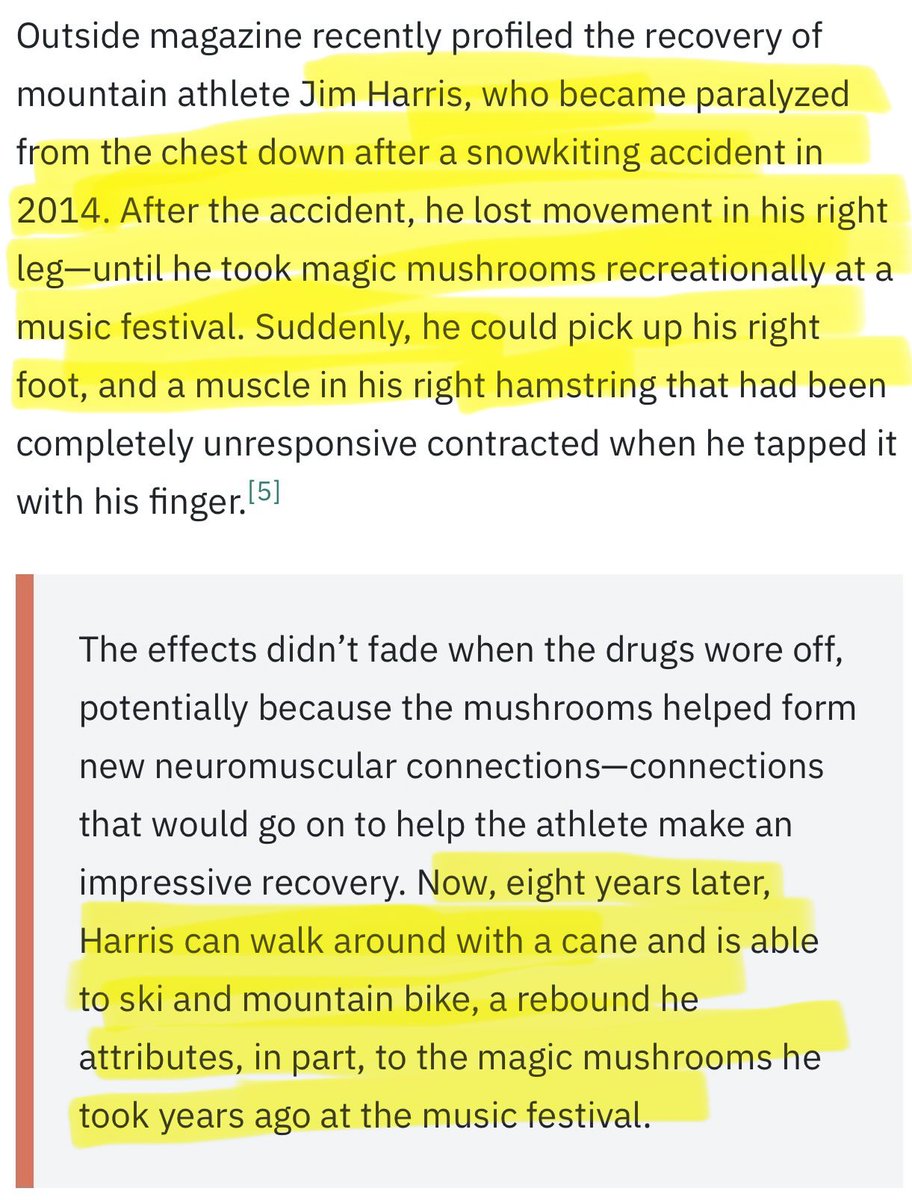
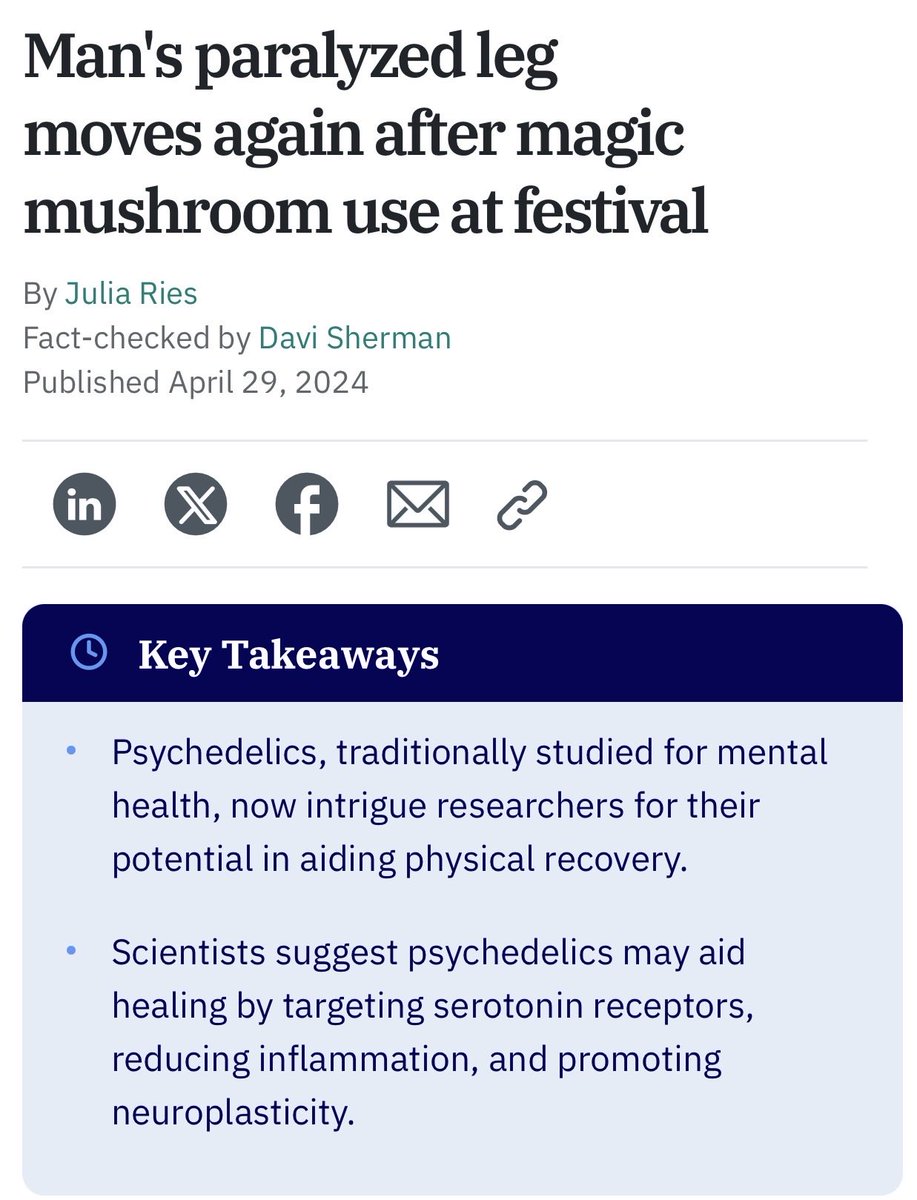
Man paralyzed from the chest down regained movement and is now able to walk, ski and mountain bike after using mushrooms (active ingredient psilocybin).
Psilocybin has the ability to rewire the brain and spine. It can reverse brain damage, dementia and reverse stroke damage if used early enough after the stroke.
This is why slow eaters are always skinnier. Chewing your food, dining with friends, small bites, pausing for conversation. Making a ritual out of eating.
Aristocratic eating.
The mentally obese inhale slop in minutes like famine is coming.
Abundance vs scarcity physiology
Nasal hygiene is important because of density of blood vessels as well as its immediate proximity to the brain. Whatever resides in your nose can be quite readily taken up into circulation within the brain.
You should rinse your nose almost as much as you wash your hands.