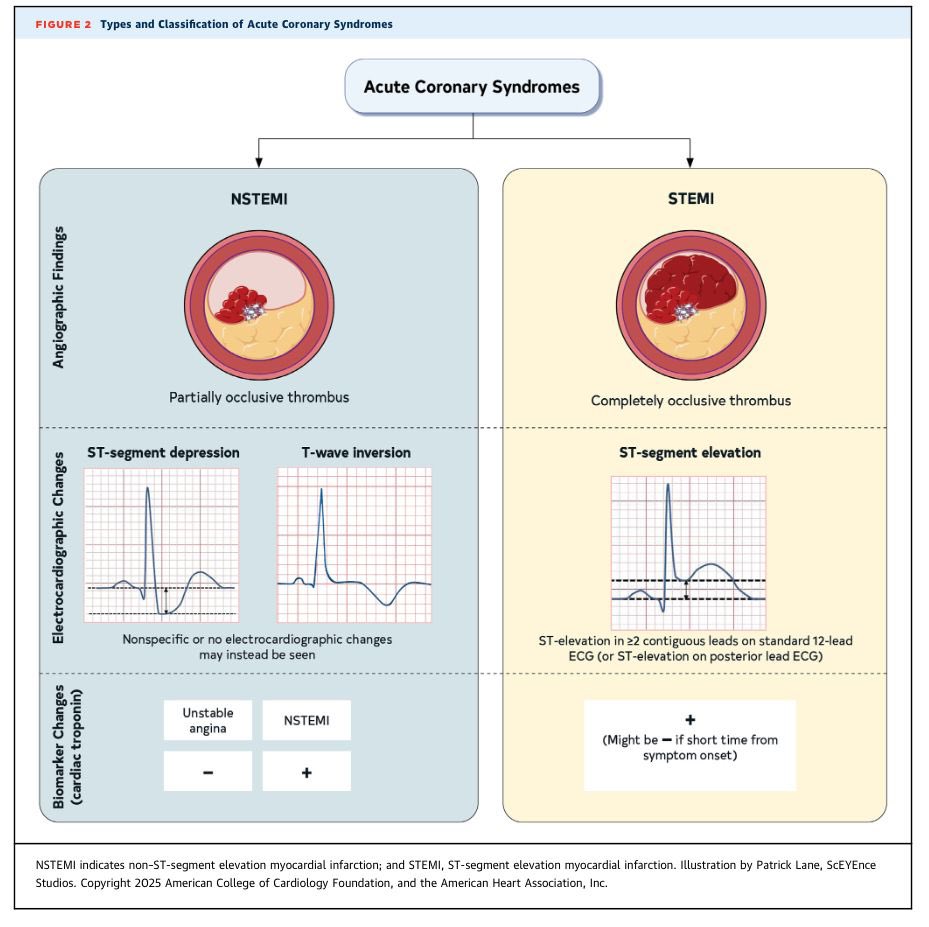
Unfortunately these guidelines repeat the same graphic from 20 years ago that STEMI/NSTEMI differentiates occlusion from non occlusive MI. But the 2022 ACC expert consensus states, #STEMI “miss a significant minority of patients who have acute coronary occlusion” #CardioTwitter
Acabo de lançar este site com ferramentas e calculadoras sobre raciocínio probabilístico e Medicina Baseada em Evidências:
https://t.co/r8qtJ6PEOl
Se gostou, compartilhe
Challenges in Diagnosing AMI or CAD in the Presence of CRBBB:
Detecting acute myocardial infarction (AMI) or coronary artery disease (CAD) in patients with complete right bundle branch block (CRBBB) has long posed significant diagnostic challenges. Conventional ECG systems are unable to fully capture the extent of cardiac damage, often leaving clinicians with incomplete diagnostic information.
The Role of Novel ECG Technology:
The new ECG technology represents a breakthrough, as it is uniquely capable of recording damage potentials. This capability provides critical insights into the underlying causes of conduction abnormalities, enabling clinicians to move beyond the mere identification of right bundle branch block (RBBB) or left bundle branch block (LBBB) and assess the root causes of these conditions.
Understanding the Underlying Causes:
While the identification of RBBB or LBBB is relatively straightforward, determining their etiology is far more complex. Many cases of RBBB or LBBB are secondary to more serious conditions, such as CAD, AMI, or acute coronary syndrome (ACS). Traditional ECG lacks the capability to evaluate these secondary disease characteristics, which are essential for accurate diagnosis and effective treatment.
Clinical Guidelines and Limitations:
Both the American Heart Association (AHA) and the European Society of Cardiology (ESC) have highlighted the difficulty of diagnosing AMI in the presence of CRBBB using conventional ECG. This limitation underscores the need for advanced diagnostic tools to enhance accuracy and improve patient outcomes.
Observations in Lead aVR:
Exclusive to lead aVR, the presence of injurious currents has been observed to cause fragmentation of R-wave peaks. These abnormalities are predominantly localized to the origins of the left main (LM) coronary artery, right coronary artery (RCA), and left anterior descending (LAD) artery.
PhysioSign USA
#ecg #ekg #cardiology #ami #heartattack
@danpita@md_pinheiro@josenalencar Inferior and basal fibrosis, typical of Chagas’ disease. Mimicking old myocardial infarction and pointing de QRS vector to the anterior right plane.
Literally every single stent trial finds that “fixing” this lesion does not reduce mortality or MI. Here is the Courage trial, but there are more. https://t.co/4HGXHgapN2
We should have @CommunityNotes on this. @DavidLBrownMD@AndrewFoy82@RFRedberg h/t @bogdienache
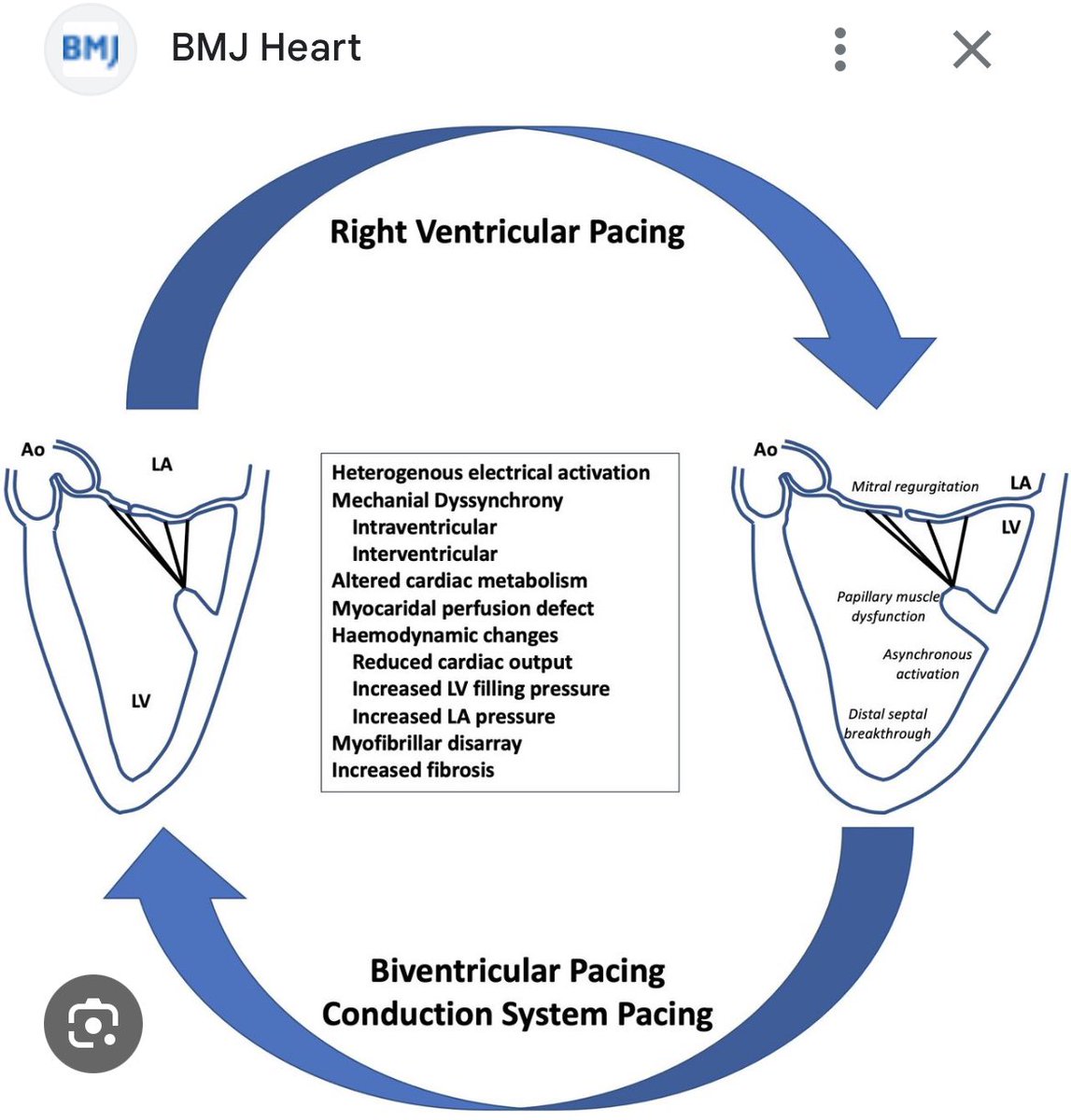
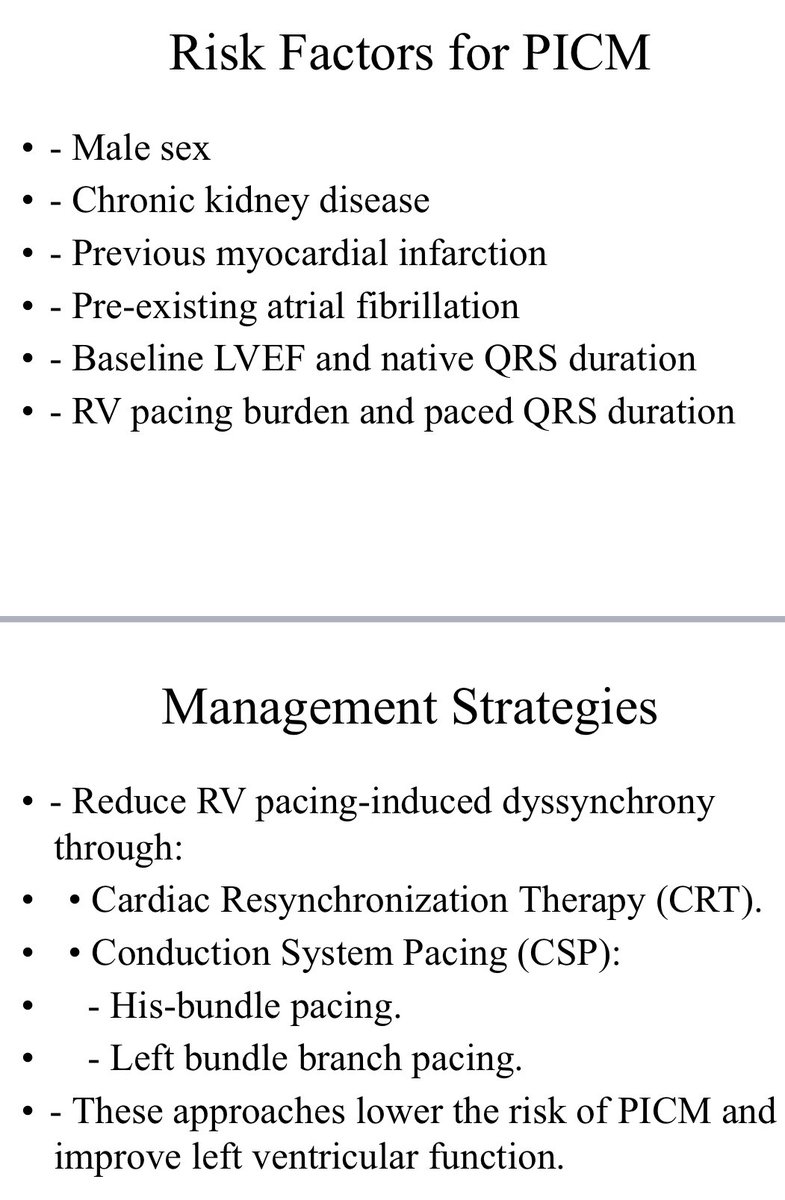
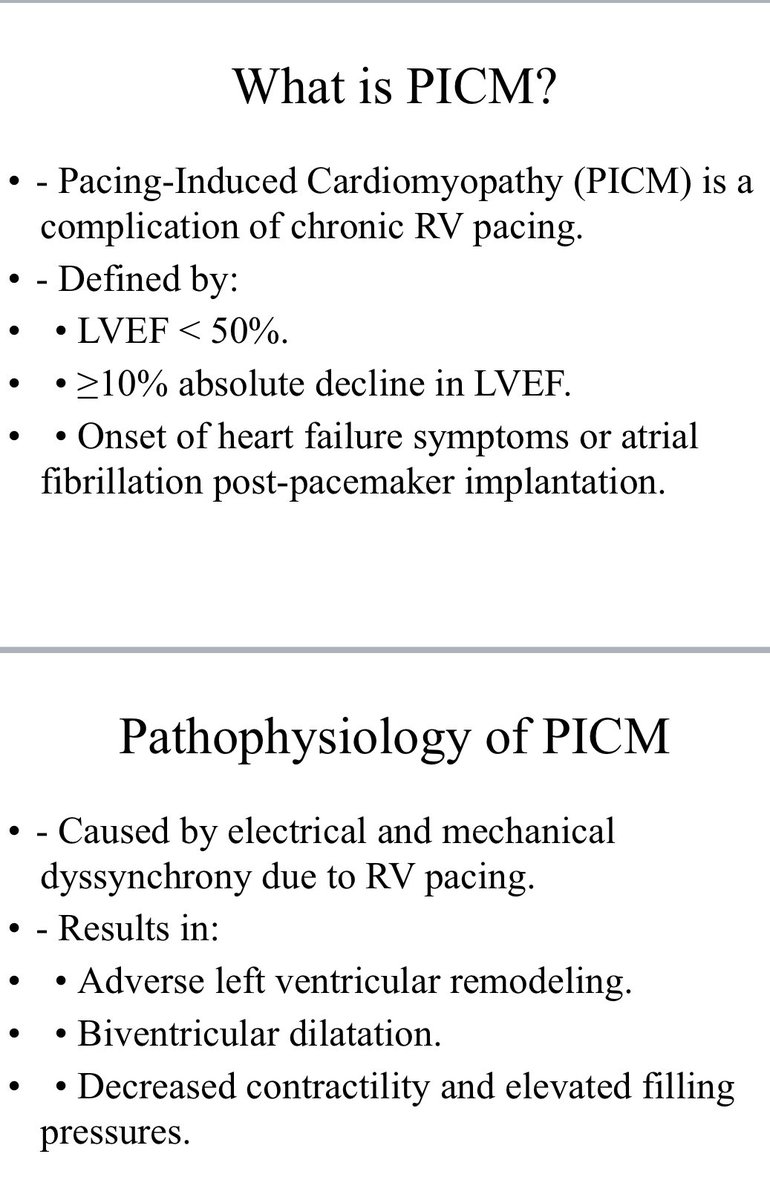
📢 Spotlight on Pacing-Induced Cardiomyopathy (PICM):A significant but under-recognized complication of chronic RV pacing. Early diagnosis and advanced pacing strategies like CRT or CSP are key to improving outcomes. Let’s bring awareness to this critical issue! #Cardiology#PICM
AI generated ❗Get used to it ❗
This story was translated from Medscape’s Portuguese edition using several editorial tools, including AI, as part of the process. Human editors reviewed this content before publication.
Vestindo terno azul, blusa e gravata brancas – as cores da Majestade do Samba –, Milton Nascimento, com o sorrisão no rosto, postou em sua conta no Instagram, nesta terça-feira (12/1): “Hoje eu visitei a minha Portela. Falta pouco tempo para nos encontrarmos na Avenida”.
Inhibiting transthyretin production to treat cardiac amyloidosis? This trial showed vutrisiran, a novel hepatic transthyretin production inhibitor, to improve outcomes in transthyretin cardiac amyloidosis. HELIOS-B Trial, NEJM 2024 ♥️
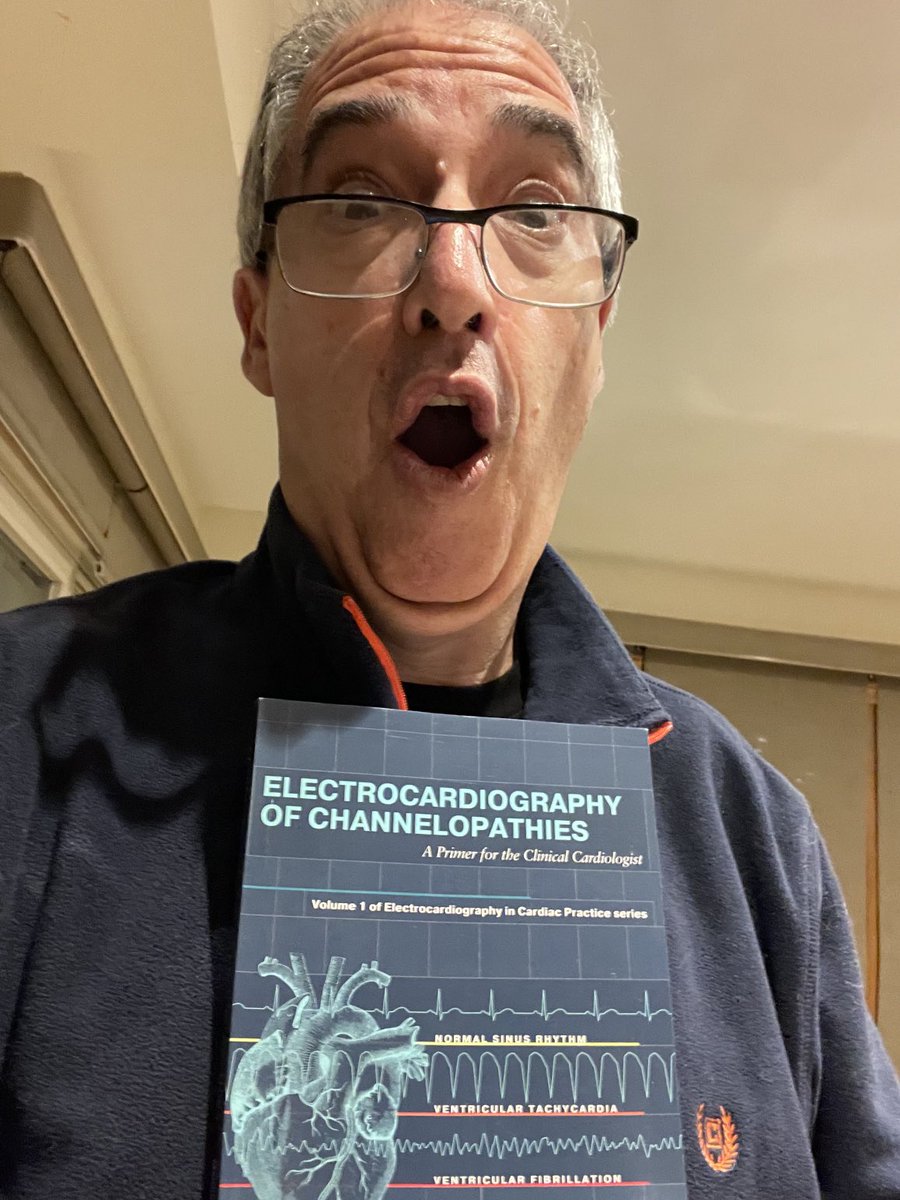
The book of @ManlioMarquez is the First of Electrocardiography in Cardiac Practice series that I have the privilege to coordinate!
Published by @ElsevierConnect
Bravo Manlio!!!
A new study this week @Nature showed how the most common blood test performed—the CBC, complete blood count—contains a treasure chest of information that we are missing in reporting out to patients and doctors.
Reviewed in the new Ground Truths, link in profile