Running distributed systems at scale exposes you to very strange race conditions that you'd otherwise dismiss as "glitches"
I helped my team figure out what was going wrong with a popular low level HTTP library in Rust and we wrote about it here
https://t.co/SiNTevC4NF
I’ve been capturing 3D human motion for 30 years and today is maybe the biggest day in that history. We are presenting MAMMA at CVPR (oral session 2A). MAMMA is a markerless multi-camera system that has accuracy similar to marker-based systems.
Life Update:
From Federal University of Technology Minna to the University of Texas at Arlington, USA 🇺🇸
Thrilled to share that I officially started my PhD in Computer Engineering at the University of Texas at Arlington nine months ago, fully funded.
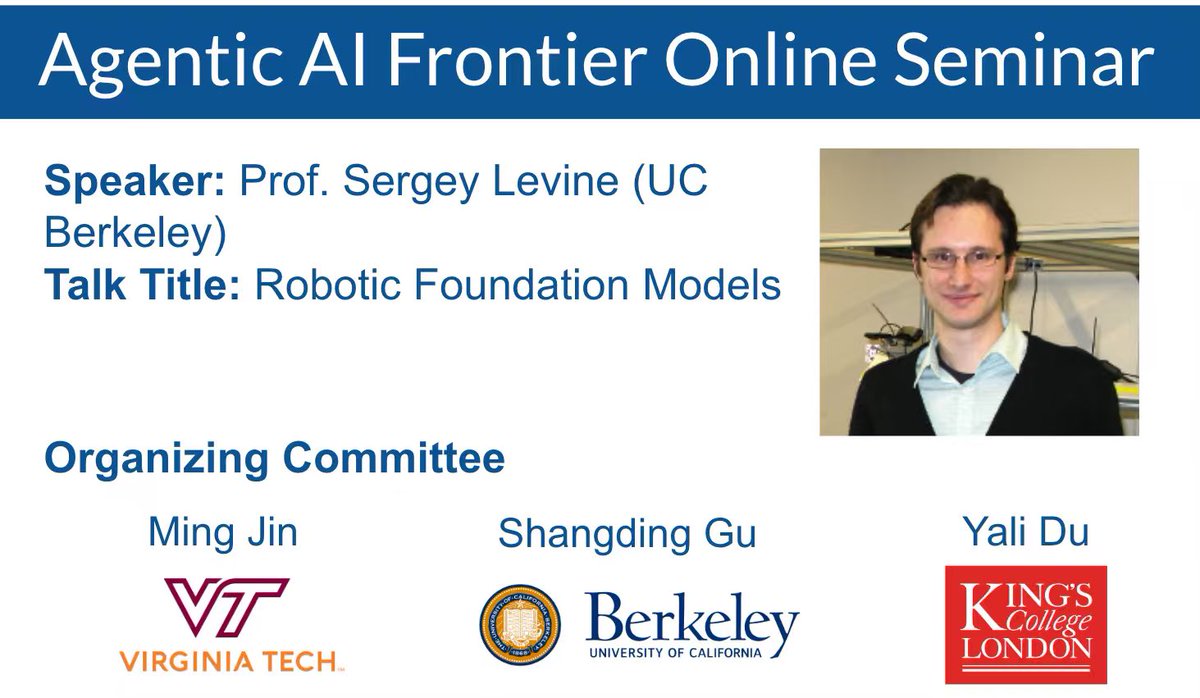
Vision-Language-Action (VLA) models are evolving fast. How do we move robots from following basic instructions to executing complex, multi-stage tasks with sophisticated test-time reasoning? 🤖🧠
We are incredibly honored to host Sergey Levine @svlevine for the next AI Agent Frontier Seminar to present: "Robotic Foundation Models."
Sergey will discuss the leap from first-generation VLAs to models that handle diverse data modalities and advanced reasoning, outlining the true frontiers of the field.
Date: This Friday 3/27 12pm ET/9am PT
🔗 https://t.co/ZbDRxzkaq7
📍 Join: https://t.co/x6PIDQtKl8
🔑 Passcode: 309194
Organizers: @yalidux@ShangdingG95714 @MingJin_AIl
#Robotics #AIAgents #VLA #FoundationModels
Jeremy's (@jeremyphoward) and Terence's (@the_antlr_guy) backprop guide is sooo well written that 3 years later as I'm reviewing the guide, everything is just coming back so fluidly.
11/10 would read again
https://t.co/9qB3RbJKVI
Carnegie Mellon University is lowkey a cracked school, yet I feel like people don’t talk about them that much
I’ve been looking at a lot of startups, and literally half the time the founder is a CMU grad
I’m looking for full-time Machine Learning Engineer / Research Engineer roles starting May 2026.
I’m Yunze (Lorenzo) Xiao, a CS student and NLP researcher at Carnegie Mellon University (CMU). My work focuses on LLM agents, evaluation, and safety, including multi-agent systems, persona consistency, long-horizon memory and emotion modeling
I’ve shipped research prototypes end-to-end and I’m excited to bring that experience to an engineering team.
If your team is hiring (or you know someone who is), I’d love to chat.
Dm's Open and CV is here https://t.co/PPrbWBgmTy
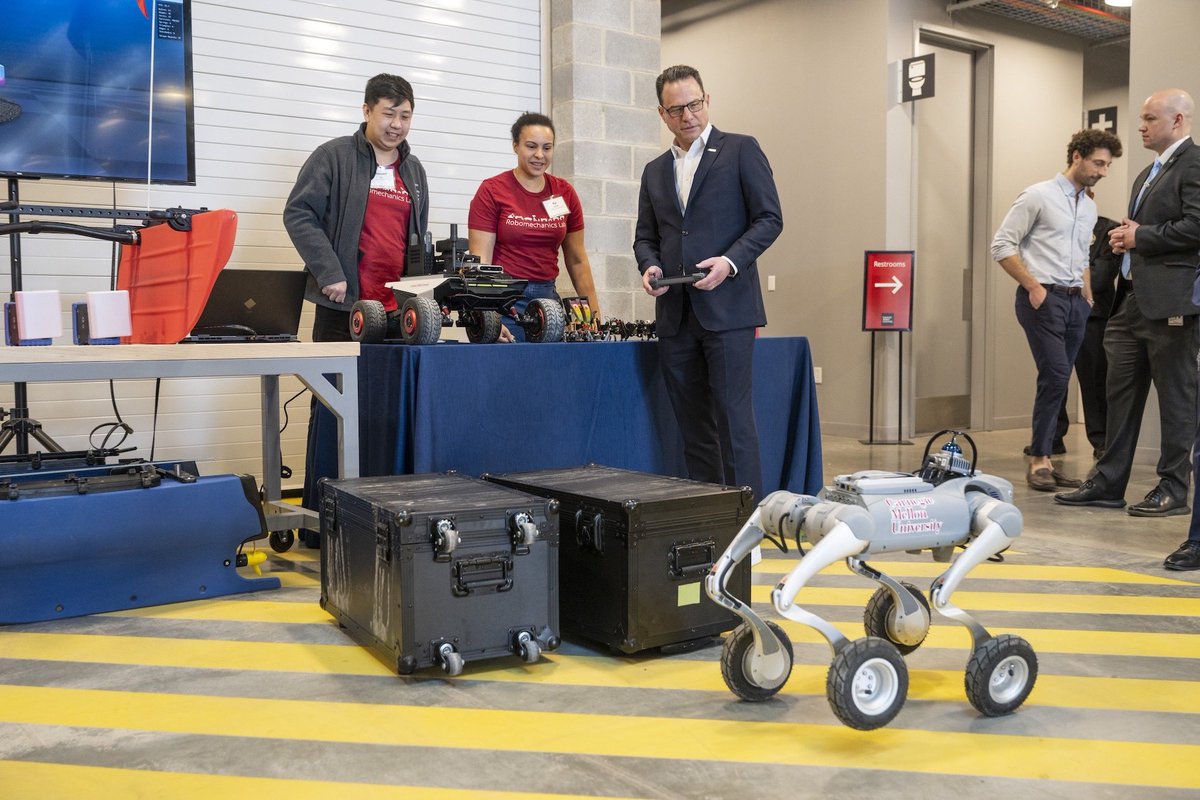
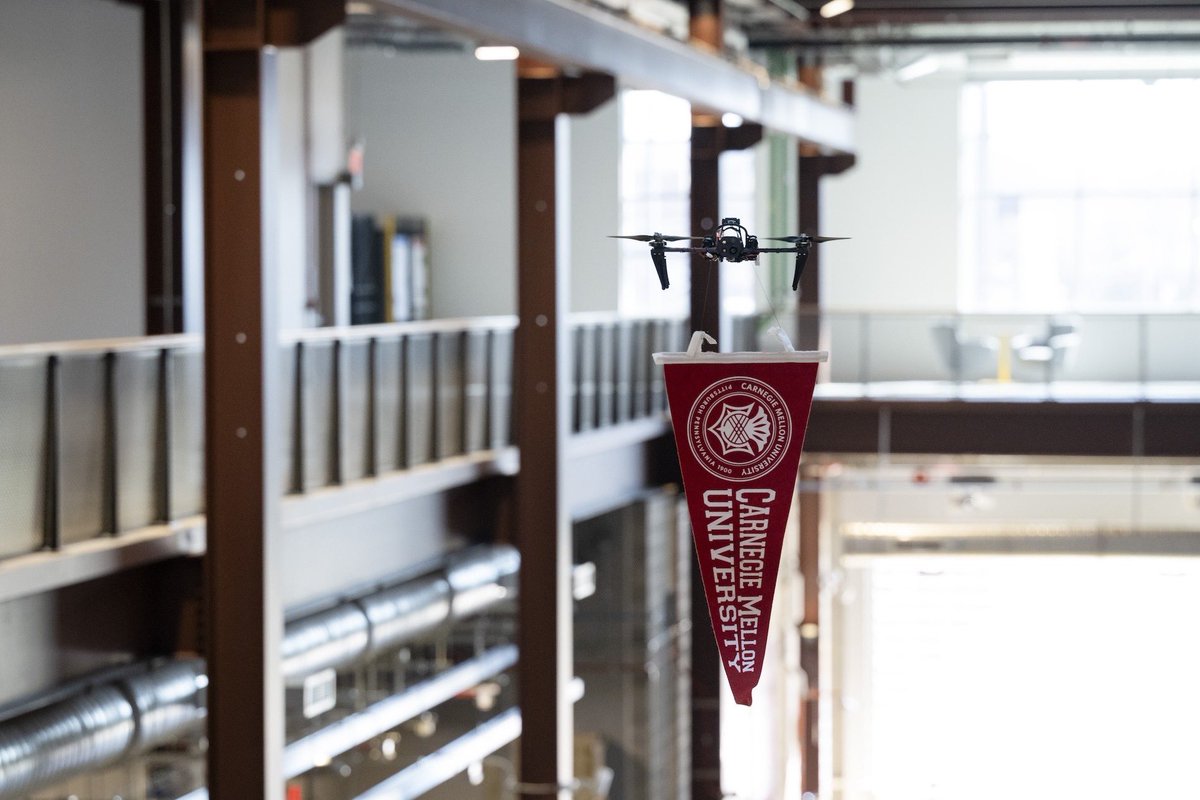
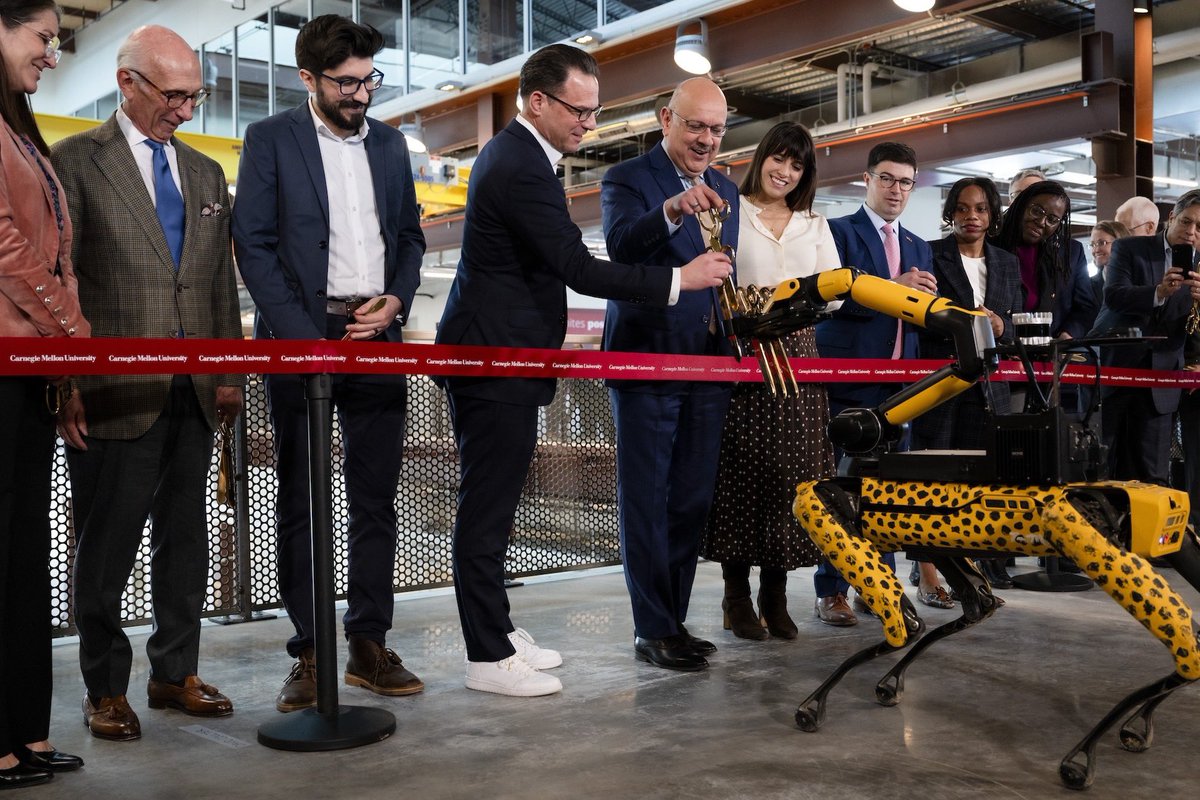
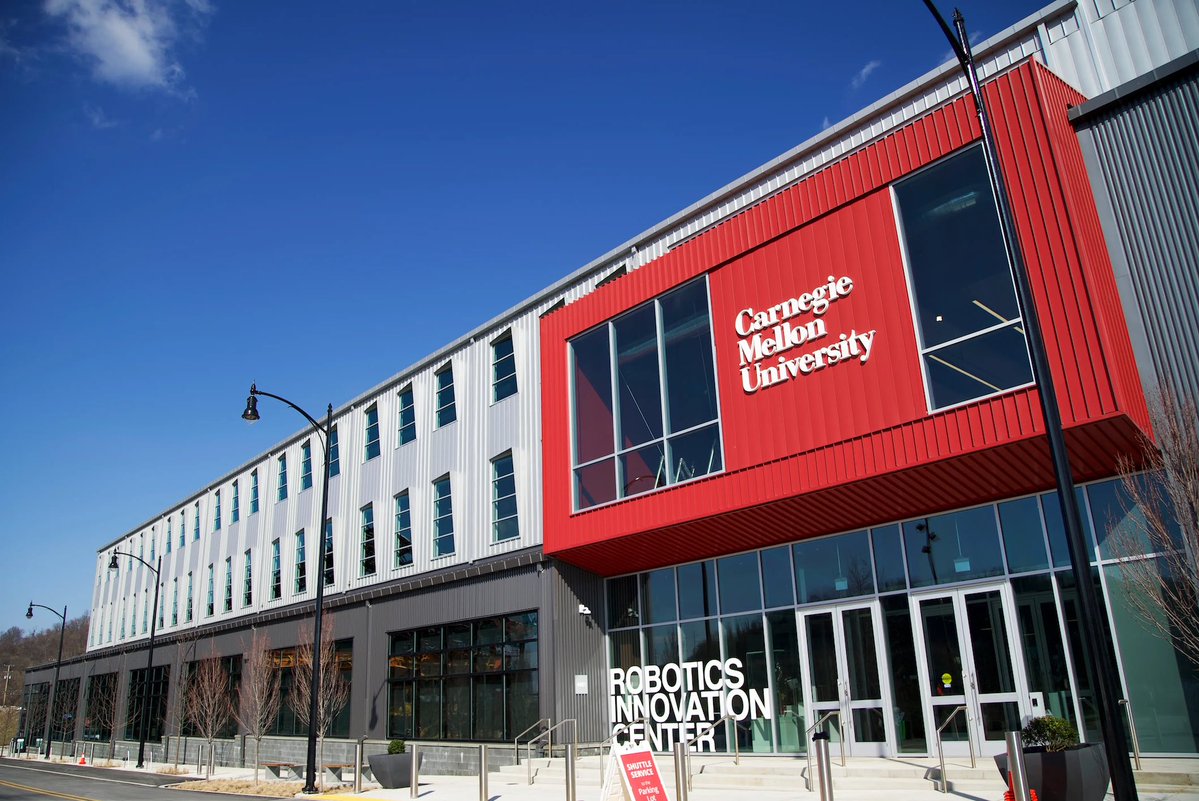
CMU on Friday marked the official opening of the Robotics Innovation Center —a one-of-a-kind facility anchoring the university’s next chapter in developing a world-leading collaborative ecosystem for robotics, automation and #AI breakthroughs.
Read more: https://t.co/LCrPHCy3Ph
Carnegie Mellon has a long legacy of pushing the boundaries of research and innovation in #robotics. 🤖
Explore the robust history of robotics at CMU.
@CMU_Robotics@SCSatCMU
https://t.co/axdywp3jEN
As an applied ML engineer who is learning more about research and theory, I found two interesting resources I read this week that are worth sharing.
The first one is the "On Research Taste"¹ article by Albert Ying. I liked how he defines what 'taste' really is: "the ability to find the node that would affect the largest number of other nodes [...] over a network", where the graph is a collection of "hypotheses and analyses you could pursue". I think the missing part of this short article is "how to develop 'taste'".
The second one is the "An Unofficial Guide to Prepare for a Research Position Application"² by Sakana AI. That was the most insightful blogpost I've read this year. It lays down all the core principles to be a great researcher, how to approach ideas, the importance of clear communication, and having a good balance between technical ability (engineering skills) and creativity.
The post is more than how to prepare for their interview. It's their way of doing great research.
¹ https://t.co/rwKGjvhYY7
² https://t.co/qUyg8IMCTF
New art project.
Train and inference GPT in 243 lines of pure, dependency-free Python. This is the *full* algorithmic content of what is needed. Everything else is just for efficiency. I cannot simplify this any further.
https://t.co/HmiRrQugnP
#IROS2026 will convene in Pittsburgh from Sept 27 – Oct 1!
As one of the largest & most dynamic robotics conferences, IROS brings together world-leading researchers, educators, govt. leaders, startups, industry innovators, practitioners, & investors👇
https://t.co/zWIb6SZtCO
AI can make work faster, but a fear is that relying on it may make it harder to learn new skills on the job.
We ran an experiment with software engineers to learn more. Coding with AI led to a decrease in mastery—but this depended on how people used it.
https://t.co/lbxgP11I4I