How scientists are hacking the genetic code to give proteins new powers:
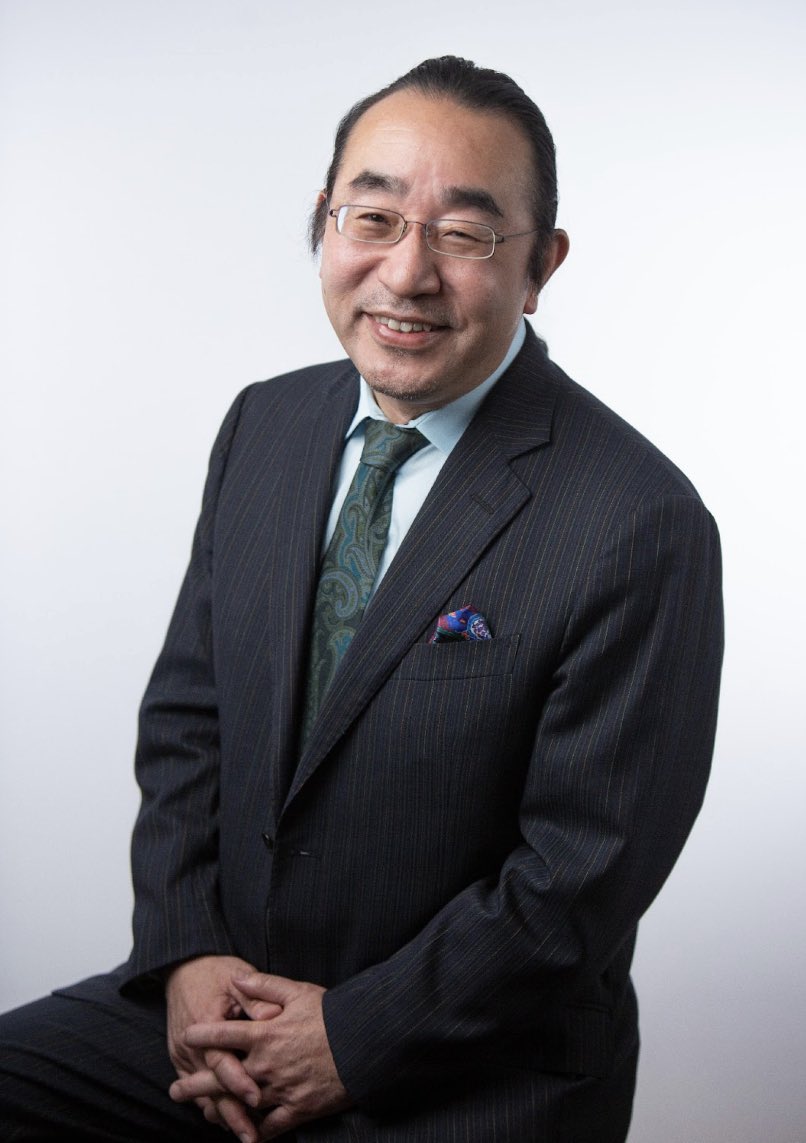
Hiroaki Suga, Wolf Prize 2023 laureate in Chemistry, developed one workaround with an RNA-based catalyst.
Read more here Suga’s discoveries:
https://t.co/gg0yfZbMMU
@UTokyo_News_en
Check out our latest work on semi-synthetic Hsp27. Non-enzymatic PTMs turn Hsp27 into a superchaperone for several client proteins... https://t.co/hk5NGjgmQd
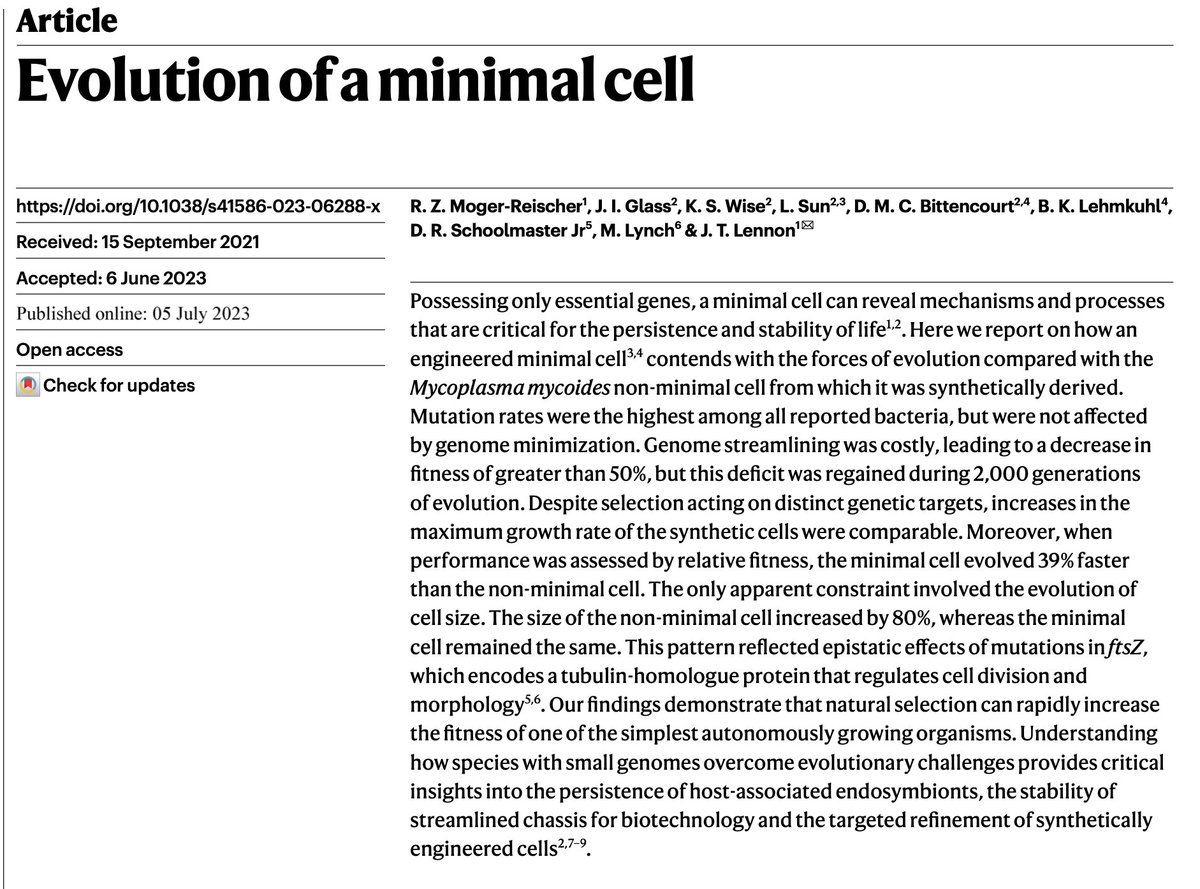
A mind-blowing paper has come out today in @Nature
In 2016, JC Venter Institute scientists trimmed a bacterial genome to its barest minimum required for life to synthesize what they called a "minimal genome" (https://t.co/Rk8oZJ0bUj).
Today, a group of scientists from Indiana University reports how that minimal genome evolved over 2000 generations in comparison to the non-minimal genome.
The authors found that even when you reduce a bacterial genome to its absolute minimum where every nucleotide matters, the genome undergoes mutational events generation after generation as much as the non-minimal genome. One simply cannot stop the evolution.
Just over 300 days of evolution (equivalent to 40,000 years in humans) the minimal cell has gained everything it lacked in fitness on day one in comparison to the non-minimal cell.
When comparing the evolved traits between the minimal and non-minimal cells, the scientists found something striking. The evolutionary process increased the cell size of non-minimal cells but not that of the minimal cell. But that is not the striking part.
The scientists were able to identify the key mutation that resulted in cell size evolution. And it turned out that the mutation that helped the non-minimal cells to grow bigger is the same that helped the minimal cells to stay smaller. Growing bigger had a survival advantage for non-minimal cells and not growing bigger had a survival advantage for minimal cells. So, the mutation had a context-dependent effect. This just demonstrates that the evolutionary effects on traits have no absolute direction. All that matter is what is beneficial for the organism's survival.
The conclusion of the paper is metaphorically a quote from the Jurassic Park movie:
“Listen, if there’s one thing the history of evolution has taught us is that life will not be contained. Life breaks free. It expands to new territories, and it crashes through barriers painfully, maybe even dangerously, but . . . life finds a way". (https://t.co/UlxRlb86CT)
https://t.co/zA9OAqSoAu
Deep learning from harmonized peptide libraries enables retention time prediction of diverse post translational modifications https://t.co/zbc2J1dGMk #bioRxiv
Nature Materials - APC fees are $11,690 (€9,750).
Wait... what? It's enough for
- paying for 5-10 conferences for my students
or
- paying for >200 hours of high-res. TEM or FIB
or
- buying two potentiostats!
How have we ended up with this situation...
#AcademicTwitter
@BeingJustHonest@Andrew_Akbashev This is an article in nature. Def not for free. Not all the article are open articles and most of them are paid by universities so their staff can read it. The problem is that the fees to publish are ridiculous. On top of that they want researchers to pay to read it. 😫🤦🏻♀️
The third DoSChem retreat of panel C just got on the way with an excellent presentation on organocatalysis & radical photochemistry by Paolo Melchiorre. Looking foward to 2 more days of great science. @MaulideLab@TBoettcher_Lab@RompelLab@BonifaziGroup
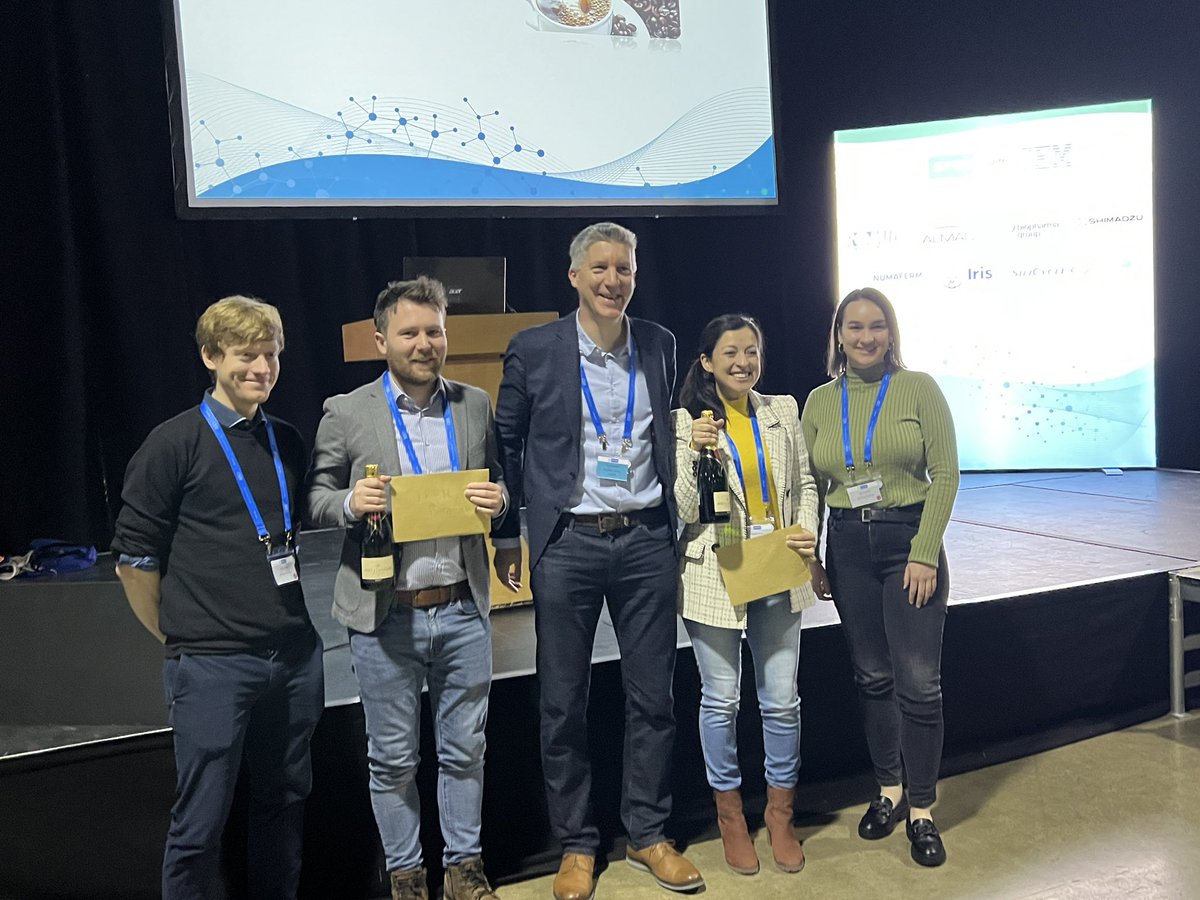
3 out of 3 poster prices at the European Peptide Synthesis Conference #EPSC2023 in Leeds @EUPeptideConf go to Vienna. Two have been awarded to Claudia and Dominik (holding the Champagne) from the IBC @univienna. Congratulations, excellent Job!
Great conference sharing peptide science at the @EUPeptideConf , topped off at the end with getting myself a poster prize 🥳 🏆 big thanks to all the organisers!
Also 2 out of 3 prizes went to our @CFWBecker lab! Great team work! 🙌🏼
N-Terminal Proline Editing for the Synthesis of Peptides with Mercaptoproline and Selenoproline: Mechanistic Insights Lead to Greater Efficiency in Proline Native Chemical Ligation (NCL). Our first @ChemRxiv preprint!
https://t.co/7E6X00gvuo
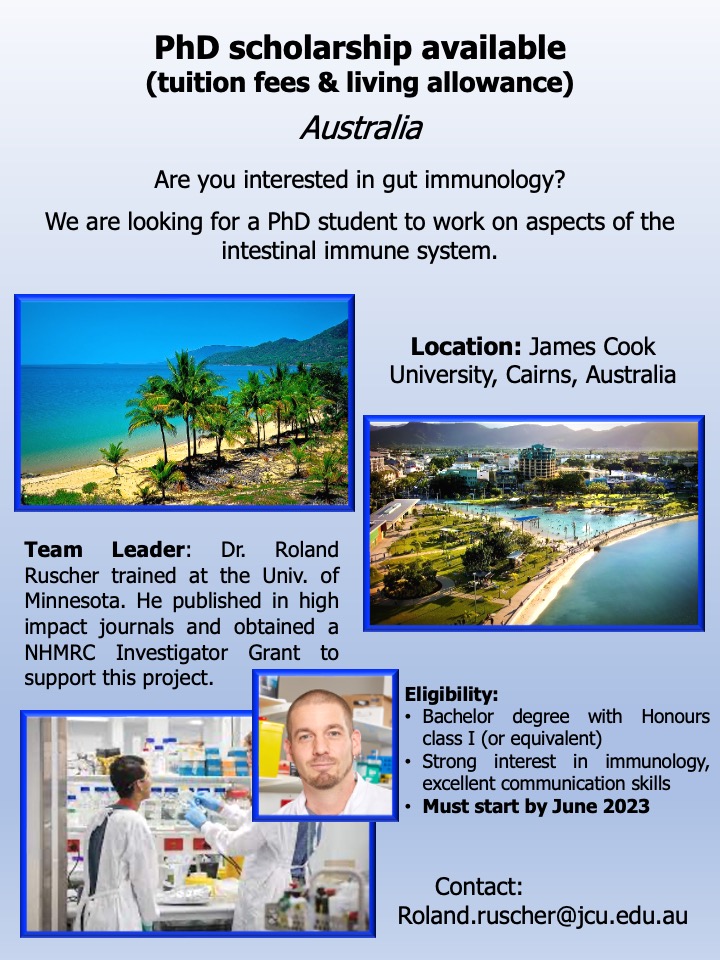
Want to do a PhD in immunology and live in paradise? Then check out this position that is available at Dr Roland Ruscher’s team @jcu in Cairns, Australia.
We are still looking for a PhD candidate. Scholarship is included! Palm trees, pristine beaches, 300+ sunny days/year, and immunology - a perfect combination, if you ask me.
A typical bacterial genome contains 4,000 genes, which encode all of the proteins needed for survival. But how do cells know just how much of each protein they need for their everyday functions? Biologist Gene-Wei Li is trying to answer that question. https://t.co/JdFrLjl193
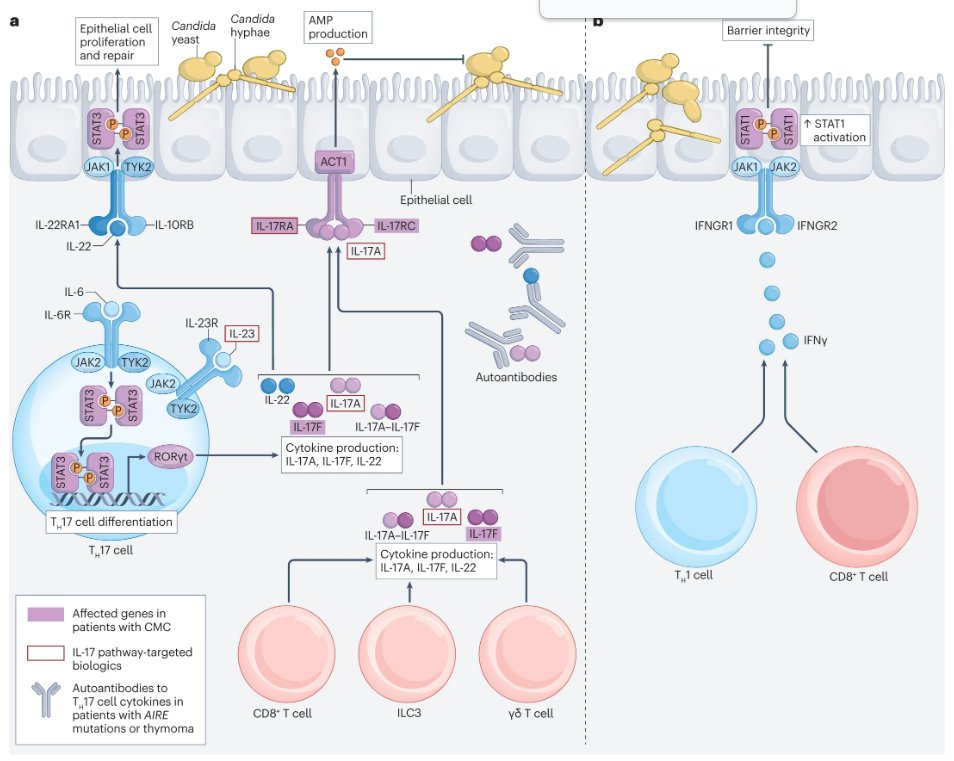
NEW Review: Immune responses to human fungal pathogens and therapeutic prospects
https://t.co/AlfPm32ugQ
by @LionakisLab@theRAD_lab@tmhohl71
synthesizes our current mechanistic understanding of tissue-specific host defences against clinically relevant fungal infections
Scientists captured a zebrafish embryo’s development over 12 hours using a specially designed microscope and a non-destructive technique called light-sheet imaging (Gif credit: Loïc A. Royer & Merlin Lange). See more amazing science images: https://t.co/bUL5ddjTVc