Oncologist, Professor, clinical/translational research, Genitourinary Cancers, bladder, prostate, testis, Univ of Washington, Fred Hutch; views are mine
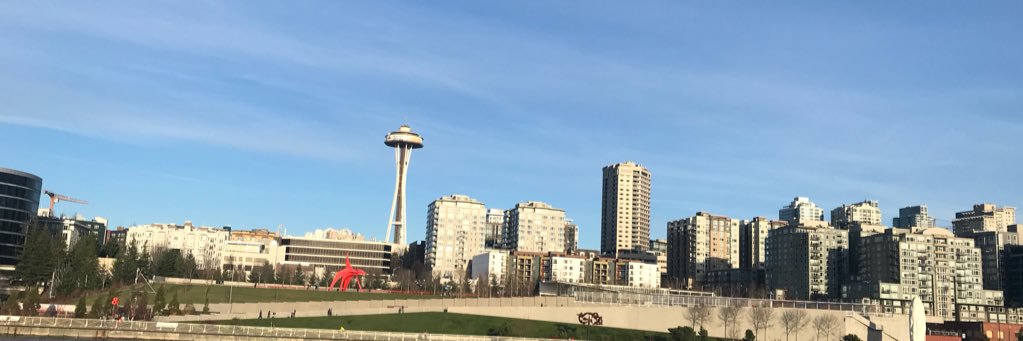
Happy 250th birthday to USA, a country attracting talent globally with huge positive impact in science, knowledge, research, humanities, technology, medicine!The progress made inspires for future advances for better health outcomes, quality of life, respect, compassion, support!
Bilim, kusursuz cevapların tarihi değildir.
Daha iyi soruların tarihidir.
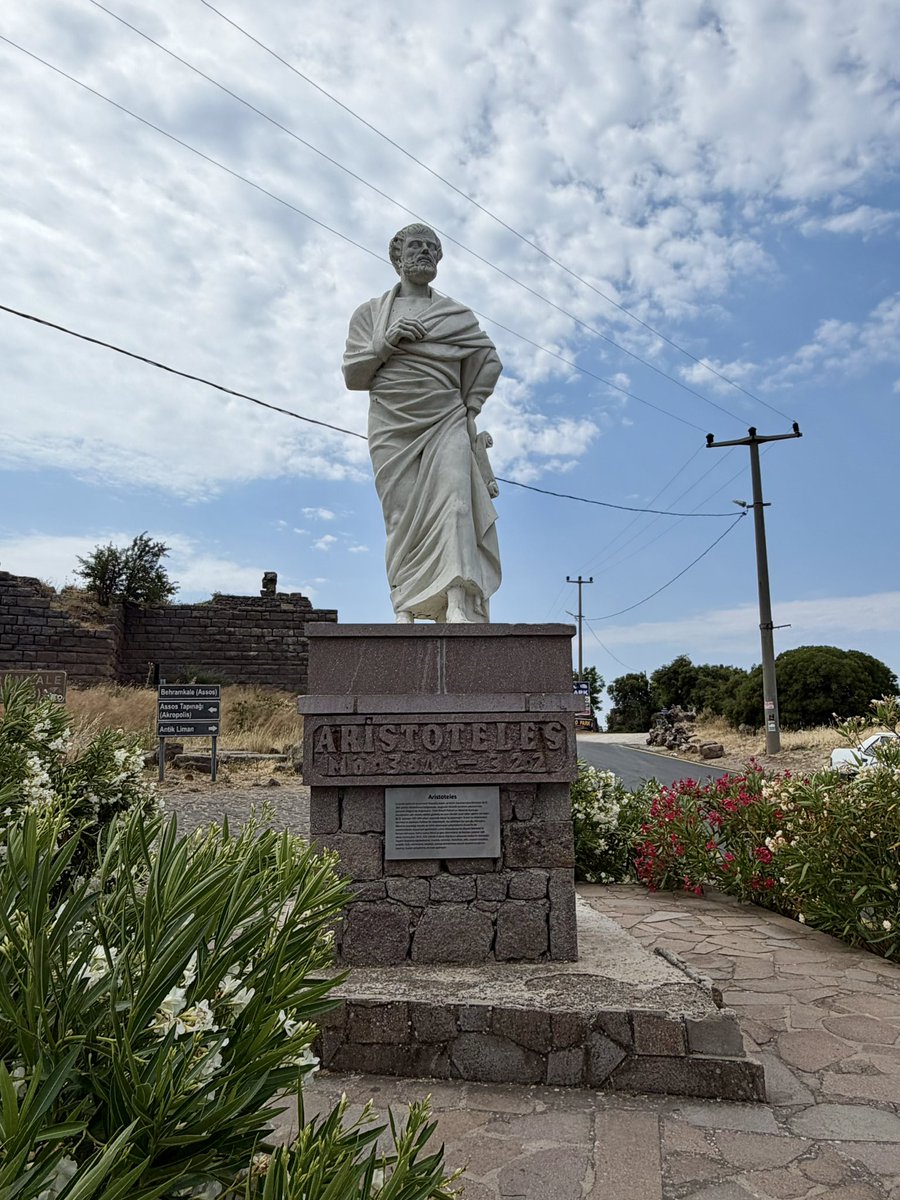
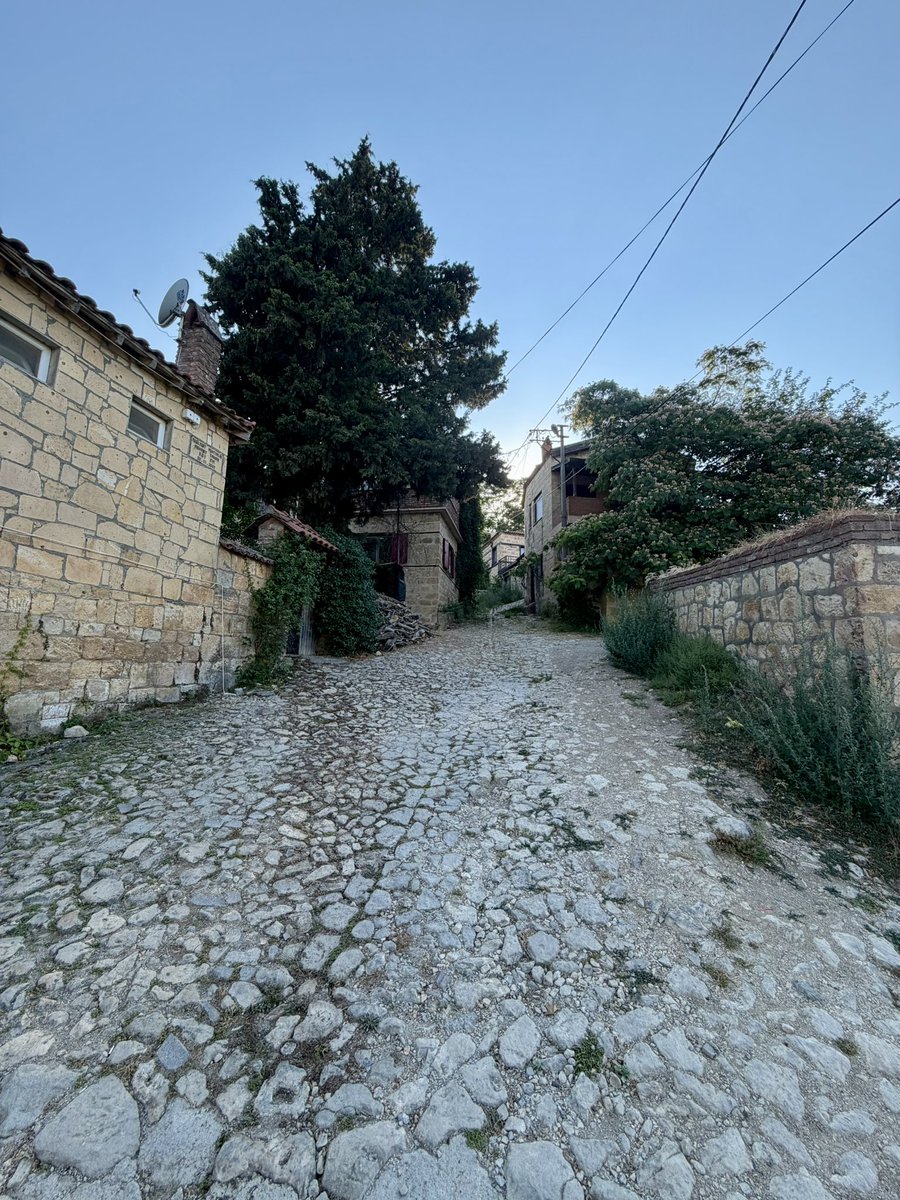
Assos’ta zaman biraz yavaşlıyor.
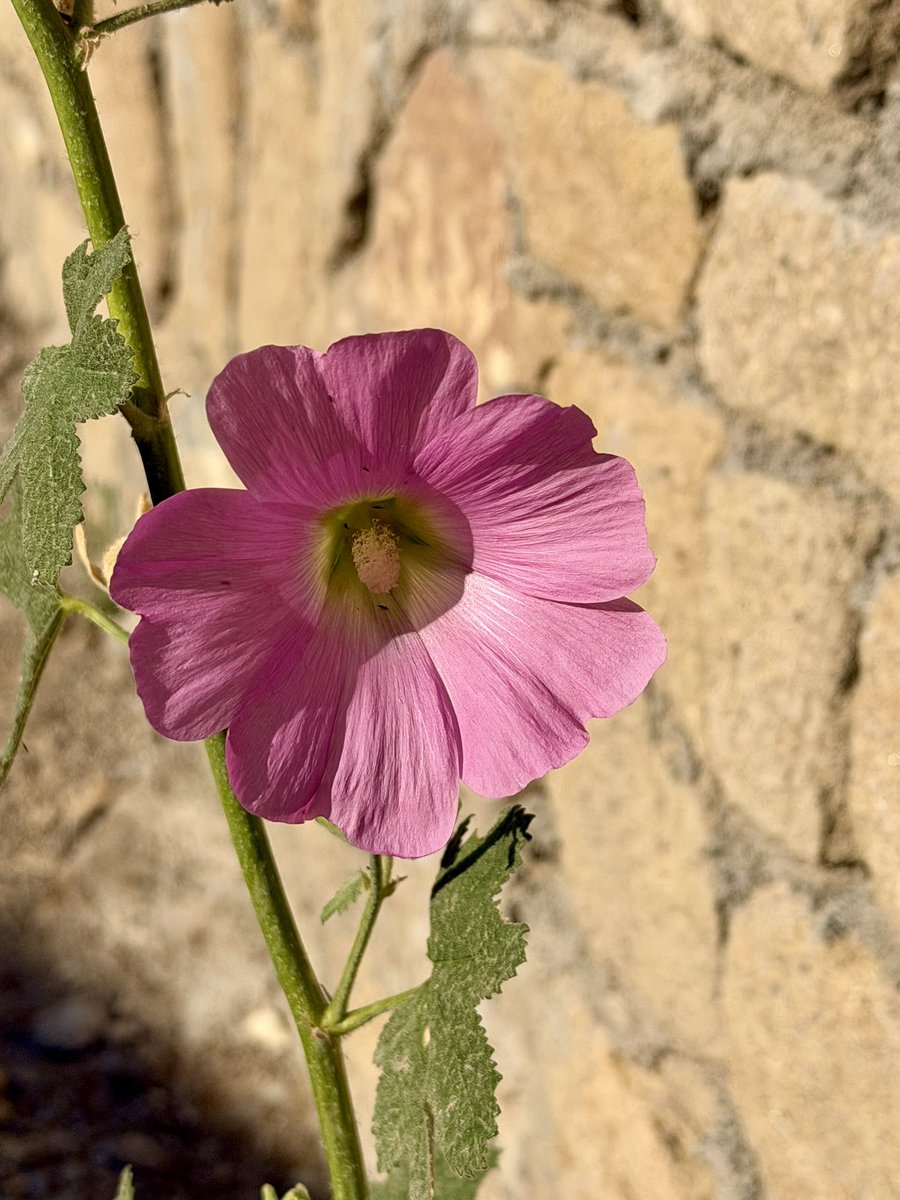
Bir çiçek, taş bir sokak, eski duvarların gölgesinde bekleyen kediler…
Ve insan ister istemez Aristoteles’i düşünüyor.
İda’nın gölgesinde, doğaya bakmanın sadece görmek olmadığını hatırlıyor insan.
Bazen bir bedeni anlamak için önce bir canlıya dikkatle bakmak gerekir.
Bir kuşa, bir balığa, bir kalbe, bir harekete, bir doğuma…
Aristoteles modern anatomiyi kuran kişi değildi.
İnsan kadavrası üzerinde bugünkü anlamda sistematik çalışmalar yapan bir anatomist de değildi.
Ama canlı bedene bakmanın yönünü değiştiren büyük zihinlerden biriydi.
Hayvanları gözledi.
Organları karşılaştırdı.
Embriyonun gelişimini düşündü.
Kalp, damarlar, hareket ve yaşamın düzeni üzerine sorular sordu.
Bedenin yalnızca parçalar toplamı olmadığını sezdi.
Her organın bir görevi, her yapının bir anlamı olabileceğini düşündü.
Elbette yanıldığı da oldu.
Kalbe fazla merkezi bir rol verdi.
Beynin önemini eksik gördü.
Bazı açıklamaları bugün modern anatomi ve fizyolojiyle uyumlu değil.
Ama bu onu küçültmez.
Bilimi büyütür.
Çünkü bilim, yanılmamak değildir.
Yanıldığını fark edince yeniden bakabilmektir.
Tıpkı bizim bugün de yanılmaya devam ettiğimiz gibi.
Tıpkı yarın, bazı kesin sandıklarımızın yeniden yazılacağı gibi.
Bir kuşak sorar.
Bir kuşak düzeltir.
Bir kuşak yeniden sorar.
Bilim kendini kutsamaz.
Kendini sınar.
Ve belki de Assos’un taşlarında saklı en güzel ders budur:
Doğaya dikkatle bak.
Yanılmaktan korkma.
Daha iyi bir soruyla yeniden başla.
Bazen en bilimsel cümle şudur:
“Tekrar bakalım.”
#assos #science #aristoteles #cat #nature
Today, I’m especially grateful to live and work in a country that continues to invest in science, cancer research and biotech innovation.
America’s commitment to discovery has helped turn bold ideas into lifesaving treatments for patients around the world.
We are fortunate to do this work here, and even more fortunate to do it alongside researchers, clinicians, entrepreneurs and patients who believe progress is possible.
Wishing everyone a safe and meaningful Independence Day. 🎆
#FourthOfJuly
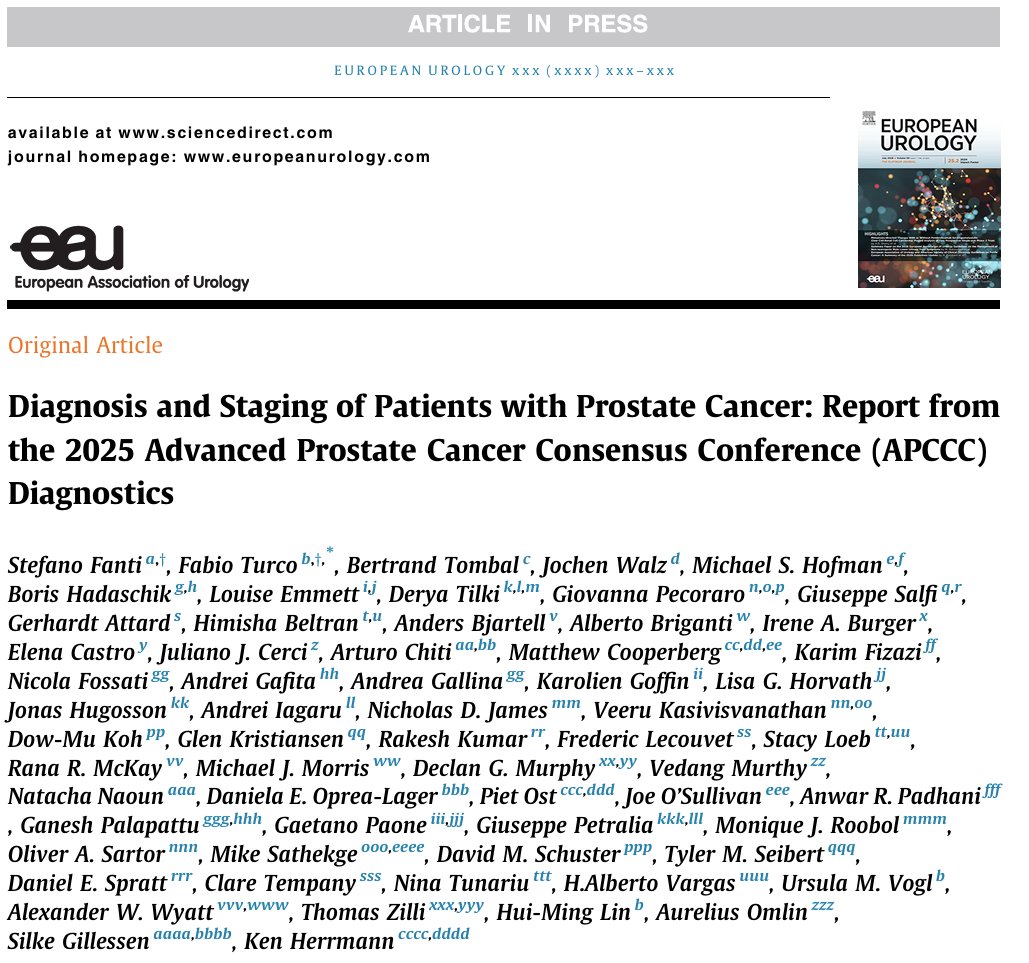
Controversial then, settled now: I remember when PSMA PET/CT was not recommended - concern of Will Roger's "Stage Migration".
Now, 95% of the international panel agreed that PSMA PET/CT should be the staging tool in high-risk prostate cancer (strong consensus), and 85% would not substitute whole-body MRI for it.
From investigational to unanimous #ProPSMA
The flip side is just as important. Zero of 18 questions on monitoring metastatic disease reached consensus. More evidence is needed.
@APCCC_Lugano Diagnostics 2025 is out in @EUplatinum:
https://t.co/fgI12Lc7uW
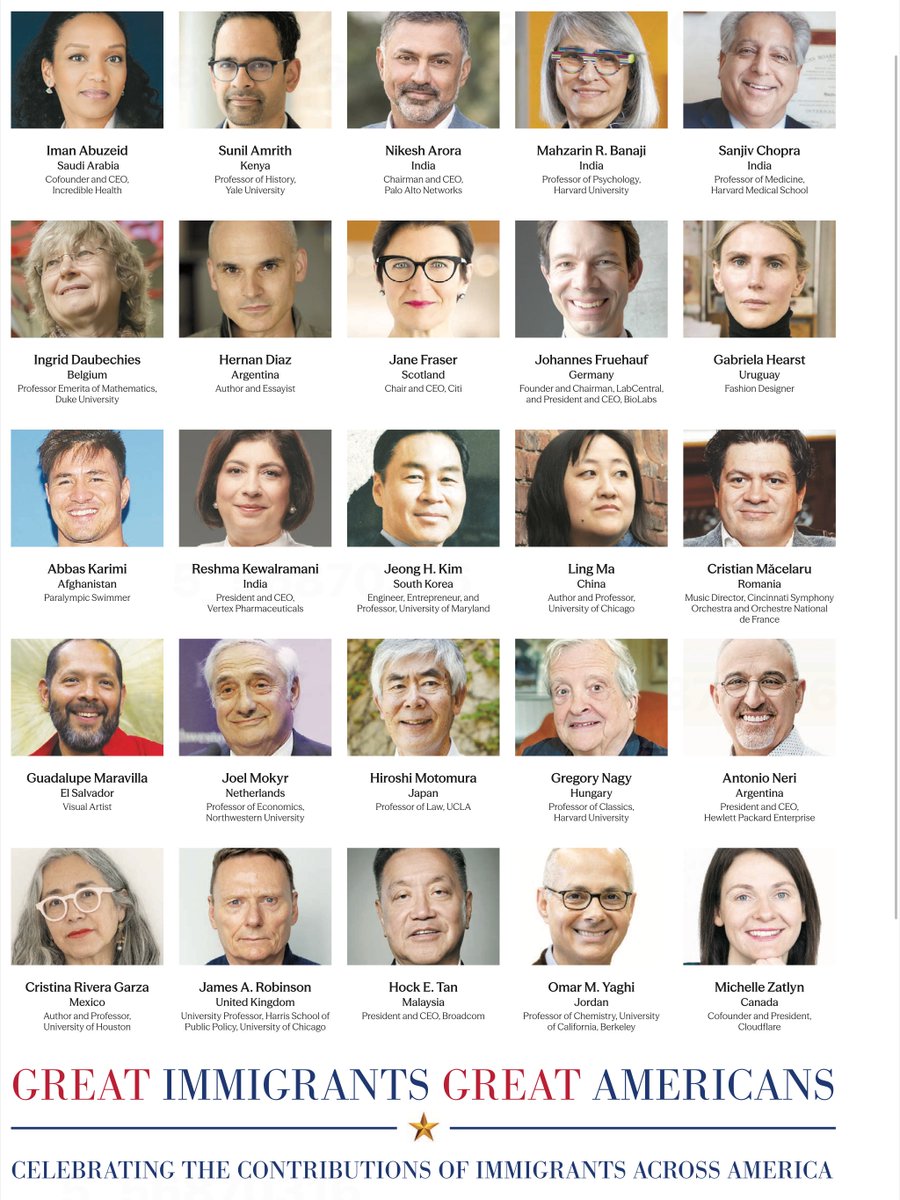
On our 250th birthday, celebrating the contribution of immigrants and international collaboration
—46% of people with doctoral-level degrees working in US science and engineering fields are foreign-born
—41% of the science and engineering research published by US authors in 2024 included international collaborators
—20% of physicians working the the USA were born and educated abroad
@ACarnegieFdn and @TheLancet
https://t.co/0e8pYHjvR5
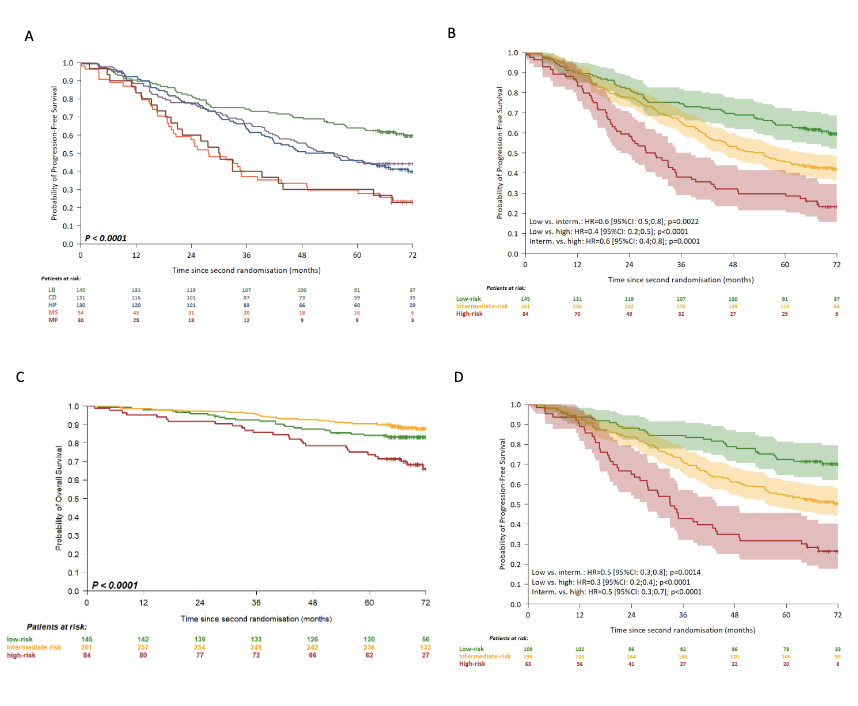
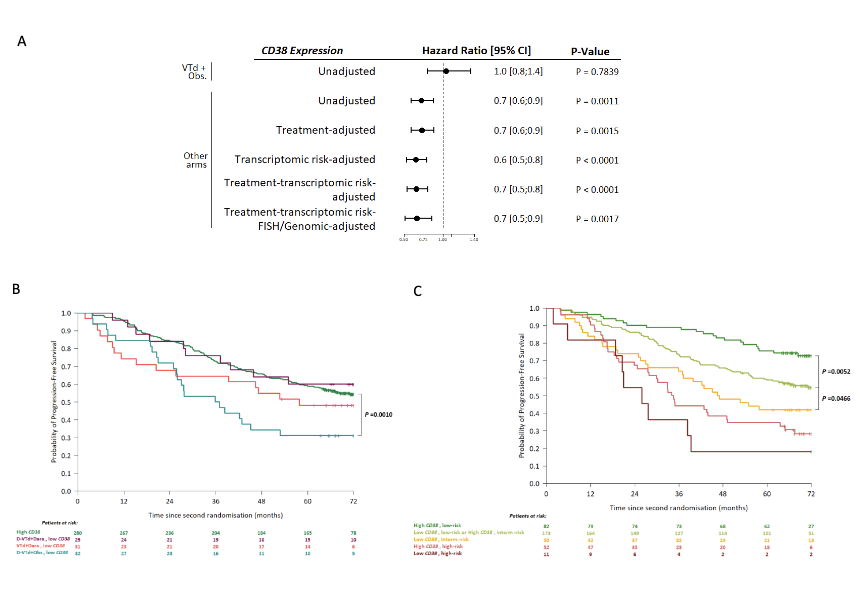
#Myeloma Paper of the Day: Transcriptomic profiling of CASSIOPEIA pts identified 5 subtypes & 3 risk categories w/ 72-month PFS rates of 70%/51%/27% & refined value of MRD by identifying high-risk pts in whom MRD was insufficient to predict outcome: https://t.co/d2NlUjUMtA. #mmsm
Excited to share our latest led by Rob Schoeneich @uihealthcare@IM_Iowa , now published in American Journal of Clinical Oncology. We present a 14-year analysis examining real-world management patterns in germline CDH1-associated hereditary diffuse gastric cancer.
In this cohort, most detected lesions were early-stage and node-negative, and delayed gastrectomy in selected patients did not appear to compromise pathologic outcomes. At the same time, progression to invasive disease during surveillance highlights the importance of structured endoscopic protocols and individualized decision-making. These data support the adoption of personalized decision making in patients with CDH1-associated gastric cancer.
🔗 https://t.co/finQuVdfs7 (non-paywalled link)
@IHC_guy@ChandrikhaC@RPatel20166@TheGutOncLab
In our recent publication in @JACCJournals, we describe a single-center case series of Triple M overlap syndrome (TMOS) from @SylvesterCancer following ICI - a rare but life-threatening combination of myocarditis, myositis, and myasthenia gravis.
Our series, led by Dr. Maria Osorio from @umiamimedicine, highlights the rapid onset, high morbidity, frequent cardiac conduction abnormalities, and the need for early recognition and prompt escalation beyond corticosteroids.
@Chatzizisis@mbilusic@sitcancer@SylvesterCancer@UMiamiHealth
https://t.co/Ix47xr6xIl
Lutetium-177 DOTATOC vs. everolimus (COMPETE Trial) in @TheLancet
Another HUGE win for #Theranostics.
First site activated globally was @PeterMacCC in Dec 2016. Congrats Prof Michael Michael & A/Prof Grace Kong and the NETS team... a decade in the making!
Progression-free survival longer with Lu-177: 24 vs. 14 months, with much LESS side effects.
Objective response rate: 22% vs. 4%
Patient reported quality-of-life: +1 vs. -10 (global health status)
All endpoints favour Lutetium-177.
🚨 Potential new chemotherapy-free standard for relapsed/refractory DLBCL?
Topline results from the Phase 3 EPCORE DLBCL-4 trial are impressive. The combination of epcoritamab + lenalidomide significantly improved progression-free survival compared with R-GemOx in patients with relapsed/refractory DLBCL after at least one prior line of therapy.
🔹 60% reduction in the risk of disease progression or death (HR 0.40, P<0.0001)
🔹 Safety profile was consistent with what has been previously reported for each agent
🔹 A completely chemotherapy-free regimen with the potential to reshape treatment after first relapse
This is particularly relevant for patients who have relapsed after frontline therapy but are not candidates for autologous stem cell transplant or CAR T-cell therapy, a group with significant unmet need.
While these are topline results and we'll need the full dataset—including response rates, duration of response, overall survival, and toxicity details—the findings represent another important step forward for CD20×CD3 bispecific antibodies in aggressive lymphoma.
Looking forward to seeing the complete data presented at an upcoming scientific meeting.
#DLBCL #Lymphoma #BispecificAntibodies #Epcoritamab #Hematology #Oncology #CancerResearch #ASH26
https://t.co/rcYcpRxmDk
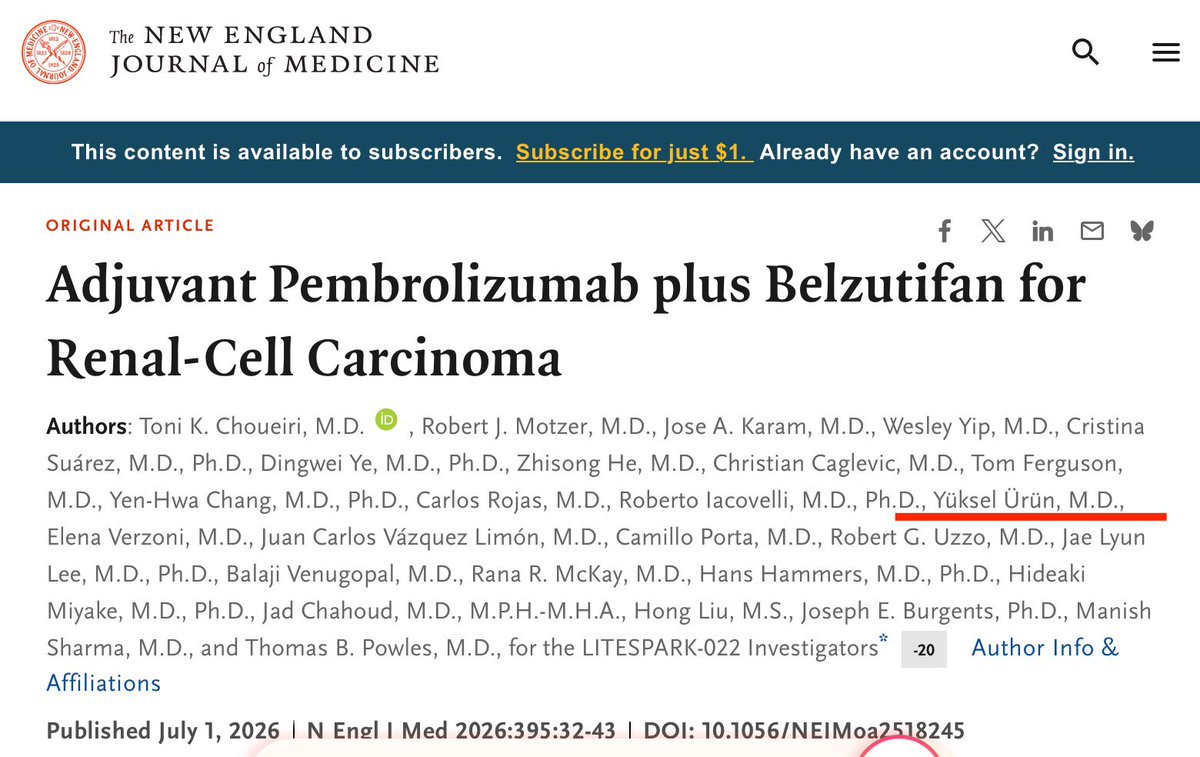
Böbrek kanserinde ameliyat sonrası dönem, tedavinin en hassas aşamalarından biridir.
Özellikle hastalığın geri gelme riski yüksek olan hastalarda, ek tedavi seçenekleri dikkatle değerlendirilmelidir.
Yeni yayımlanan LITESPARK-022 çalışması, pembrolizumab adlı immünoterapiye belzutifan eklenmesinin bazı hastalarda hastalığın geri gelmeden geçen süreyi uzatabileceğini gösterdi.
Ankara Üniversitesi olarak bu önemli çalışmada yer almaktan büyük mutluluk duyuyoruz.
Çalışmanın baş araştırıcısı, Harvard’daki hocam ve mentörüm @DrChoueiri ile birlikte araştırıcı olarak yer almak benim için ayrıca çok değerliydi.
Tüm çalışma ekibimize ve bilime güvenerek katkı sunan hastalarımıza gönülden teşekkür ederiz.
Genel sağkalım sonuçları henüz olgun değil.
Bu nedenle tedavi kararı, her hastanın riskleri, genel durumu ve beklentileri dikkate alınarak verilmelidir.@NEJM@OncoAlert@AnkaraUni@DanaFarber@necdetunuvar@KidneyCancer@kidneycan@IKCCorg
Timing is everything - check out this @ASCO Daily News podcast which features @matteolambe discussing the timing of #BRCA testing in patients with #breastcancer!