@jpsenescence@Muller_Lab So a retrospective grant like intramural researchers? I think that's probably a broadly good move away from the current cynical propose-what-you've-already-done grant system and moves away from huge grants for big centers with relatively low ROI.
@APach73447036 @MaartenvSmeden Exactly - it seems like there's always a happy medium between two extremes and at any given moment you must find it yourself. It's reassuring that this sense of "no clear path forward" is universal.
Here’s a 5 hour time lapse of mitochondria, images acquired 6 frames per minute, playback 600x speed. Not corrected for photobleaching, actually collected 24 hrs, and could have kept imaging :)
@NathanShaner
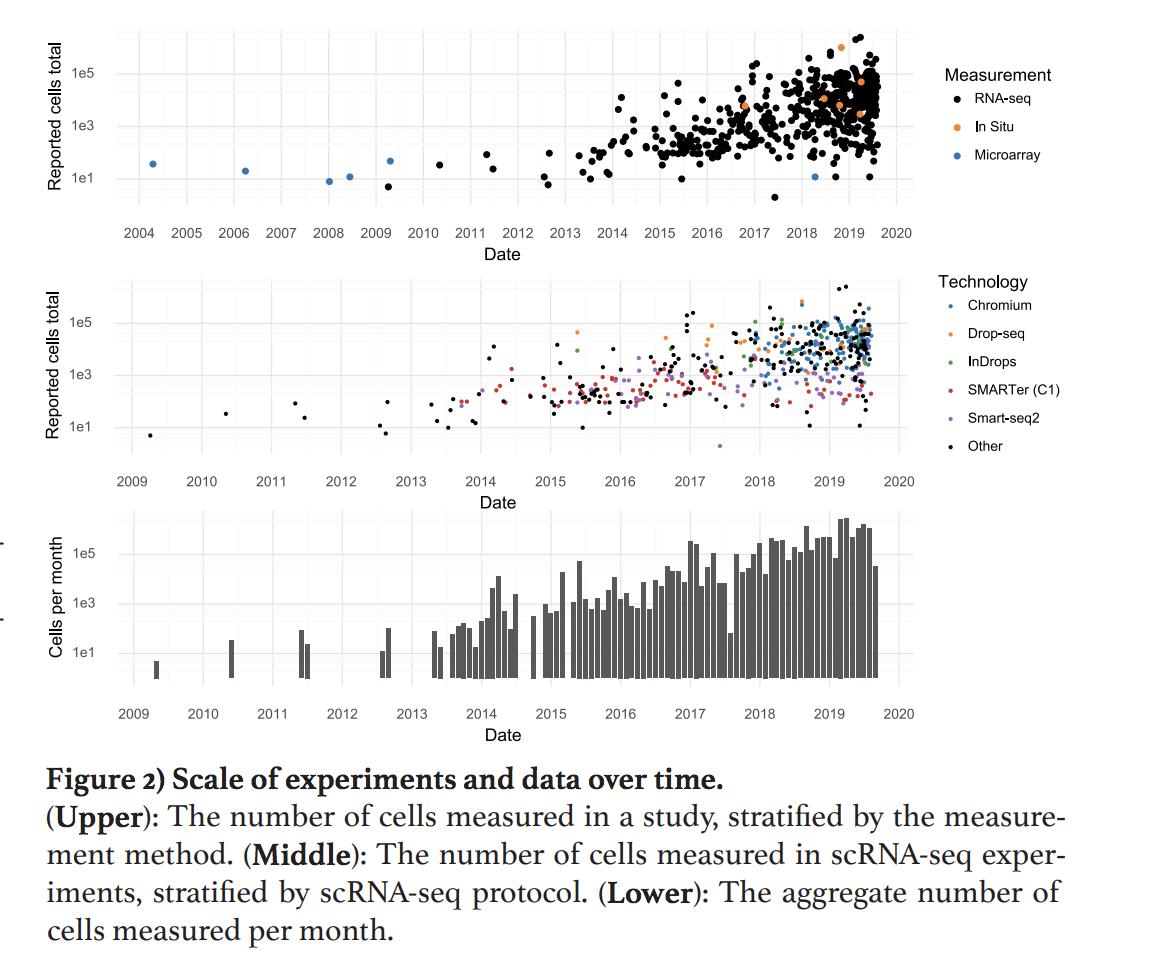
Database of scRNA-seq studies, complete with info like # of cells, organism, sample type, and much more.
blog: https://t.co/QpRfd3pEVm
database: https://t.co/sxEnJqXt44
bioRxiv: https://t.co/sXkh6j9kyx
Many thanks to @vallens and Eduardo da Veiga Beltrame for this resource!
@TimMillerHorror @yusuf_VI @Orvieto2016@WajahatAli RT and Sputnik love her
She met secretly with Bashar al-Assad
Support for her seems to start with bots in Vladivostok
It's sort of like with Trump: Manafort, the Flynn-Kislyak meeting and his attitude towards sanctions all come across as suspiciously friendly to Russia
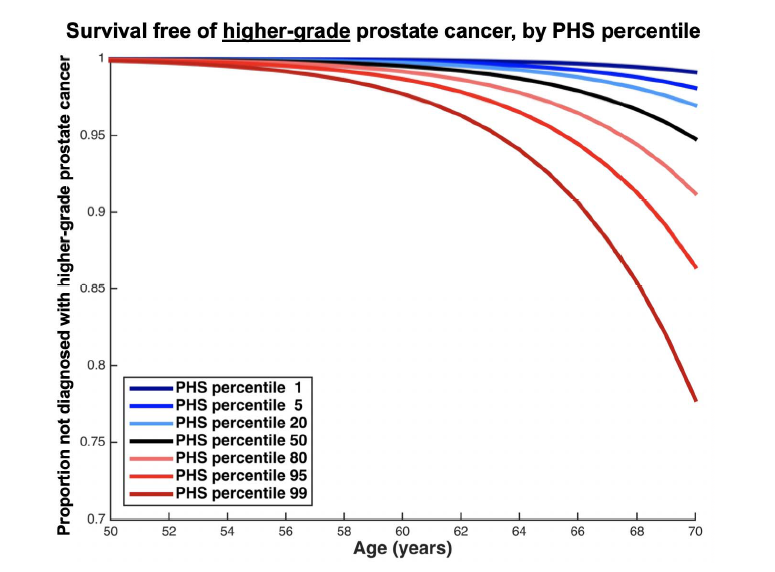
A polygenic risk score may inform prostate cancer strategies with
individualized estimates of risk-equivalent age for higher-grade prostate cancer.
Promising evaluation using population-based health impact data. Via @biorxiv_genetic https://t.co/bkXgyQMT7Y
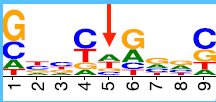
Li, Costa and co compare biases in DNase-seq and ATAC-seq data, then use the ATAC-seq bias info to improve footprinting results for predicting TF binding sites
https://t.co/b3TkEozSt8