China is now a top-10 global innovator and spends over $500bn a year on R&D.
So much for “autocracies can’t innovate.”
How did we get this so wrong? Autocracy 2.0.
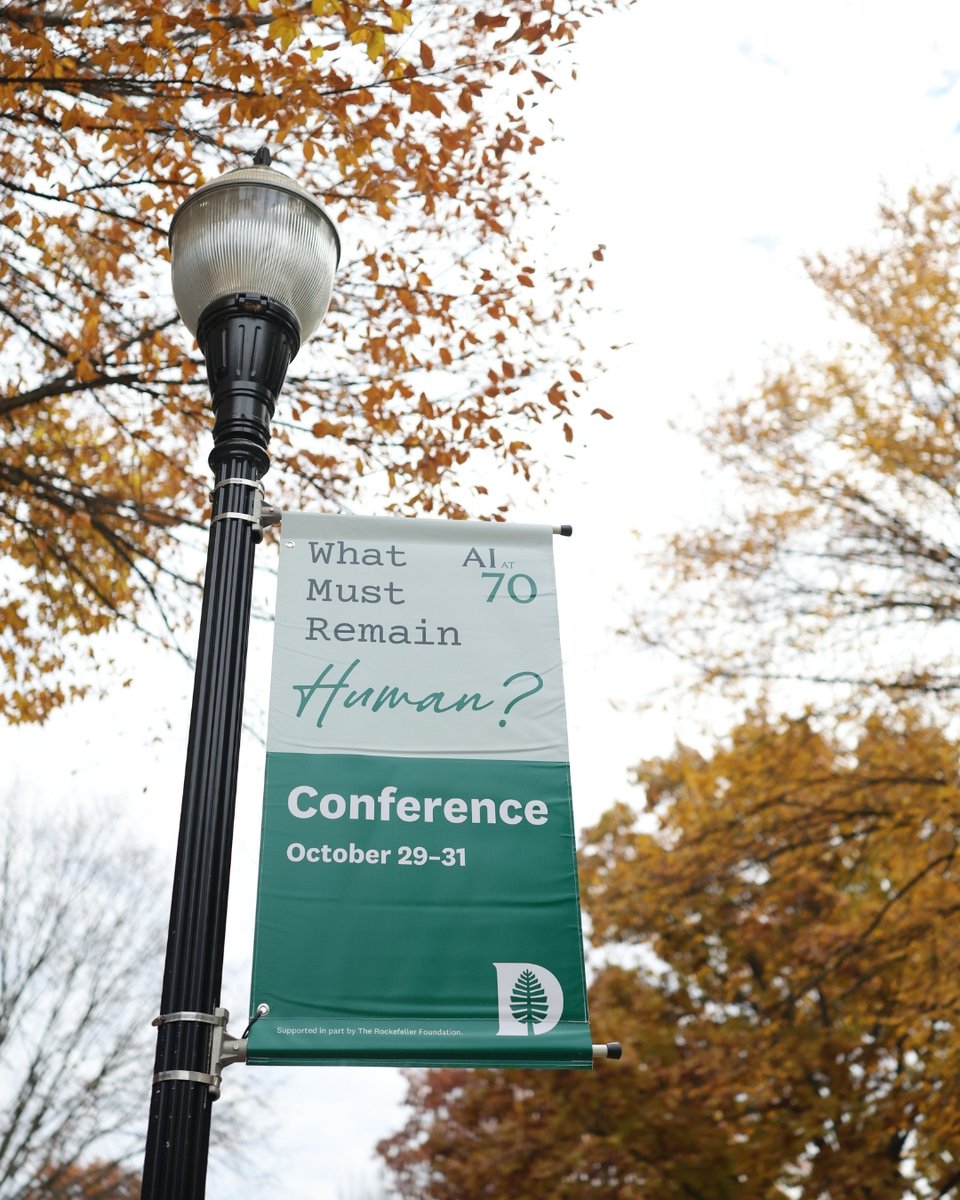
Today, we'll tackle some of the toughest questions as we kick off our “AI at 70: What Must Remain Human?” Conference. We invite you to join us. All sessions will be livestreamed, free, and open to the public: https://t.co/OawTqVyzYQ
Are you worried about the lost art of diplomacy? Read @JyShapiro's terrific Blue Blaze essay on the declining centrality of foreign ministries - but why diplomacy is more valued than ever. https://t.co/utHSZufr9C
Looking forward to welcoming @Ali_Wyne to @dartmouth today and joining forces for a talk on "Integrating China into the Rules-Based International Order." Join us: in person or livestream. https://t.co/D6KkRDCAu8
smart thread by Ryan on changing US views of China: the start of a great conversation about its causes. Other factors perhaps: increased value of stable ties with China (esp climate, Russia) & a notable shift in US views about going to war w China over Taiwan
1/ Polling by different organizations captures a shift in America's national mood toward China. The shift toward a more positive view of China is bipartisan and most pronounced among younger Americans. But why? (🧵)
https://t.co/Ur11RTydKg
@zhanglei1936660@ChathamHouse@CH_Americas Thanks for reading. For decades the conventional wisdom in the US and other liberal countries was that autocracies could not innovate. This is precisely what my research (my book Autocracy 2.0) argued against.
The US and China both face serious domestic strains. As Trump and Xi meet this week to discuss trade, AI and Taiwan, neither side should mistake the other’s weaknesses for strategic decline, writes @profLind (@CH_Americas)
https://t.co/zZ5Hov7gid
Dysfunction is not decline.
China and the US each have profound weaknessees, but also significant power. See my essay on why Trump and Xi shouldn't underestimate each other, @ChathamHouse
https://t.co/VxQ6rUQt5I
A real debate over the future of national security policy is underway in the United States.
At Blue Blaze, Daryl Press and I lay it out and explore its implications for America's policy in Europe. https://t.co/jrPefh8ijT
“A security strategy based on a bluff will feel like a bargain until the moment it is challenged,” write @profLind and Daryl Press. “It is better to bolster deterrence today before a military crisis erupts.”
https://t.co/z0CgbJJa9K
Did an interesting interview with Jen Lind on her Blue Blaze foreign policy substack wondering if IR theory is better than useless and maybe there's more to Trump than randomness. Enjoy, if that's your bag: https://t.co/8DkJ8VE3TU
Opportunity: My three recent articles in Foreign Policy magazine dealing with the US and world order are open access this week:
"The World-Minus-One Moment,” January 2026, (Cover Story) https://t.co/oMUTIdl1eP
“Trump Is Shattering the Illusion of the West,” June 12, 2026, https://t.co/QvKRkRnQzh
“Pharaohs, Maharajas, and the Making of a Multipolar World: Examples from non-Western history offer more promising precedents for the end of U.S. hegemony,” July 25, 2025, https://t.co/FiZX2iwIBz
"Leadership isn't about hoarding technology, it's about building the ecosystem the rest of the world chooses to join."
Missed our event? Check it out here!
Keeping American AI Competitive in the Face of Chinese Competition
Moderator: Our @neil_chilson@peteryared – CEO, @incountry@profLind – Professor, @dartmouth@CarlMeacham – Head of Sovereign AI, @get_hydrahost
Full event link in next tweet.
"What does good look like? ... Countries across Latin America, the Middle East, Europe, Africa, and Asia, building sovereign AI capacity, but with American technology. That's what good looks like. Local ownership, trusted infrastructure, and hardware, and their governance, right? But with American technology"
The nuclear umbrella was a smart, audacious strategy built for the unique stakes of the Cold War. That era is over. The U.S. should refashion deterrence for the world as it is—not as it was. Full piece in @ForeignAffairs: https://t.co/y0LAiR7rXd
New @ForeignAffairs w Daryl Press: The US nuclear umbrella has become a dangerous bluff. The Cold War's global stakes made "trade Boston for Bonn" (barely) credible. Today's regional wars + "America First" don't. Time to help allies strengthen deterrence. https://t.co/y0LAiR7rXd
Of course Washington would prefer the status quo to any nuc proliferation. But a) ultimately it's the allies' decision about their core security needs; and b) on the other side of the ledger is an increased risk of nuclear war.