Oncologist/breast cancer researcher DCU/UCD/St. Vincent's, former senator, Member RIA ,TRIO &Academia Europaea, Clogged by Paolo Rossi Dalymount 1985 Podcaster
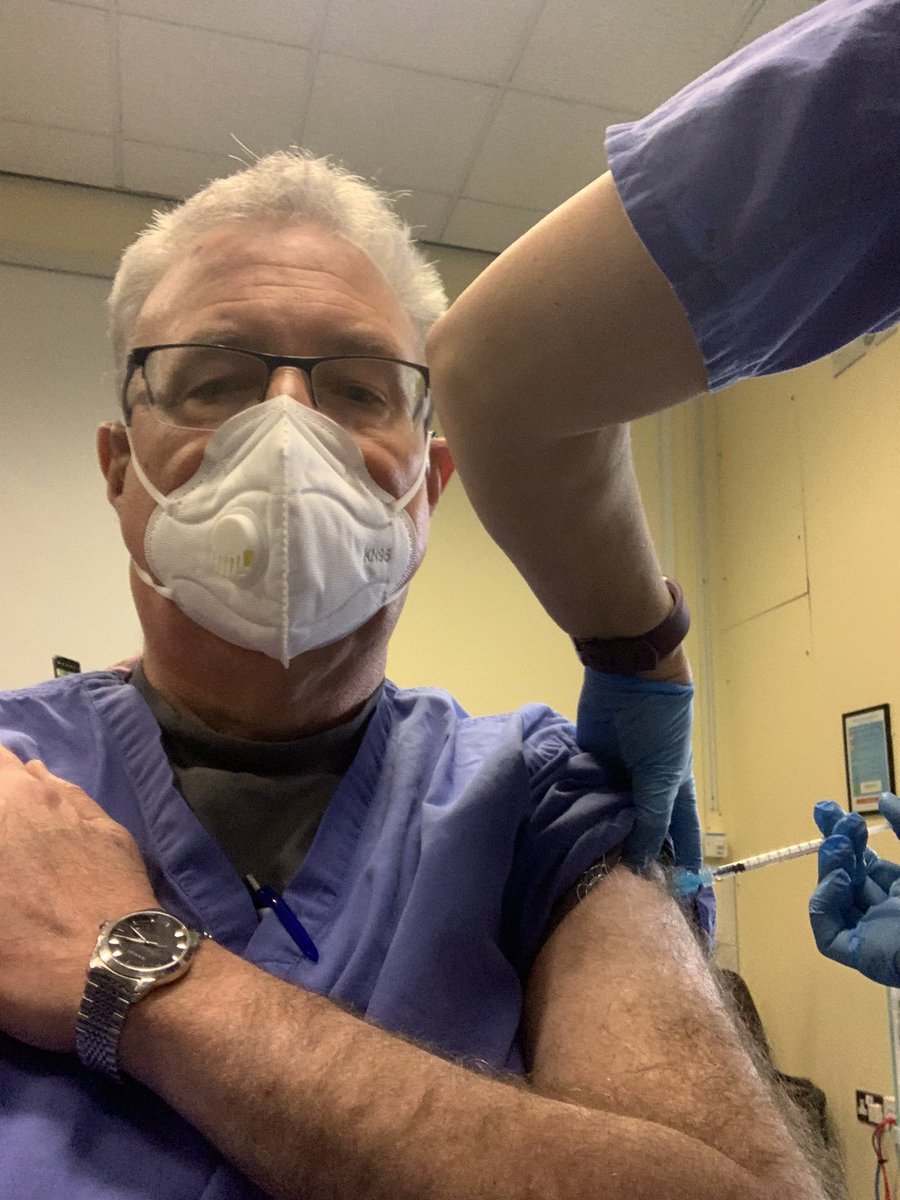
Can’t help but think of all the brave nurses, care assistants, doctors, cleaners, catering staff and other health workers who went in harms way and died of COVID over the last year before this lifeline was available. Thank you heroes. The fightback has begun!!
A very good point.
In Ireland, insurers do not reimburse any oral anti-cancer therapies, regardless of insurance status.
Oral anti-cancer drugs are publicly funded for everyone.
Again, a useful test case.
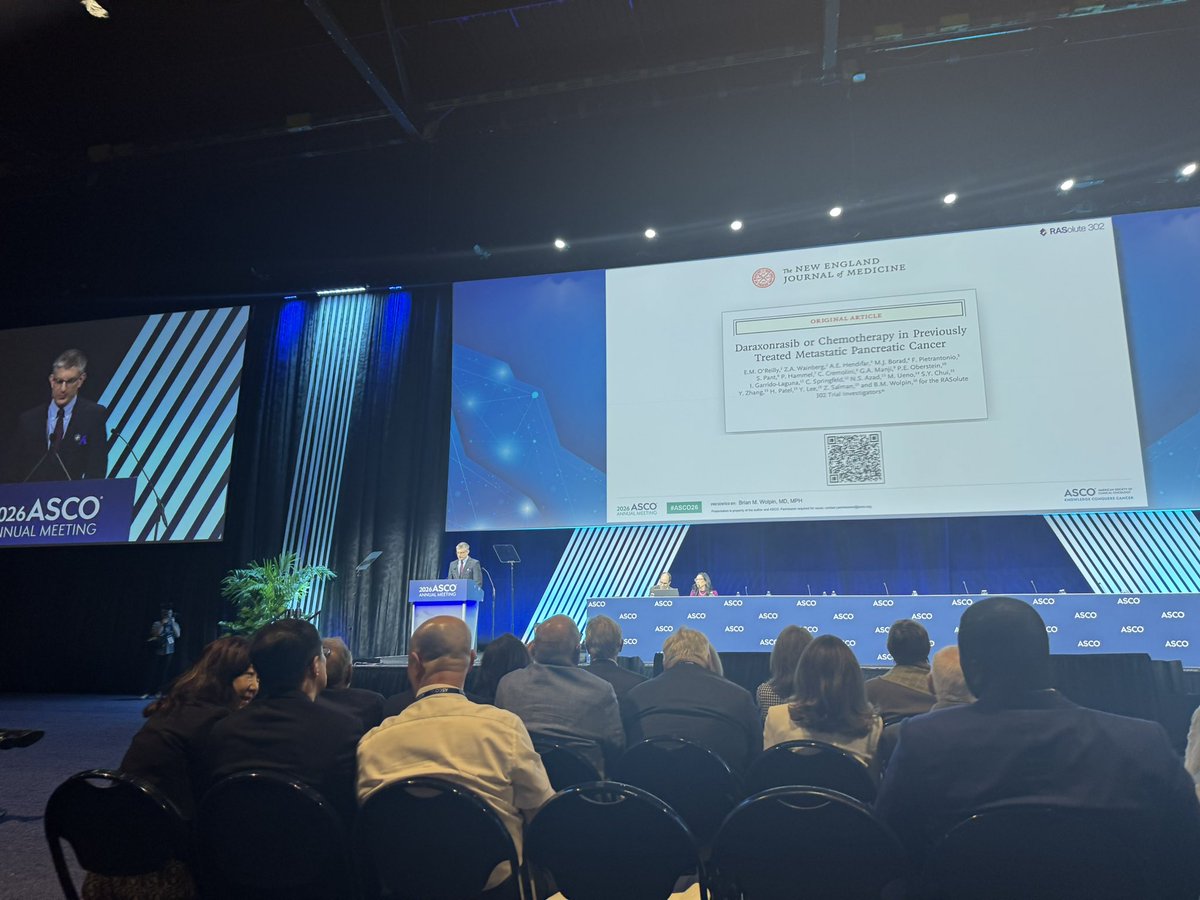
Thrilled and honored on behalf of the whole team, patients, scientific community and more- congratulations and good luck to @BrianWolpin this afternoon @MSKCancerCenter@DanaFarber@RevMedicines - next step is translate to practice!
New findings presented at #ASCO26 suggest a new approach could help slow the growth of intermediate-stage liver cancer.
An international phase 3 clinical trial led by MSK's Dr. Ghassan K. Abou-Alfa (@GABOUALFA) found that adding dual immunotherapy to TACE significantly increased progression-free survival for people with hepatocellular carcinoma (HCC).
“By combining dual immunotherapy with TACE, we give patients a better chance of living longer while preserving a healthy, working liver.”
Learn more: https://t.co/iJZVsoaIS0
⚠️ New findings presented in the plenary session at #ASCO26 suggest daraxonrasib could help usher in a new era of treatment for metastatic pancreatic cancer.
In a phase 3 study led by @EileenMOReilly and colleagues, patients receiving #daraxonrasib lived a median of 13.2 months compared with 6.7 months for those treated with chemotherapy.
"To date in my career, I have not seen this level of benefit from any single anti-cancer drug in this disease."
Learn more: https://t.co/1Lt18DdKMt
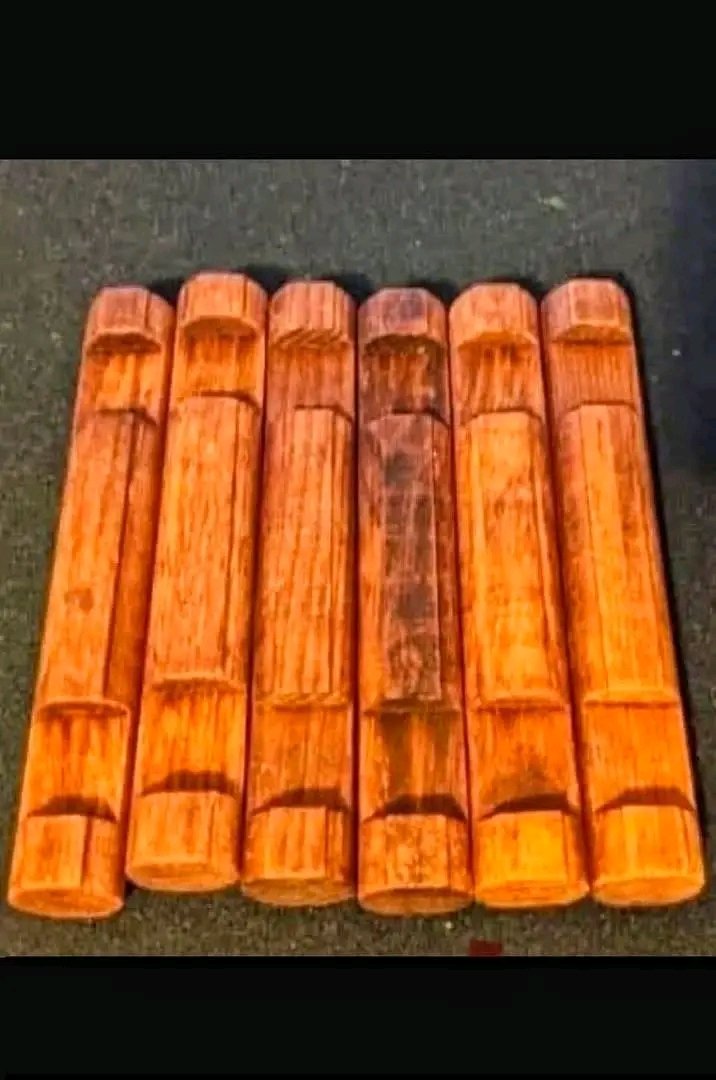
Despite widespread efforts online, no one has been able to identify what these are. I’m completely stumped — and it seems like most others are too.
Does anyone else remember these from childhood?
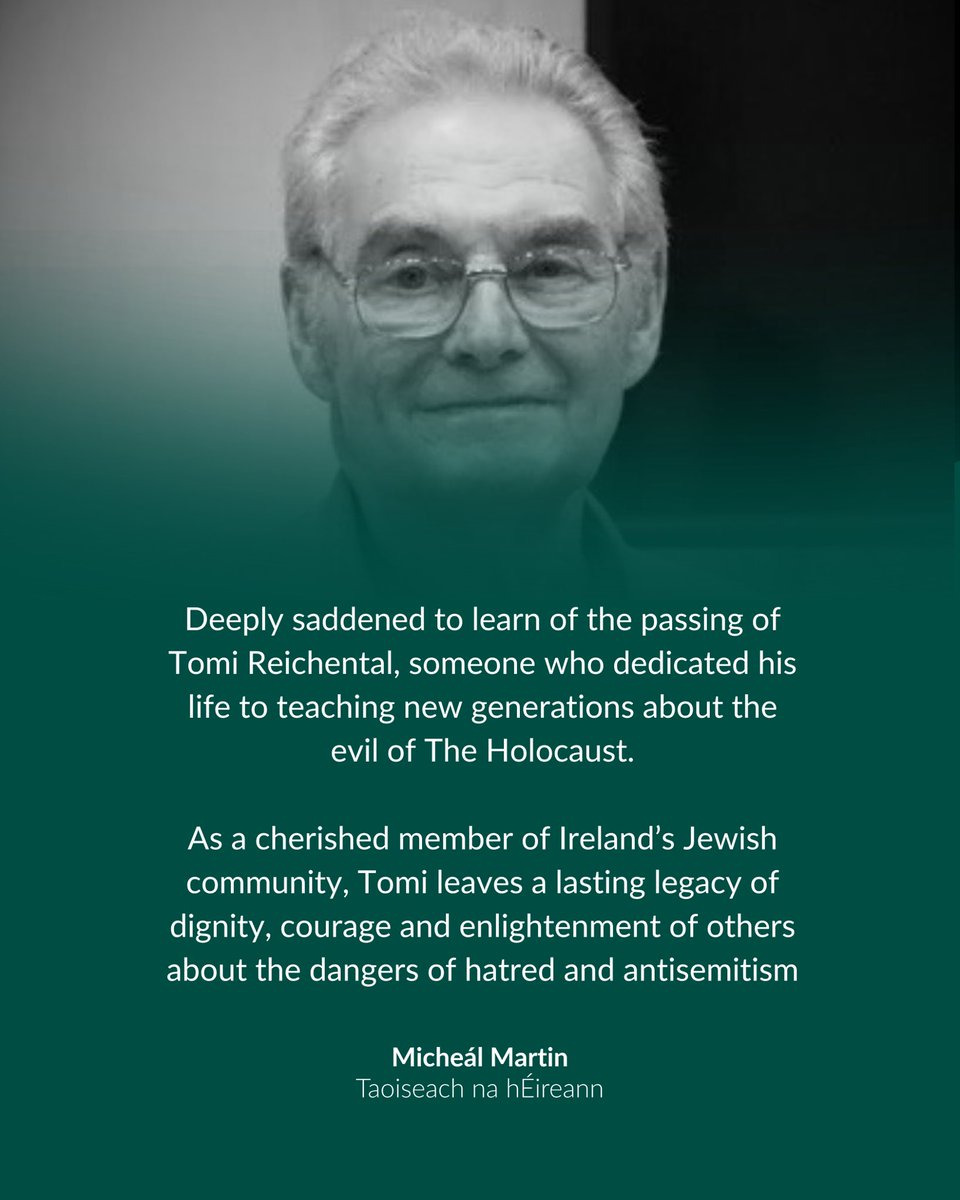
Deeply saddened to learn of the passing of Tomi Reichental, someone who dedicated his life to teaching new generations about the evil of The Holocaust.
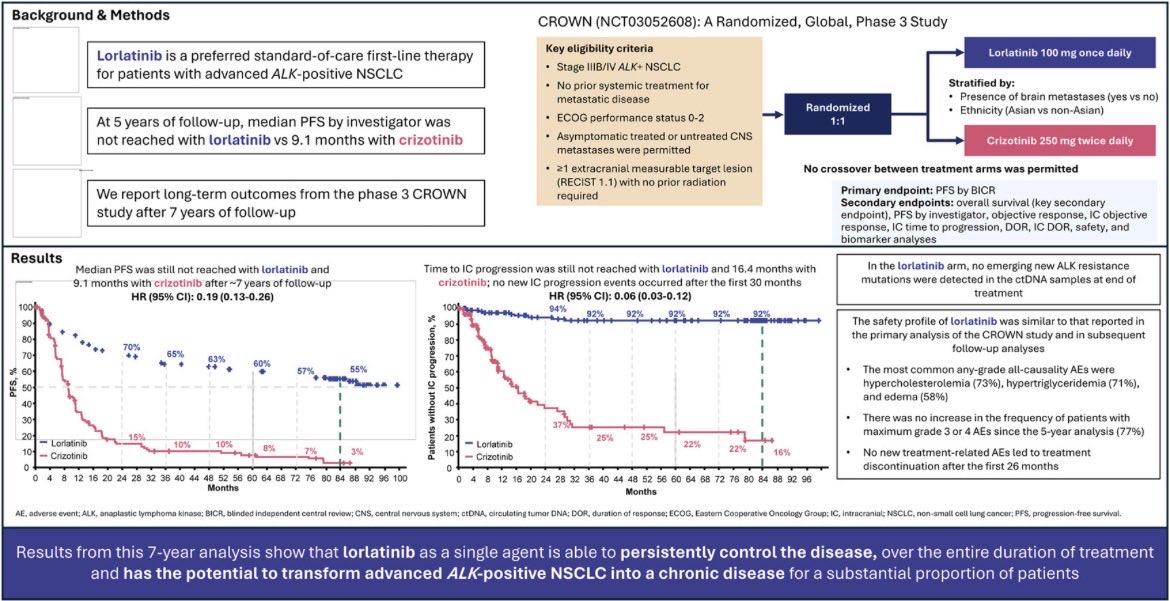
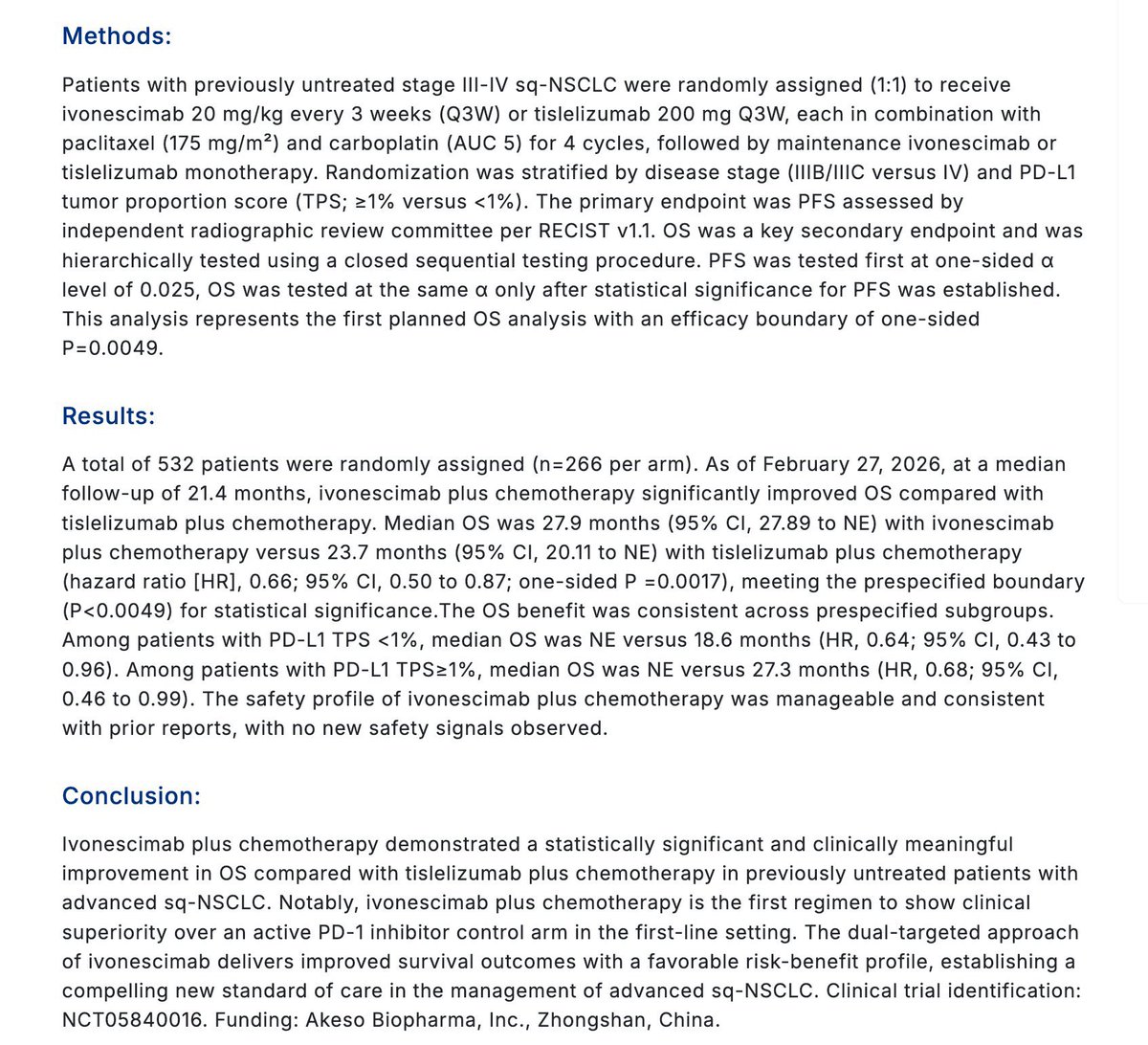
Impressive results from the phase 3 Harmoni 6 trial of chemotherapy plus ivonescimab or anti-PD1 for advanced squamous lung cancer. HR for overall survival 0.66. May lead to approval in EU, results of Harmoni 3 awaited! #lcsm
Very exciting news for our patients with EGFR Exon 20 insertion Mut, game changer! Great to have options!
Very proud to see our own Dr Regan Memmott being a co-author of this important publication at @NEJM and representing @OhioStateMedOnc@OSUCCC_James#ASCO26@EGFRSummit
Admiral Cunningham RN hero of WWII was born in Dublin. Father was prof of anatomy in Trinity. Cunningham’s Atlas of Anatomy was still in use when I was a medical student in 1974!
In a single afternoon on May 22, 1941, the Royal Navy lost two cruisers and a destroyer off the coast of Crete to German dive bombers. The fleet commander was urged to withdraw what was left.
His reply has been quoted ever since, but the situation that produced it is less well known. By the morning of the 22nd, the German airborne invasion of Crete was four days old and on the brink of failure. Of the seven thousand paratroopers Kurt Student had dropped on the first day, roughly half were already dead. The Germans had taken huge losses trying to capture Maleme airfield in the west of the island. Without an airfield, no reinforcements could land. Without reinforcements, the invasion would collapse.
What the Germans needed was a seaborne convoy of mountain troops, heavy weapons, and ammunition. Two such convoys were assembled in Greek ports and put to sea under Italian destroyer escort, hoping to slip across the Aegean to Crete.
The Royal Navy intercepted the first convoy on the night of May 21. In a confused action in the dark, British cruisers and destroyers tore through a fleet of small Greek caïques crammed with German soldiers. Roughly three hundred Germans drowned. The convoy was destroyed.
But by morning the Royal Navy was south of Crete in clear daylight, within range of the Luftwaffe's Fliegerkorps VIII, the most experienced and lethal dive-bomber force in the world. And the British ships were running low on anti-aircraft ammunition because they had spent most of it sinking the convoy.
The Stukas came in waves. The cruiser Gloucester took two direct hits and capsized, taking 722 men with her. The cruiser Fiji was hit by a single bomb that ruptured her hull. She sank slowly, with most of her crew getting off, but 241 men were lost. The destroyer Greyhound was bombed and went down in fifteen minutes. The battleships Warspite and Valiant were both damaged, Warspite badly enough that she had to go to the United States for repairs.
By nightfall on May 22, Admiral Andrew Cunningham, commanding the Mediterranean Fleet from Alexandria, was looking at a casualty list that included two cruisers, a destroyer, two damaged battleships, and roughly fifteen hundred dead British sailors. The army on Crete was asking for naval evacuation. The army on Crete also had thirty two thousand troops on it.
Cunningham's staff, looking at what the Luftwaffe had done in a single afternoon, urged him not to commit the rest of the fleet. He could not protect transports from Stukas in daylight. Anything he sent into the waters north of Crete would be sunk. The navy had taken enough.
Cunningham listened, and then he gave the order that is still quoted at Dartmouth Naval College.
"It takes the Navy three years to build a ship," he said. "It would take three hundred years to build a tradition. The evacuation will continue."
The fleet went back. Between May 28 and June 1, the Royal Navy evacuated 16,500 men from the south coast of Crete under continuous air attack. They lost three more cruisers and six more destroyers doing it. Thousands of British soldiers were left behind and became prisoners. But the navy did not abandon the army.
The German victory at Crete was so expensive that Hitler never authorized another major airborne operation for the rest of the war. The paratroopers had taken the island, but the airborne arm as a strategic weapon was effectively destroyed in the process.
Cunningham's decision was not a calculation about morale. It was a statement about what kind of institution the Royal Navy was, made in the moment when the institution was being tested. He was sixty years old. He had spent forty four years at sea. He understood, in a way that staff officers in London did not, that an institution that abandoned its soldiers in 1941 would still be remembered for it in 2041.
Three hundred years to build a tradition. Eighty five years ago today, the bill came due, and Cunningham paid it.