Come to work in a GREAT multidisciplinary team @Penn super interested in Host-Pathogen interactions and cutting-edge high-throughput NGS single-cell technologies #JobAlert#Bioinformatician💻🐛🧫
Start your New Year with a new job! We're hiring a bioinformatics specialist to lead analyses of single cell genomic data 💻. Great opp. to work w/ a large and interdisciplinary team of immunologists and infectious disease researchers. Apply below!
https://t.co/8rpIa5WWOk
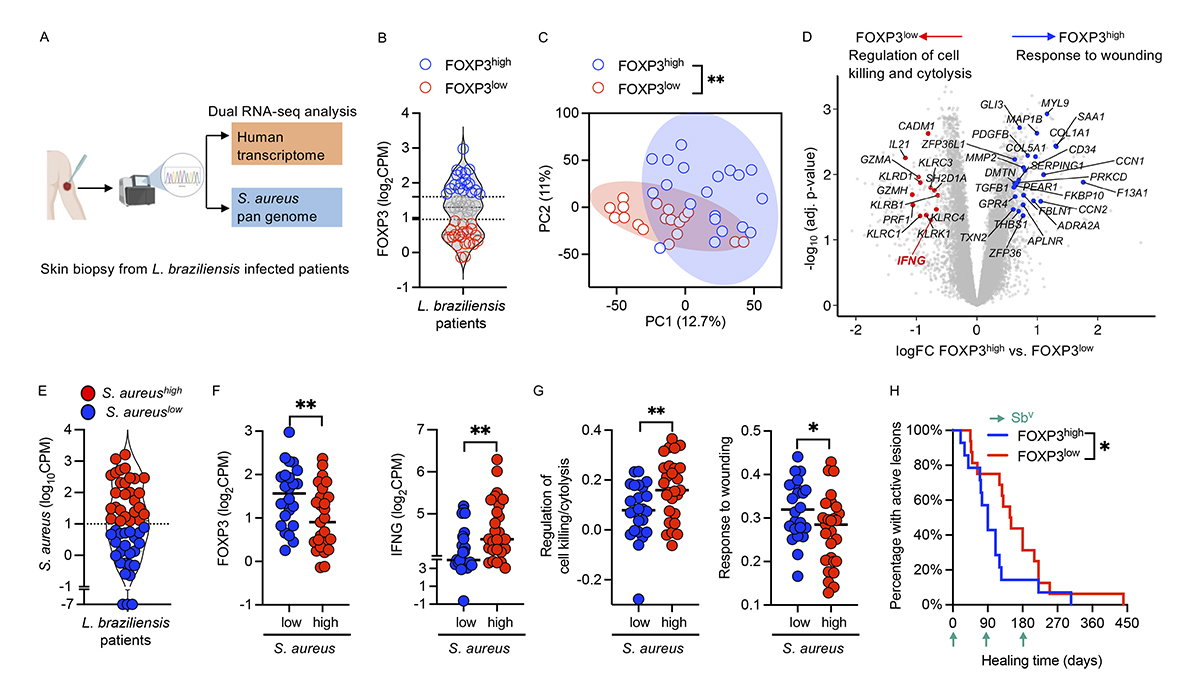
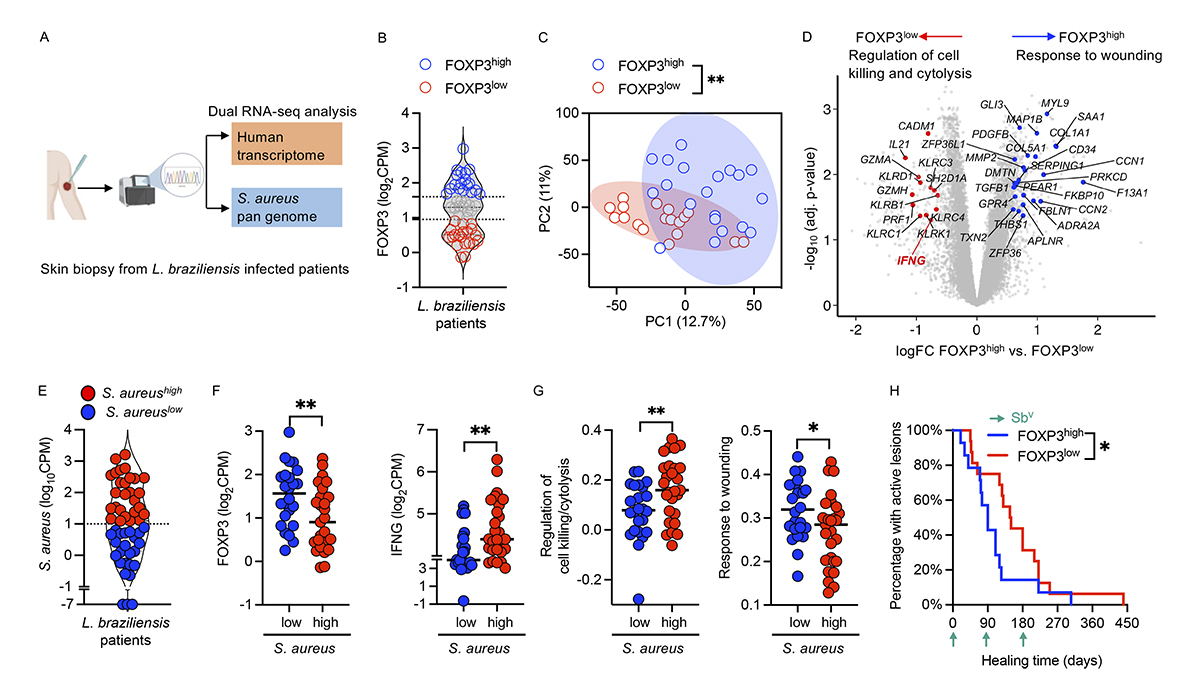
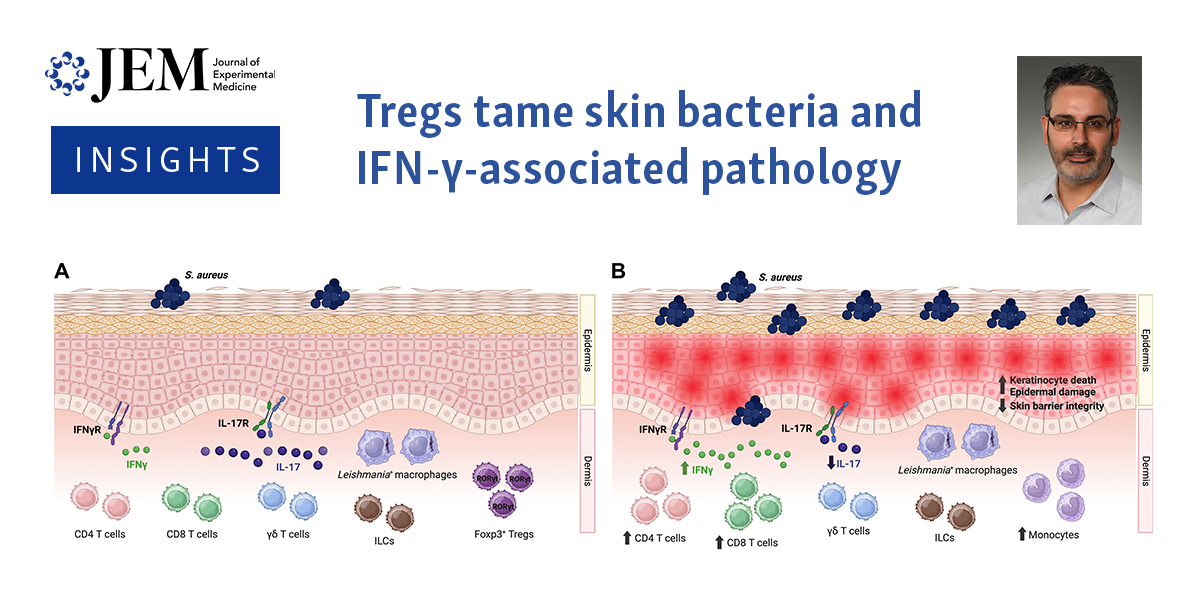
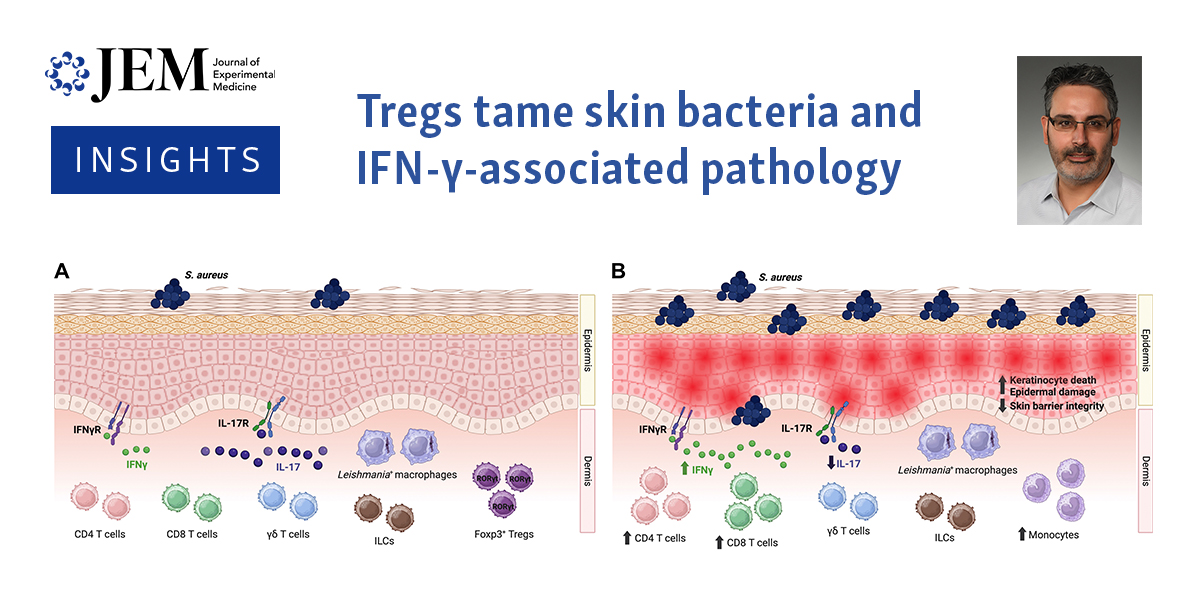
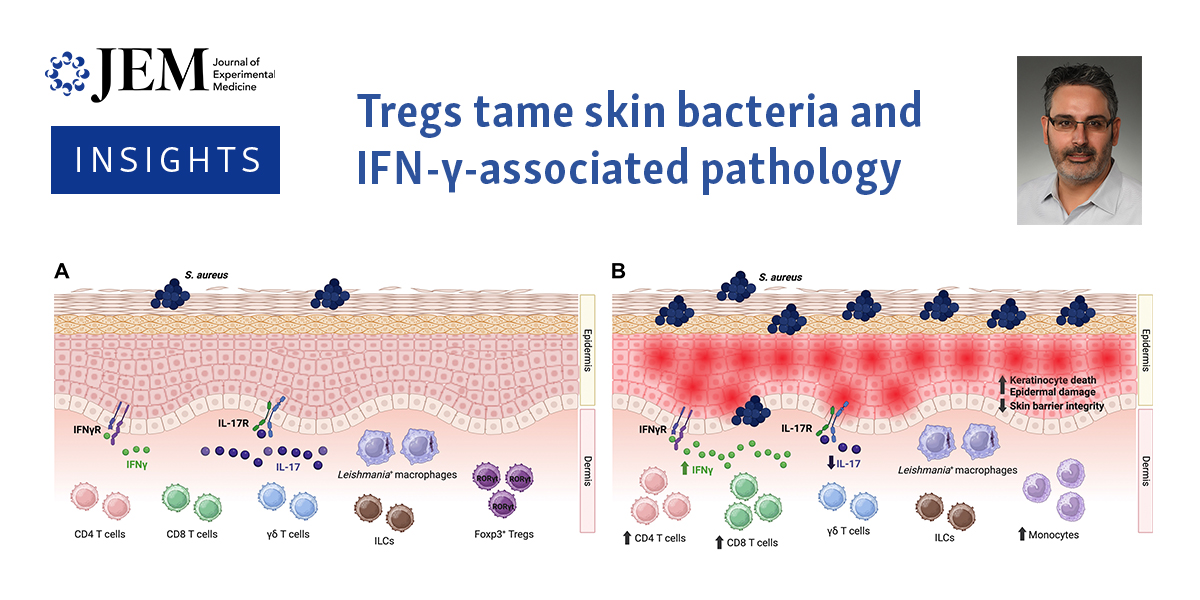
Findings by @tpsinglab@pscottlab and colleagues @pennvet@PennMedicine have clinical ramifications for cutaneous leishmaniasis and other skin diseases associated with a dysregulated microbiome when Tregs are limited or dysfunctional. https://t.co/nQtgy6GLt0
#InfectiousDisease
Insights: Michail Lionakis @LionakisLab@NIAIDNews discusses study from @tpsinglab, @pscottlab et al. (https://t.co/nQtgy6GLt0) showing that Rorγt+ regulatory T cells suppress pathogenic IFN-γ responses to control Staphylococcus aureus growth: https://t.co/hlvMvrqZ9M
Learned more about S. aureus as editor of this excellent review @WolfDermGraz @PennSbdrc @pscottlab
Microbial derived antimicrobial peptides as potential therapeutics in atopic dermatitis https://t.co/R2L0RfHoCF
We highlight how the human microbiome can shape disease outcomes in cutaneous leishmaniasis and suggest pathways toward host-directed therapies to mitigate the inflammatory consequences. Nice work @amorim_cfa@microbiome @RNAseq @immunology
https://t.co/sTRZ2bottV
Insights from @LionakisLab: Mibrobial dysbiosis worsens cutaneous leishmaniasis. @tpsinglab, @pscottlab et al (https://t.co/nQtgy6GLt0) show that Rorγt+ regulatory T cells suppress pathogenic IFN-γ responses to control Staphylococcus aureus growth https://t.co/hlvMvrqZ9M
Insights @JExpMed by @LionakisLab: Mibrobial dysbiosis worsens cutaneous leishmaniasis. @tpsinglab, @pscottlab et al (https://t.co/5n09I6JMgp) show that Rorγt+ regulatory T cells suppress pathogenic IFN-γ responses to control Staphylococcus aureus growth https://t.co/rJwPrV9YVe
We appreciate immensely the @LionakisLab, for your insights on our recent work showing that Foxp3+ Rorγt+ Tregs suppress pathogenic IFN-γ responses to control S. aureus growth @tpsinglab@pscottlab#eGrice
Study by Singh, Scott et al. @PennMedicine involving mice and #Leishmania braziliensis patients reveals that Treg levels function as a rheostat, controlling bacteria in the skin & influencing whether bacteria induce IL-17 or IFN-γ-mediated immunopathology. https://t.co/nQtgy6GLt0
Leishmania braziliensis patients & mouse models reveal that Treg levels function as a rheostat, controlling bacteria in the skin and influencing whether bacteria induce IL-17 or IFN-γ–mediated immunopathology @JExpMed@pscottlab
https://t.co/ra7rjLYVqs
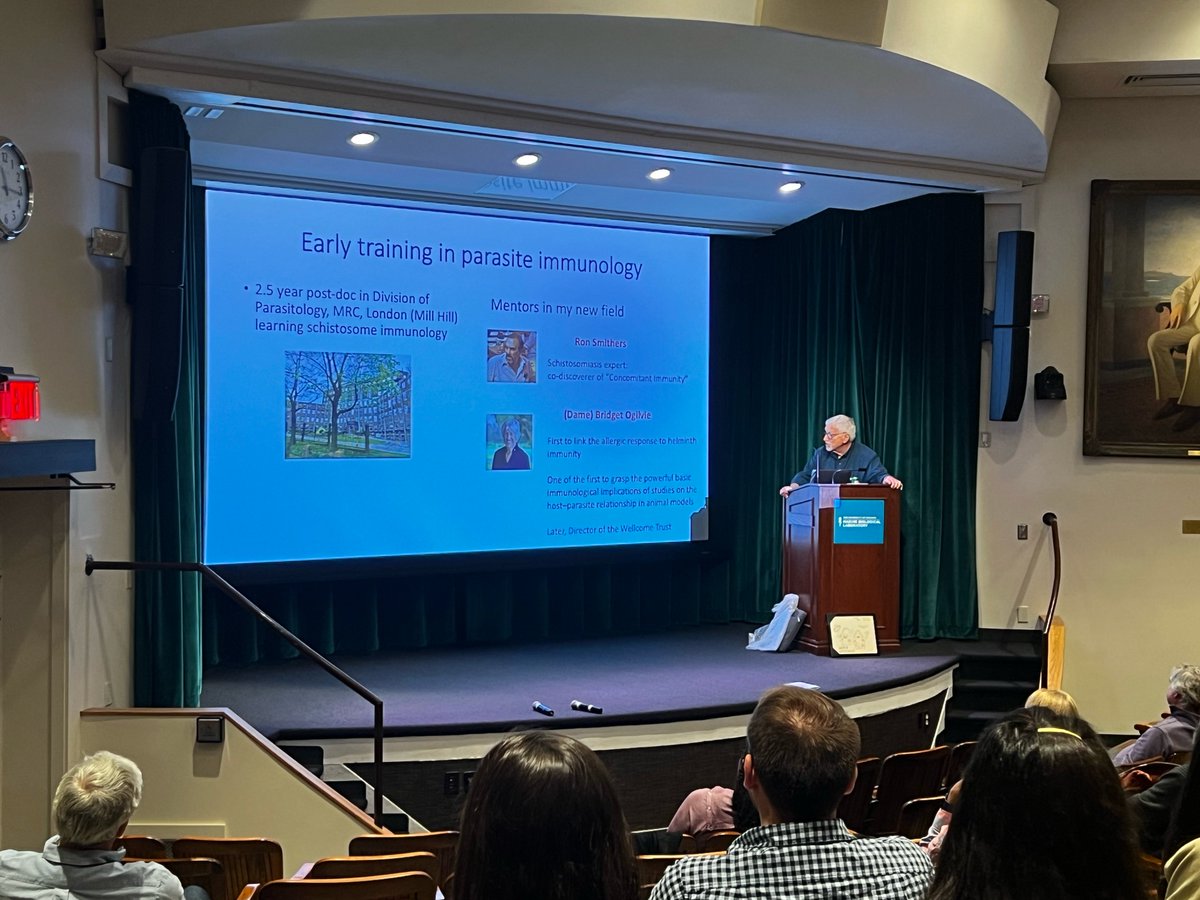
Being Dr. Alan Sher's scientific granddaughter is a real privilege and honor. Today I had the opportunity to hear again what I've been learning from @pscottlab over the years: "The parasites teach us a lot about immunology." at @MBLScience@MBLBoP@WHIP42266646