Barriers sites are characterized by complex immunological crosstalk between pathogens, commensals, and the immune system. Explore this collection highlighting recent JEM papers dissecting barrier immunity at the epithelial and neurovascular barriers. ➡️ https://t.co/VtZxBPTTA4
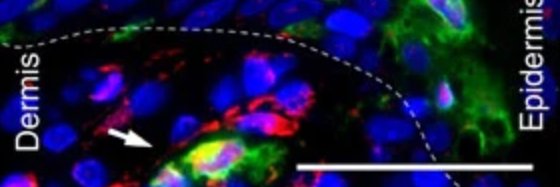
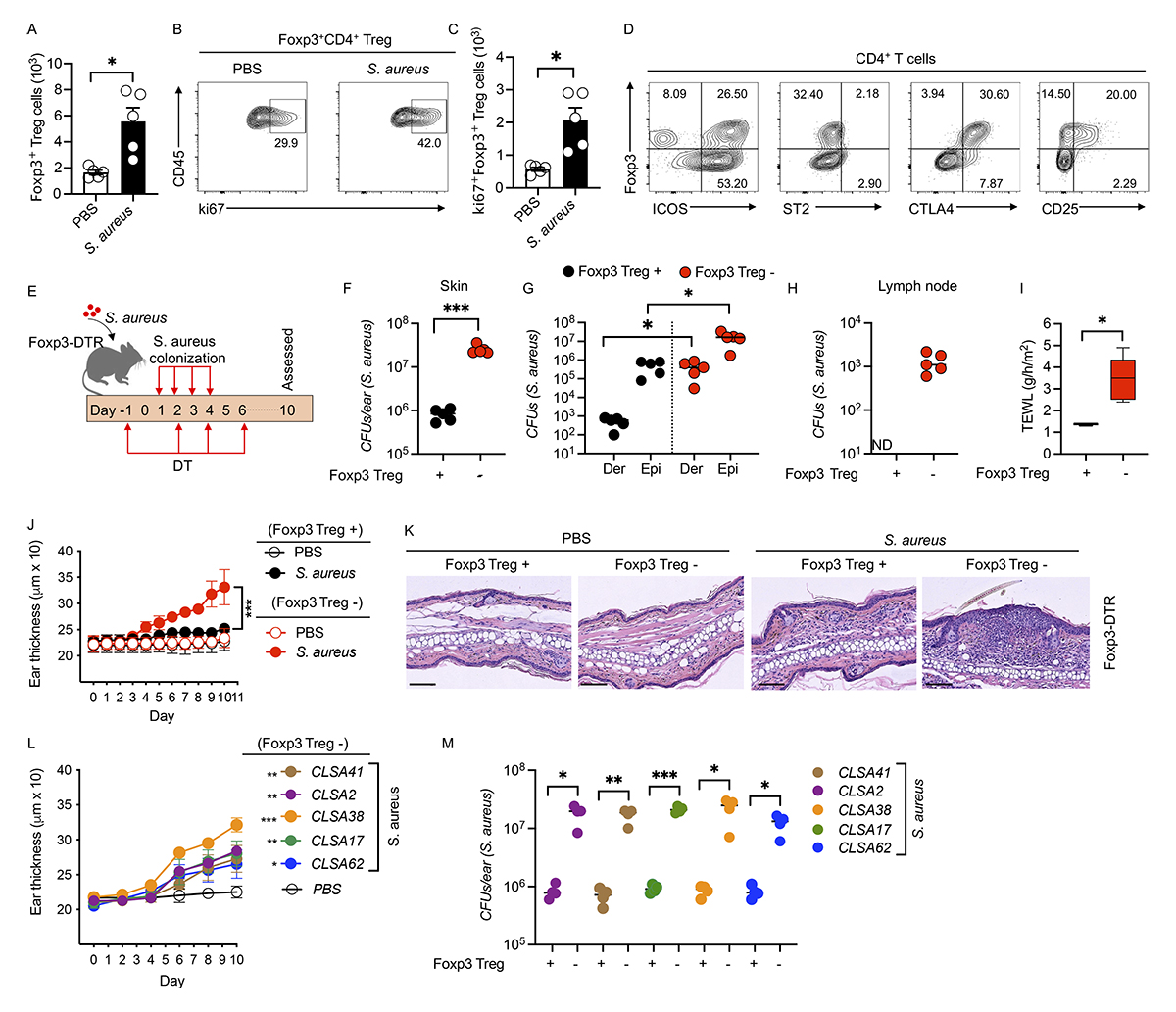
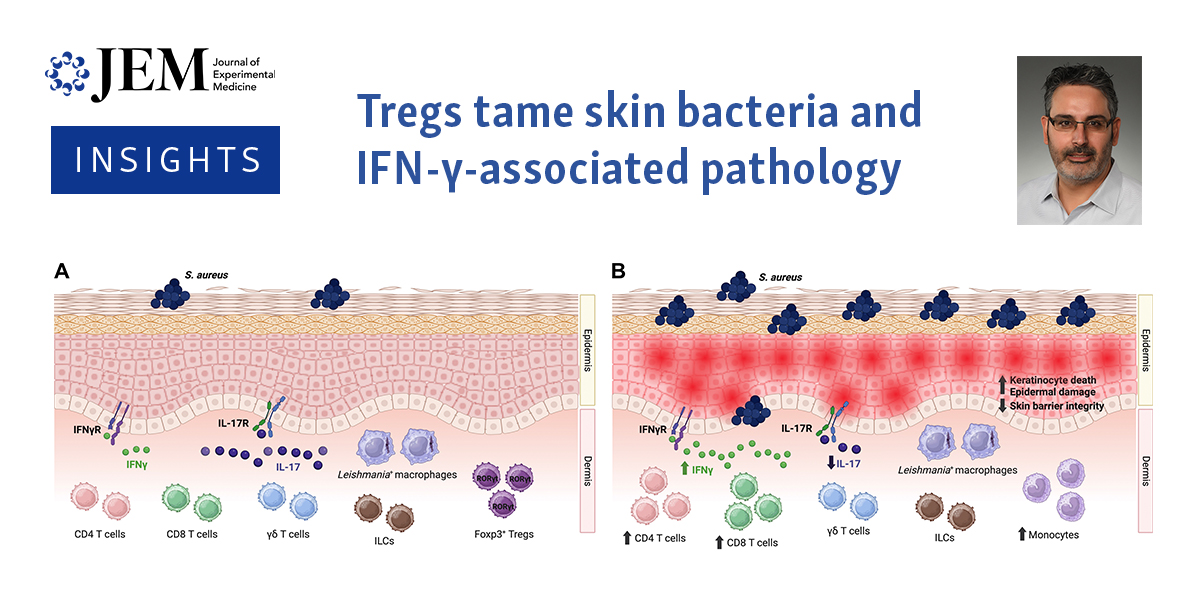
.@tpsinglab et al. reveal that Treg levels function as a rheostat, controlling bacteria in the skin & influencing whether bacteria induce IL-17 or IFN-γ-mediated immunopathology https://t.co/63MrIxPUIG
In our Barrier Immunity collection: https://t.co/6pU83jiFct
#KSBarrierReg24
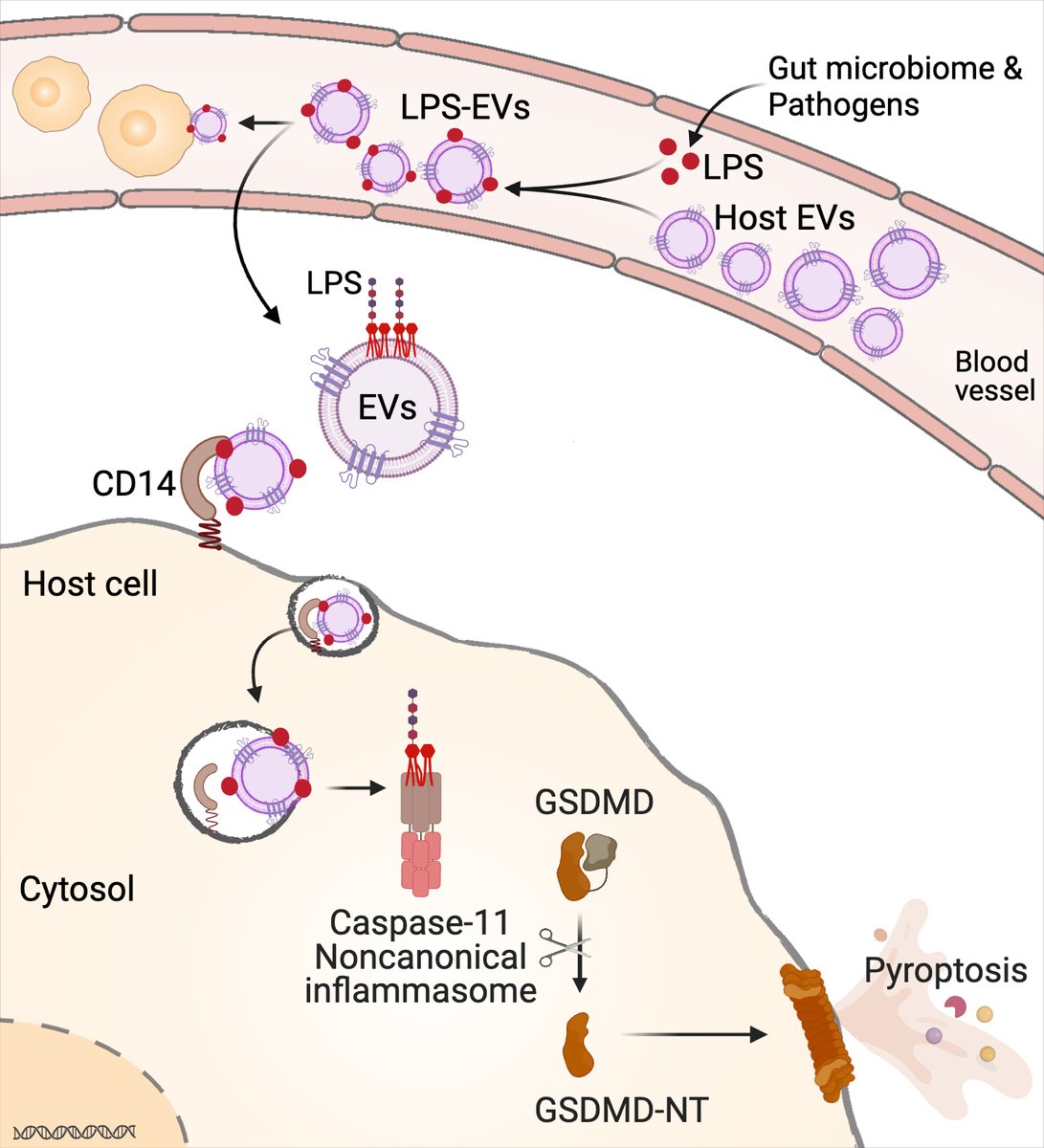
How do systemic PAMPs become accessible to cytosolic PRRs in vivo? Thrilled to have our work out @NatureCellBio showing Host EVs capture and escort systemic LPS to cytosol activating Casp11 & pyroptosis. Congrats to Puja @dolly_puja, who led the work. 1/3 https://t.co/ucYDpFeNxV
Intestinal inflammation is driven by unrestrained activation of IFNγ-producing CD4+ T cells and depletion of peripherally induced regulatory T cells through Fcγ receptor signaling.
#MicrobiotaPower! Anti-tumor checkpoint blockade therapy can lead to #colitis, Nunez &co show @ScienceMagazine that this happens in mice that harbor microbiota of wildlings. Colitis is driven by FcgR that depletes Tregs & boosts IFNg production by T cells! https://t.co/aL0yBBhWyQ
Fantastic @Nature by Nir Hacohen &co! They created gene transcription maps at the single cell level for 17 different cell types in the lymph node in response to each of the 86 cytokines & develop a tool to infer from RNAseq data cytokine activity! https://t.co/5j7yTw23pk
Being a mid-career professor is different in a lot of ways from being junior faculty. I worry we are not providing them with the support they need to grow in their jobs, potentially squandering the talent we invested decades in nurturing. (Not just funding.)
We highlight how the human microbiome can shape disease outcomes in cutaneous leishmaniasis and suggest pathways toward host-directed therapies to mitigate the inflammatory consequences. Nice work @amorim_cfa@microbiome @RNAseq @immunology
https://t.co/sTRZ2bottV
Insights from @LionakisLab: Mibrobial dysbiosis worsens cutaneous leishmaniasis. @tpsinglab, @pscottlab et al (https://t.co/nQtgy6GLt0) show that Rorγt+ regulatory T cells suppress pathogenic IFN-γ responses to control Staphylococcus aureus growth https://t.co/hlvMvrqZ9M
Using Foxp3+ Treg cell counts, we categorized patients in a skin #RNAseq dataset. In Leishmania+S.aureus co-infection cases, low Foxp3+ Treg levels connect to harmful IFN-g #inflammation and slower healing, unveiling its dual role in infections. #NGS#datawrangling#translational