There's a new advanced metric sweeping the Guardians' clubhouse. It's called "xDAWG." Three of the players thriving in that category are rookies.
How Parker Messick, Chase DeLauter and Travis Bazzana have injected life into the first-place Guardians:
https://t.co/mIMoXrCP5Y
The 2025–2030 Dietary Guidelines for Americans — Progress, Pitfalls, and the Path Forward | New England Journal of Medicine @deirdre_tobias . https://t.co/iVlx3vED4e
This one is hard to see.
The NIH Early Independence Award, one of the most competitive grants in the country for young scientists, will not go forward in FY2026. NIH says this is due to “administrative changes to funding opportunity processing and delays in approvals.”
FDA-authorized e-cigarettes may appeal to over half of adults who smoke, but intentions to use them are lower among lower-SES adults and those not planning to quit, find Julia Chen-Sankey et al.
https://t.co/BfXJjOULWa
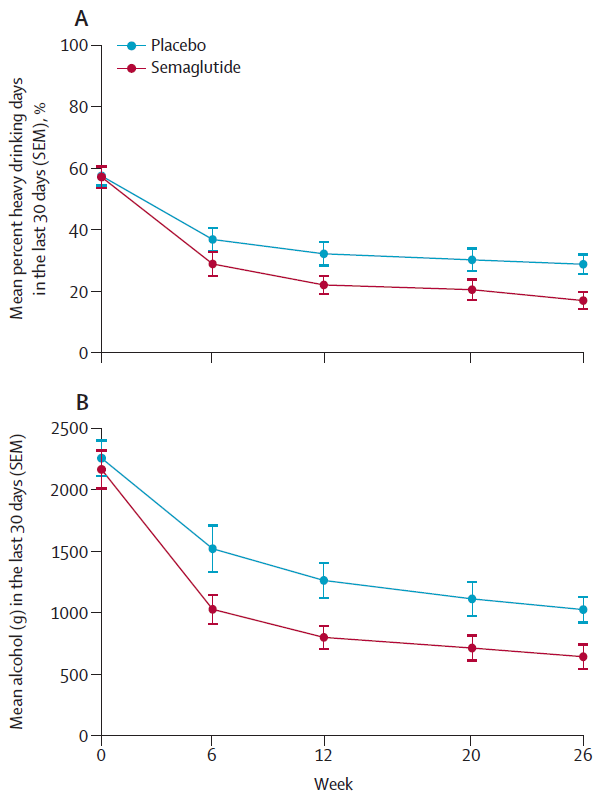
Alcohol use disorder accounts for 5% of deaths worldwide annually, and there is an urgent need for new treatments.
A new study found that GLP-1 reduces heavy drinking days in treatment seeking people with alcohol use disorder and obesity: https://t.co/MhUTBf9G7h
We finally got the results of a trial of GLP-1s for alcoholism!
At 26 weeks, alcoholics on semaglutide had 13.7pp fewer heavy drinking days than placebo, they drank ~500 fewer grams of alcohol/month, had 1.5 fewer drinks per drinking day, and saw 10.1pp more alcohol-free days!
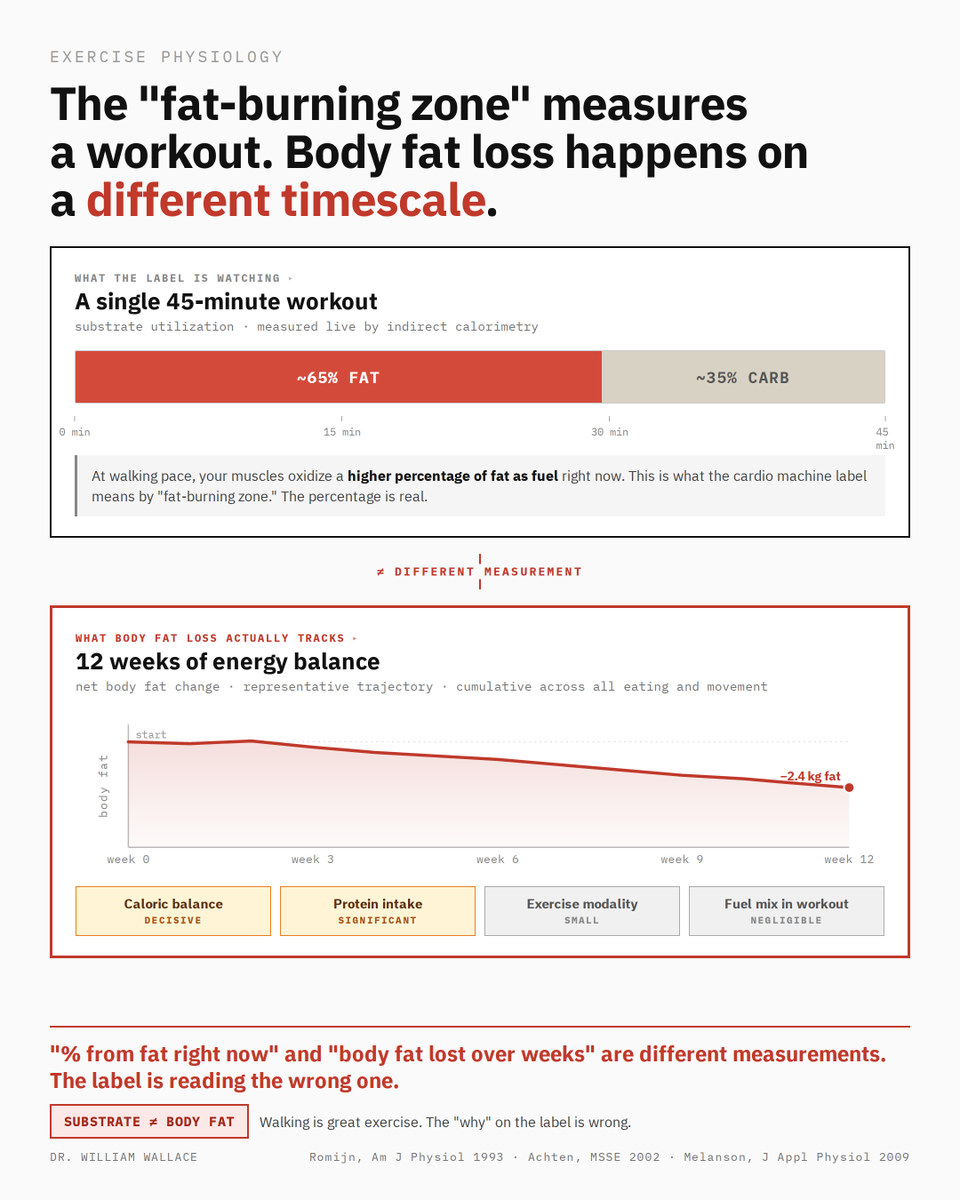
At walking pace, your muscles oxidize a higher percentage of fat as fuel. Romijn 1993 and Achten 2002 confirmed this with stable isotope tracers and indirect calorimetry. The percentage is real.
But "% of fuel from fat right now" and "body fat lost over weeks" are different measurements. Melanson 2009 demonstrated this directly. Subjects cycling for 1 hour at 55% VO₂max increased fat oxidation acutely. When energy balance was maintained, 24-hour fat oxidation didn't differ between exercise and rest days. The acute substrate shift didn't translate to greater fat loss.
Body fat change tracks total caloric balance over weeks. Protein intake matters significantly. Exercise modality has small effects. Fuel mix within a single workout is negligible for body fat once caloric balance is accounted for.
Walking is great exercise. The "fat-burning zone" reading of why is the part that's wrong.
Romijn, Am J Physiol 1993: https://t.co/ssdB81d02a
Melanson, J Appl Physiol 2009: https://t.co/8kDECRrq01
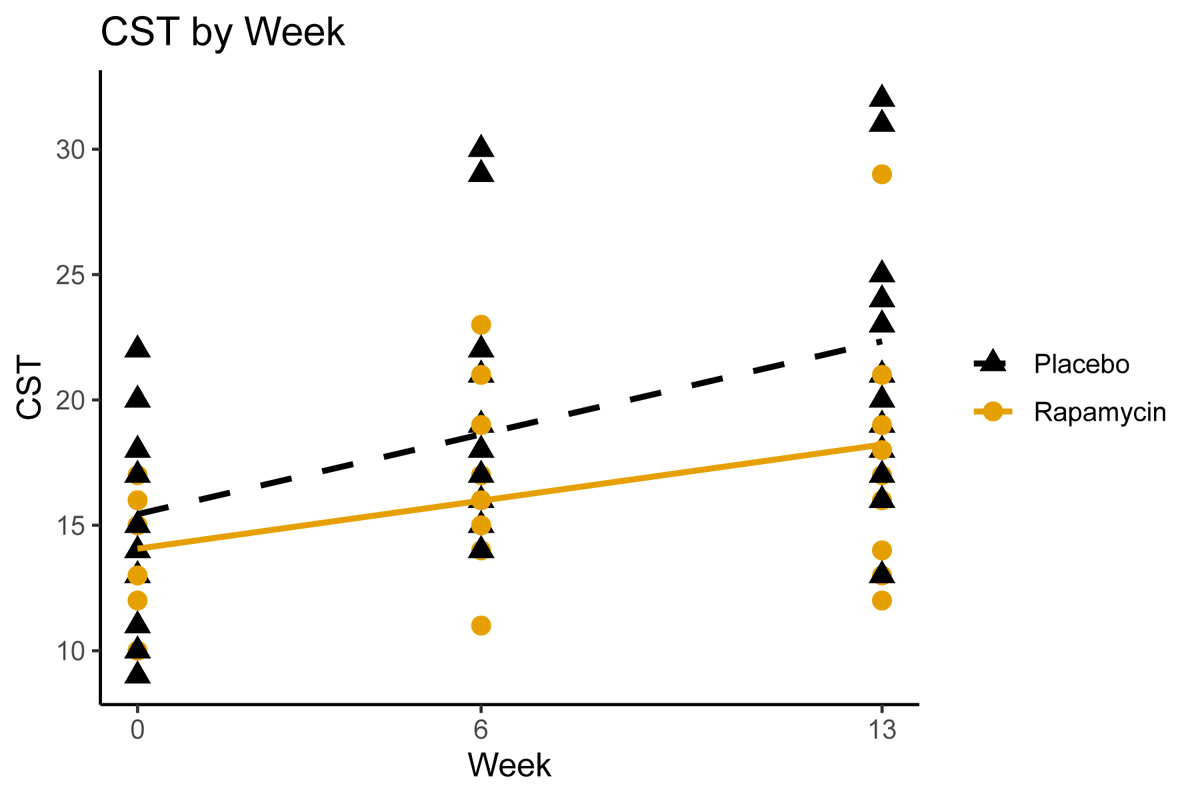
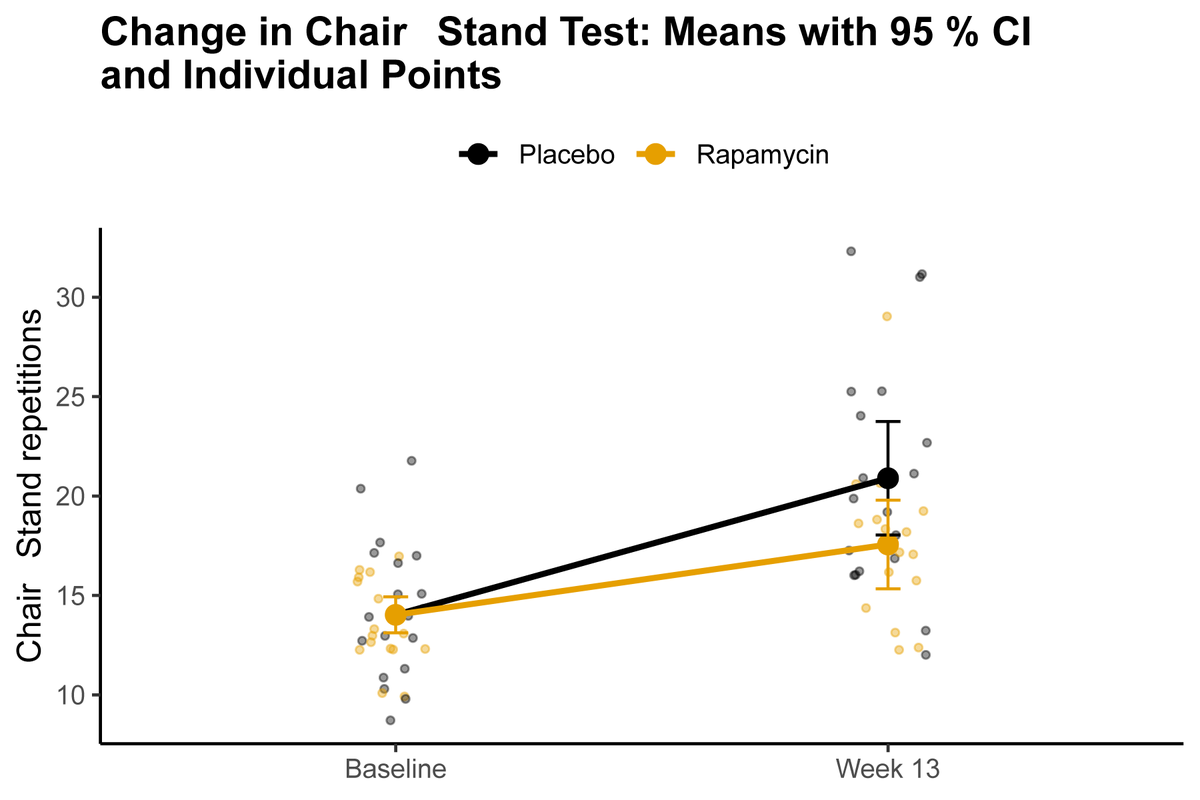
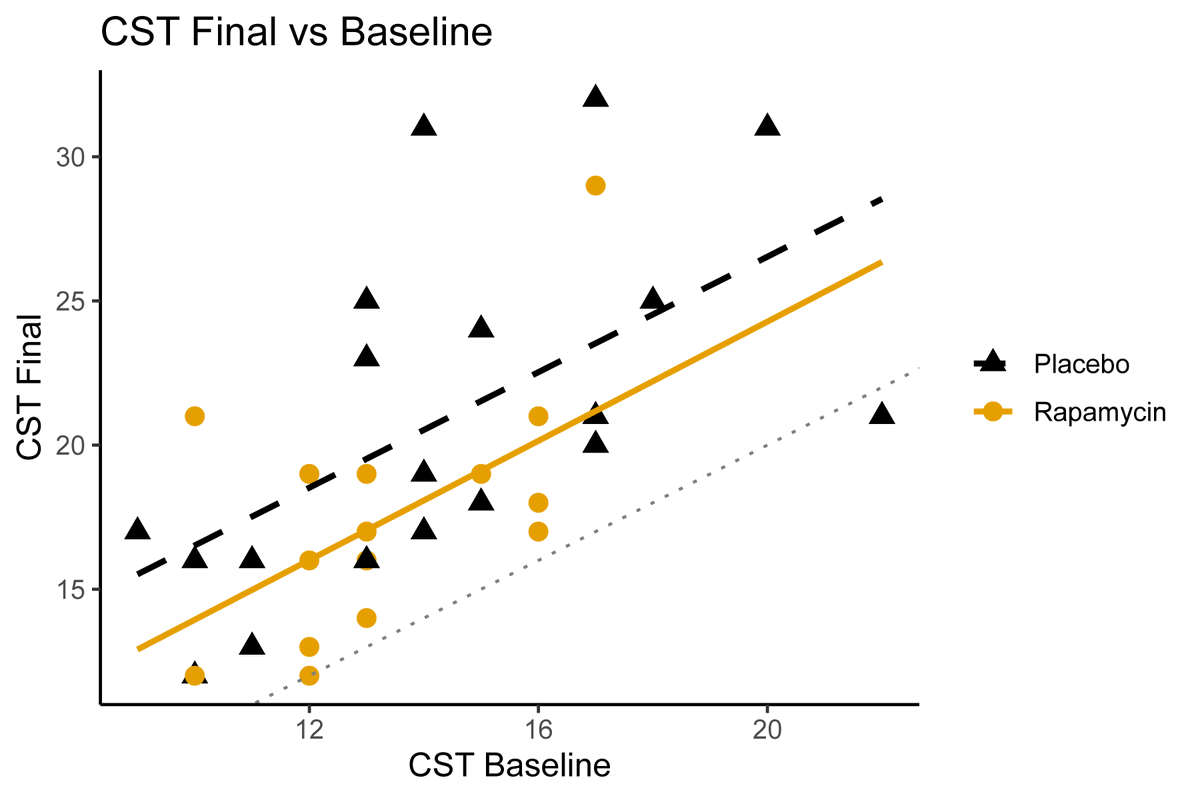
Our Rapamycin & Exercise clinical trial has just been published!
The topline result?
Rapamycin didn't help. Instead, it may have made things worse.
Here's what we found 🧵
https://t.co/vpy9bPrGDJ
The scariest finding in this paper: the subjects couldn't tell it was happening.
UPenn ran this study on 48 healthy adults. One group slept 8 hours. Another slept 6. Another slept 4. For 14 straight days. They tested cognitive performance every 2 hours from 7:30am to 11:30pm.
The 6-hour group's reaction times, working memory, and sustained attention deteriorated on a near-linear curve. By day 14 they were performing at the same level as someone who hadn't slept at all in 48 hours. The 4-hour group hit that threshold by day 6.
Here's the part that should unsettle everyone who thinks they "do fine" on 6 hours: the subjects' self-reported sleepiness flatlined after the first few days. Their brains kept getting worse. Their perception of how impaired they were stopped updating. The cognitive decline was invisible to the person experiencing it.
The researchers found a hard threshold. Any wakefulness beyond 15.84 hours in a day produces cumulative neurobiological cost. That cost compounds every single day you exceed it and does not reset with a weekend of sleeping in.
About 35% of American adults sleep less than 7 hours a night. 40% of those get 6 hours or less. In 1942 that number was 11%. We built an entire professional culture around a sleep schedule that this paper says is functionally equivalent to pulling consecutive all-nighters.
"I'm fine on 6 hours" is the most common response to sleep research. The first thing chronic sleep debt destroys is your ability to notice chronic sleep debt.
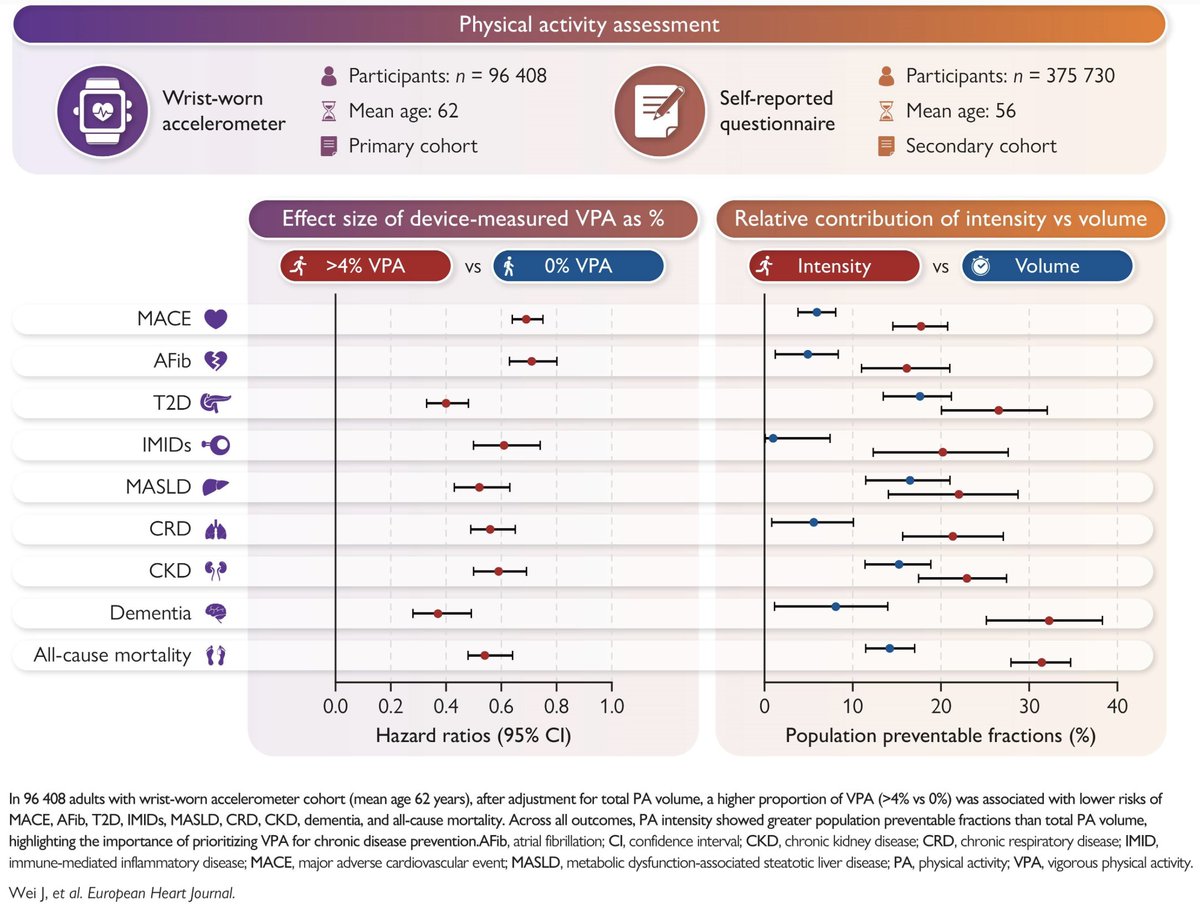
The first order effect of exercise is to increase energy flow through the metabolic circuitry of your body, including your mitochondria. The harder you breathe, the more oxygen your mitochondria are consuming.
Predictably, exercising vigorously decreases the risk of all common chronic illnesses, including Type 2 diabetes--a disorder triggered by metabolic oversupply. But the disorder most impacted across the board was dementia. https://t.co/udQw2nud9E
Based on the comorbidity of Type 2 diabetes with Alzheimer's disease and other dementias, and some other evidence, some have called Alzheimer's disease Type 3 diabetes. This emphasizes the metabolic basis of neurodegeneration.
Not entirely sure about that framing, but seeing dementia (#1) and Type 2 diabetes (#2) at the top of the health disorders most affected by physical activity suggest a shared etiology.
In both cases, exercise intensity (how hard you breathe) seems to carry more weight than volume (how long you exercise).
The sustained health of our brain, body, and mind requires energy flow. Next time you feel out of breath, think about how you're feeding oxygen to your mitochondria, fueling the flow of energy that keeps you alive.
The biological principle behind these effects is captured in the energy resistance principle: https://t.co/PHyqL8l6o8
Some thoughts on our transition from genetics to energetics: https://t.co/c1J10dB689
Reminder: don't listen to health influencers; they're not smart and they're not honest.
They make up numbers (e.g., 50% no side effects, 18 months in), they make up usage claims ('you can't get off of it, ever'), they misuse words ('meta-analysis'), etc.
Real rebound data:
The Muscle Science Edit
MoTrPAC drops the deepest molecular map of muscle's response to exercise. Also: semaglutide spares female muscle, nicotinamide boosts human regeneration, and cachexia has its own satellite cell signature.
👇
https://t.co/8tNiQ1fquF
#myotwitter