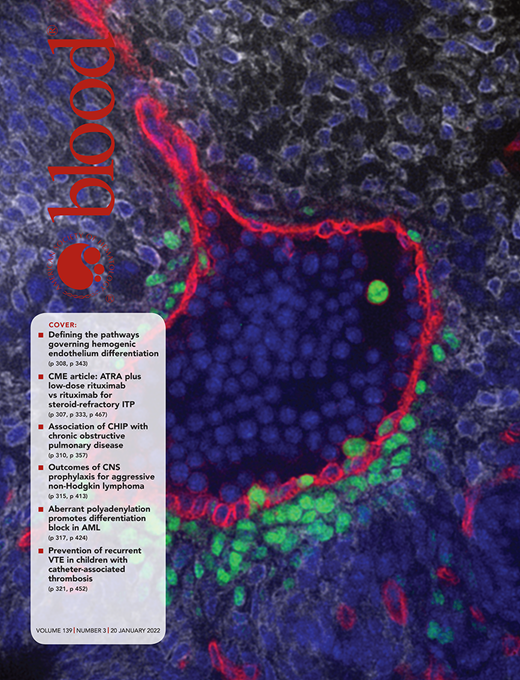
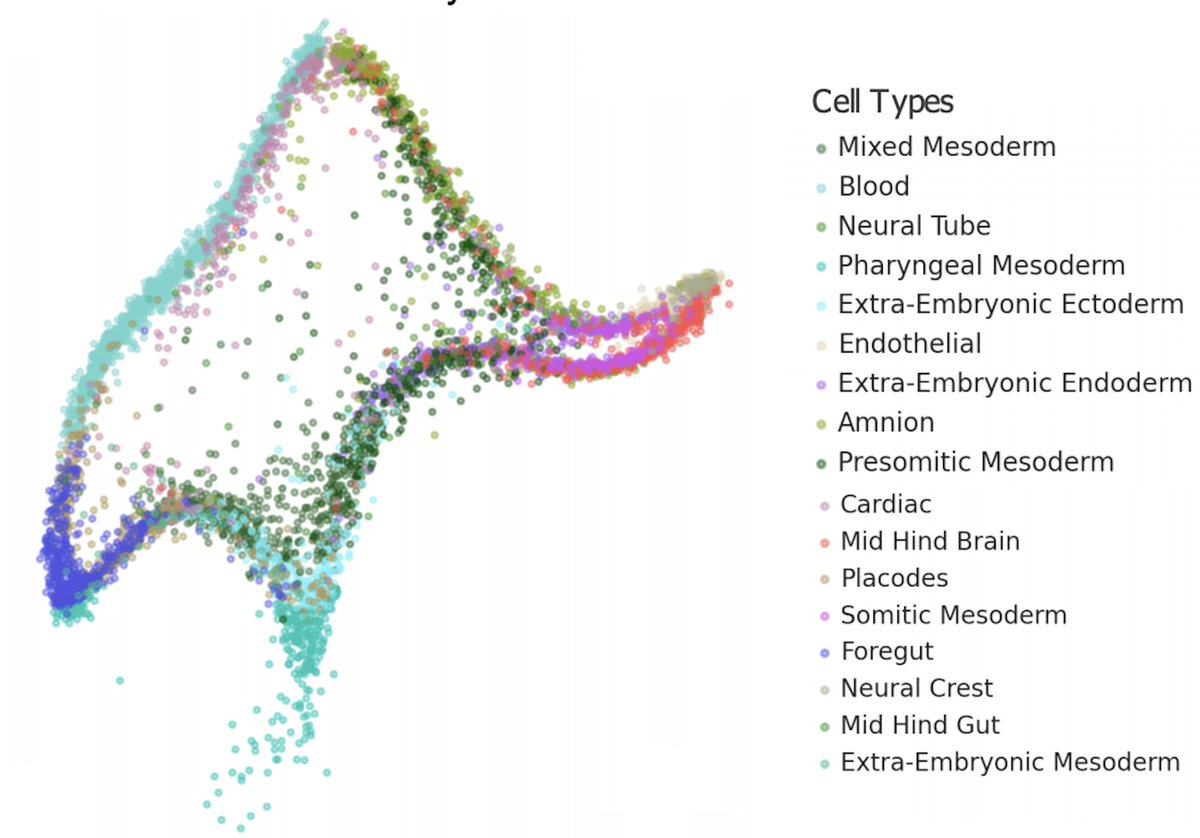
Thrilled that our work profiling hemogenic endothelium differentiation is featured on the cover page of blood https://t.co/wRaRKpZ6tl. Excellent summary and commentary by @YuLan26190217 https://t.co/LcX9dEOnEz
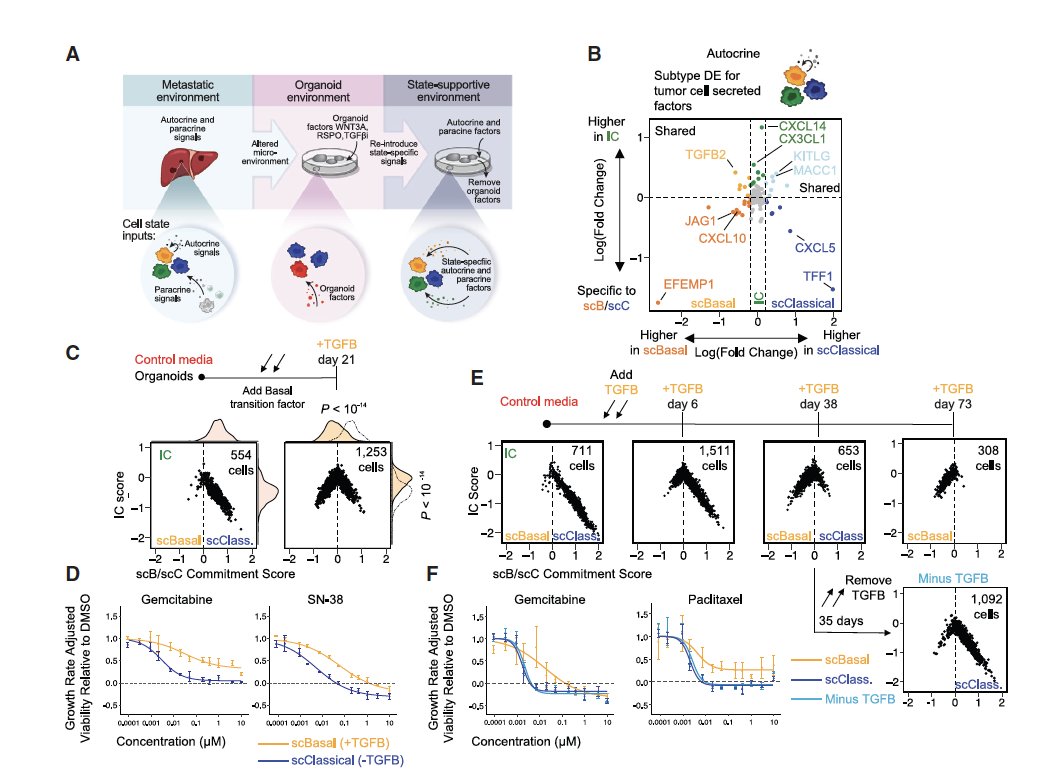
Fascinating use of single-cell RNAseq in metastatic biopsies and matched tumor organoids to identify diversity of tumor cell states and the role of tumor microenvironment in modulating this diversity. Great work by @shaleklab! https://t.co/PFkttO4YAE
I've found that it's fairly common for faculty to respond to a student's request for a recommendation letter by telling the student to write their own letter. I was first asked to do this by one of my recommenders when I applied for postdocs. It's a terrible practice.
🔥Hot off the press @NaturePortfolio!🔥
Fantastic review shows how understanding the zonal nature of the prostate can positively impact prostate cancer research.
From our Prostate Oncobiology group (@estherbaena) & collaborators @MCRCnews@TheChristieNHS
https://t.co/faoPLwA92q
Very pleased to share our publication in @NatRevUrol
https://t.co/9KGGpmKeYi
Highlighting the role in #prostatezones in cancer development
A big shout out to my co-authors Alex Du Feu, @PedroOlivps , @achoud72 , Rob Bristow and @estherbaena for making this happen
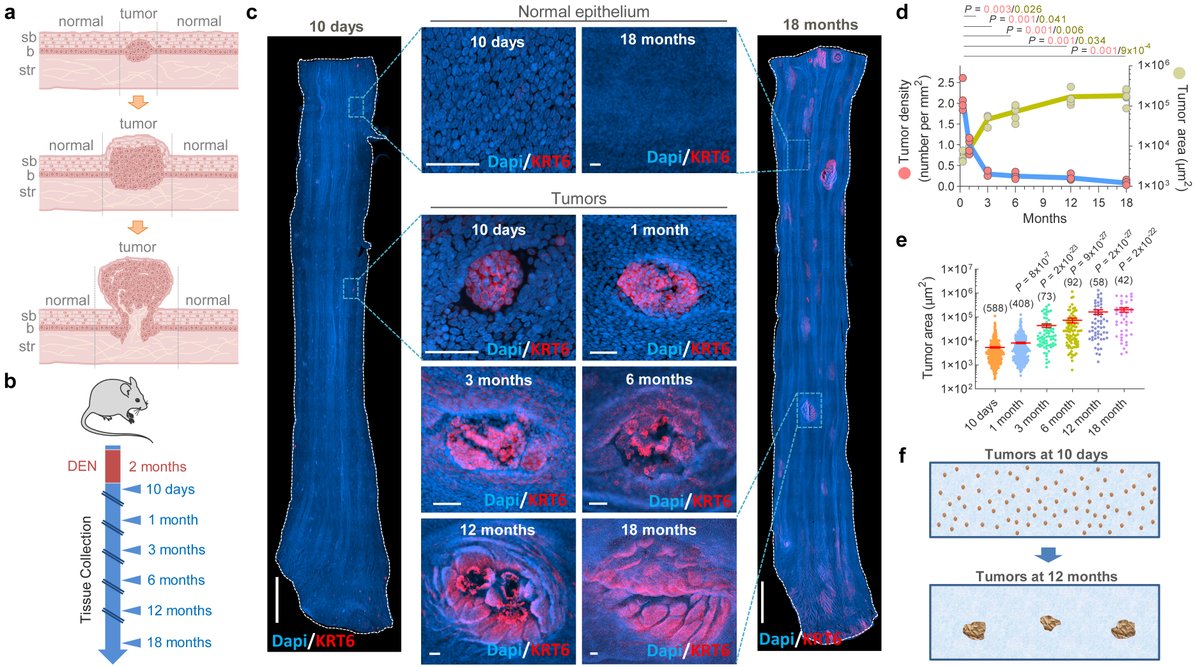
Out today @Nature! Human tissues accumulate cancer-driver mutations with age, yet tumor formation remains rare, why!? We show that mutant clones in the normal epithelium can have a tumor-protective role by outcompeting and eliminating nascent tumors. https://t.co/GfBaLNHvBq
We're ecstatic to present our manuscript on recording the evolutionary dynamics in a mouse model of lung cancer with an evolving lineage tracer. Congrats to @dianyang1117 for co-leading and @JswLab@YosefLab@LabJacks for this joint effort. Biorxiv link: https://t.co/L6CGpkBm4v
We are excited to share our latest work from Stem Cell Biology lab @GeorgesStem@CRUK_MI entitled ‘Murine AGM single-cell profiling identifies a continuum of hemogenic endothelium differentiation marked by ACE’ https://t.co/AonBy1sWDm. @BloodJournal (1/14)
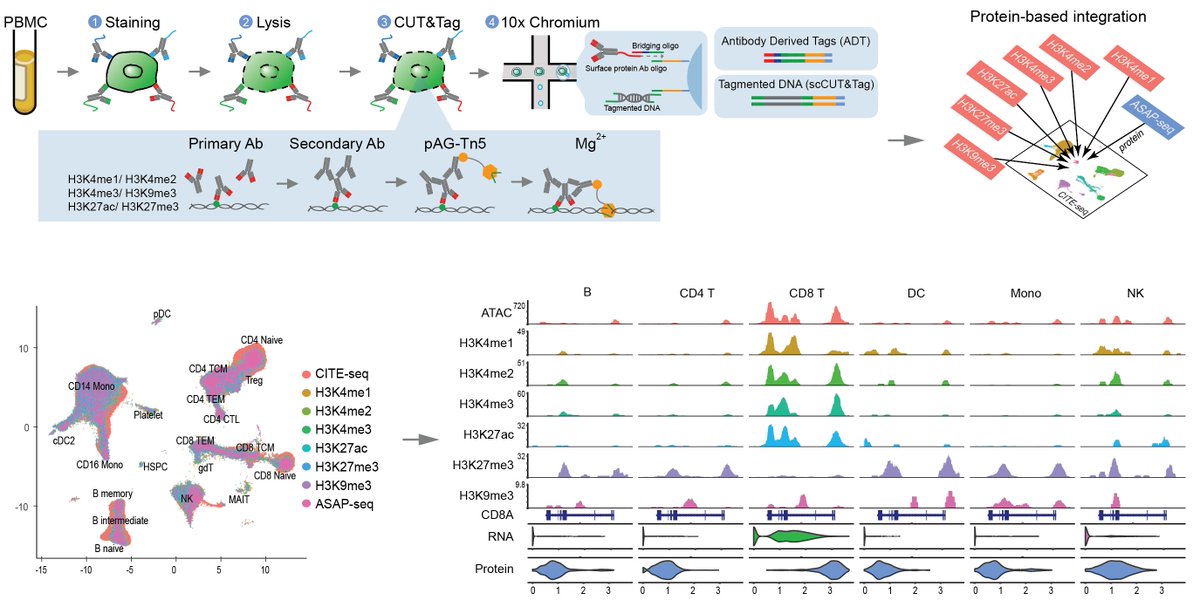
Our new preprint introducing scCUT&Tag-pro (single-cell profiling of histone modifications and cell surface proteins), scChromHMM (inferring chromatin states in single cells), and an integrated reference of 9 molecular modalities in human PBMC: https://t.co/2ypttjJDRt
Very pleased to present our latest work, which describes a fully synthetic scaffold supporting human and murine pancreatic organoids and models important features of the PDA microenvironment in vitro @MITdeptofBE@CRUK_MI@MCRCnews https://t.co/W9vkinzZvU
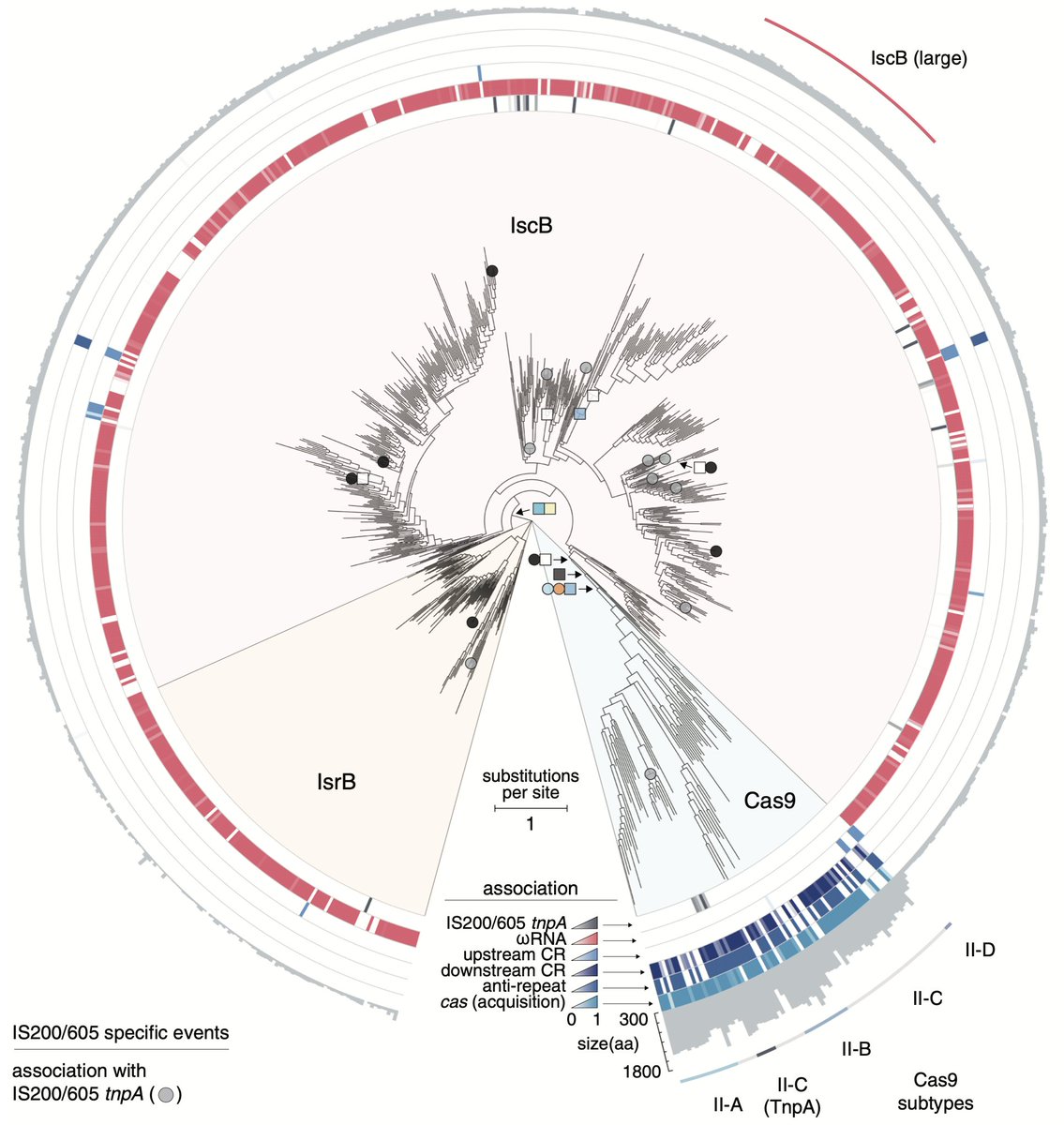
CRISPR technologies are powerful gene editing tools because they are programmable. We are excited to describe 3 new programmable systems, IscB, IsrB, and TnpB, some of the most abundant genes on the planet, with potential for gene editing. @ScienceMagazine https://t.co/dY8FXBYIM8
Very proud to share my lab’s new paper: ‘Multiplexed Single-Cell Analysis of Organoid Signalling Networks’ out today in @NatureProtocols (1/11) https://t.co/90XCvJ5Ezs
"Light-sheet illumination of the intestinal organoid family tree with LSTree"
preLight by @osvaldoics highlighting a preprint by @GustavoQGMed and @priscaliberali https://t.co/71hgc0AZ9v
It's time to stop making t-SNE & UMAP plots. In a new preprint w/ Tara Chari we show that while they display some correlation with the underlying high-dimension data, they don't preserve local or global structure & are misleading. They're also arbitrary.🧵https://t.co/XkAOTKlOcs
Cribriform pattern is bad! Cribriform #prostate carcinoma invading into #bladder muscular wall (pT4).
Cribriform is worst among Gleason pattern 4 and should be reported if identified in biopsies and RPs. 😈#GUPath
We are really excited to share our work on a new modular RNA delivery technology called SEND, built from endogenous components found in the mammalian genome. @ScienceMagazine https://t.co/0HRvKkDAFV