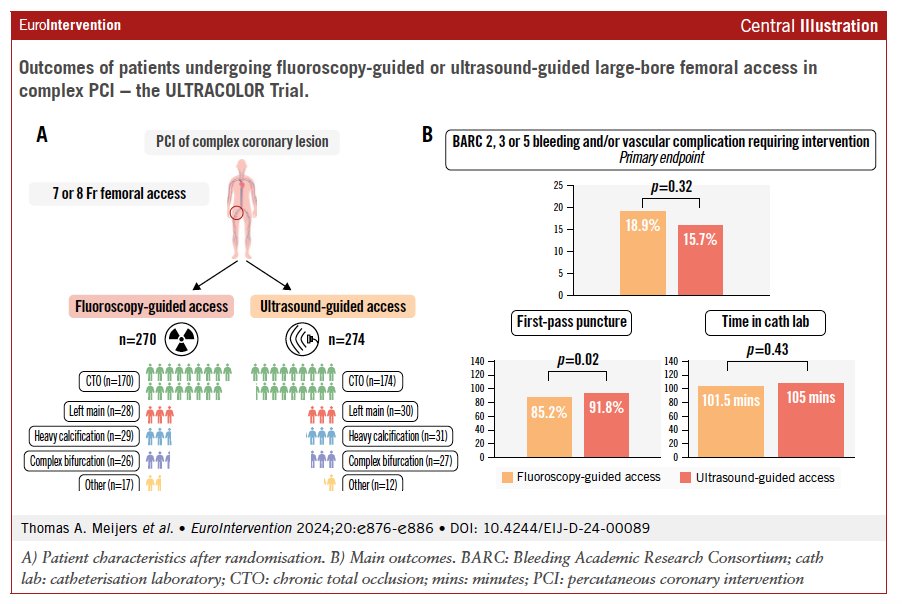
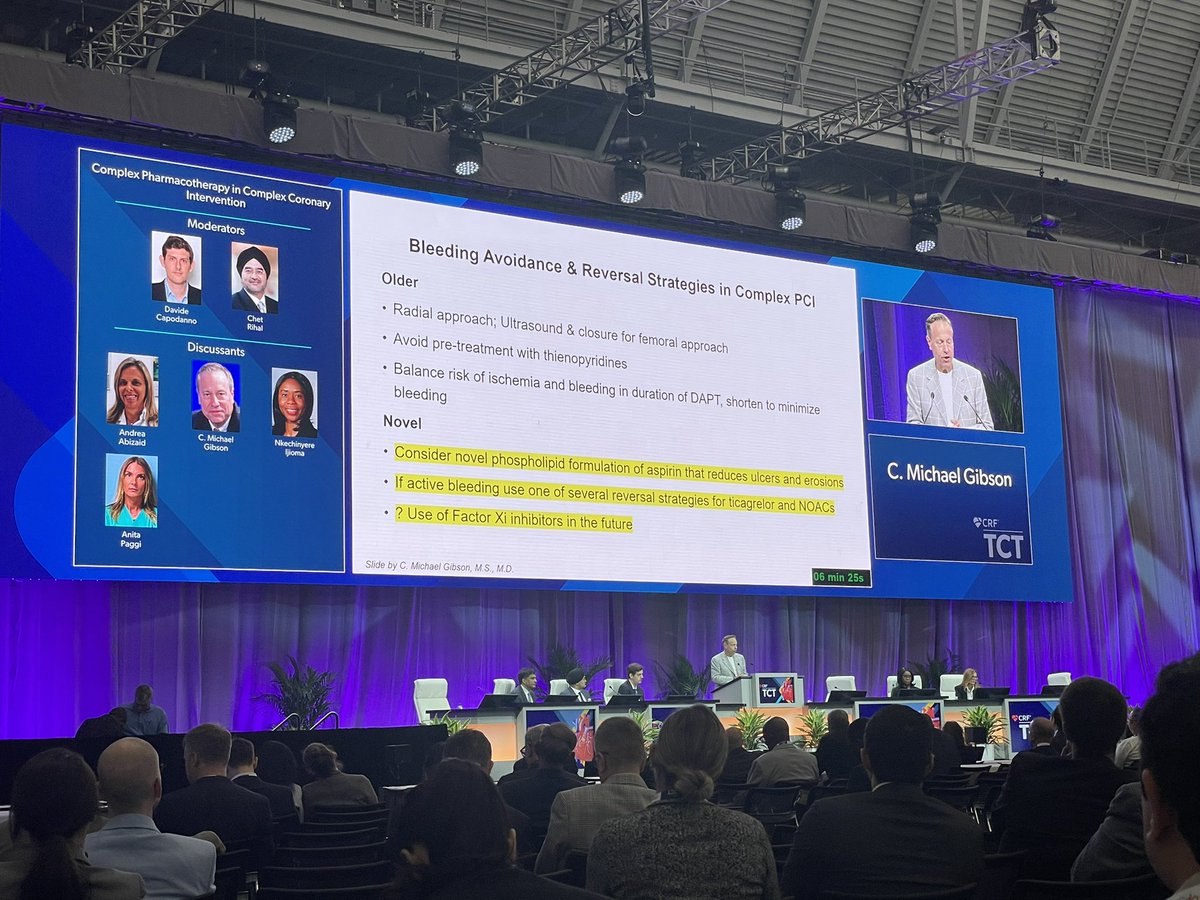
The ULTRACOLOR Trial finds that ultrasound-guided femoral access for complex PCI doesn't significantly reduce bleeding or vascular complications compared to fluoroscopy guidance. However, it supports the feasibility and safety of ultrasound guidance. https://t.co/zYZEDqQumn
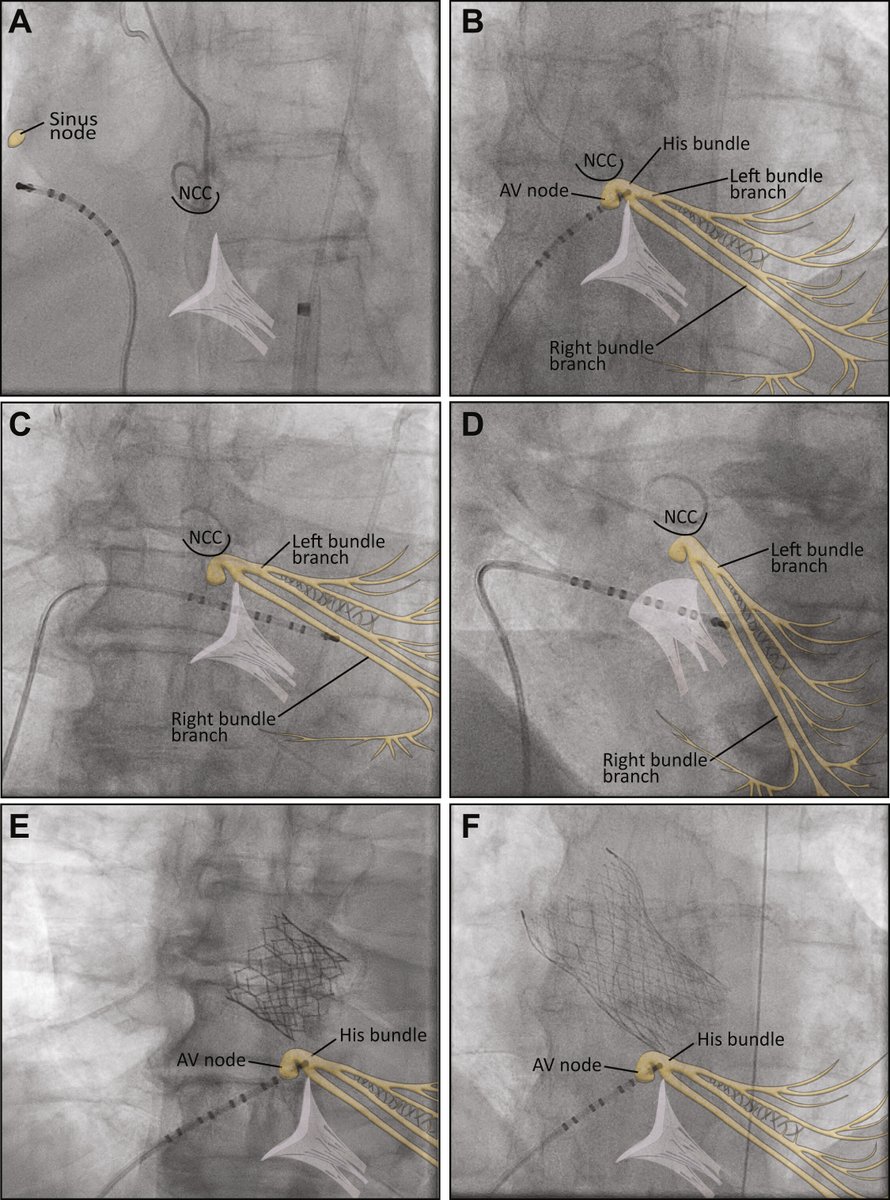
In this prospective pilot study, Dr. @MarieF_Poulin, et al. examined the safety & feasibility of incorporating routine EP studies performed by #TAVR operators to assess atrioventricular conduction during TAVR procedures. https://t.co/g26R10z1nv #JACCINT#EPeeps
This study showed that in patients with severe AS and stable CAD scheduled for TAVI, performance of PCI after TAVI seems to be associated with improved 2-year clinical outcomes compared with other revascularisation timing strategies. #EAPCI https://t.co/aewSaxxUKQ
Amyloid stabilizer, Acoramidis, cuts death and improves quality of life in patients with ATTR-amyloid cardiomyopathy. Dr. Gillmore and I review the results of the ATTRibute-CM trial presented at #ESCCongress
#FIRE trial shows physio guided complete revasc reduce hard endpoints in elderly. Another confirmation that complete revasc is key in ACS.
Congrats to all the investigators for this important trial 🇮🇹
@GianlucaCampo78@Tebaldi_Matteo@SimoneBiscaglia
https://t.co/2T9uCIX7aI
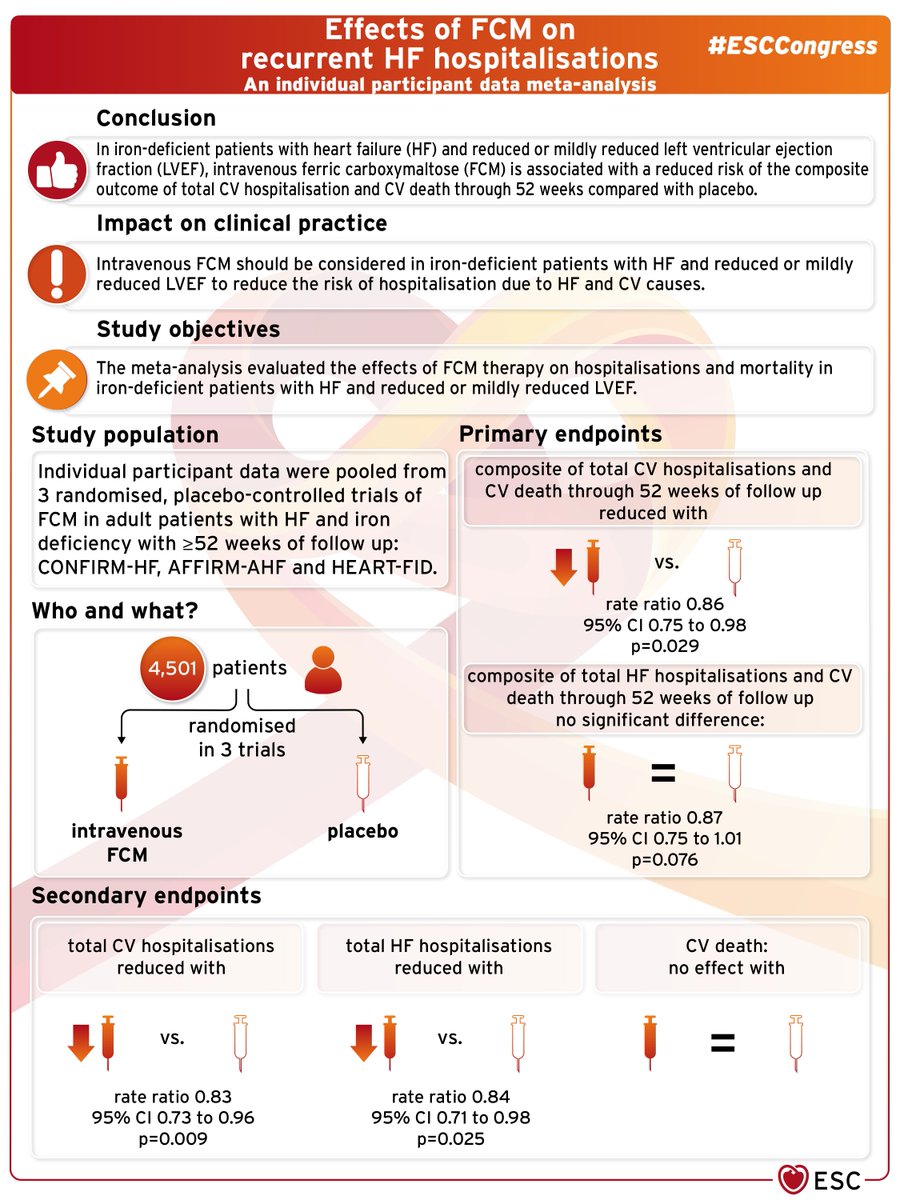
In iron-deficient patients with #HeartFailure and reduced or mildly reduced left ventricular ejection fraction (#LVEF), intravenous ferric carboxymaltose (FCM) is associated with a reduced risk of the composite outcome of total CV hospitalisation and CV death through 52 weeks compared with placebo 👇
#ESCCongress
Effects of FCM on recurrent #HF hospitalisations
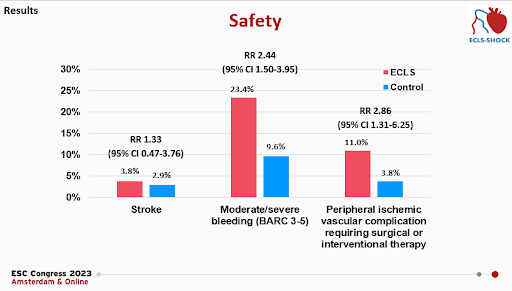
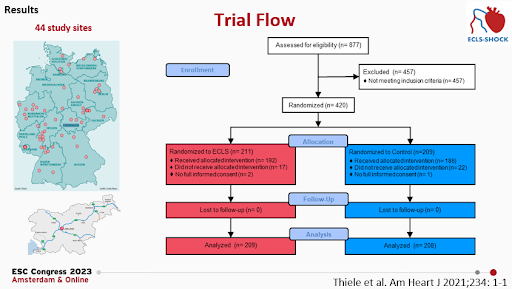
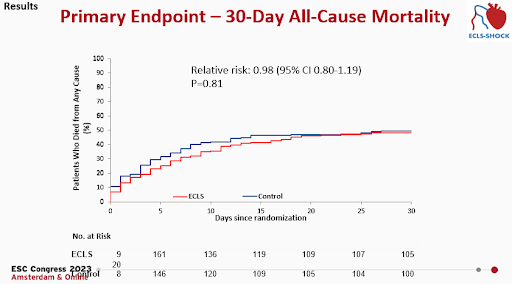
ECLS-SHOCK randomized trial showed in patients with AMI and cardiogenic shock (n=877), VA-ECMO no different than control in reducing 30-day all-cause mortality, more bleeding and peripheral ischemic complications with VA-ECMO #ESCCongress
This new study suggests that TAVI can effectively reduce mitral regurgitation severity and symptoms in patients with atrial and ventricular functional mitral regurgitation, but the reduction is less pronounced in patients with primary mitral regurgitation. https://t.co/ot8RpgSy0u
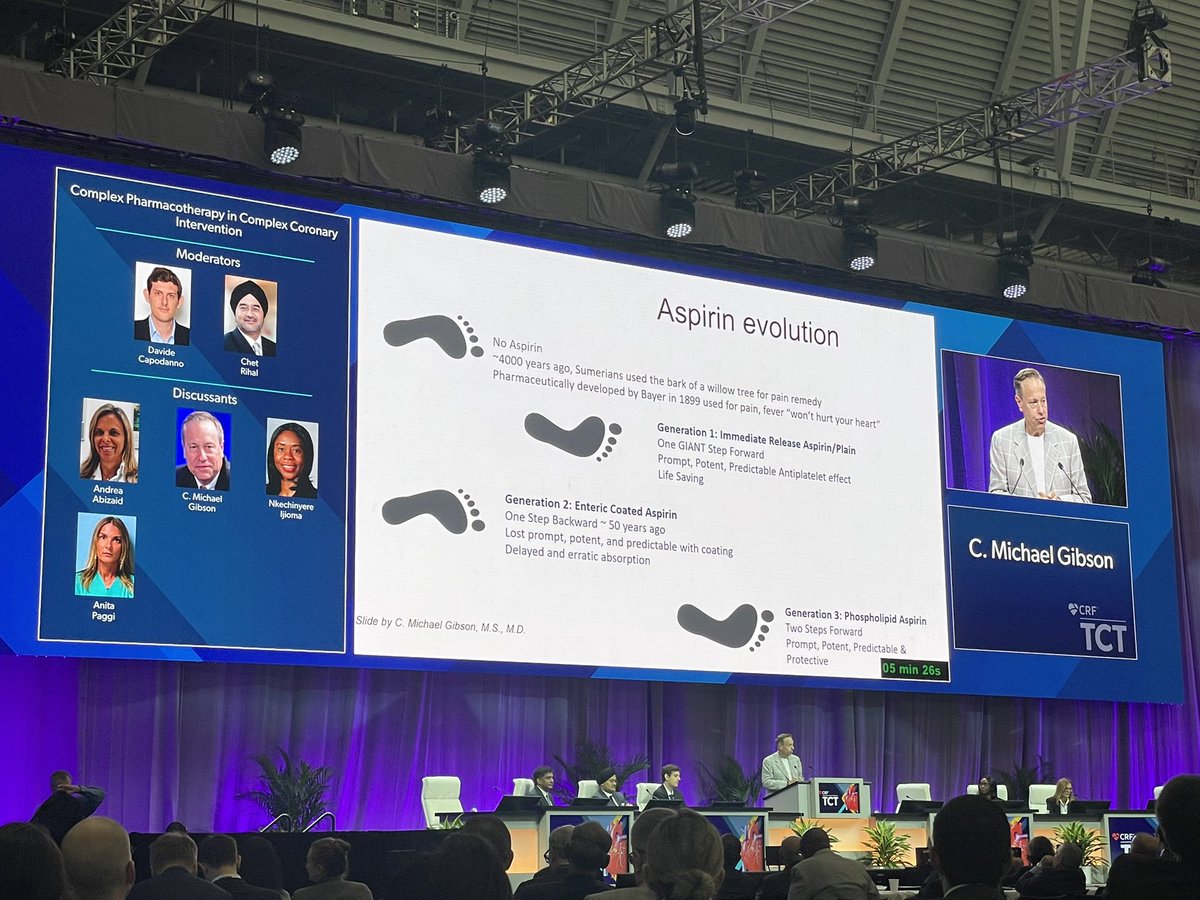
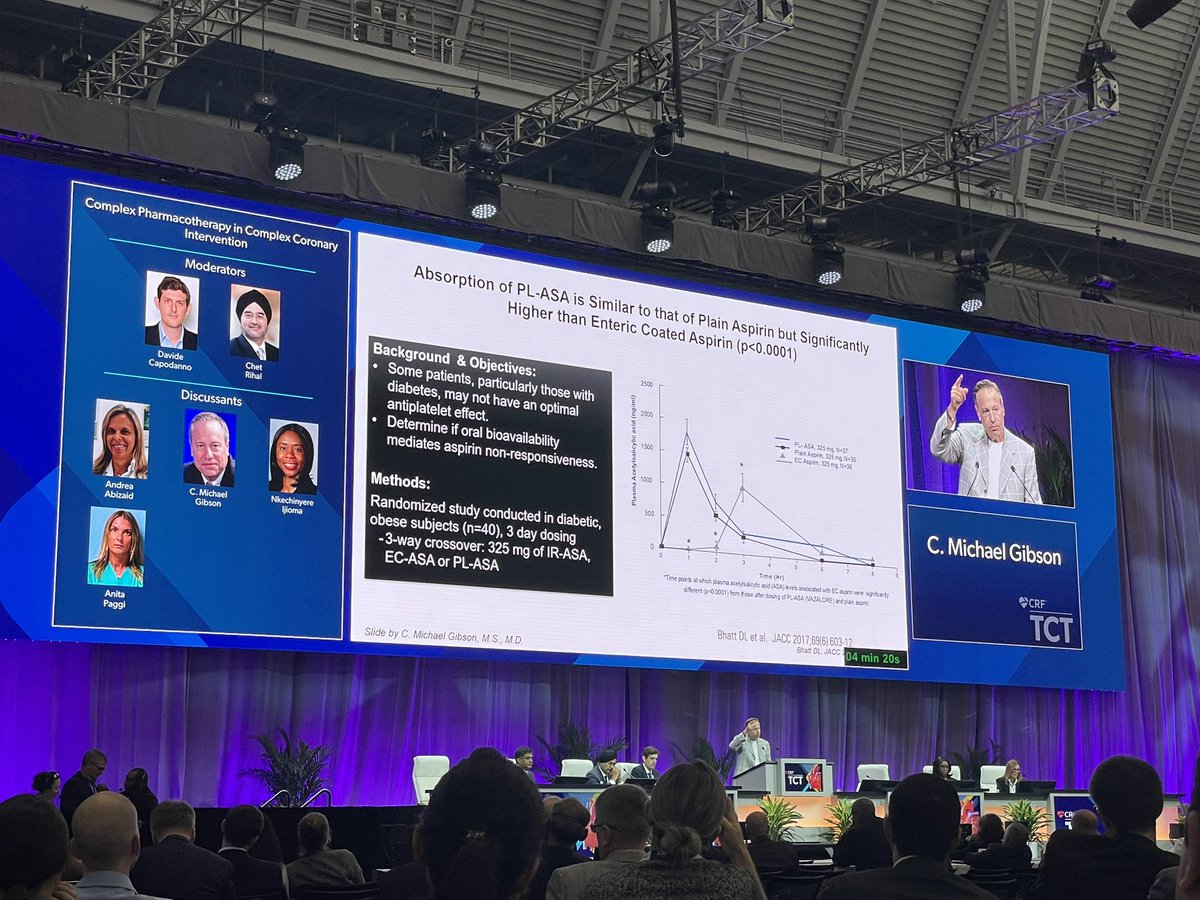
The new ESC guidelines give Aspirin mono therapy a Class 1 recommendation & thienopyridine therapy a class 2b recommendation for chronic CAD thx.
Based on the HOST Exam trial https://t.co/HXXn9uxIlb and the CAPRIE trial https://t.co/hGGrZppFLv what is your practice? #esccongress
Read the July SCAI -TIP
✅Renal Artery Intervention: Current State of the Art | SCAI
✳️RAS still a treatment option
🔷Select appropriate patients
✅Confirm hemodynamically significant RAS
❇️R/o advanced nephropathy
❇️RAS will work @HadyLichaaMD
https://t.co/yAL7WuwRVB
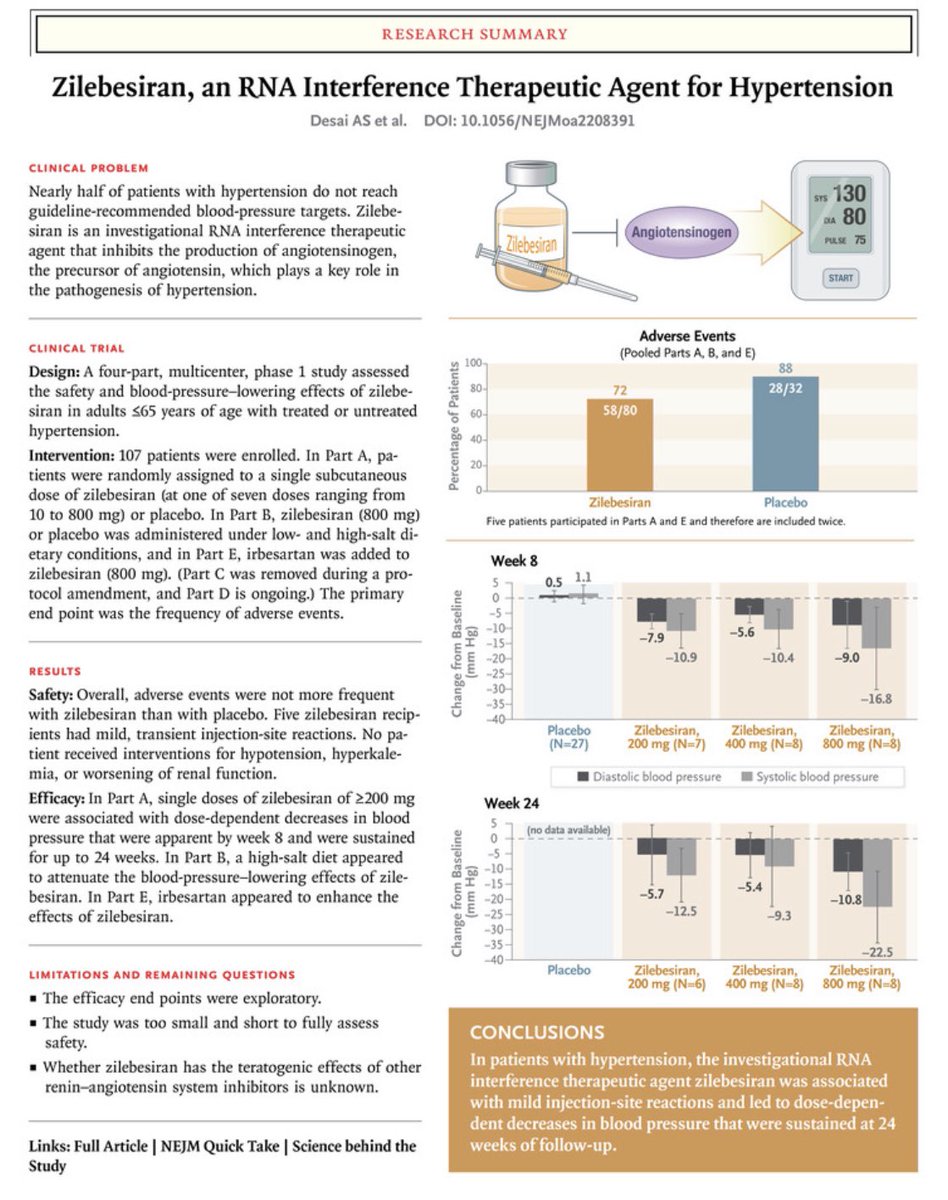
⚠️ Zilebesiran, an RNA Interference Therapeutic Agent for Hypertension‼️
📍 Inhibits hepatic angiotensinogen synthesis
📍 Decreases ambulatory blood pressure were sustained for up to 24 weeks
@NEJM@secardiologia@clinica_sec@SEMERGENap
https://t.co/hZHt3U97Ye
Fantastic discussion of LVOTmodification by the Master @AdamGreenbaumMD. He says: 1) MAC+SEVERE MR➡️any modification procedure followed by TMVR, 2) isolated MAC-MS➡️SESAME and follow for improvement in sx’s/gradient (some may not need TMVR)! #CSI2023@sameergafoor
Association of Beta-Blocker Therapy With Cardiovascular Outcomes in Patients With Stable Ischemic Heart Disease: @JACCJournals
My friend @MichaelGNanna is studying the effects of beta blockers and calcium channel blockers in older pts with SIHD: @PCORI
15-point summary 👇👇👇
The best way to prolong the life of people with severe peripheral arterial disease is not a fancy stent; it's medical care & proper risk-factor control (https://t.co/wwgBhC6VtW) 🧵