The recent RCA stenosis and SCD paper is a good teaching example. Through a single study, we can discuss time zero, immortal time, prediction vs. causality, confounders, mediators, colliders, overadjustment, etc..
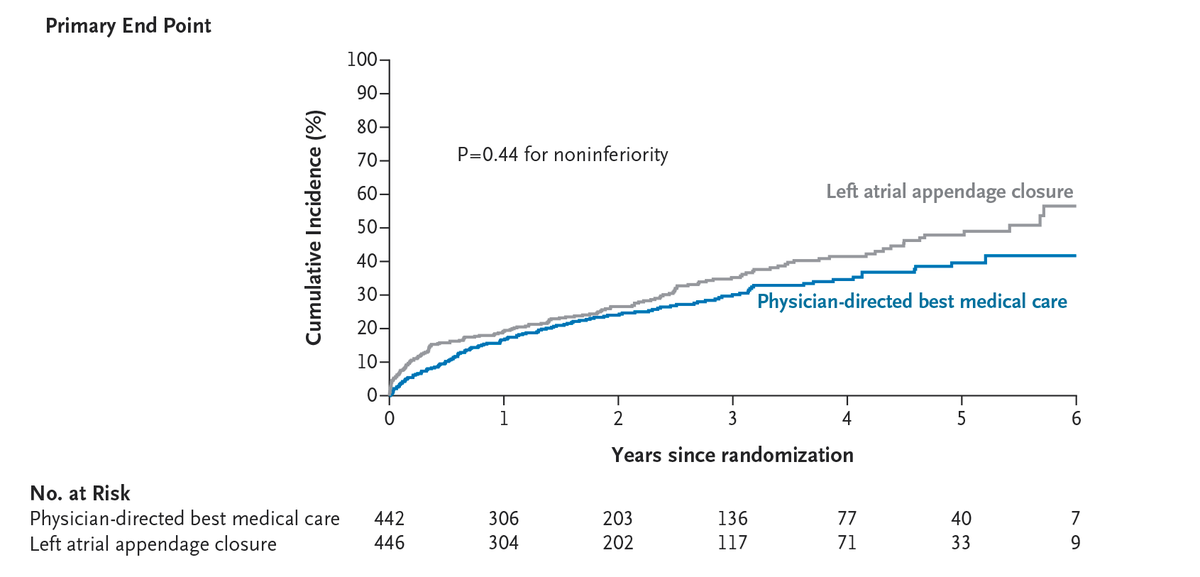
Among patients with atrial fibrillation at high risk for stroke and bleeding, left atrial appendage closure was not noninferior to medical therapy in reducing the risk of stroke, embolism, major bleeding, or death at 3 years. Full CLOSURE-AF trial results: https://t.co/qAMC2o36Mi
Editorial: Left Atrial Appendage Closure — Another Overused Method in Cardiology? https://t.co/KyOWdblUR3
Classical statistics asks: “Given this data, how likely is my hypothesis?” Bayesian statistics flips this. It asks: “Given this data, how should I update my beliefs?”
https://t.co/YasibRW9tq
#datascience#RStats#machinelearning#datascientist#statistics
#cardioX is more alive than ever. On the same day that @ihtanboga delivers two incredible articles on COBRRA and SELUTION DeNovo, and a masterclass no one interested in biostatistics and trial interpretation should miss, @ehj_ed publishes a debate I joined with @thiele_holger, @cvrints, and others on the significance of the RF-CL model for estimating pre-test probability of coronary artery disease. This article actually originated from the X discussion shown below, where @ihtanboga had also shared a valuable calculator, and I learned a lot from @cvrints as well. These coincidences close the circle. Long live the sparks between scientific literature and social media that keep the debate alive.
https://t.co/3DKyHzR8pI
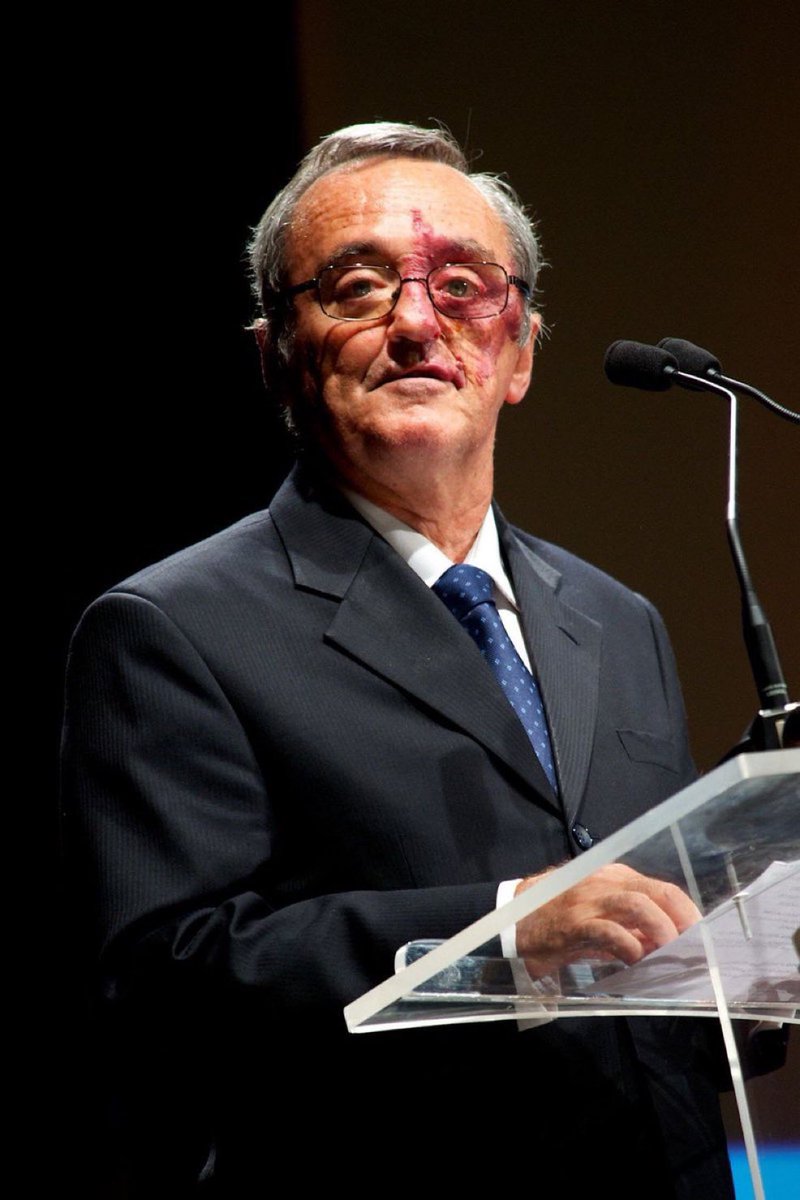
Key Discoveries & Contributions by Mariano Barbacid
1.Isolation of the first human oncogene (HRAS) — In 1982, Barbacid’s group was one of the three labs that isolated HRAS from a human bladder carcinoma, marking the first human oncogene identified and linked to cancer.
2.Identification of the first cancer-associated mutation — He helped identify a specific point mutation in HRAS that was responsible for its oncogenic (cancer-causing) properties.
3.Isolation of the TRK oncogene — In the early 1990s, Barbacid’s research isolated the TRK gene from colon carcinoma, which became a foundation for targeting nerve-growth-factor pathways and tumor-agnostic therapies.
4.Discovery of TRK family receptors for neurotrophins — His work led to recognizing TRK tyrosine kinase receptors as functional receptors for the NGF family of neurotrophic factors, important in both neuroscience and oncology.
5.Advancement in targeted cancer drug strategies — At Bristol-Myers-Squibb, he helped pioneer oncology drug discovery focusing on molecular targets in cancer.
6.Redefined role of CDKs in the cell cycle — His group showed that some cyclin-dependent kinases (CDKs) previously thought essential for cell division (e.g., CDK2) were actually dispensable for DNA replication, reshaping understanding of cell cycle regulation.
7.Leadership in cancer research institution building — Founded and directed the Spanish National Cancer Research Centre (CNIO) in Madrid, establishing it as a major global oncology research hub.
8.Recent therapeutic animal studies — His lab has pioneered combined target strategies (e.g., targeting KRAS, EGFR, STAT3, RAF1) in genetically engineered mouse models to regress pancreatic and lung tumors, advancing translational cancer therapy research.
🫀 First-in-human valve-in-valve TAVI in mechanical prostheses
Bench-to-bedside study: disc dislodgement & retrieval followed by successful TAVI.
Published in European Heart Journal.
👉 https://t.co/tORjwdmhy6
@escardio@PCRonline@secardiologia@CNIC_CARDIO@sacyl@TCTMD
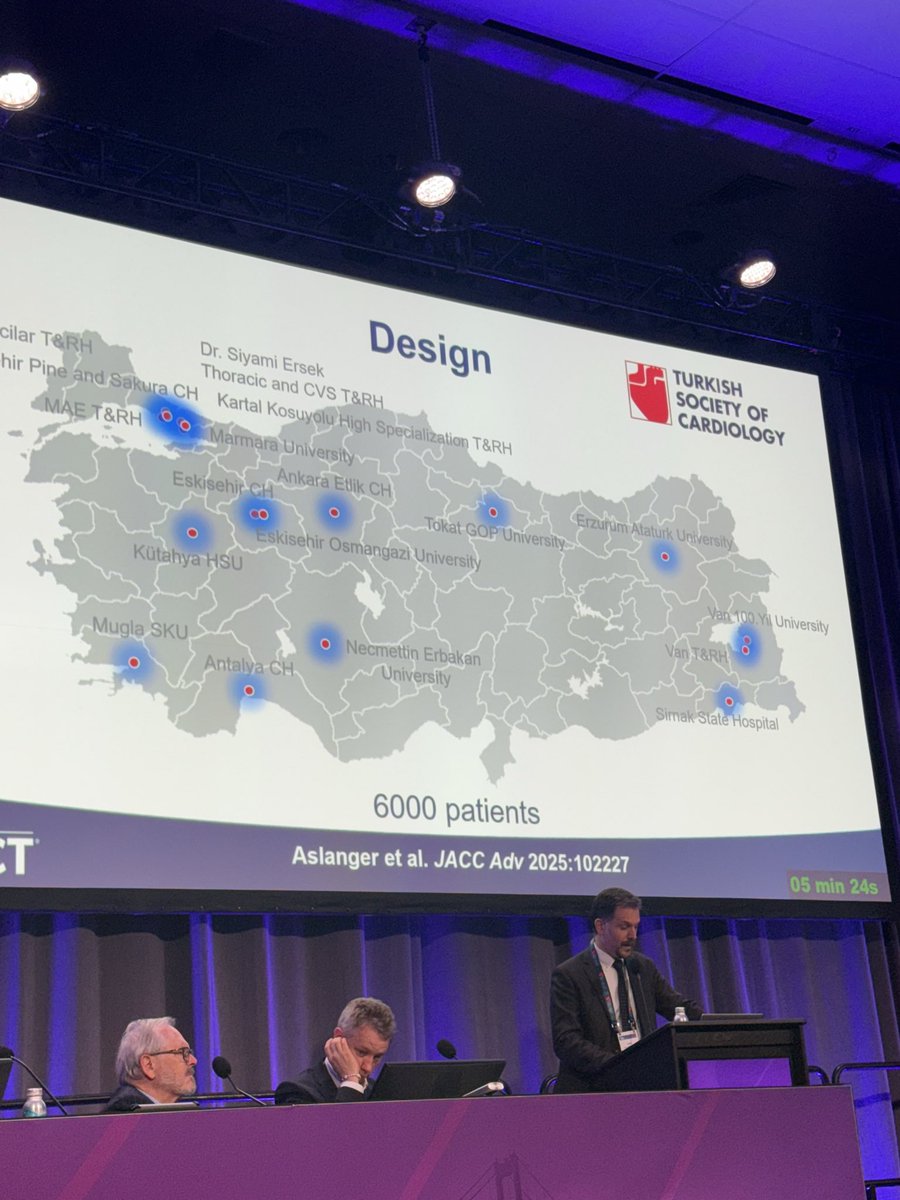
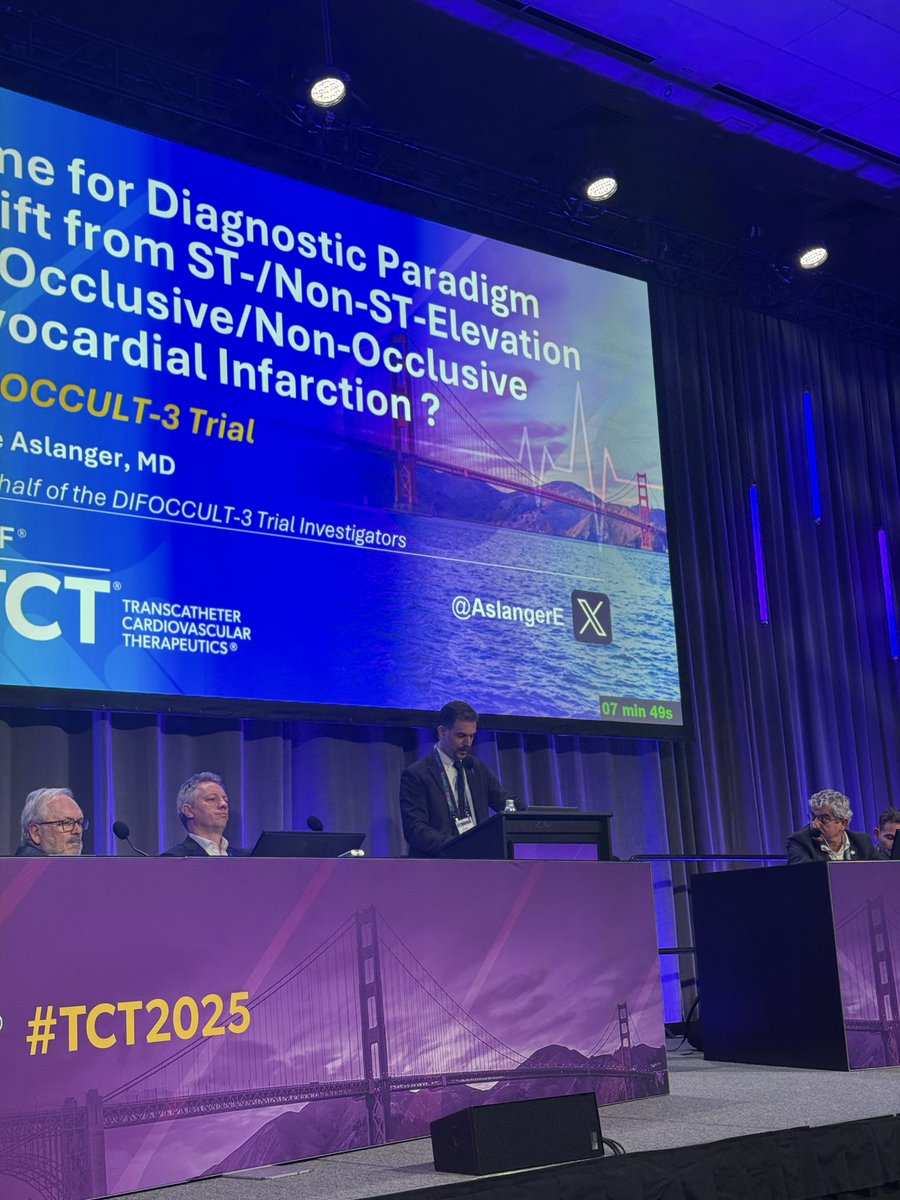
#TCT2025 in San Francisco; DIFOCCULT-3 trial just presented by @AslangerE . 6000 ACS patients,18 centers from #Turkiye. Very nice discussions. It is time to paradigm shift from STEMI/NSTEMI to OMI/NOMI myocardial infarction. Proud to be lead discussant of this session. #tsc#acs
Leaflet durability remains a major challenge for transcatheter heart valves. Bench studies suggest balloon-expandable TAVI valves often show pinwheeling, linked to reduced durability. The DurAVR system (Anteris Technologies) uses a short-frame, biomimetic leaflet design to minimize pinwheeling and improve haemodynamics. https://t.co/mahs2b1JFn
Creative Minds, Younger Brains: Engaging in music, dance, painting, or even (some) gaming is linked to delayed brain aging.
Article: https://t.co/04vS4dgVQs.
🧵1/5
Biophysical modeling, graph theory, and Neurosynth analyses reveal plasticity-driven efficiency in regions most vulnerable to aging. Out Today in @NatureComms, congrats @carlosmig_12 and colls! @CreativeAgeIntl@j_artshealthlab@CreativeBrainWk
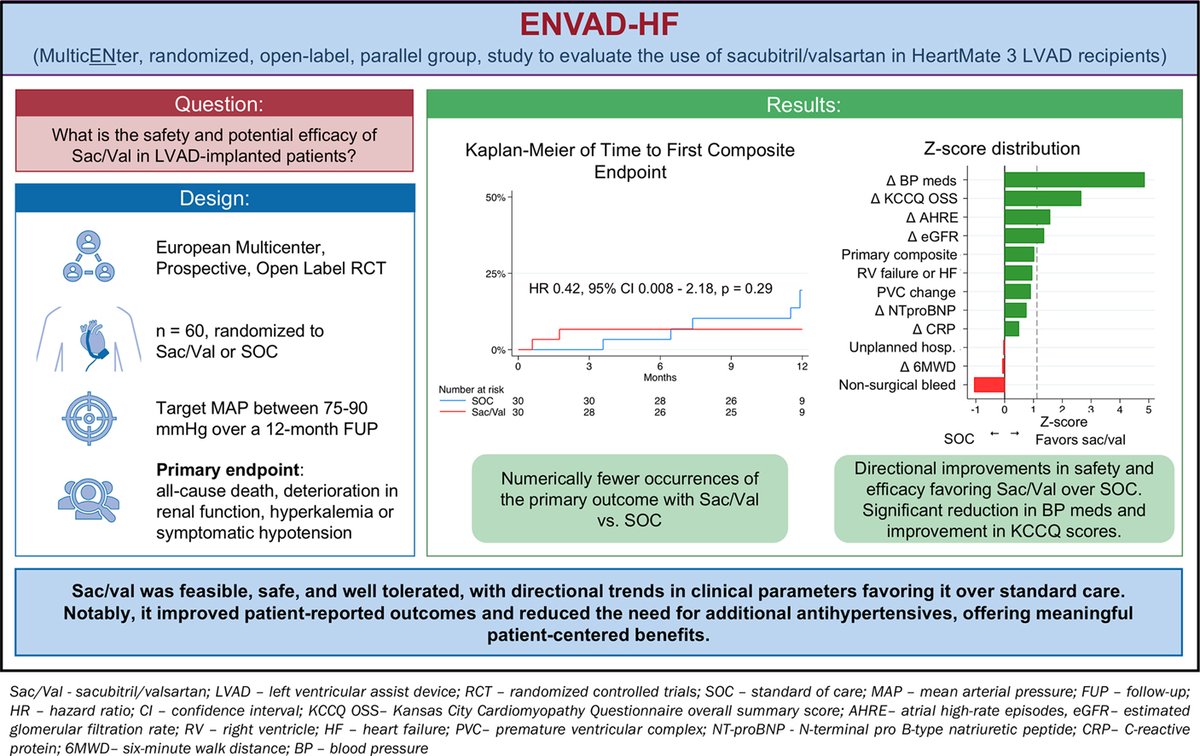
ENVAD-HF, a prospective RCT in stable HM3 #LVAD recipients, shows angiotensin–neprilysin inhibition is safe and well-tolerated, paving the way for trials of #HF therapies in this population. https://t.co/NrayztGHvi
#JACCHF#ESCCongress#WCCardio@MajaCikes@scottdsolomon