Prof. Department of Biological Sciences, IISER Kolkata. Postdoc: Harvard Medical School, Harvard-MIT Division of Health Sciences and Technology; PhD MBU IISc
#WATCH | This World Environment Day, a young voice from Sikkim carries a powerful message for the future.
Grace Wangchuk Bhutia reminds us that protecting the environment begins with simple everyday actions. Her heartfelt appeal underscores the importance of collective responsibility in preserving nature and building a cleaner, greener and more sustainable world for future generations.
#WorldEnvironmentDay @moefcc@MIB_India@PIB_India
Towards mRNA therapeutics 2.0
https://t.co/hGncs4wFRN
This new Review discusses progress and insights from clinical studies on mRNA-based drugs, including enzyme replacement therapies, cancer immunotherapies, genome-modifying therapies and immune cell reprogramming therapies
Evidence from ICMR’s AMR Surveillance Network helped inform a novel β-lactam enhancer strategy behind an Indian antibiotic recently approved by the US FDA, showcasing India’s contribution to the global fight against AMR.🦠
Read here:
🔗https://t.co/ctybQCVROJ
Cancer is not only driven by genes but also by physics. Researchers show that tissue mechanics can determine whether mutated cells are eliminated or spread. These early physical cues may shape cancer in ways biology alone cannot explain.
Read: https://t.co/3z87b7ZhzO
World's first engineered biomaterial capable of regenerating cartilage damaged by osteoarthritis (OA). Collaborative work of Prof. Amitabha Bandyopadhyay and Prof. Sourabh Ghosh's group. Many Congratulations to all the scientists involved in this wonderful work.
I am happy to report that we have developed the world's first biomaterial capable of regenerating cartilage damaged by osteoarthritis (OA). @AdvSciNews
https://t.co/znptDKCPP2
Let me explain the significance in a🧵1/7
Some babies are born with a condition where part of the food pipe is missing, making feeding and growth extremely challenging. Current treatment often involves multiple complex surgeries, which can be physically demanding and carry long-term complications.
Researchers at University College London, in collaboration with Great Ormond Street Hospital, have developed a lab-grown oesophagus using the patient’s own cells. In early animal studies, the tissue integrated well and supported natural movement of food, without signs of rejection.
If successful in humans, this approach could offer a safer and more durable alternative to existing surgical methods.
It is still in the early stages, but it signals a meaningful step forward for regenerative medicine and paediatric care.
#regenerativemedicine #medicalinnovation #biotech #tissueengineering #pediatrics #healthcareinnovation #clinicalresearch #stemcells #infosysprize
https://t.co/37ZXOD7SOK
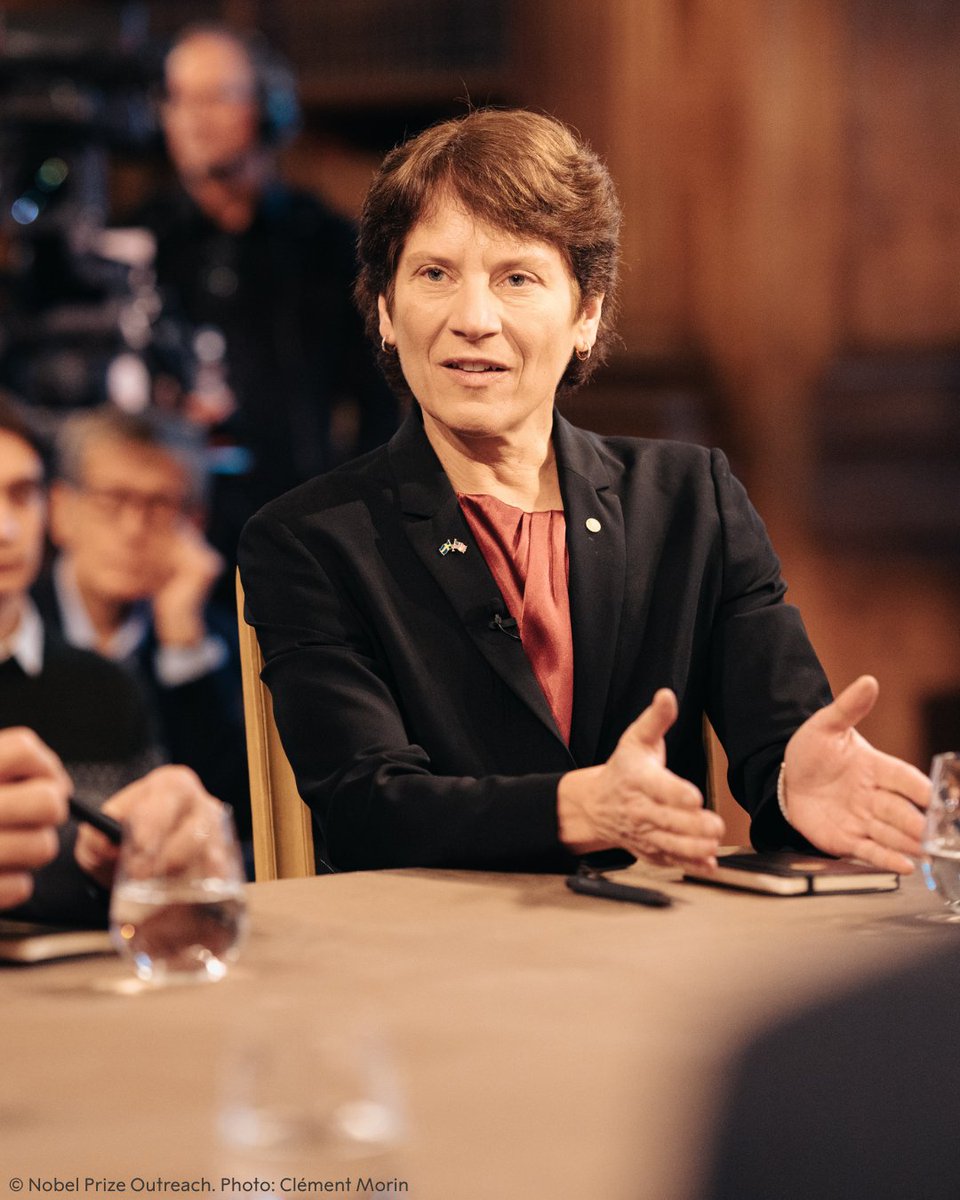
What’s the most important quality of a successful scientist? Chemistry laureate Carolyn Bertozzi believes it’s resilience. “You dust yourself off, you get back up there and you go out the next day and try again,” she said.
Do you agree?
#NobelPrize