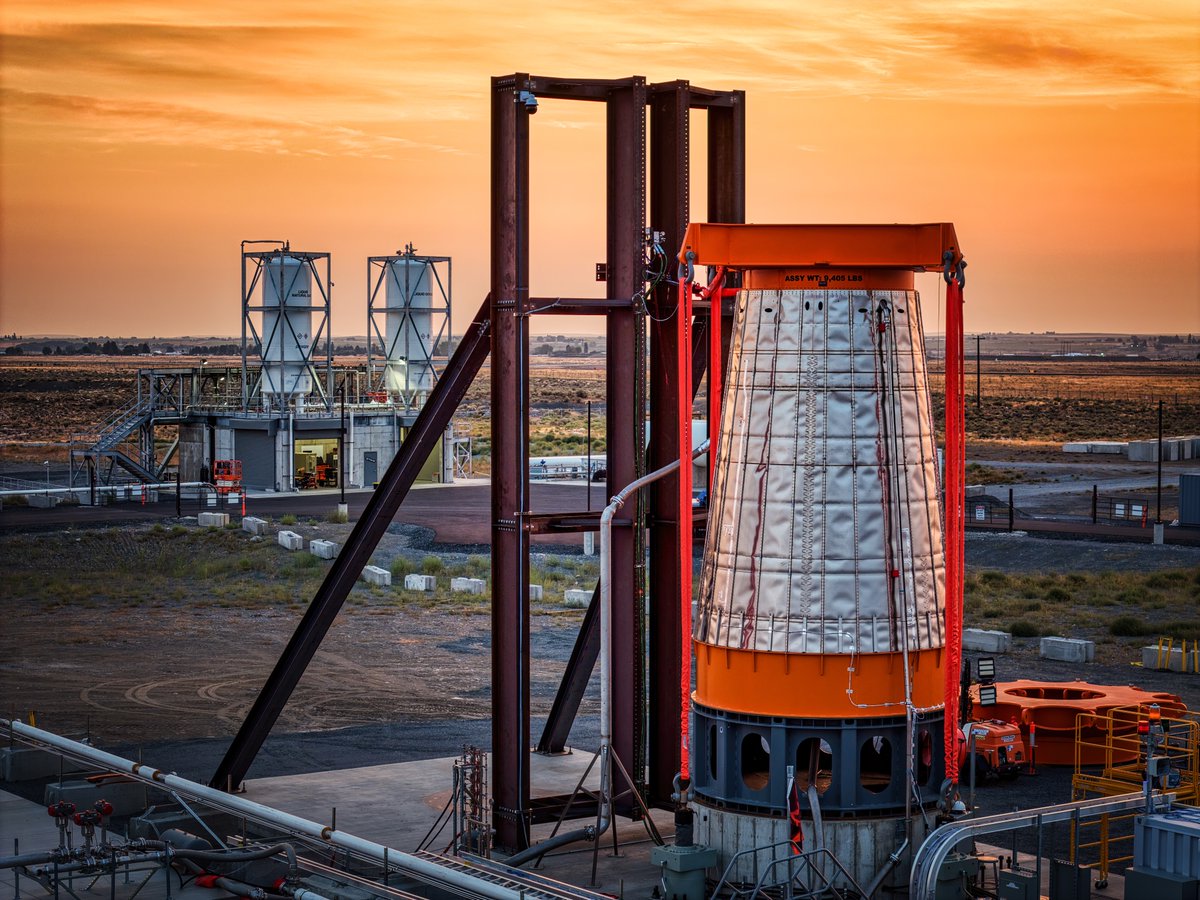
Stage 2 has officially left the rocket factory for the last time. 😢🫡
Now in Moses Lake, WA, it will undergo cryo proof testing and then a hotfire campaign with its Andromeda engine before shipment to our launch site in Cape Canaveral, FL.
Always good to get out of DC and into the field where the action is happening.
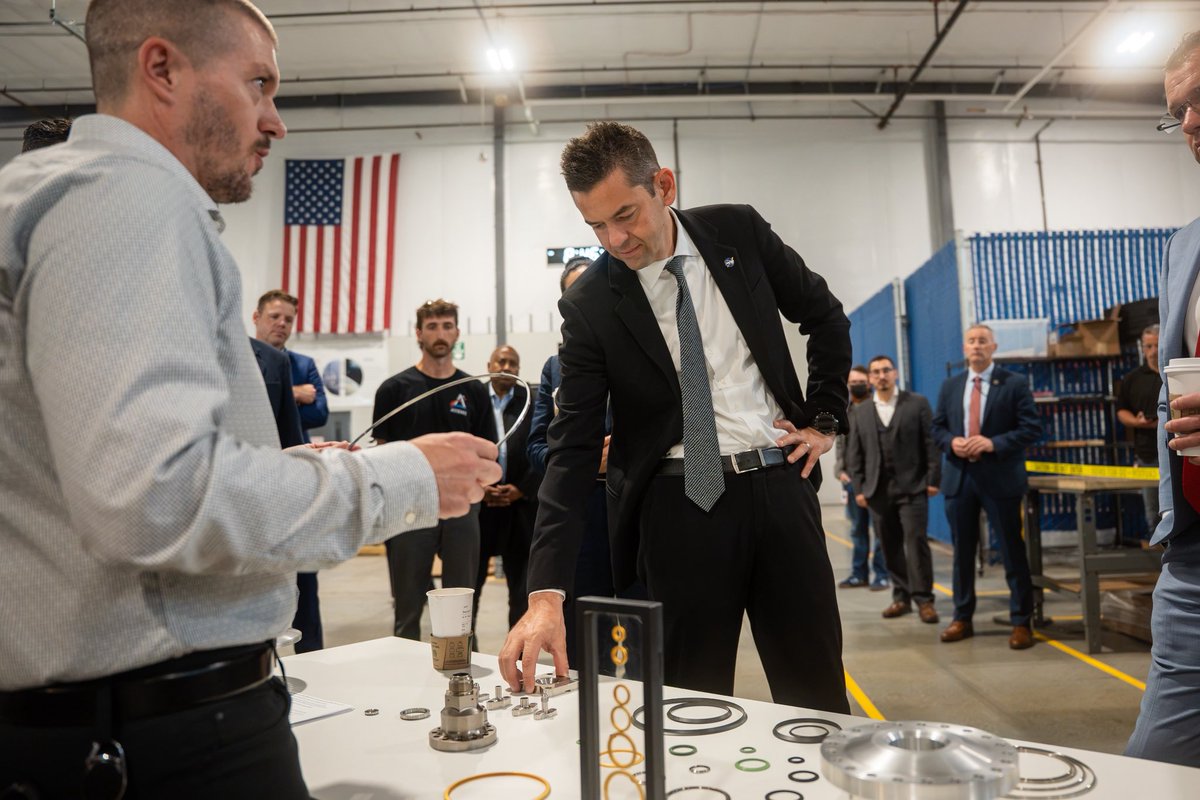
From @Livermore_Lab to United Precision, @Boeing, @_Rocketdyne, and @stoke_space, we spent the last few days with the scientists, engineers, and technicians putting some of America’s most ambitious missions into motion.
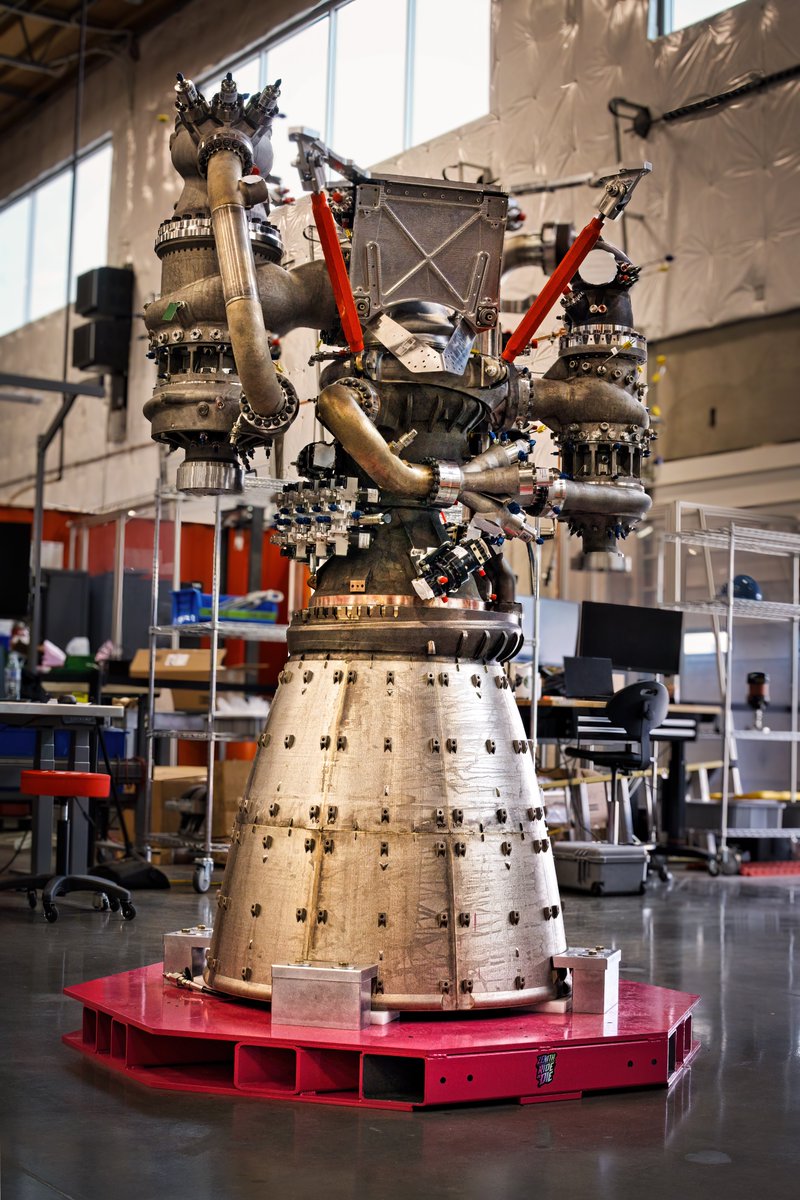
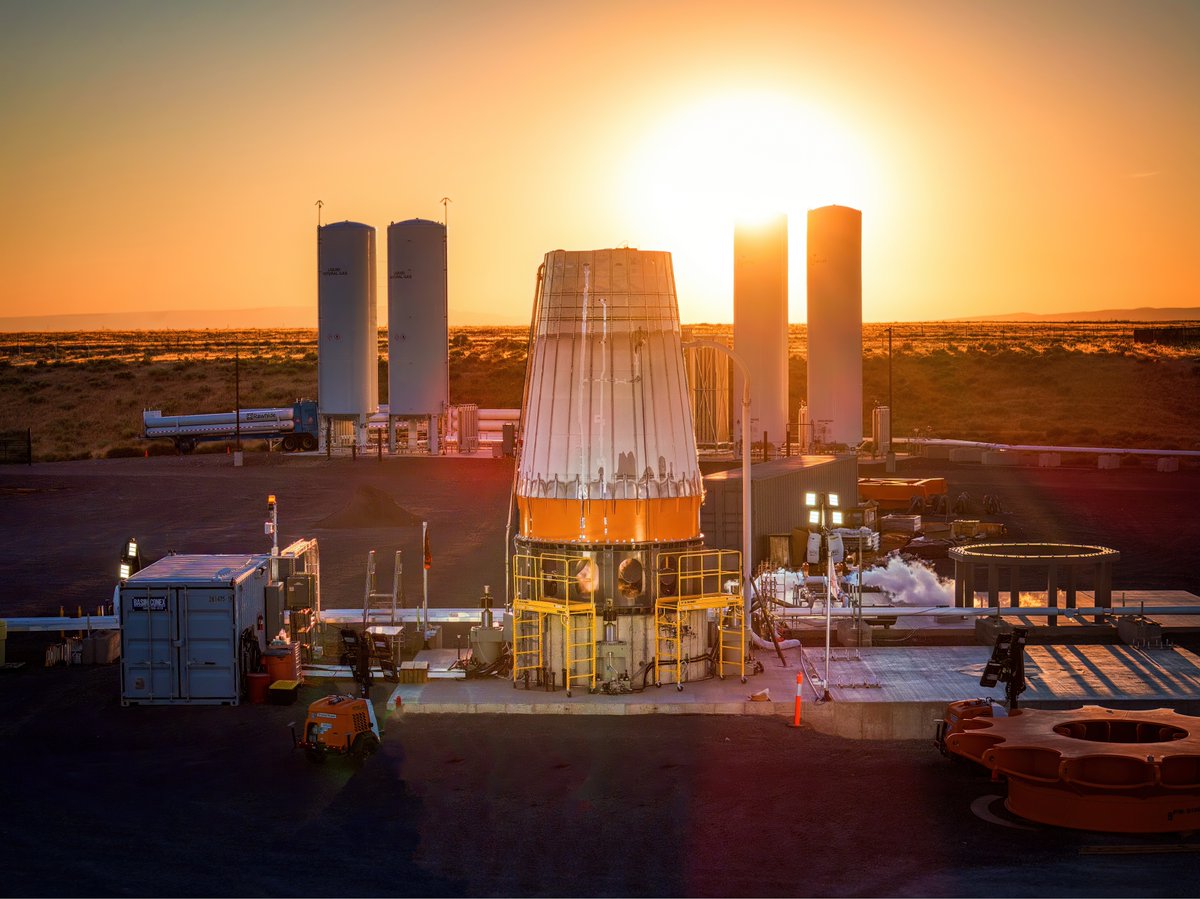
We saw incredible science, aerospace manufacturing, propulsion hardware for ESM, Orion, and SR-1, and wrapped it up with live Zenith and Andromeda tests at Stoke’s test site, which were extremely impressive.
We have an enthusiastic and engaged President @POTUS who has given us the policy, the resources, and even a new Space Academy. We have bipartisan support from Congress, the talent of the NASA workforce, the best of industry, and a playbook that changed the world in 1969 and will do so again.
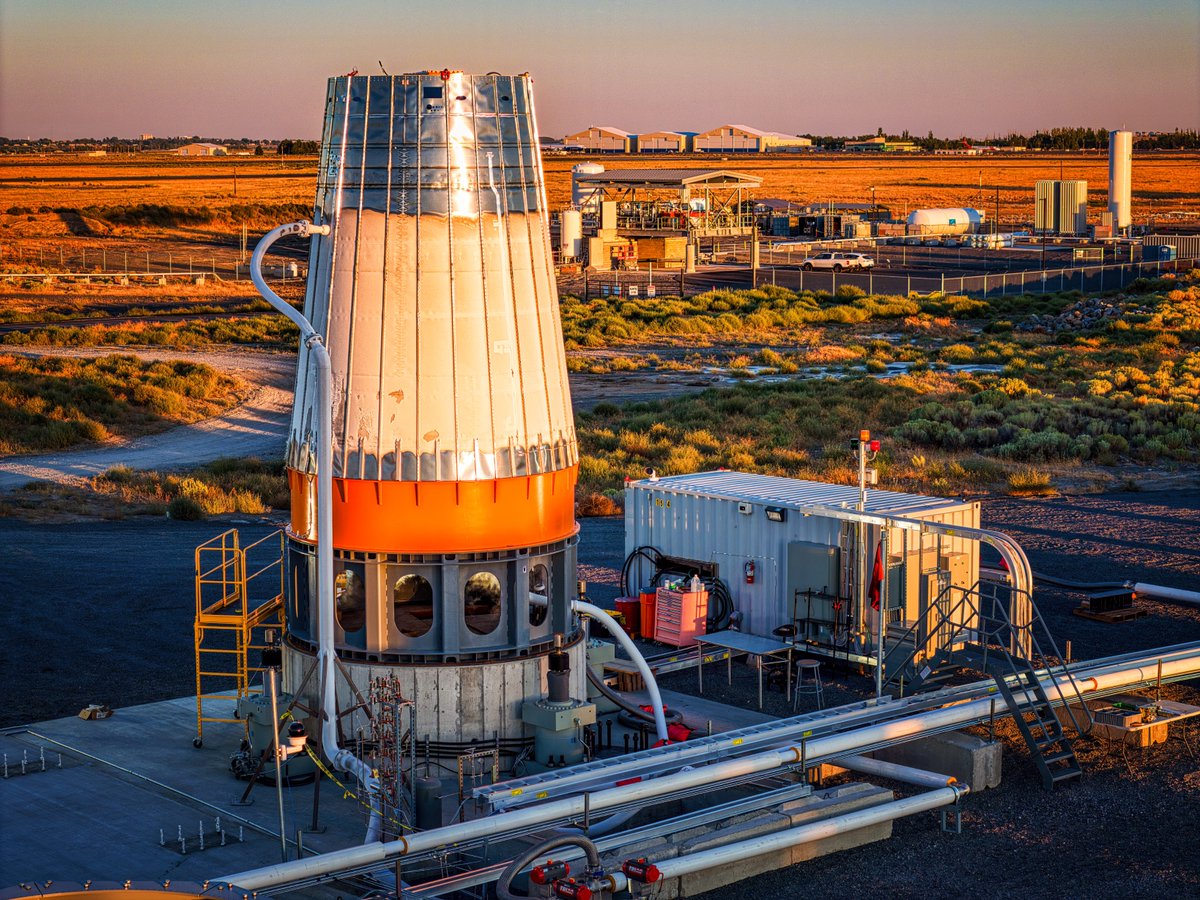
Leak shroud testing – the six-sided metal enclosure around the nozzle is designed to simulate the engine bay of the integrated rocket to identify any fuel or oxidizer leaks during a full mission duty cycle burn.
This is a key test to help retire risk for stage static fire and flight.🚀
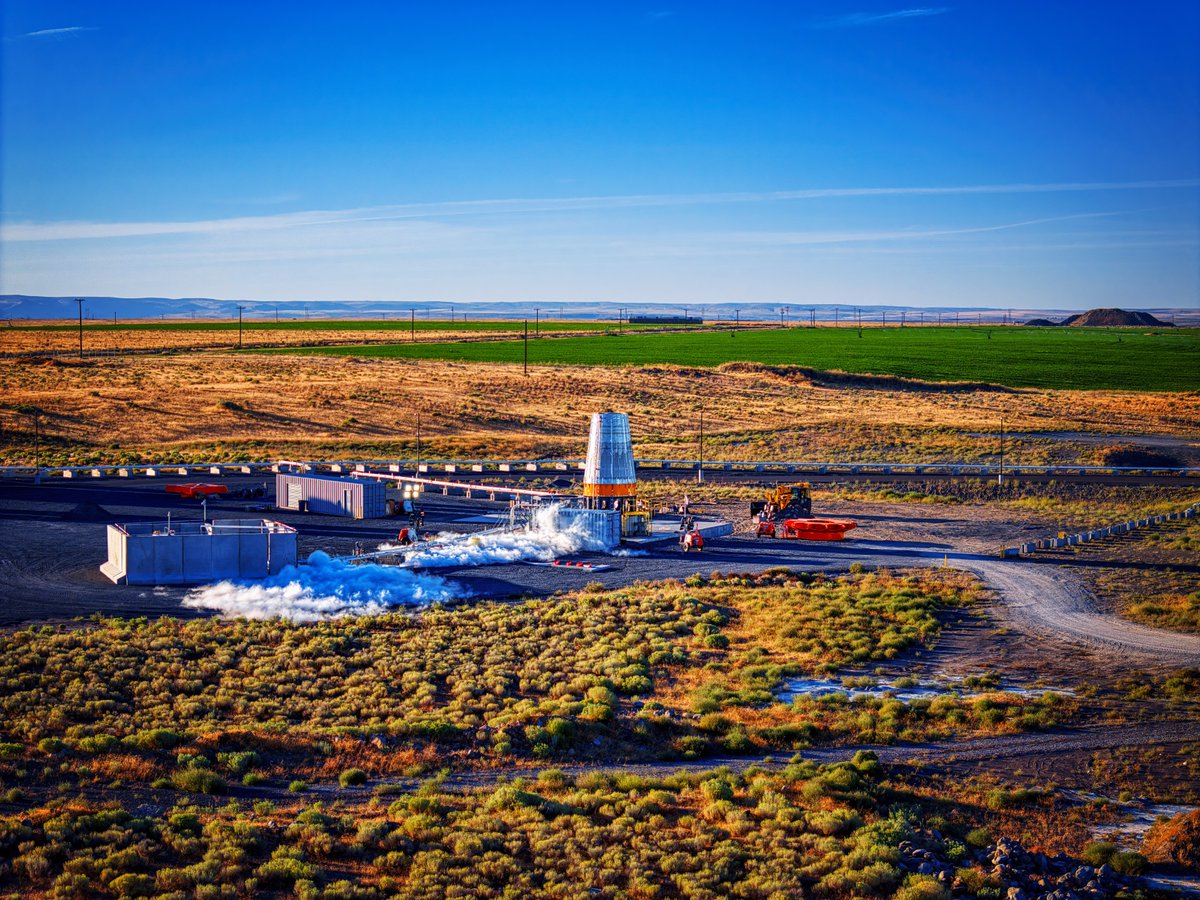
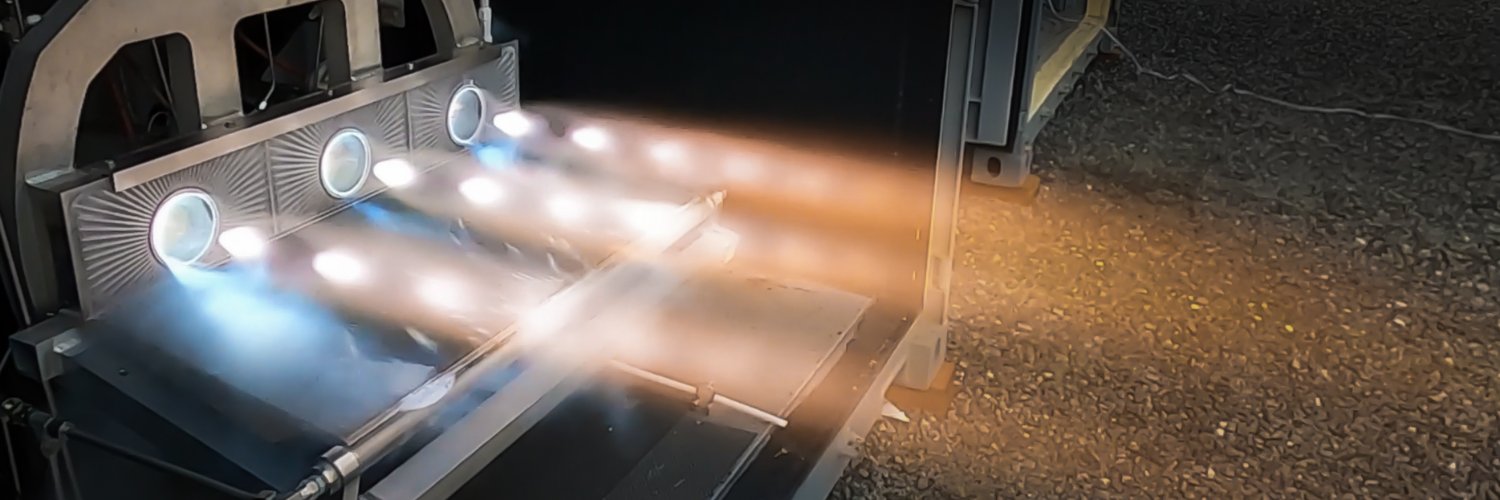
Another day, another Zenith engine hot fire... Here we conduct a chirp test of our thrust vector control system - gimbaling the engine at increasing frequency to demonstrate control bandwidth (how fast we can respond to commands in flight). 📈
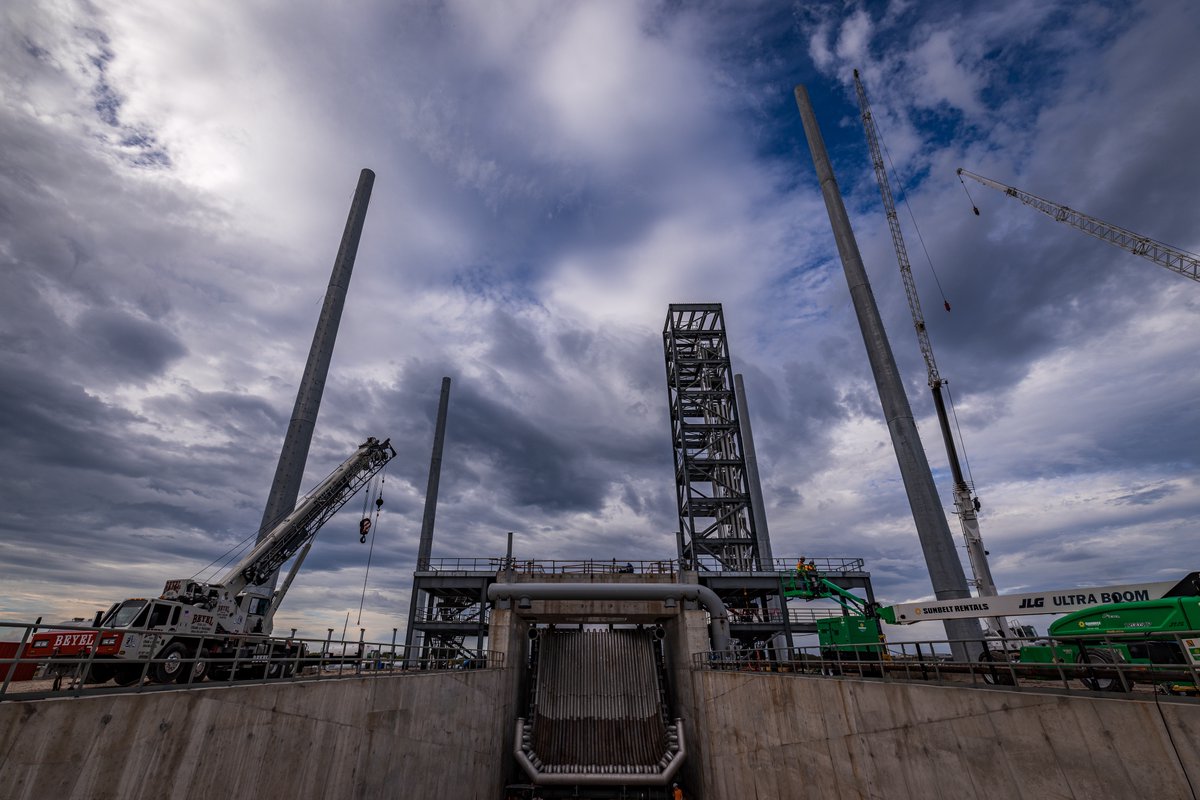
Today, on the anniversary of John Glenn's historic space flight in 1962, we raised the flag over SLC-14 for the first time since breaking ground. It's an honor to be part of America's space history – and its future. 🇺🇸🚀
Special thanks to @SLDelta45 installation commander Colonel Brian L. Chatman, Director. of @NASAKennedy Janet Petro, and @RepHaridopolos for joining us.
Stoke Space is racing to build the world's first fully reusable rockets that can launch, survive reentry, and fly again almost right away.
In this episode of Hard Tech, @aaron_epstein sits down with @stoke_space co-founders @AndyLapsa and @Rkt_Da to find out why they chose to take on one of the hardest problems in rocket science, how being a smaller startup gives them an advantage, and what full reusability could unlock for the future of spaceflight.
00:00 — Intro
01:16 — Stoke Space’s mission: Rapid reusability
02:18 — Why Second Stage capsules fail reentry
03:34 — Stoke Space’s stage 2 solution
05:30 — Reusability-First Design Philosophy
07:25 — Early Engine Development & Test Strategy
10:48 — Vertical Integration & Manufacturing
11:21 — Iteration Speed as a Competitive Advantage
12:29 — Software as Core Infrastructure
14:00 — Path to Orbit & Launch Operations
15:04 — How This Could Change The World
Absolutely BLESSED to have this opportunity to change the way the world thinks about rockets, working side by side with some of the best folks in the world!
Big news – we’ve raised $510M in Series D funding!
Total funding is now at $990M. This capital will accelerate our fully reusable Nova rocket development and Launch Complex 14 activation at Cape Canaveral.
Incredibly grateful to our investment partners and excited to keep the momentum going!
Full details: https://t.co/1DzsRDJHIi
Our team just wrapped Stage 2 structural qualification for Nova. 🚀
From cryo ops & 100+ pressurization cycles automated by flight software, to axial & shear loads, the structure proved it exceeds design margins. Huge milestone — great work by every Stoke team that made it happen.
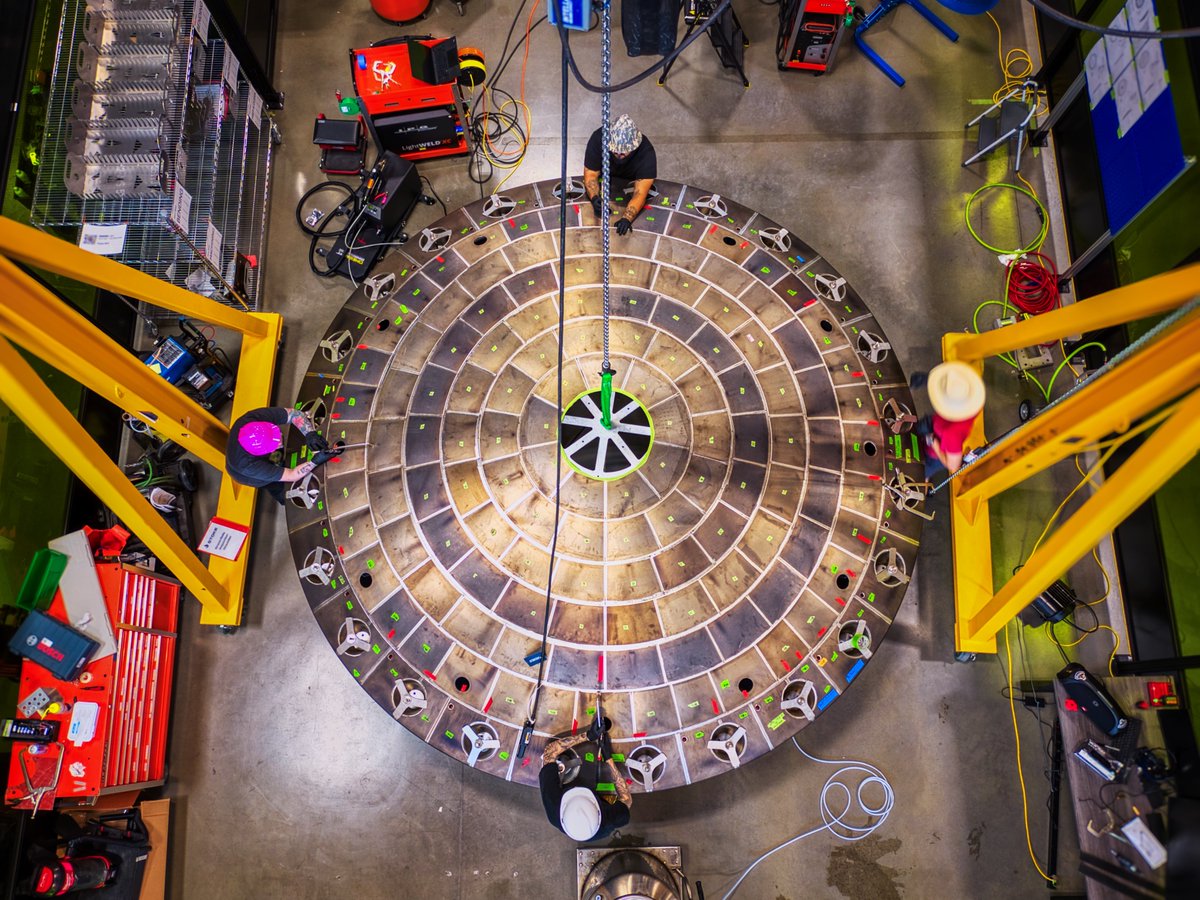
Manufacturing for Nova is in full swing — upgraded Zenith complete, Andromeda’s base heat shield wrapped, Stage 2 structural testing commences. Progress everywhere you look from the rocket factory and beyond. 🚀🏭
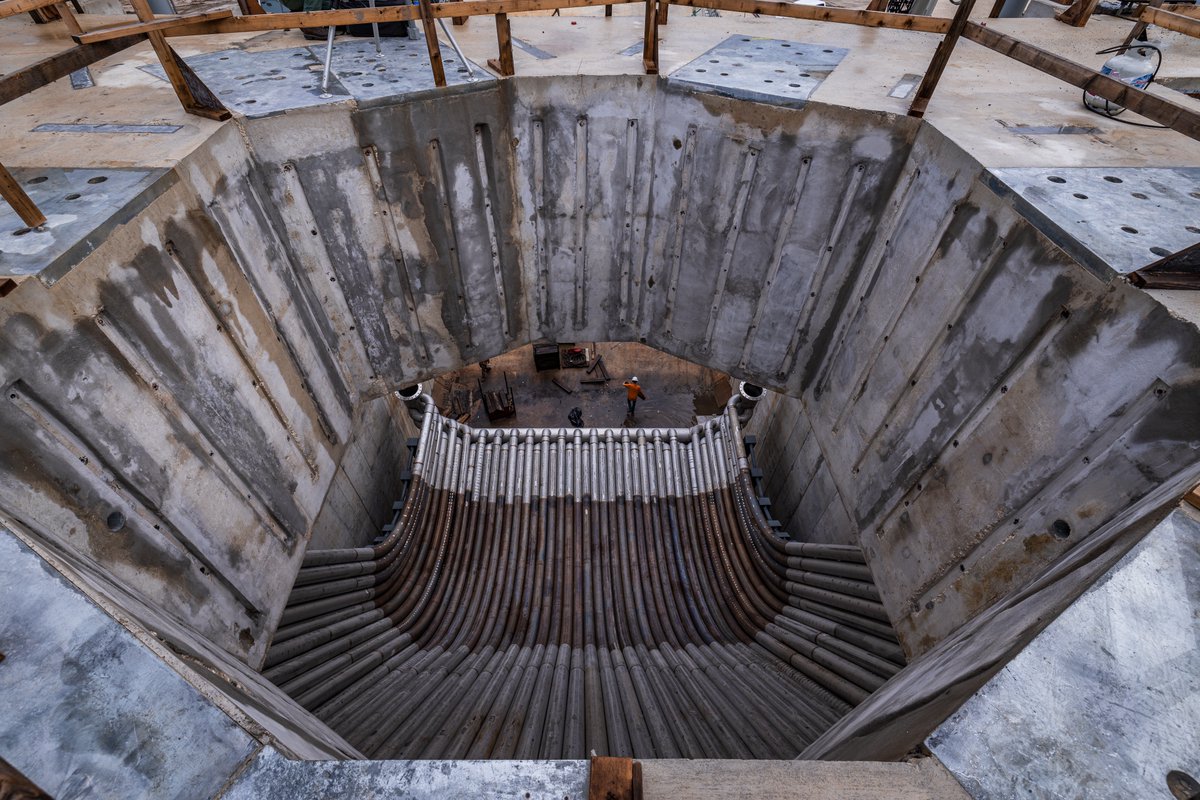
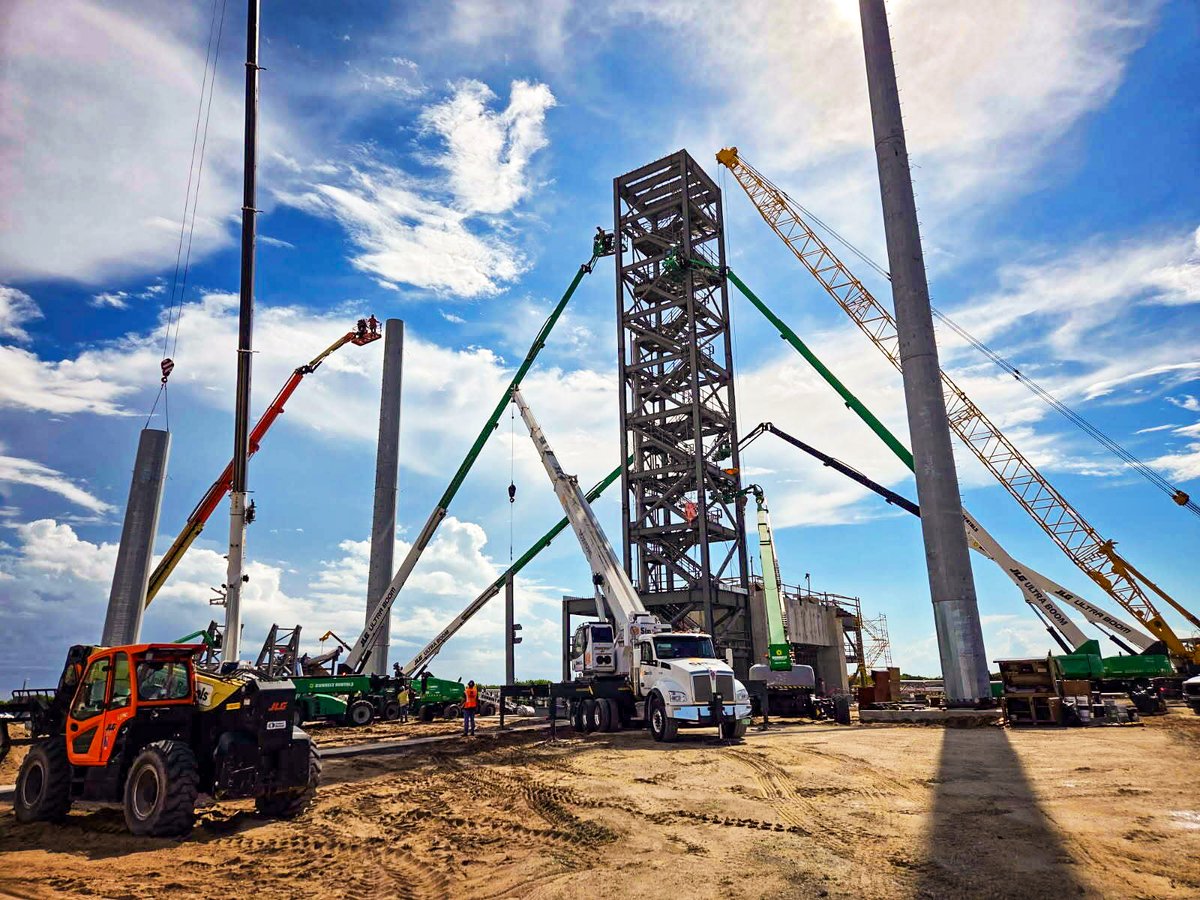
So much progress in just one photo: lightning protection systems going in, umbilical tower welding underway, fresh steel lean-to rising, launch-mount shoring coming out, plus diverter-frame and surface fabrication all happening, right now at SLC-14.
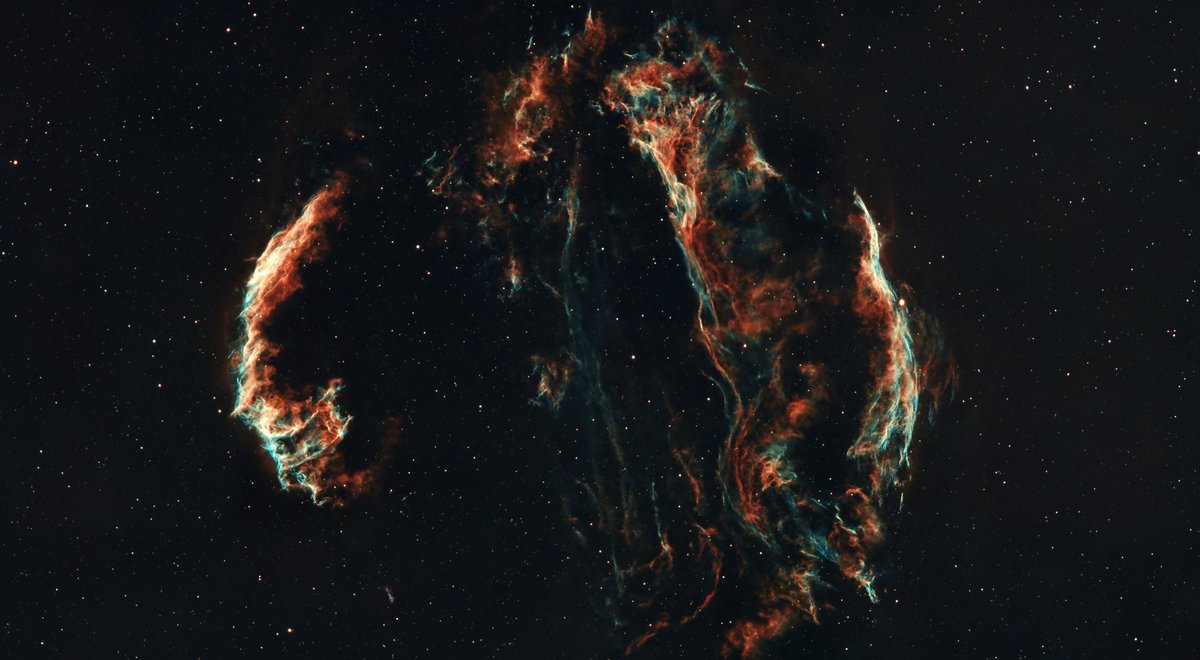
Needed to find something to fill my time between 12:30am and 4:00am so picking up astrophotography. Here is my first "real" image. This is the Veil Nebula taken from my backyard.