@gly_gen & collaborators shared on their curation workshop held in Padua, Italy. Discover how bioinformatics resources are advancing the collection and annotation of glycan function-related data. Thx @biocurator@SFGlycobiology
https://t.co/RhQxNpALwT
Congratulations on the success of the first-ever CFDE - GlyGen Summer Internship. Five talented interns dived into the fascinating world of bioinformatics and glycobiology during this eight-week program. #Bioinformatics#Glycobiology#glycotime
Two key points:
1. Simple and interpretable machine learning models have the best chance of being adopted in the clinic
2. Super exciting that a single ML model works across multiple cancer types!
Join us next week for the International Immunoschool, now in its 9th year. Our theme is 'Challenges & Opportunities in Cancer Immunotherapy' with talks from @EricVivier1@jkagan1@ChiappinelliLab@TheVinodLab@KamphorstAlice & more. Register for FREE >>> https://t.co/nc66ygopvF
Learn more about new tools to author and submit BioCompute Objects (BCOs) in a 9/13 webinar starting at 10:30 A.M. Register today at: https://t.co/WRzDAQ1Z8h
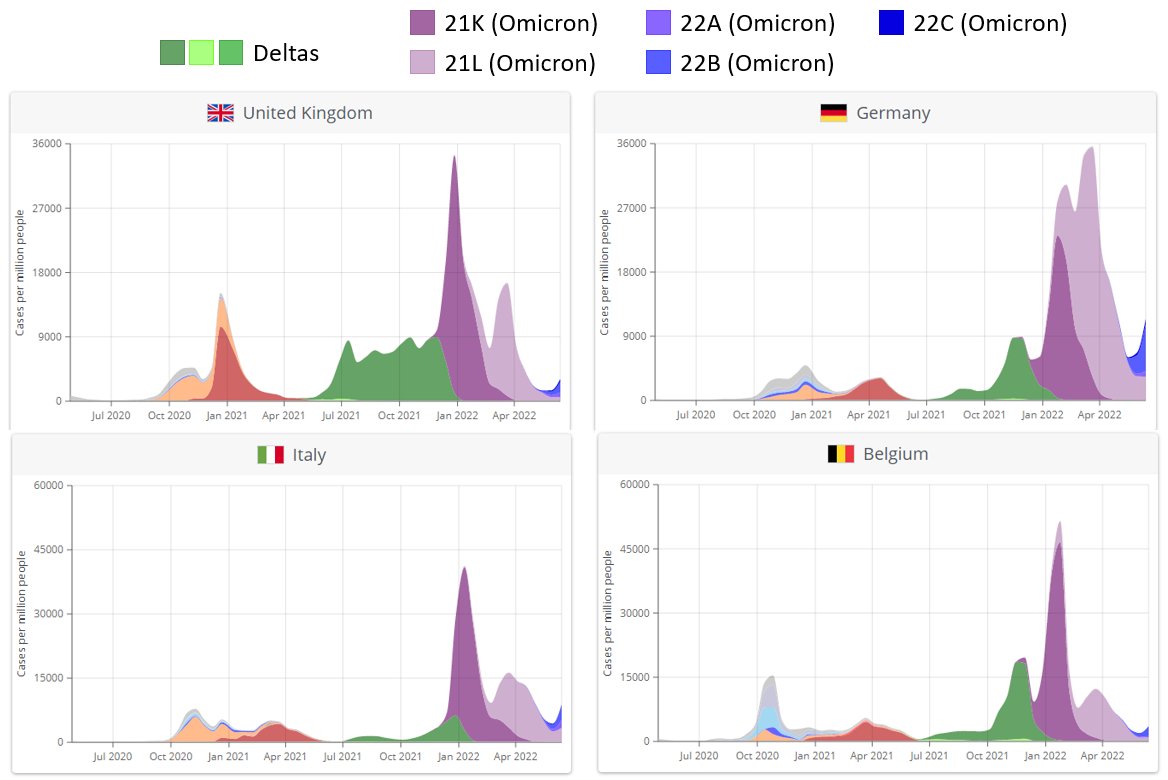
As the BA.4 (22A) BA.5 (22B) & BA.2.12.1 (22C) variants rise in Europe, we're starting to see clear signs of increases in #SARSCoV2 cases. This will increase hospitalizations (some already being seen) - the bigger question is how much & to what outcomes.
https://t.co/zeGsY6v4CL
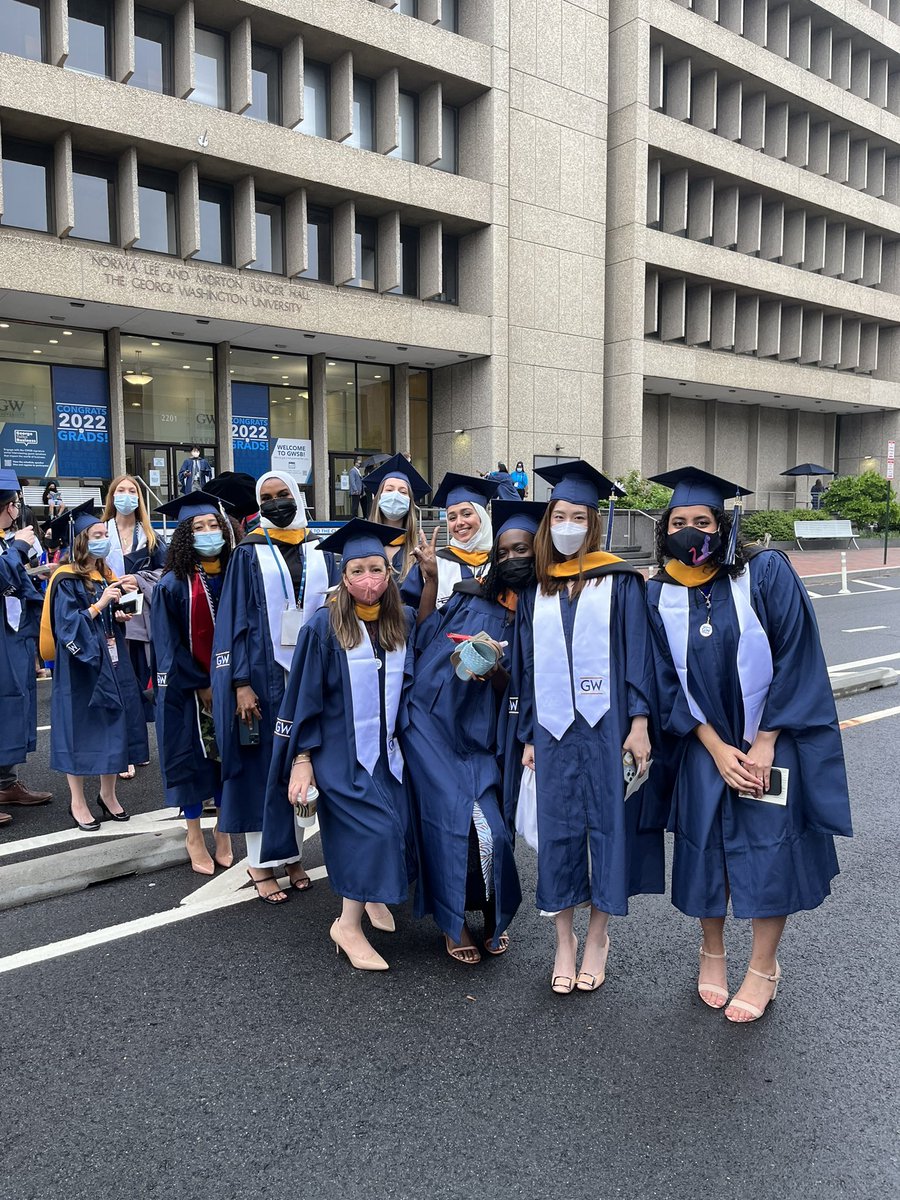
Congratulations to the @gwbmm MS in Bioinformatics and Molecular Biochemistry graduates!! Enjoy your moment and best of luck on your next journey in life!
5/ Interestingly, there are also a couple of sites with strong negative selection taking place, most notably S/410, S/735, S/1146. In BA.1, some negatively selected sites are S/11, S/68, S/1146.
https://t.co/AsGOVjBPso by Zhang and Edwards @gly_gen describing GNOme – Glycan naming and subsumption ontology (@OBOFoundry ontology) which can help users find related glycans. https://t.co/zGzm2I9sNY click on Related Glycans.
Paid undergraduate internships in all areas of cell and cancer biology, including computational biology. Come spend the summer doing amazing and impactful research while also enjoying all that the pacific northwest has to offer!
Why is Omicron thriving? In @nytimes, research by CST's Sergei Pond suggests it could be the variant's unusually large number of mutations, with some working in concert to support Omicron's essential functions. https://t.co/E2Qs2YDN4v @templeuniv@templebio@myigem@TempleTUYA
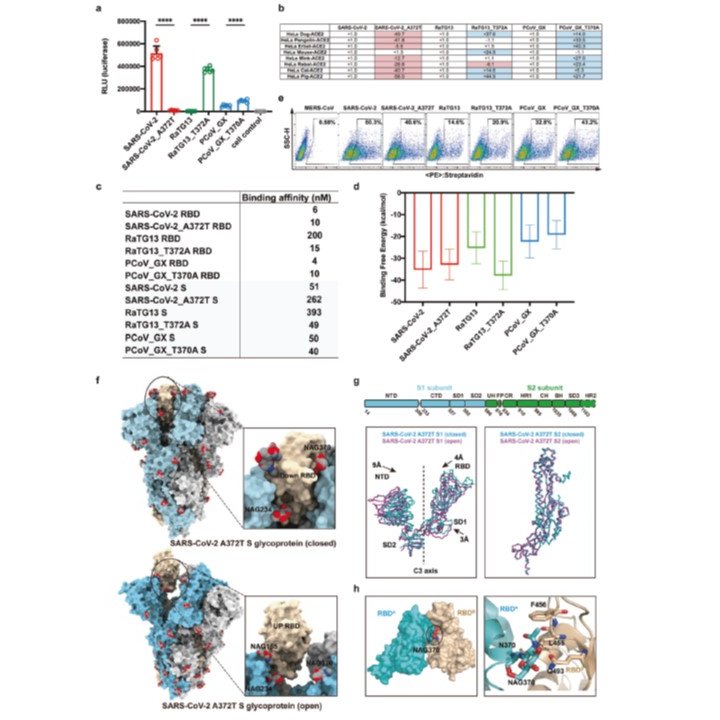
The loss of N370 glycan during SARS-CoV-2 evolution allowed the Spike protein to adopt more desirable open state, thereby facilitating more efficient binding to ACE2 and higher capacity for infection https://t.co/nIJ5VJnZlA
#glycotime
Update: Switzerland now reports deaths by booster status.
Compared to unvaccinated people, the COVID mortality rate is:
• 9x lower after full vaccination
• 48x lower after a booster
[From our post with @maxcroser on death rates by vaccination status: https://t.co/EozbccWmuj]
#jobopening Sr. Res. Associate, Bioinformatics position at GW medical school https://t.co/iLdAdd40Fn. The position is for the analysis of NGS data and other high-throughput data. Collaboration, Respect, Openness and Diversity are core values that define the GW.








![redouad's tweet photo. Update: Switzerland now reports deaths by booster status.
Compared to unvaccinated people, the COVID mortality rate is:
• 9x lower after full vaccination
• 48x lower after a booster
[From our post with @maxcroser on death rates by vaccination status: https://t.co/EozbccWmuj] https://t.co/ozWueyHO2k](https://pbs.twimg.com/media/FJSkuBXWUAA20In.png)


