Disaster risks are not simple. Impacts often cascade across systems, creating new risks.
Addressing systemic risks requires a new approach, working across silos, accepting a greater degree of uncertainty.
Learn more about systemic risks ➡️ https://t.co/4ST6asZ4uN
As El Niño is forecast to intensify, the risk of heatwaves, droughts, heavy rainfall & other extreme weather is increasing. The WMO community steps up coordination, climate info services & #EarlyWarnings to help countries prepare for potential impacts.
➡️ https://t.co/hgILfdYYs7
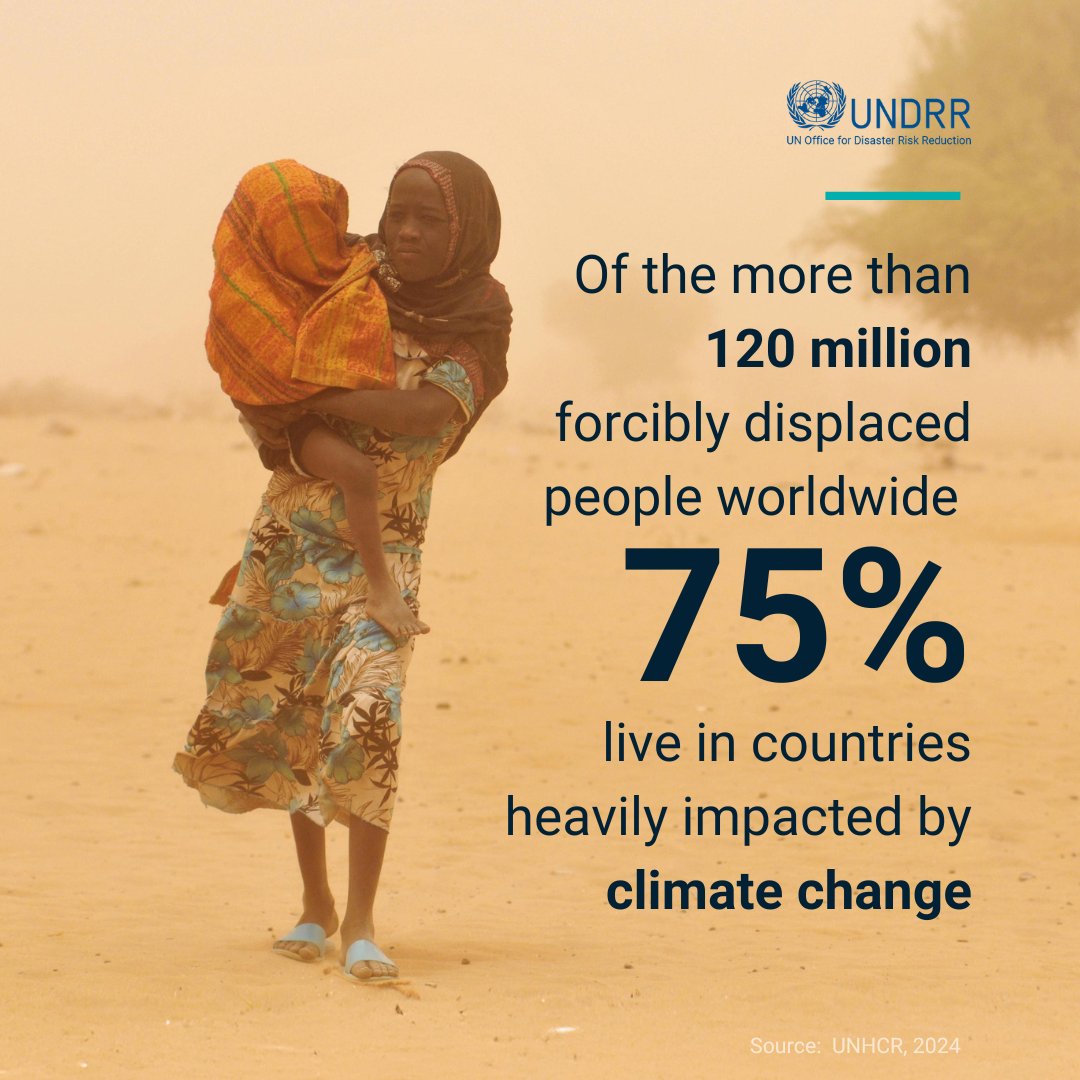
Climate shocks are compounding conflict misery, pushing those already in danger into even more dire situations.
States must protect forcibly displaced people from climate disasters, and include them in finance and policy decisions, says @UNHCR ➡️ https://t.co/E80XU6z2AR
Europe is warming >2x as fast as the global average, reducing snow & ice cover. High air temperatures, drought, heatwaves & record ocean temperatures affect regions from the Arctic to the Mediterranean.
European State of Climate #ESOTC2025 out now. ➡️https://t.co/ZpuYXBirKi
In 2025, the European ocean region experienced its highest annual sea surface temperature on record, the 4th consecutive year of record warmth. 36% experienced ‘severe’ or ‘extreme’ conditions.
Read the European State of Climate #ESOTC2025: https://t.co/0VzYCWsS6s
A really odd thing about existing Integrated Assessment Model descriptions of climate damages is that they imply (as we describe) absurdly low rates of economic inflation even for catastrophic warming https://t.co/l8xl4Uale7...
The Earth’s climate swings more out of balance, as greenhouse gases continue to warm the atmosphere, ocean & ice. These changes have happened in just a few decades but will have harmful effects for hundreds of years.
The Global #StateOfClimate 2025: https://t.co/lAYI4OSe6M
The @WMO State of the Global Climate 2025 report shows how climate hazards are cascading through interconnected economies, societies and food systems.
➡️ https://t.co/XMBsASJlsL
#WorldMetDay#StateOfClimate
Multi-hazard early warning systems reduce flood risks and protect lives. @UNDRR, @IFRC, @WMO, @ITU are committed to ensuring #EarlyWarningsForAll. 📢
Learn more ➡️ https://t.co/F1KPjfqO6B
🚢 Overly-sunny economic forecasts mislead the financial system into a climate financial storm🌪️
A new report by @CarbonBubble & @UniofExeter warns economic models miss “#GreenSwan” shocks. Regulators must act now – before a #climateMinsky moment hits.
https://t.co/45lMGdpSWv
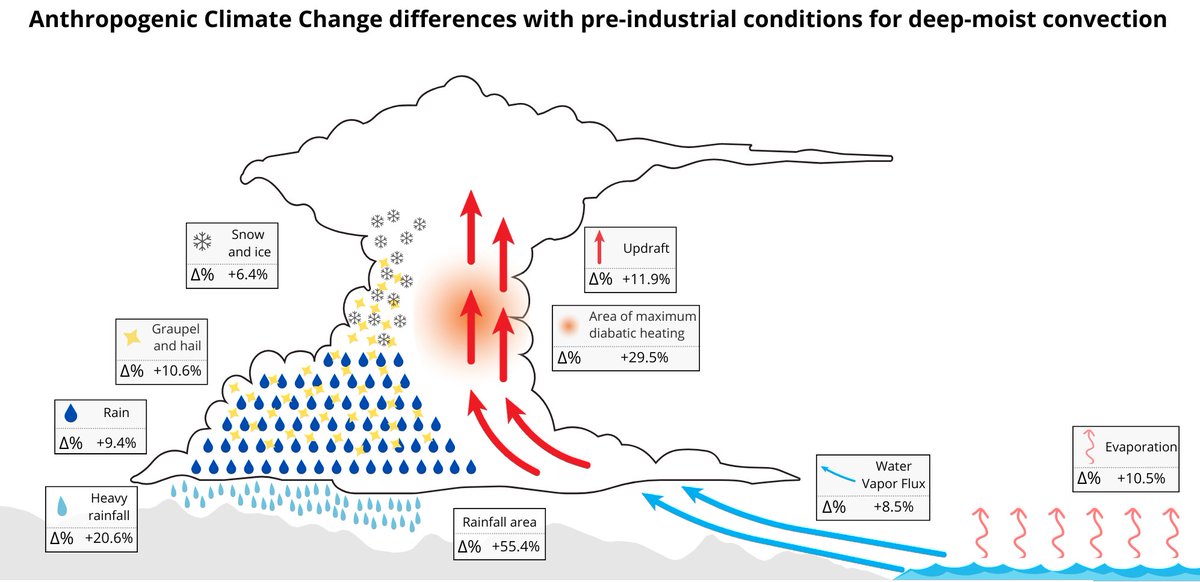
🎉Acabamos de publicar en @NatureComms nuestro último estudio sobre las catastróficas inundaciones de Valencia de octubre de 2024. Nos metemos dentro la tormenta para analizar cómo el cambio climático la amplificó. 🧵👇
$2.3 trillion: that's how much disasters cost us each year! 💸
If we were to invest more in preventing disasters, so much of that lost money could be spent on making the world a better place ➡️ https://t.co/NYtiKAeWFZ #ResiliencePays
Draconian cuts to UK physics by the @GOVUK are unacceptable.
They damage the UK's science base and threaten the UK's reputation as a reliable international scientific partner.
Prof @JohnWomersley explains how *you* can stand up for physics.
Full talk: https://t.co/kpS9YwJfpf
'Flawed advice': Economic models accused of 'chronically underpricing' climate risks https://t.co/a5kl8Cu0gI via @businessgreen this is a vital piece of work. It gives the lie to the notion from Climate Sceptics that action to combat emissions is too costly.
Over a metre of rain in southern Spain.
The local geology can’t take it. Aquifers now literally pouring water through every orifice.
Also widespread landslides.
The new report “Recalibrating Climate Risk” calls for - among other things- rethinking how we discuss the economic costs of climate change. Seems reasonable to me…
(I would say the same thing about mortality rates).
“Some are saying we’ll have a 10% GDP loss at between 3C and 4C degrees....but the physical climate scientists are saying the economy and society will cease to function as we know"
Damn right we are saying this
We are in deep, deep, sh*t
https://t.co/UHWtcd6VjZ