A literature review is NOT a review without a critical synthesis. But some scholars struggle critically evaluating the sources!
Here's my easy 5-step method ⤵
1️⃣ Theoretical Questions: Peek into the author's mind
2️⃣ Definitional Questions: Are things explained clearly?
3️⃣ Evidence Questions: Is the evidence strong?
4️⃣ Implication Questions: 'So what?'
5️⃣ Other Approaches: Read between the lines!
𝗛𝗼𝘄 𝗶𝘀 𝗔𝗜 𝗵𝗲𝗹𝗽𝗶𝗻𝗴?
— Spot inconsistencies in seconds
— Flag potential biases
— Suggest alternative interpretations
💬 𝐖𝐡𝐚𝐭 𝐰𝐨𝐮𝐥𝐝 𝐲𝐨𝐮 𝐚𝐝𝐝?
𝘓𝘦𝘵 𝘮𝘦 𝘬𝘯𝘰𝘸 𝘪𝘧 𝘺𝘰𝘶 𝘯𝘦𝘦𝘥 𝘢 𝘗𝘋𝘍 𝘰𝘧 𝘵𝘩𝘪𝘴!
------------------------------------
Useful find? Pass it on!
🔄 Retweet
✅Follow @RaziaAliani to get more useful Research content (no clickbait stuff!) in your feed.
Want FREE tips on using AI in research?
↳ Join 15K+ researchers here ⬇️
🔗 in bio
---------------------------------------
#aiinresearch #phd #literaturereview
The R programming language is, in my opinion, the best tool for statistical analysis and data visualization. Its extensive libraries and powerful capabilities make complex data tasks easier and more efficient.
Take a look at the visualizations featured in this post. All graphs were created using R and showcase various statistical analysis results. Looks fantastic, doesn’t it?
Are you looking to take your statistics and R programming skills to the next level? I’ve created a comprehensive course on Statistical Methods in R.
By enrolling in the course, you’ll receive lifetime access to:
- 20 video lessons on statistical methods and their application in R.
- An exclusive group chat for questions, support, and networking.
- Quizzes, projects, scripts, and additional resources to enhance your skills.
Ready to dive deeper into statistics and R programming?
More info: https://t.co/7YQCRDKSPO
#DataAnalytics #statisticians #datascienceeducation #rstudioglobal #RStats
If we look at thousands of proteins (i.e., signals) in the human blood, the protein most associated with chronic physical and mental illnesses is the **same protein** as the top marker for mitochondrial diseases: GDF15
When mitochondria cannot flux energy properly, the cell makes and secretes GDF15 in the blood to alert other cells
Some highlight by Cynthia Liu in our group:
- GDF15 is the top predictor for most diseases
- GDF15 associated with diabetes is among the most significant protein-prevalent disease associations
Based on p-value, GDF15 was most significantly associated with disease.
- “GDF15 was associated with the most diseases, containing 205 prevalent and 397 incident diseases, generally acting as a risk factor except for three incident diseases (respiratory diseases affecting the interstitium, disorders of magnesium metabolism, and peripheral artery disease).”
- “GDF15, similar to its high ranking with protein-disease pleiotropy, ranked second for protein-trait associations, boasting a substantial 428 associations.”Significant associations with many lipid metabolite markers.
- Mental disorders like anxiety disorders, depression, and mood disorders, along with mental health-related traits, also exhibited substantial proteomic signatures including elevated GDF15
- “The fluid intelligence score and various types of dementia shared significant proteins such as NEFL and GDF15 (Figure 2G)”
- “GDF15, the protein with pleiotropic effects, was causally associated with several autoimmune diseases, including ulcerative colitis and rheumatoid arthritis (Figure 6B).”
Data from >53,000 people in the UK Biobank
Full paper here:
https://t.co/F3dn16E0t2
Resource to explore your favorite protein or disease/trait of interest: https://t.co/BjpilkdtHW
Proud of our summer student, Mia Rodriguez, for receiving a scholarship to attend #SACNAS and winning a Presentation Award! We look forward to all her future achievements! Thanks to the DREAM program at UTSW @ACS_Research, and our student @harrison__tom for being a great mentor.
35 most useful tools for PhD students and researchers.
Literature Review
1. @LitmapsApp
2. @R_Discovery
3. @Scite
4. @ConnectedPapers
5. @ResearchPal_AI
6. Journal Finder
Paper Writing
1. @teampaperpal
2. @thetrinkaai
3. @Grammarly
4. @scispace
5. @overleaf
6. Google Doc
Paper Reading
1. @scholarcy
2. Petal AI
3. @OutreadApp
4. Enago Read (previously https://t.co/CacGs5lyVw)
5. Scribe AI
6. R Discovery
Research Presentations
1. @gammaapp
2. @10Web_io
3. @canva
4. https://t.co/P5Fpo7aC7G
5. https://t.co/jSStHw6T6Y
6. Mind the Graph
Note Taking
1. Otter
2. Pocket
3. Google Keep
4. @NotionHQ
5. Audio Pen
6. @ScrivenerApp
Data Analysis
1. SPSS
2. Tableau
3. PowerBI
4. MS Excel
5. Minitab
6. Nvivo
Any other tool you'd like to add to this list?
#research #tool
The country with one of the lowest obesity rates and highest life expectancy is Japan.
4-5% of their population is classified as obese while Western Nations can exceed 30-40%.
Here are 10 crucial reasons why Japan is one of the healthiest countries in the world:
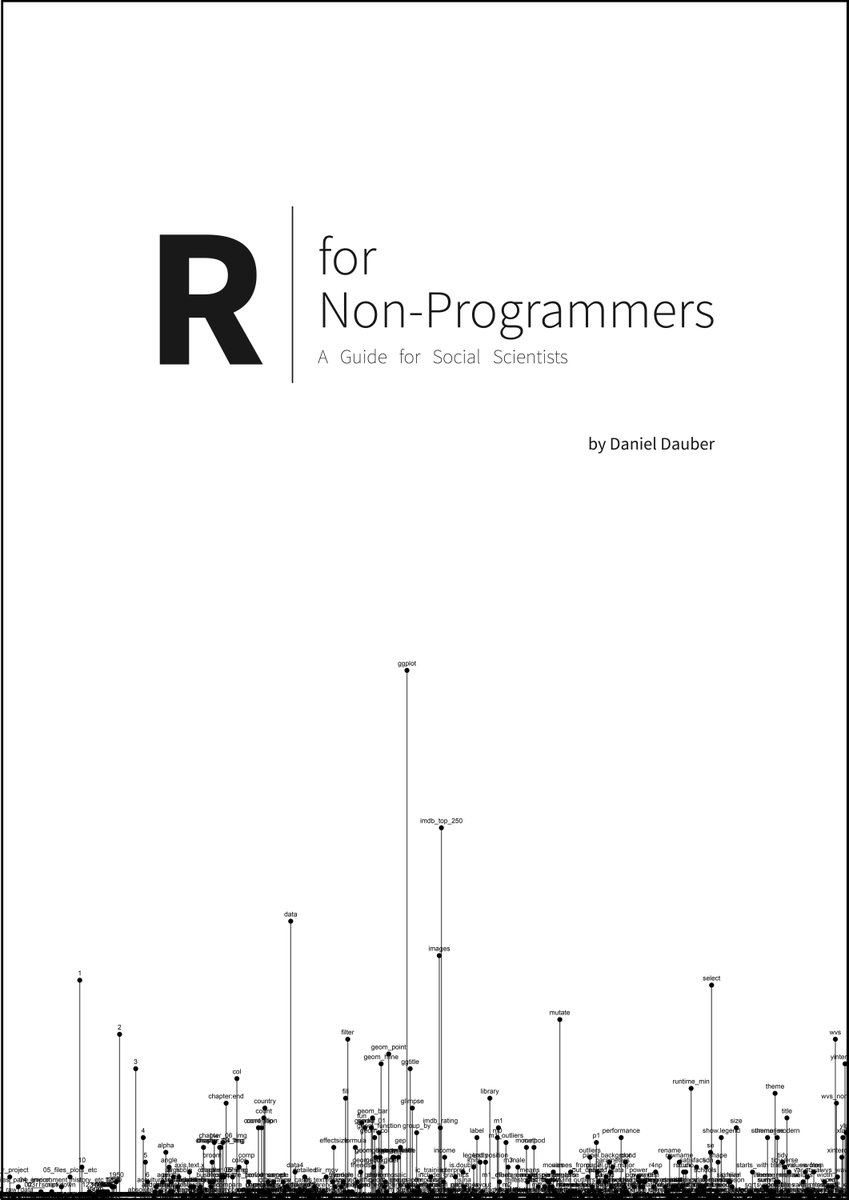
📚Libro online gratuito: R para no programadores.
Para cualquier nivel de programación o experiencia en #stats y #analytics, aprende los conceptos esenciales de análisis de datos de forma concisa, completa y fácil de usar.
https://t.co/LdNPdSjbzQ
#RStats#programming#code
Comprehensive characterization of mitochondrial bioenergetics at different larval stages reveals novel insights about the developmental metabolism of Caenorhabditis elegans https://t.co/ps27yuZNdr
Examples are the best way to learn how to improve academic writing.
Most students don't include a topic sentence, critique or supporting sentences. And THIS is the problem.
Here's an example of a first class essay, with an explanation of each excellent sentence structure :