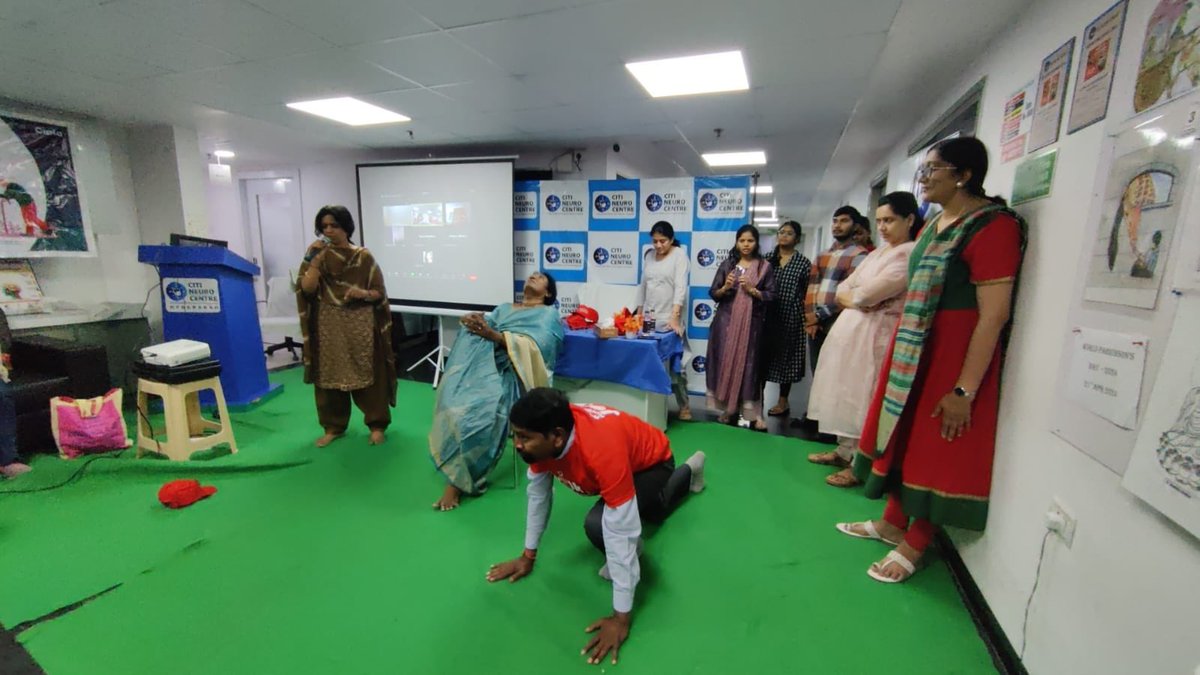
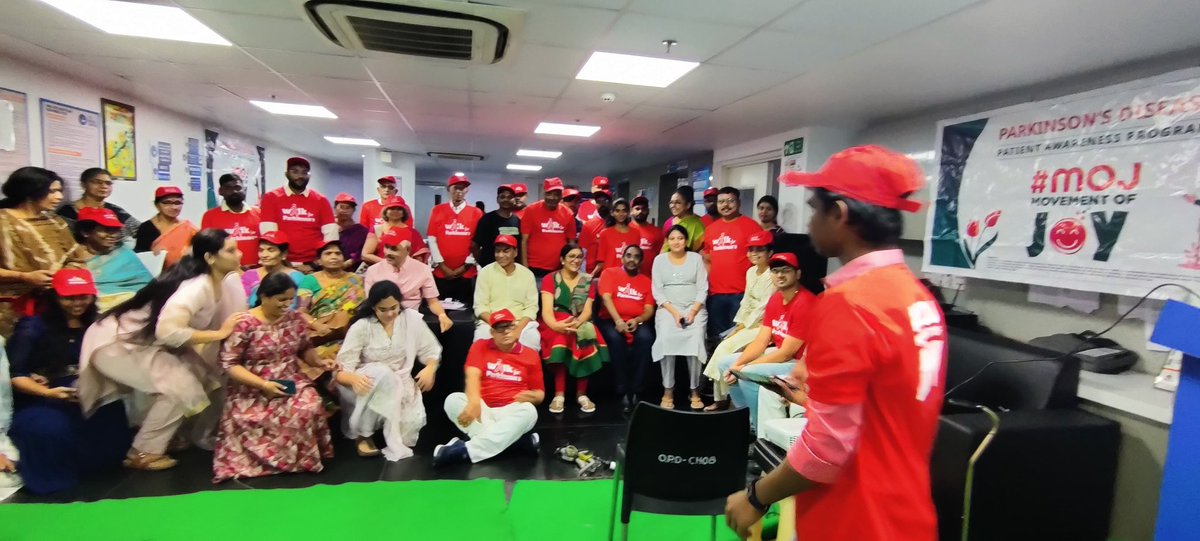
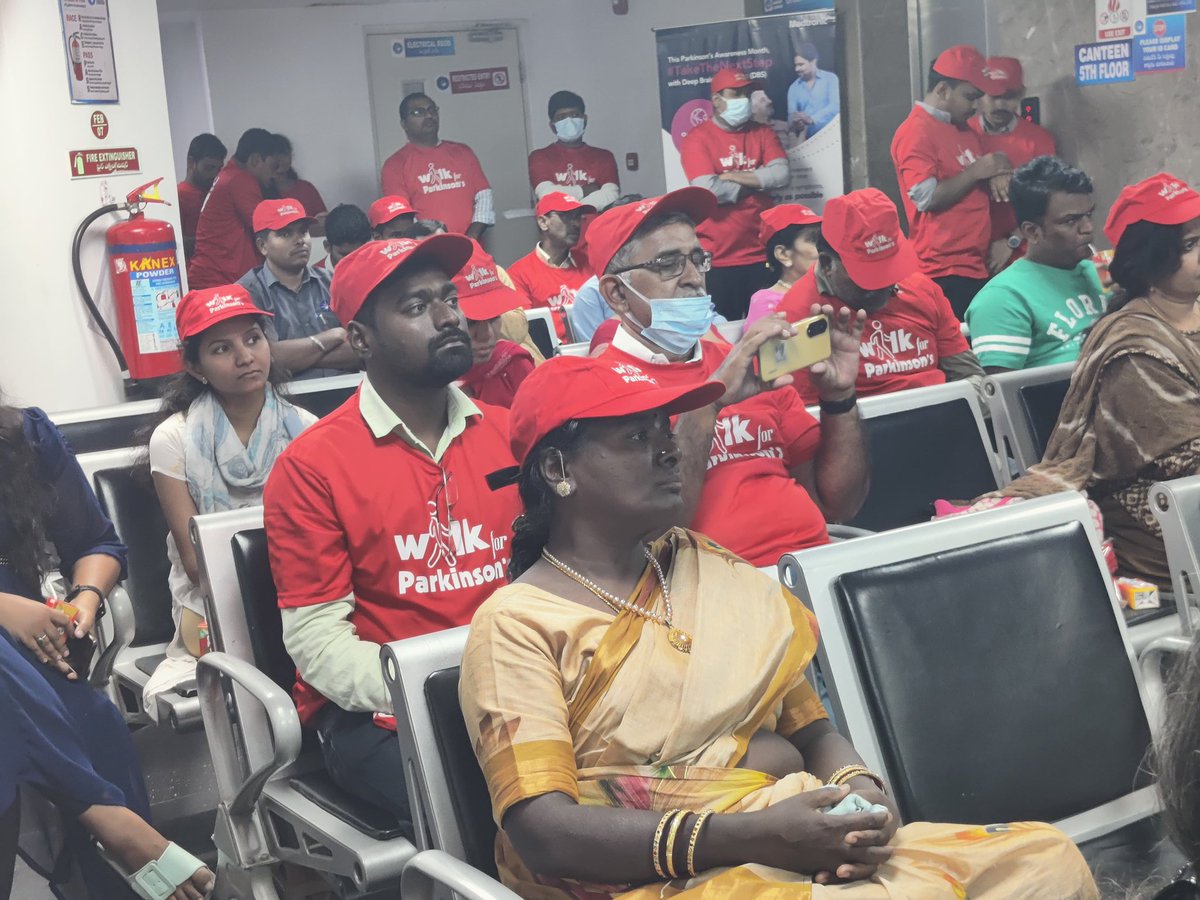
World Parkinson’s day celebration by Parkinson Society Hyderabad and Citi Neuro centre, India - thanks to Pushpavalli and Sridevi garu for speech and yoga sessions
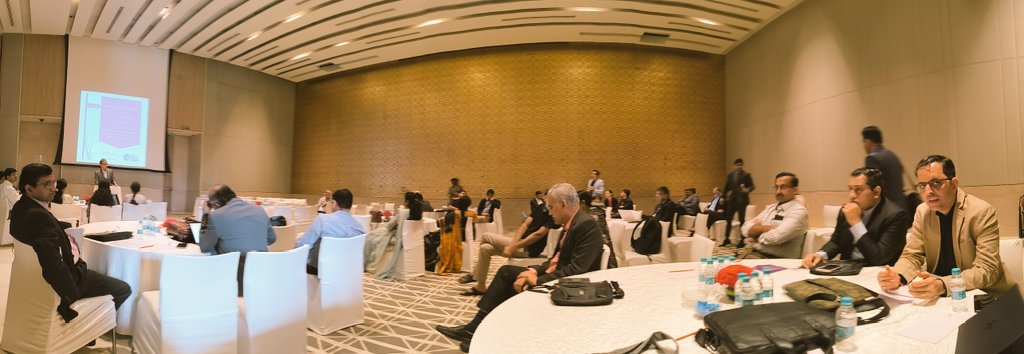
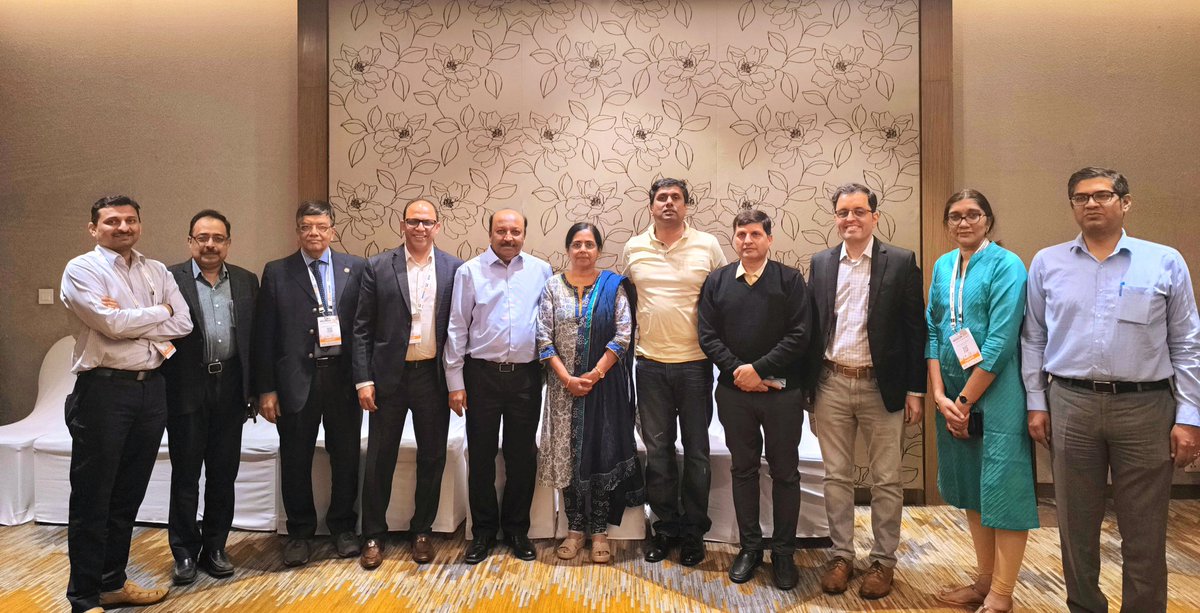
8th Annual Conference of Movement disorders society of India starts from today. The executive Committee meets for transition to next team. Looking forward for a great meet!!
#MDSI#MDSICON#Ahmedabad#India@mdsieditor
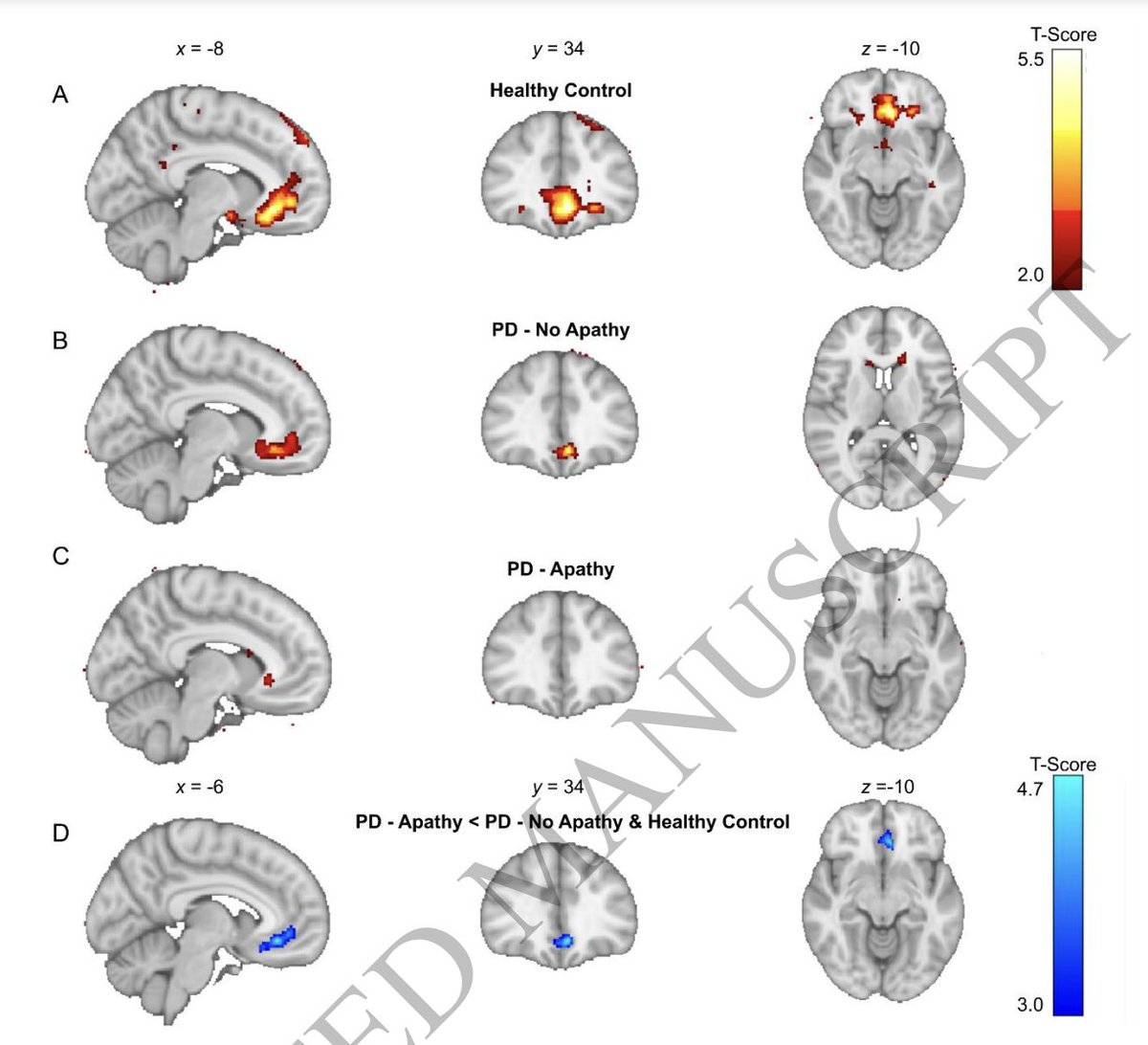
Does the presence of 'apathy' in Parkinson's disease affect how you make decisions? You bet it does. Gilmour and colleagues @Brain1878 use a behavioral task plus advanced imaging to show us how the brain works when you have apathy and Parkinson's disease.
Key points:
- Apathy is a common and disabling in Parkinson's.
- Apathy is associated w/ a reduction in goal-directed behavior.
- We think about prefrontal cortical regions and brainstem being affected,
- We think beyond dopamine and include serotonin and norepi in the discussion of apathy.
- Your brain must encode the value of decisions.
- Your brain functions to either 1- explore alternative courses of action or 2- to persist in a strategy.
My take: Apathy is more common than depression in Parkinson's and it has a big impact on quality of life. The authors show convincingly that apathy is associated with 'an impairment in value-based learning.' The apathy group in their study made decisions that were 'indifferent' to a learned value of available options. The reduction in the imaging signal in ventromedial prefrontal cortex was convincing. Thalamo-cortical networks and enhanced thalamic signal in their study seemed to predict individual apathy severity. The authors posit that the use of this network was the attempt to compensate for the apathy. When you treat a person with apathy remember that the apathy will affect how a person encodes the value of decisions.
https://t.co/m3fSfHEbaT #Parkinsons #apathy
Complex Movement Disorder with Prominent Tic like Movements: Expanding the Clinical Spectrum of IgLON 5 Antibody Disease - Kandadai - Movement Disorders Clinical Practice - Wiley Online Library https://t.co/1nGSuzKyVd
Fellowship program in movement disorders at Parkinson’s disease and Movement Disorders Research centre, Citi Neuro centre Hyderabad for 2024 is now open
Great work on the genetics of Parkinson's disease in the Indian population by The Parkinson's Research Alliance of India, in collaboration with MedGenome and Denali therapeutics.
Andrews, Kukkle & Menon et al. Mov Disord 2023.
https://t.co/SKoxosWGf5
The authors have done a comprehensive analysis of the common and rare variant associations with different subtypes of Parkinson's (Juvenile, Young and Early-onset) in a sample size of 674 cases and 1376 controls. It's a modest sample size, but sadly the largest to date from India. But on the positive side, it's a well-defined set of clinical cases, which can be appreciated from the findings.
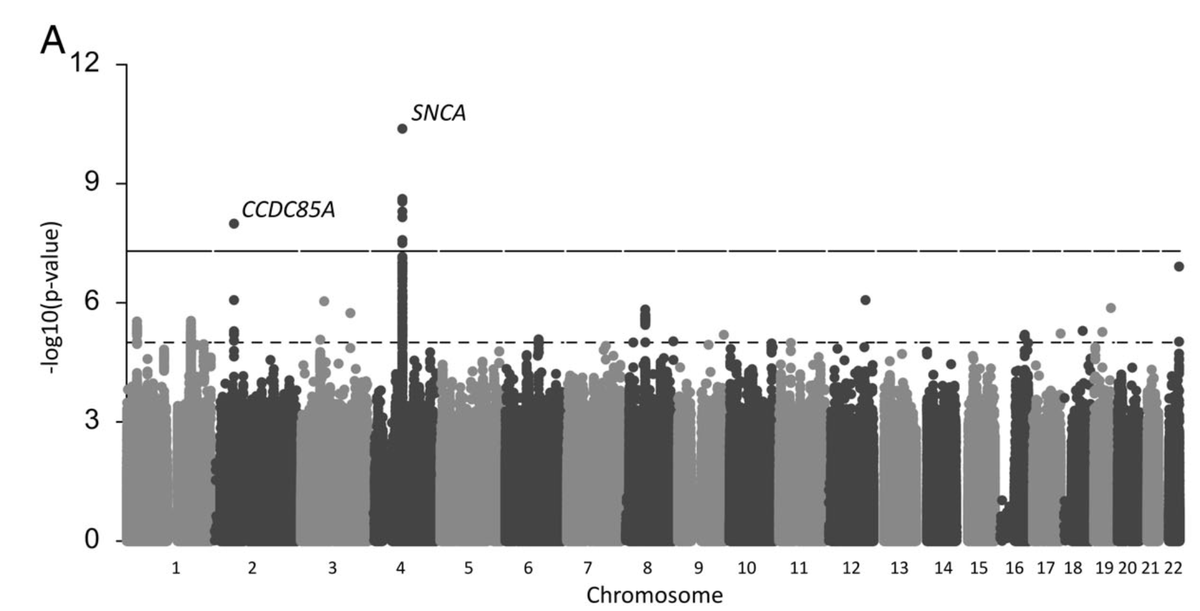
In the common variants space, the authors have identified two loci, one known (SNCA, with perfect colocalisation with EUR signal) and one novel (CCDC85A).
The authors performed rare variant analysis in two ways.
Firstly, they searched for rare variants in known genes. Around 8.1% carried known pathogenic variants, impressively, 1/3rd of whom were carriers of PRKN mutations, in line with reports of early onset cases from other Asian populations, for example, China (https://t.co/s3sFZCK2fn).
The more interesting finding is the association with GBA1, a well known risk gene. But the interesting part is the most of the risk variants identified seem to be exclusive to South-Asian populations, the most common being p.Ser164Arg, which is afais absent outside India. The authors even show in vitro evidence that this likely a loss of function variant. The findings nicely complement a recent ExWAS in Southeast Asians (https://t.co/oWLtuLHhJ7), spotlighting lysosomal enzymes in the etiology of Parkinson's.
Secondly, the authors performed rare variant gene burden analysis to discover new genes. Given the modest sample size, nothing came out significant. But interestingly, the top association was seen with BSN, a gene that has been recently linked with Mendelian-like obesity (https://t.co/WVujha0WXl). As previously noted by few, it's likely a neurodegeneration gene. It's interesting to see the Parkinson's association (but will wait for replication).
Overall, it's a wonderful and important work presented beautifully. Inspiring to see companies like MedGenome advancing the genomics field in India.
Andrews, Kukkle & Menon et al. Mov Disord 2023.
https://t.co/SKoxosWGf5
Some recent posts:
1. A beautiful coincidence of two landmark papers behind the first CRISPR-medicine published side by side in a same Science issue 15 yrs before. (https://t.co/U0MKljEbpv)
2. Obituary of a beloved scientist Prof. Jeanette Erdmann (https://t.co/kCaeFS7ej5)
3. Looking back into the time gap between first human genetic evidence and regulatory approval of some famous drug targets (https://t.co/2JisLJyoV4)
Do we know all the manifestations of the autoimmune IgLON 5 antibody disease? Probably NO. Could new onset tics be a manifestation? Maybe? Nice new case and video by Kandadai and colleagues in @MDCP_Journal
Key points:
- IgLON5 first described in 2014 meaning all of us were missing cases, which is very humbling especially as it may be treatable with IVIG and other means.
- We think about folks w/sleep and consciousness, extraocular abnormalities (that look a little/lot like PSP), cognitive issues and of course movement disorders.
- This man's movement was not deliberate but he could control them if he wished.
- Voluntarily suppression led to to discomfort in the shoulder and rebound worsening.
- The exam and history fit with potential tics.
- His eyes had slow saccades on looking left and on downgaze. We always look at the eyes if we suspect IgLON 5.
My take: First, anytime you see tics presenting in an adult, consider that they may have actually been born w/ the 'neurodevelopmentally different brain' of Tourette; and when you have this brain, it is possible that a stressor or stressors may bring tics to the surface. We do see this re-emergence not uncommonly under stress in the elderly. In this case, perhaps it was IgLON 5 antibody disease that was the stressor and his brain was susceptible? Only 'time' will tell if this is a possible primary manifestation of IgLON 5 syndrome; more cases w/ more careful and detailed histories will be the ultimate judge.
https://t.co/UjVVPkx4ag
Angles in DBS surgery can make a difference
Study of Impact of Stereotactic parameters on... : Annals of Movement Disorders https://t.co/eGmQXeuCIE
@mdsieditor@neuro_ian@citineurocentre
Applications for Movement Disorders Fellowship program Feb 2024 at PDMDRC, Citi Neuro Center, Hyderabad, India (MDS-AOS Visiting Trainee Grant host centre) open now
Apply for MDS-AOS travel grant
https://t.co/fNnReDLrcQ